


Chest Pain: Can we do 2-hour rule outs?

Hospital admissions for chest pain often incur costly and resource-intensive workups for ACS. Is there a way to identify a low risk group who can be discharged home in a timely manner, without further workup, and without short-term adverse events from ACS?


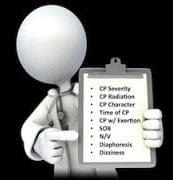 Every year there are 6 million visits to the Emergency Department (ED) for chest pain, and approximately 2 million hospital admissions each year.
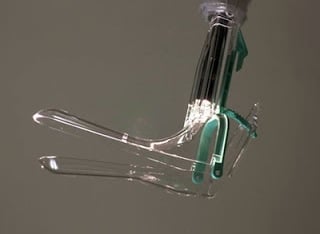 Often finding a pelvic examination bed for a female patient needing a speculum exam can be challenging. Without the elevated foot stirrups, the bed under the patient’s buttocks obstructs the pelvic speculum handle so that it can’t rotate completely into a 6 o’clock position.