PEM POCUS Series: Pediatric Musculoskeletal Ultrasound

Read this tutorial on the use of point of care ultrasonography (POCUS) for pediatric musculoskeletal evaluation. Then test your skills on the ALiEMU course page to receive your PEM POCUS badge worth 2 hours of ALiEMU course credit.
Module Goals
- List the indications for performing pediatric musculoskeletal (MSK) point-of-care ultrasound (POCUS)
- Describe the technique for performing specific pediatric MSK POCUS applications
- List anatomical landmarks for specific MSK POCUS applications
- Interpret signs of fracture, effusion, dislocation, and osteomyelitis with POCUS
- Describe the limitations of MSK POCUS
Case Introduction: Adolescent with Left Knee Swelling
A 13-year-old female with no past medical history presents to the emergency department with pain and swelling to her left knee. The pain started 3 days ago, with the pain worsening and swelling noted on the day prior to arrival. She can bear weight but has a limp. She has had no other current or past joint pain or swelling, no known trauma, no fever or other infectious symptoms, no recent travel, and no known insect or tick bites. She spent the summer at camp in the northeast United States. Her vaccines are up to date.
On arrival, her vital signs are:
| Vital Sign | Finding |
|---|---|
| Temperature | 37.3 C |
| Heart rate | 109 bpm |
| Blood pressure | 117/74 |
| Respiratory rate | 20 |
| Oxygen saturation (room air) | 99% |
On physical examination, she is well appearing and in no acute distress. Her exam is significant for left knee swelling and tenderness to palpation anteriorly with decreased knee flexion due to pain. She has no redness, warmth, or numbness around her knee. She has an antalgic gait but can bear weight.
Given her pain and swelling of her left knee, blood tests and X-rays are ordered, and orthopedics is consulted. You decide to perform a musculoskeletal point-of-care ultrasound (MSK POCUS) examination.
Note: This module focuses on diagnostic uses in musculoskeletal POCUS and not on procedural uses.
Probe Selection and Patient Comfort
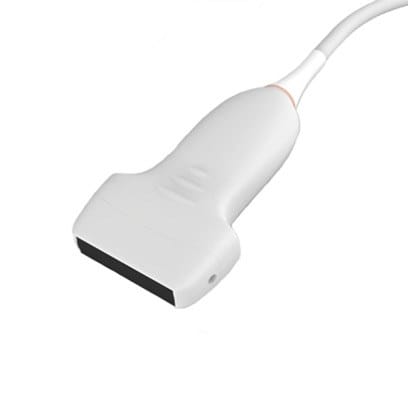
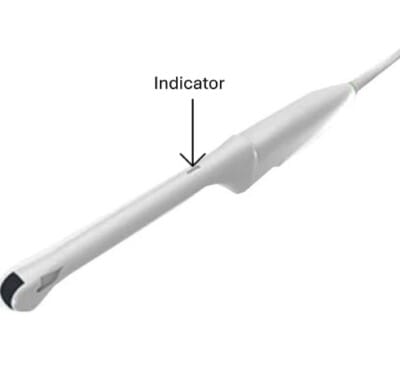
Figure 1. Linear ultrasound probe.
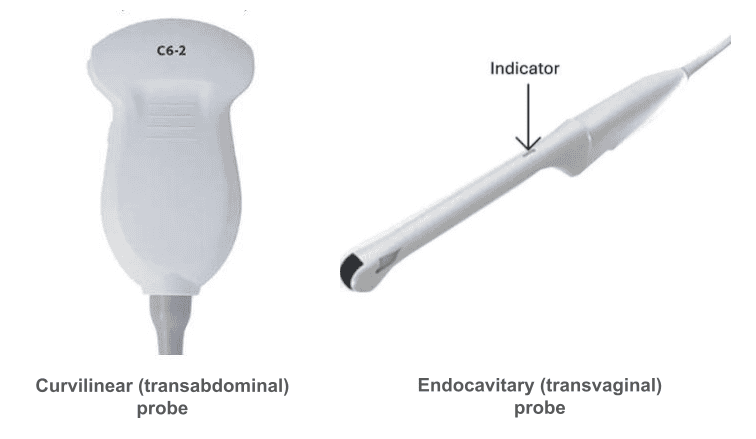
- Use a high frequency linear probe (Figure 1) to obtain high resolution images of generally superficial structures in MSK POCUS.
- A curvilinear probe may be necessary for older children to examine structures with depth greater than 4-6 cm (e.g., hip).
- Patient comfort is the key to obtaining quality images.
- Place in a position of comfort on the bed, chair, or in a parent’s lap.
- Apply copious warm gel (Figure 2L).
- Rest the base of your scanning hand on a non-tender area to avoid putting excessive pressure on a painful area (Figure 2R).
- Provide pain control.
- Distract with a toy, book, or phone/tablet.
- Consult a child life specialist, if available, to help ease the child’s anxiety.
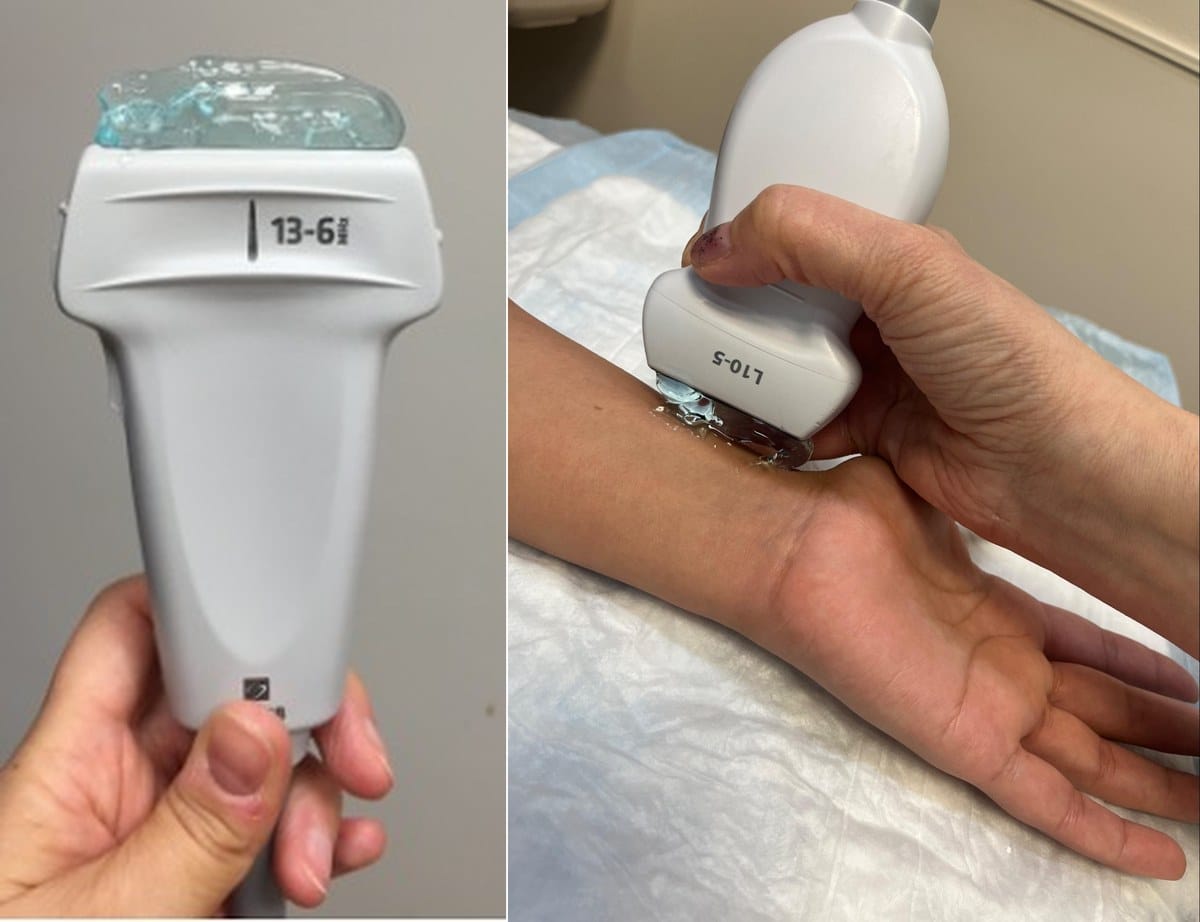
Figure 2. Linear probe with copious gel (L). The clinician floats the probe on the gel and rests the base of the scanning hand on an uninjured area to minimize pressure on the painful area (R).
Pro-Tips
- When performing MSK POCUS, it is helpful to scan the contralateral normal side first. This allows for identification of the child’s normal anatomy, including growth plates if present, and comparison when scanning the area of pain/injury. It also allows the child to understand the MSK POCUS exam before scanning the painful area.
- Match the probe footprint to the area being scanned: a wider, longer footprint for the hips or long bones; a smaller footprint for the small bones of the hands or feet.
Technique
To evaluate for fracture, dislocation, or osteomyelitis, place a linear transducer over the desired area to identify changes to the bony contour or alignment.
- Look everywhere. Scan bones circumferentially as much as possible and in perpendicular planes (longitudinal and transverse axes) to avoid missing pathology. Fractures may escape detection if the transducer is placed parallel to the course of the fracture.
- Scan the contralateral side for comparison. This is especially crucial when the pathology involves or is adjacent to a physis.
- Use the water bath technique. Submerge the injured extremity in a basin of water to facilitate imaging of the small bones of the hands and feet (Figure 3). The probe does not need to be in contact with the injured area in a water bath, and the probe is submersible up to the point where the electrical cord exits the probe.
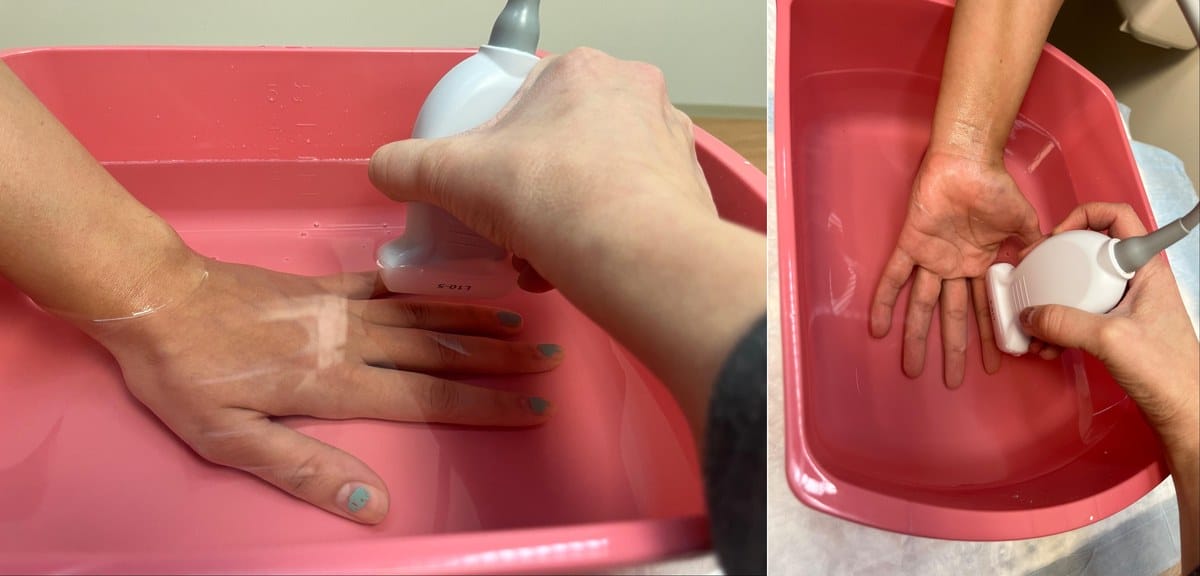
Figure 3. Water bath technique to image a phalanx dorsally (L) and ventrally (R), with the submerged probe floating just above but not touching the injured hand.
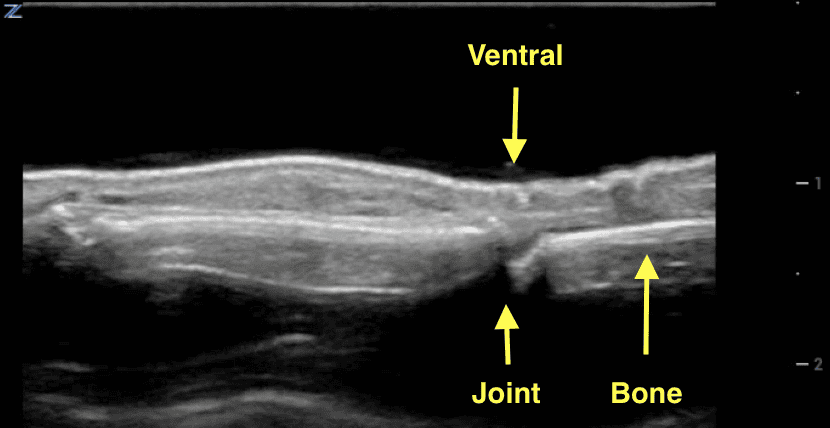
Figure 4. Normal finger phalanx imaged with the water bath technique, with the probe not touching the finger and approximately 1 cm of anechoic fluid between the probe and the finger. Air bubbles may be visible in the water.
Figure 5. Ultrasound clip of a normal finger phalanx using the water bath technique.
Normal Findings
Normal bone is seen as a hyperechoic line with posterior acoustic shadowing.
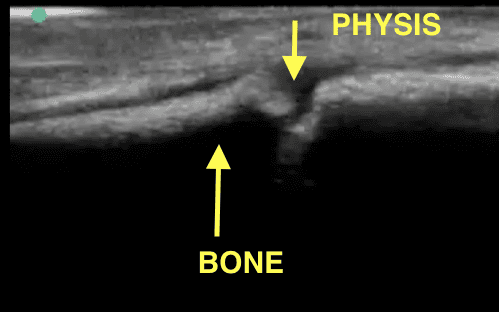
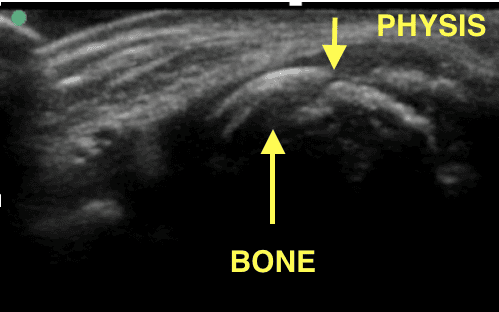
Normal physis:
- Longitudinal view (Figure 6): Appears as a V-shaped, hypoechoic, uniform band of cartilage between the metaphysis and epiphysis that is symmetric with the contralateral side.
- Transverse view (Figure 7): Appears as a regular but ragged area between the hyperechoic curvilinear metaphysis and epiphysis of the bone.
|
Figure 6L. Longitudinal view of a normal physis. The hypoechoic band of cartilage forms a smooth V-shape between the hyperechoic metaphysis and epiphysis (yellow arrows: physis above, bone below). Compare with the contralateral side to confirm symmetry. |
Figure 6R. Longitudinal scanning of a normal physis. |
|
Figure 7L. Transverse view of a normal physis. The cartilage band appears regular but ragged between the curvilinear hyperechoic metaphysis and epiphysis (yellow arrows: physis above, bone below). |
Figure 7R. Transverse scanning of a normal physis. |
Ultrasonography can reliably detect diaphyseal (long bone) fractures including the forearm, lower leg, and clavicle. It is also useful for detection of other fractures.
1. Long Bone Fracture
- Longitudinal view (Figure 8): A fracture is visualized as a disruption in the bony cortex with a discontinuity or step-off. There may be associated periosteal changes, periosteal fluid, or hematoma. Angulation and displacement of the fracture fragments may be measured.
- Transverse view (Figure 9): The fracture site is identified by an irregularity in the hyperechoic, curvilinear bony cortex and/or a “jump” in the location of the bone as the fracture site is crossed.
- Ultrasound can detect fractures as small as 1 mm [1].
- In the forearm and lower leg, be sure to scan both bones at the site of injury to avoid missing a fracture.
|
Figure 8L. Forearm fracture in longitudinal view. An angulated, displaced distal radius fracture is shown, with the physis visible distal to the fracture site. |
Figure 8R. Longitudinal scanning of a distal radius fracture. |

|
Figure 9L. Forearm fracture in transverse view. The fracture site shows an irregular curvilinear bony surface with both edges of the fracture visible. |
Figure 9R. Transverse scanning of a distal radius fracture. |
2. Buckle Fracture
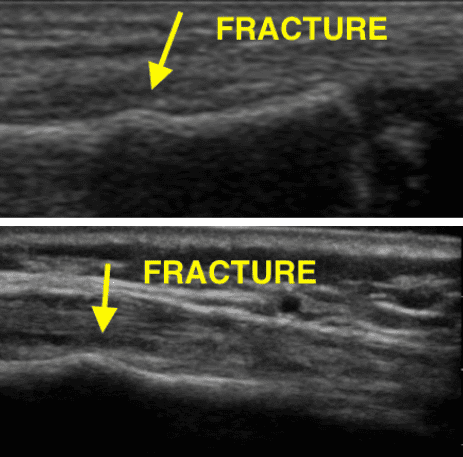
- A buckle fracture appears as a small “bump” in the linear bone cortex, usually without any discontinuity of the bone (Figure 10).
|
Figure 10L. Two examples of buckle fracture of the distal radius (arrows). Top: small “bump” in the bony cortex without discontinuity. Bottom: a second buckle fracture of the distal radius in longitudinal view. |
Figure 10R. Buckle fracture of the distal radius. |
3. Finger Phalanx Fracture
- The discontinuity of the cortex of a phalanx may be seen in longitudinal and transverse views (Figures 11 and 12).
- A fracture appears as a break in the hyperechoic cortex, in contrast to a joint, which is regular and similar to adjacent fingers or to the contralateral normal side.
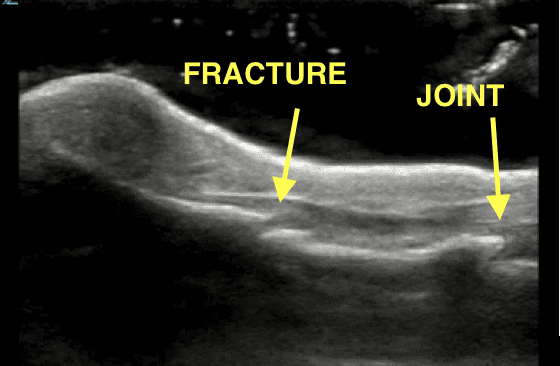
Figure 11. Discontinuity of the bony cortex of the phalanx (arrow) in a water bath, consistent with fracture. The adjacent joint is regular and intact.
|
Figure 12L. Longitudinal scanning of a phalanx fracture. |
Figure 12R. Transverse scanning of a phalanx fracture. |
4. Metacarpal Fracture
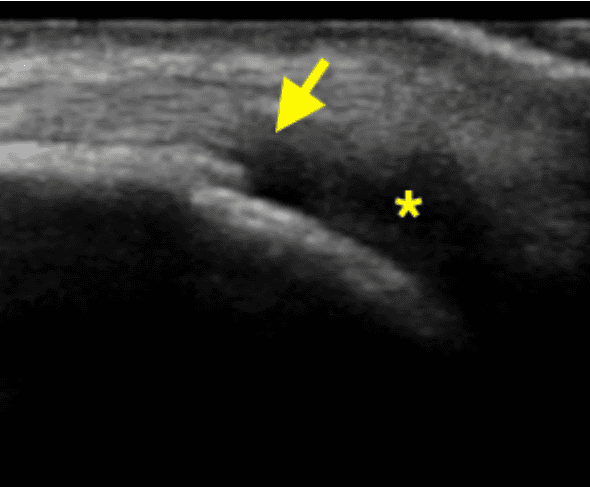
- The discontinuity of the cortex of a metacarpal may be seen in longitudinal and transverse views (Figure 13).
|
Figure 13L. Cortical discontinuity (arrow) in a metacarpal fracture, with periosteal fluid (asterisk) adjacent to the fracture site. |
Figure 13R. Scanning of a metacarpal fracture. |
5. Nasal Fracture
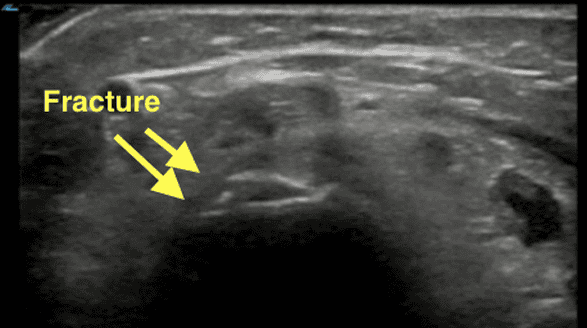
- The nasal bones may be identified, with fractures appearing as a discontinuity of the bone (Figures 14, 15, and 16). Use copious gel to facilitate imaging in this superficial, highly curved area and to minimize pain to the affected area.
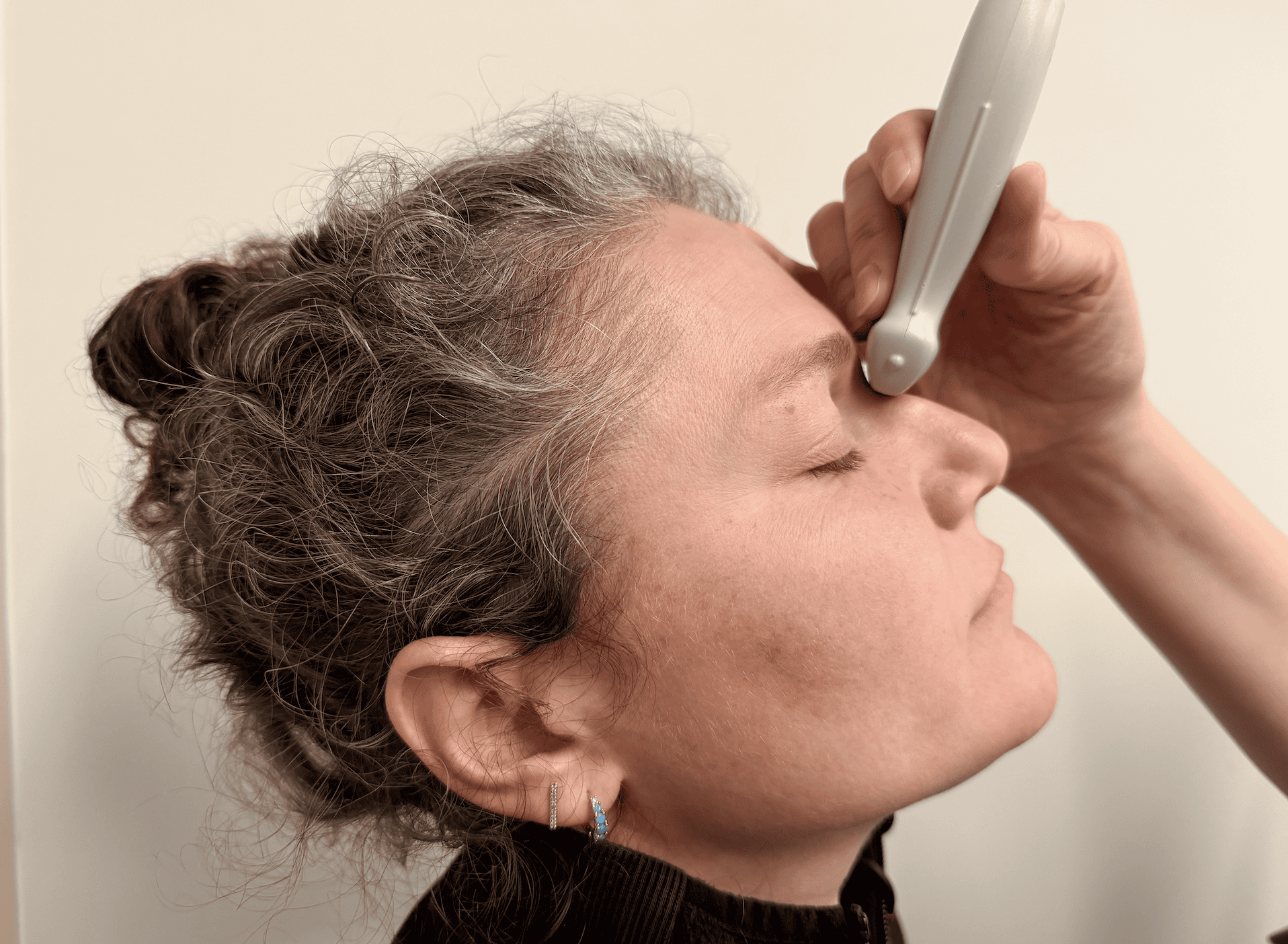
Figure 14. Linear probe positioning to evaluate for a nasal fracture.
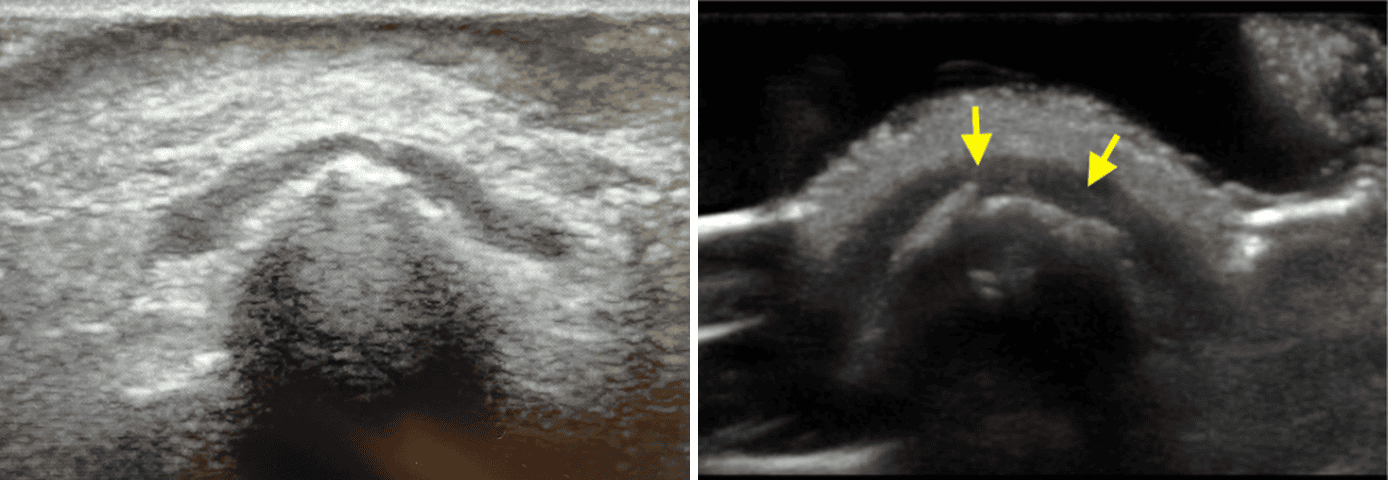
Figure 15. Transverse view of a normal nasal bone (L) and a nasal fracture with cortical discontinuities (arrows, R).
Figure 16. Transverse scan of a nasal fracture.
6. Healing Fracture
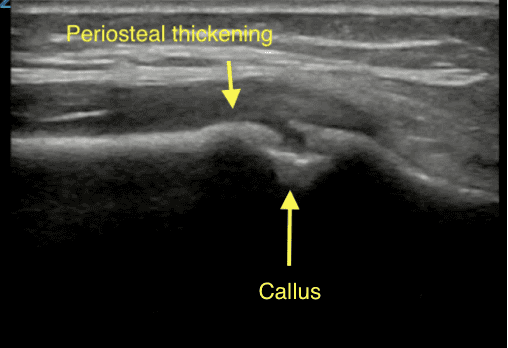
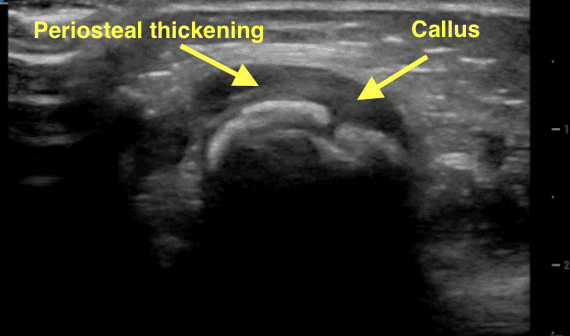
- Healing fractures will have a discontinuity in the bone with varying degrees of periosteal thickening and callus formation (Figures 17 and 18). The callus will be hypoechoic initially and will become more hyperechoic over time.
|
Figure 17L. Healing distal radius fracture in longitudinal view, with periosteal thickening and callus formation. |
Figure 17R. Longitudinal scan of a healing distal radius fracture. |
|
Figure 18L. Healing distal radius fracture in transverse view, with periosteal thickening and callus formation. |
Figure 18R. Transverse scan of a healing distal radius fracture. |
For evaluation of a joint effusion, the linear or curvilinear transducer is used to identify anechoic or hypoechoic fluid in the joint space. POCUS identifies the effusion but cannot distinguish hemorrhagic, infectious, or inflammatory etiologies; labs and/or advanced imaging are needed for further work-up.
POCUS of the lower extremity can assess for hip, knee, or ankle effusions. Findings must be interpreted with the clinical presentation and physical examination. For hip effusions, the Kocher criteria may be used to evaluate for septic hip.
1. Hip
- See the ALiEM module on POCUS: Hip Effusion for more detail.
- Positioning and probe placement: With the child’s leg in slight external rotation, place the linear transducer on the anterior hip parallel to the long axis of the femoral neck. Point the probe marker toward the patient’s head (Figure 19L).
- Normal findings
- Identify the hyperechoic curvilinear femoral head (+/- physis), hyperechoic linear femoral neck, and the posterior surface of the iliopsoas muscle (Figure 19R).
- Look for fluid/effusion between the femoral neck and the posterior surface of the iliopsoas muscle. Normally a femoral fat pad sits in this space.
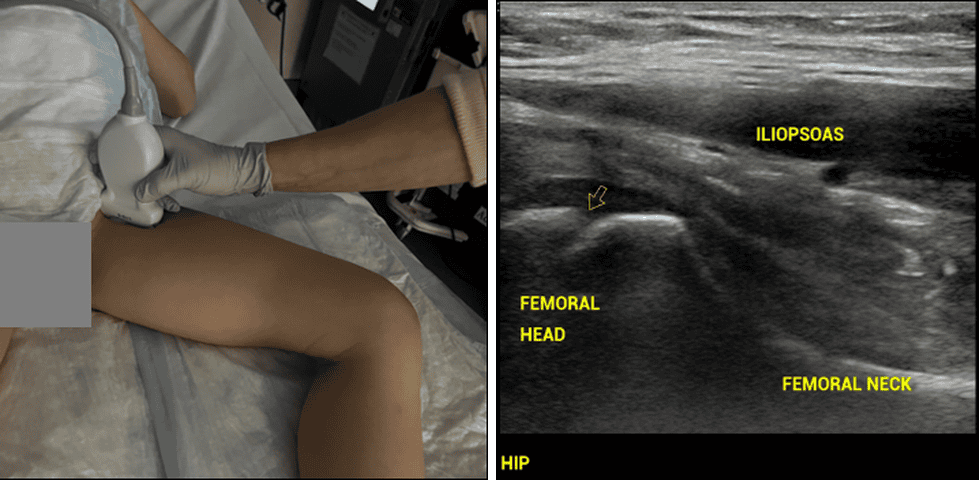
Figure 19. Linear probe positioning to evaluate for hip effusion (L) and normal hip anatomy (R). The arrow points to the femoral head physis.
Figure 20. Longitudinal scanning of a normal hip.
- Abnormal finding: Hip effusion
- Location: Anechoic or hypoechoic fluid located between the femoral neck and the iliopsoas muscle (Figure 21).
- Measurement: A convex fluid collection measuring >5 mm (or >2 mm difference from the contralateral normal side) is positive for a hip effusion.
- There is debate regarding measurement technique for hip effusion, with measurement of the hypoechoic fluid directly vs. measurement from the anterior surface of the femoral neck to the posterior surface of the iliopsoas muscle. However, clinically significant effusions will likely be positive (>5 mm) regardless of measurement technique, and asymmetry compared to the contralateral normal hip will usually be evident.
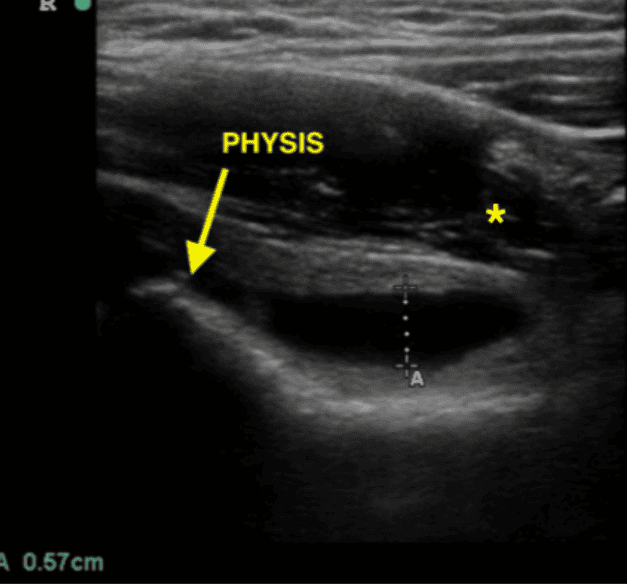
Figure 21. Hip effusion with anechoic fluid layering over the femoral neck measured to 5.7 mm. Also visible are the femoral head with an open physis (arrow) and the iliopsoas muscle (*).
Figure 22. Longitudinal scanning of the hip showing a hip effusion.
2. Knee
- Positioning and probe placement: Place the linear transducer longitudinally on the anterior distal femur, just superior to the patella, in the midline over the quadriceps tendon. Point the probe marker toward the patient’s head (Figure 23L). This single, longitudinal view of the suprapatellar bursa, which has direct communication with the knee joint, is the most sensitive for identifying a knee effusion (Figure 24). You may also fan the probe in longitudinal and transverse views to further evaluate the suprapatellar bursa for effusion.
- Place a towel roll under the knee to provide about 30 degrees of knee flexion, the optimal position for detecting a knee effusion.
- Avoid excessive pressure: pressure from the probe can compress the suprapatellar bursa and mask a small effusion.
- To avoid missing a small effusion, milk fluid downward, medially, and/or laterally toward the probe to push fluid into the suprapatellar bursa. Hold the probe lightly while doing this.
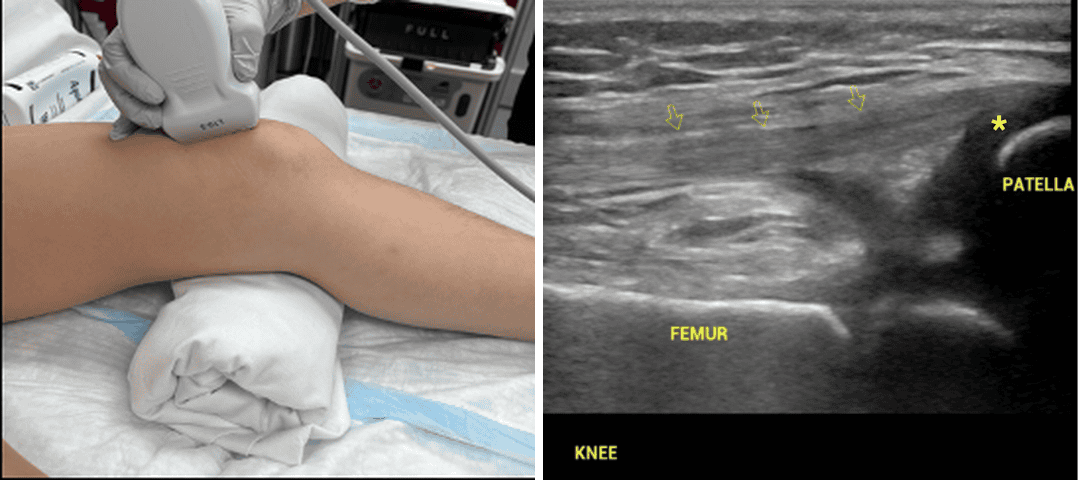
Figure 23. Linear probe positioning to evaluate for knee effusion. Note the towel under the knee for slight knee flexion (L). Normal knee anatomy showing the quadriceps tendon (arrows) and cartilage around the patella (asterisk) (R).
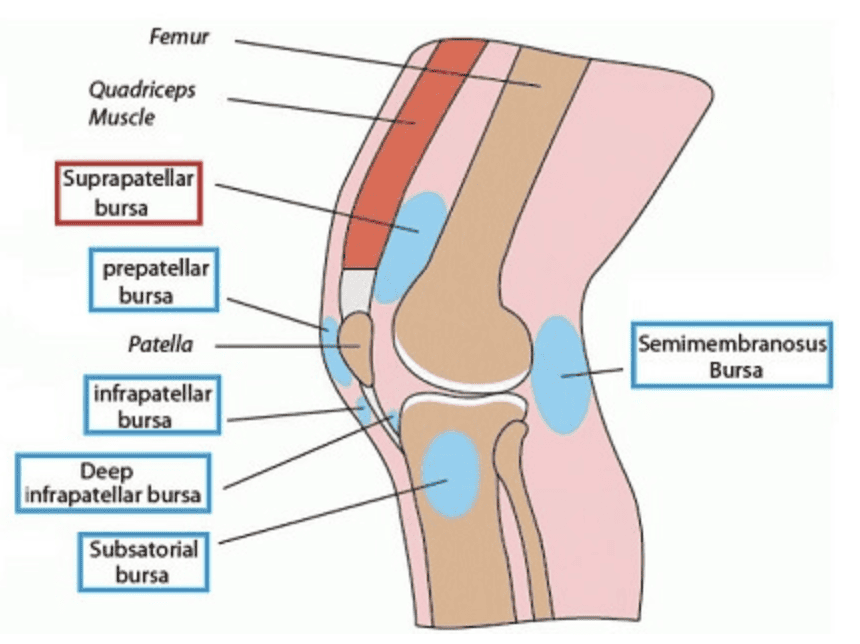
Figure 24. Normal bursae anatomy at the knee. The suprapatellar bursa is contiguous with the knee joint space [2].
Figure 25. Longitudinal scanning of a normal knee.
- Normal findings
- Identify the linear, hyperechoic distal femur (+/- physis), the patella, and the quadriceps tendon attaching to the patella (Figure 23R). There is a pre-femoral fat pad between the femur and the quadriceps tendon. Look for a fluid collection in this suprapatellar space.
- The patella ossifies at approximately 3-6 years of age, so younger children may still have a cartilaginous patella. The patella appears hypoechoic and may not have posterior acoustic shadowing. Do not confuse the cartilaginous patella with a joint effusion.
- Abnormal finding: Knee effusion
- Location: Anechoic or hypoechoic fluid sits in the suprapatellar bursa between the femur and the quadriceps tendon (Figure 26).
- Measurement: Fluid measuring >2 mm in height is positive for a knee effusion.
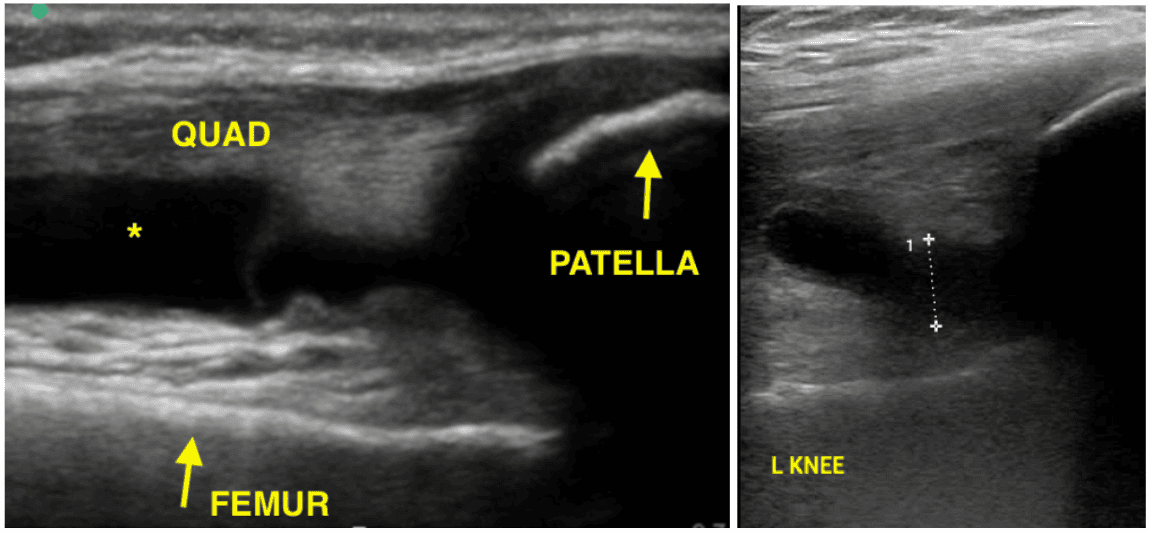
Figure 26. Two examples of a knee effusion with anechoic fluid (*) between the femur and the quadriceps tendon (L) and with measurement of effusion (R).
Figure 27. Longitudinal scanning of a knee effusion.
3. Ankle
- Positioning and probe placement: Place the linear transducer in the longitudinal axis anteriorly over the ankle joint in the midline. Point the probe marker toward the patient’s head (Figure 28L) to evaluate the tibiotalar joint. The tibiotalar joint is the area most likely to identify an effusion. Interrogate the entire joint by fanning the probe in longitudinal and transverse views to avoid missing an effusion.
- Normal findings
- Identify the curvilinear hyperechoic lines with posterior acoustic shadowing of the tibia and talus bones and the “V” shape of the joint (Figure 28R).
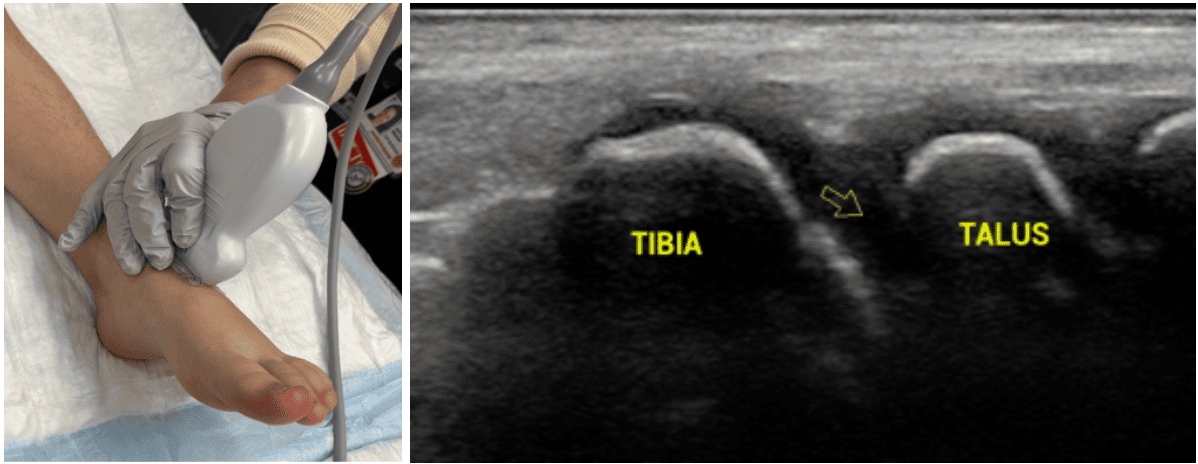
Figure 28. Ankle POCUS: Linear probe positioning to evaluate for ankle effusion (L) and normal ankle anatomy with an arrow pointing to the tibiotalar joint space (R).
- Abnormal finding: Ankle effusion
- Anechoic or hypoechoic fluid is seen in the tibiotalar joint space (Figure 29).
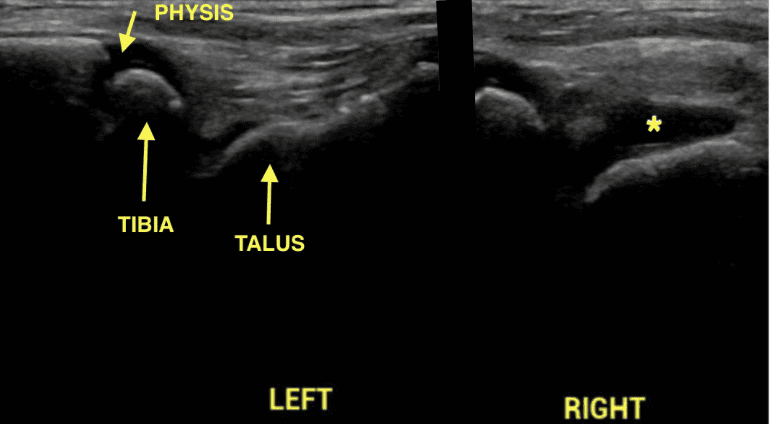
Figure 29. Ankle POCUS of bilateral ankles showing an effusion (*) in the right tibiotalar joint compared with the normal left side.
Figure 30. Longitudinal scanning of an ankle effusion.
POCUS of the upper extremity can assess for elbow and shoulder effusions. When an elbow effusion is identified after trauma, radiography is typically needed to further characterize a fracture.
1. Elbow
- Positioning and probe placement: With the child’s elbow flexed to 90 degrees, place the linear transducer over the posterior distal humerus in longitudinal and transverse views to visualize the olecranon fossa and the elbow posterior fat pad (Figure 31).
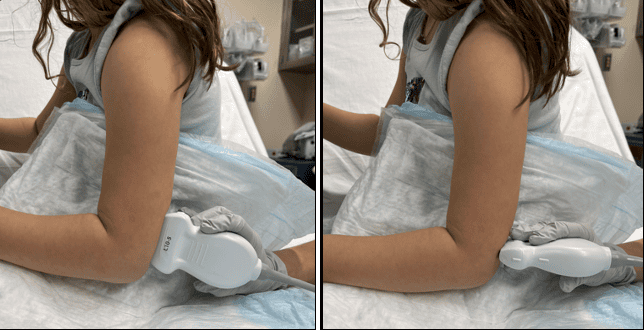
Figure 31. Linear probe positioning for performing POCUS of the elbow to evaluate the elbow posterior fat pad in longitudinal (L) and transverse (R) views.
- Normal findings
- Identify the hyperechoic cortex of the distal humerus and the olecranon fossa.
- The normal posterior fat pad (PFP) sits in the olecranon fossa below the continuation of the distal humeral line in the longitudinal view and below the line connecting both edges of the olecranon fossa in the transverse view. The triceps muscle can be seen above the elbow joint (Figure 32).
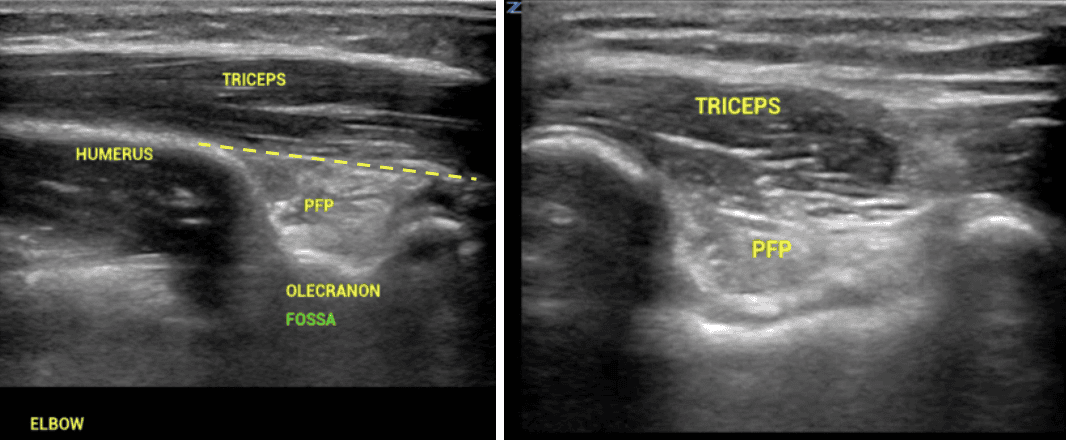
Figure 32. Elbow POCUS: Normal elbow anatomy in longitudinal (L) and transverse (R) views with the posterior fat pad (PFP) located under the distal humeral line (dotted line).
Figure 33. Scanning of a normal elbow in longitudinal (L) and transverse (R) views.
- Abnormal finding: Elbow effusion
- Elbow US has high sensitivity and moderate specificity for fracture, so a negative scan makes fracture unlikely.
- Sonographic findings: The posterior fat pad is elevated above the distal humeral line in the longitudinal view, and above the line connecting both sides of the olecranon fossa in the transverse view (Figure 34). Lipohemarthrosis, i.e., blood and lipid material in the posterior fat pad, may appear as hypoechoic areas within the elevated fat pad (Figure 36).
- Clinical significance: An elevated posterior fat pad and/or lipohemarthrosis is a marker of intracapsular elbow fracture, because the posterior fat pad sits intracapsular but extra-synovial.
- Caution: The radial neck and medial epicondyle are extracapsular, so fractures at these sites may occur without an elevated posterior fat pad.
- Application to nursemaid elbow: Annular ligament displacement (nursemaid elbow) does not usually produce a significant effusion or lipohemarthrosis. When the diagnosis is in question, a POCUS showing a normal posterior fat pad and no lipohemarthrosis may help rule out fracture and support proceeding with closed reduction.
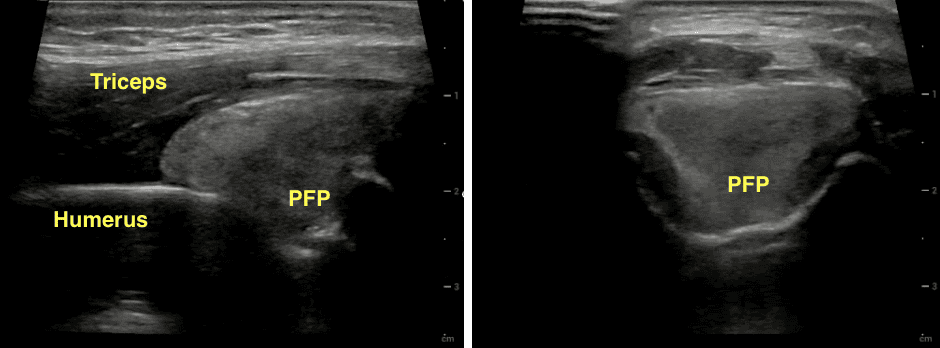
Figure 34. Elevated posterior fat pad in longitudinal view rising above the distal humeral line (L) and transverse view rising above the line connecting both edges of the olecranon fossa (R). In both views, the posterior fat pad pushes up on the triceps muscle.
Figure 35. Scanning of an elbow effusion with an elevated posterior fat pad in longitudinal (L) and transverse (R) views.
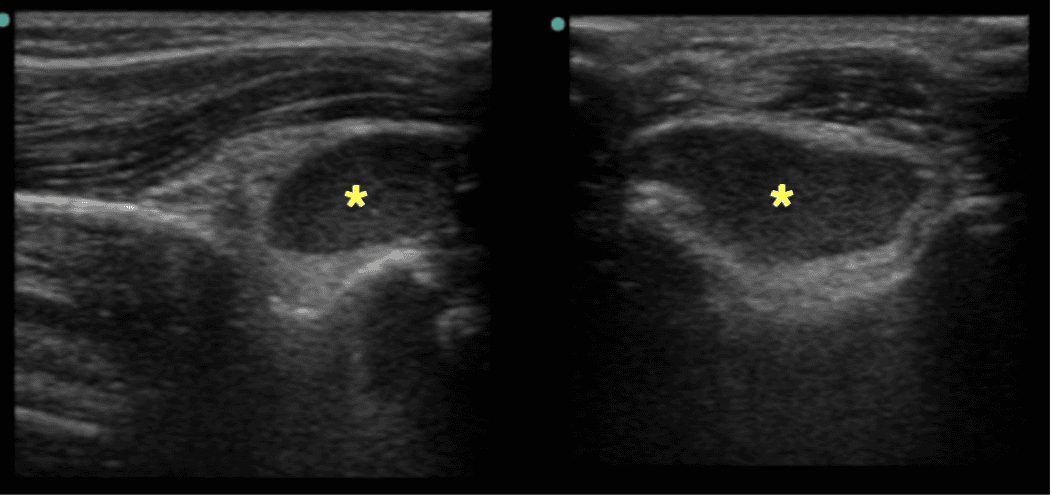
Figure 36. Elbow POCUS: Elevated posterior fat pad with lipohemarthrosis (*) in longitudinal (L) and transverse (R) views.
2. Shoulder
- Positioning and probe placement: Place the linear transducer in the transverse view over the posterior shoulder and point the probe marker laterally (Figure 37L).
- Normal findings
- Identify the hyperechoic curvilinear humeral head (+/- physis) and the hyperechoic glenoid (Figure 37R). The humeral head should be located in the glenoid fossa, with the humeral head and glenoid in the same horizontal plane.
- Abnormal finding: Shoulder effusion
- Anechoic fluid is seen around the humeral head within the glenohumeral joint (Figure 38).
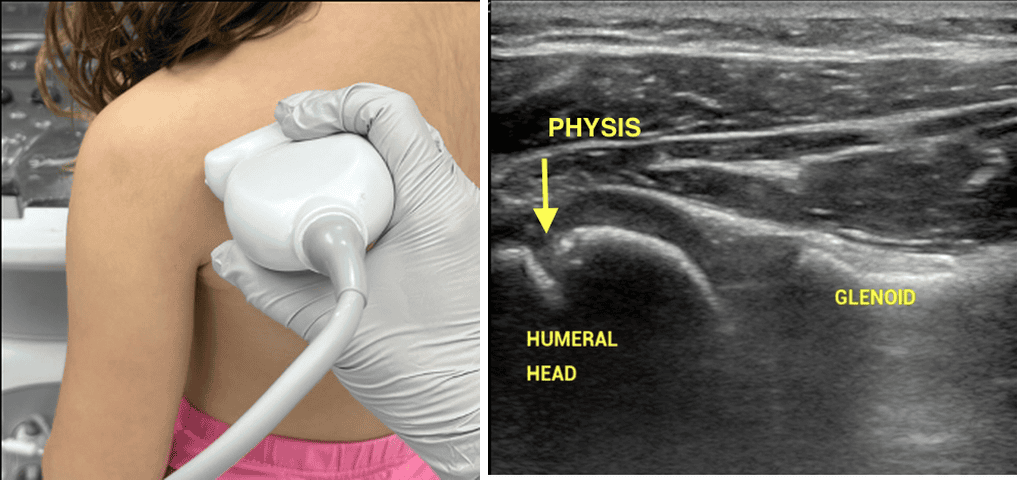
Figure 37. Shoulder POCUS: Linear probe positioning to evaluate for shoulder effusion (L) and the corresponding ultrasound view with normal shoulder anatomy (R).
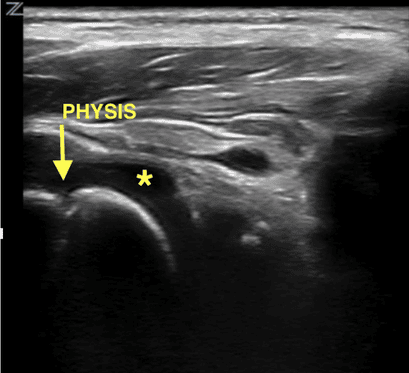
Figure 38. Shoulder POCUS: anechoic fluid (*) adjacent to the humeral head (L) and transverse scanning of the same effusion (R).
1. Shoulder Dislocation
- Evaluate the relative positions of the glenoid and humeral head.
- In a normal shoulder, the humeral head and glenoid should be in approximately the same horizontal plane (Figure 37R).
- Anterior shoulder dislocation: The humerus is farther from the transducer and thus deeper on the ultrasound screen (Figure 39).
- Posterior shoulder dislocation: The humerus is closer to the transducer and thus higher up on the ultrasound screen.
- POCUS can be used to confirm relocation of the humerus into the glenoid fossa after a shoulder reduction.
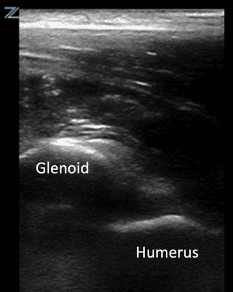
Figure 39. Transverse view of an anterior shoulder dislocation: humeral head dislocated anteriorly, or farther away from the probe (L) and corresponding transverse scanning (R).
2. Finger Dislocation
- In a finger dislocation, the bone malalignment at the interphalangeal joint can be seen (Figure 40).
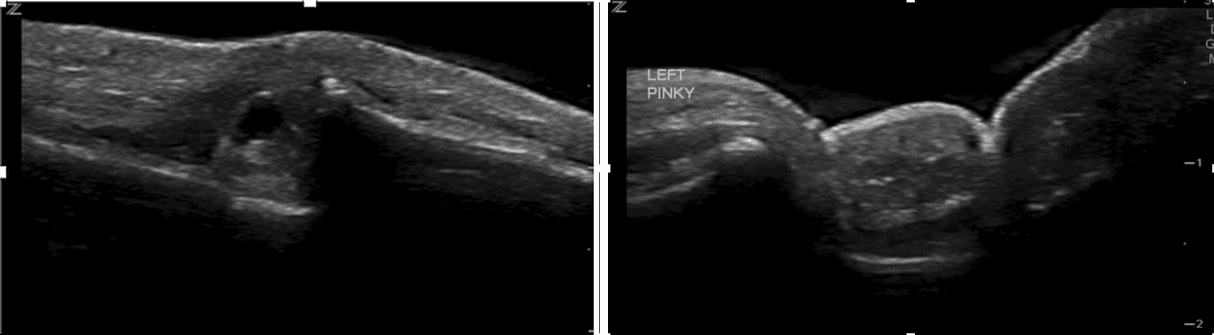
Figure 40. Finger dislocation with probe positioned dorsally (L) and ventrally (R).
Figure 41. Scanning of a finger dislocation: dorsal view (L) and ventral view (R).
- Ultrasound findings of osteomyelitis may precede X-ray findings by several days.
- Sonographic findings: Disrupted or irregular bony cortex, periosteal elevation and/or abscess, and increased vascular flow (Figure 42).
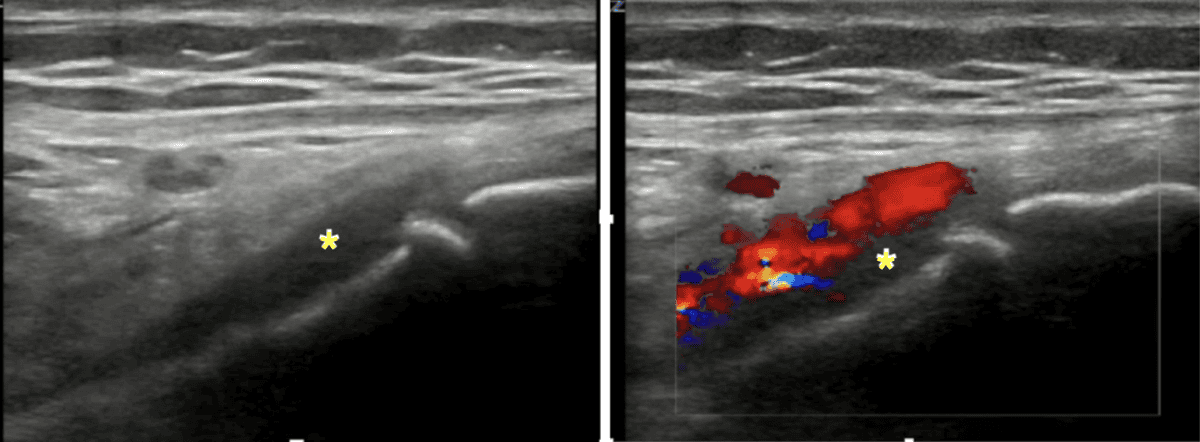
Figure 42. Osteomyelitis of the distal femur with irregular bony cortex and periosteal abscess (*) (L) and increased vascular flow adjacent to the periosteal abscess (R).
Figure 43. Scanning of a distal femur with osteomyelitis: longitudinal view (L) and transverse view (R).
Figure 44. Longitudinal scanning of a distal femur with osteomyelitis showing increased vascularity on color Doppler.
Bony pathology that may be missed
MSK POCUS is excellent for long-bone fractures but is less reliable for fractures at joints, epiphyses, and the small bones of the hands and feet, whose curved, irregular contours are more difficult to image. Non-displaced physeal fractures (Salter-Harris I) and fractures <1 mm may also be missed. POCUS generally focuses on the area of injury and does not image the entire bone, so distant pathology can be missed.
Additionally, for elbow evaluation, radial neck and medial epicondyle fractures are extra-capsular and may occur without an associated effusion. A normal posterior fat pad on POCUS does not exclude these fractures. If a patient has tenderness at the radial neck or medial epicondyle, obtain further imaging.
Underlying pathology that cannot be characterized
POCUS can identify the presence of pathology such as a joint effusion or bone infection, but it cannot determine the etiology (e.g., hemorrhagic vs. infectious vs. inflammatory effusion). Further work-up, such as labs, joint aspiration, or advanced imaging, is needed to characterize the underlying process.
Image sharing across systems
Sharing POCUS clips within or between institutions can be cumbersome. Where feasible, archiving images to the medical record helps preserve diagnostic context for the broader healthcare team.
| Study | Application | N | Sensitivity | Specificity | Comments |
|---|---|---|---|---|---|
| Morello et al, Eur J Pediatr 2024 [3] | Distal forearm fractures | 23 studies, 3,484 children | 92–100% | 85–100% | Scoping review |
| Hassankhani et al, Skeletal Radiol 2024 [4] | Clavicle fractures | 7 studies, 1,255 patients | 94% | 98% | Pediatric subset (4 studies, 863 children): Sn 96%, Sp 94% |
| Zhao et al, Medicine 2019 [5] | Hand fractures | 7 studies, 842 patients | 91% | 96% | Fracture prevalence 39% |
| Tokarski et al, J Pediatr 2018 [6] | Elbow fractures | 6 studies, 512 children | 96% | 81% | Fracture prevalence 48% |
| Gottlieb et al, Am J Emerg Med 2019 [7] | Shoulder dislocation | 7 studies, 739 patients | 99% | 99% | Dislocation prevalence 41%; associated fracture: Sn 98%, Sp 99.8% |
Table 1. Key systematic reviews and meta-analyses on musculoskeletal POCUS.
Other notable studies focusing on musculoskeletal POCUS include the following.
Pediatric Distal Forearm Fracture
The BUCKLED multicenter, noninferiority, randomized trial by Snelling et al enrolled 262 children ages 5–15 years with clinically non-angulated distal forearm injuries [8]. Children were randomized to POCUS or radiography. Those in the POCUS group with a cortical break identified also received radiography and usual care; buckle fractures were managed with a splint.
Results: At 4 weeks, physical function of the affected arm was non-inferior in the POCUS group. The POCUS group also had fewer X-rays, shorter emergency department length of stay, and higher patient satisfaction. The authors emphasized that physical function at 4 weeks is an important, real-world clinical outcome.
Joint Effusions
Adhikari and Blaivas compared POCUS with physical examination for the diagnosis of joint effusions [9]. They enrolled 54 adult patients with joint pain, erythema, and swelling.
Results: POCUS was more sensitive and accurate than physical examination. POCUS altered emergency department management in 65% of patients, either by avoiding an unnecessary joint aspiration or by identifying a clinically occult effusion.
Pediatric Hip Effusion
Jones et al conducted a multicenter prospective diagnostic study in children <18 years requiring radiology-performed hip ultrasound, comparing hip POCUS with the radiology study as the reference standard [10]. 161 children were enrolled by 18 PEM physicians, with 3 high-volume operators contributing 62% of cases.
Results: POCUS had an overall sensitivity of 94% and specificity of 98%. Among high-volume operators, sensitivity was 98% (specificity 98%); among low-volume operators, sensitivity was 83% (specificity 97%).
Case Resolution
A musculoskeletal POCUS of the left knee with a linear, high-frequency probe demonstrated a joint effusion in the suprapatellar bursa with internal septations (Figures 45 and 46).
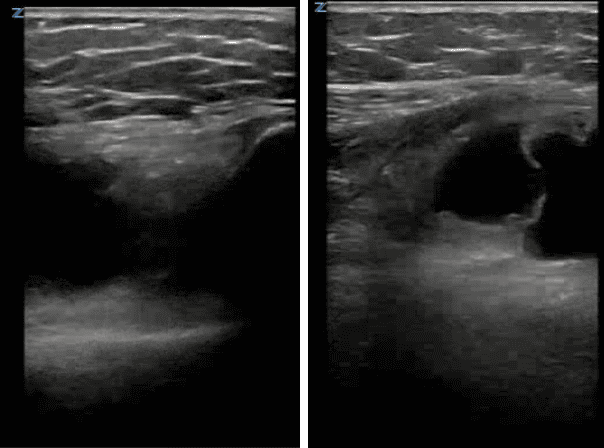
Figure 45. Left knee POCUS demonstrating a joint effusion in the suprapatellar bursa (L) and internal septations within the effusion (R).
Figure 46. Longitudinal scan of the left knee showing the joint effusion with internal septations.
Initial laboratory studies showed a white blood cell count of 10 × 109/L, ESR 69 mm/hr, and CRP 32 mg/L. Knee radiographs were negative for fracture. Orthopedics performed an arthrocentesis that yielded synovial fluid with 52,000 white blood cells/µL, raising concern for septic arthritis.
The patient was admitted, started on intravenous antibiotics, and taken to the operating room for incision, drainage, and washout. Joint fluid cultures returned negative, but Lyme serologies returned positive. She was transitioned to a 28-day course of doxycycline for Lyme arthritis.
References
- Grechenig W, Clement HG, Fellinger M, Seggl W. Scope and limitations of ultrasonography in the documentation of fractures—an experimental study. Arch Orthop Trauma Surg. 1998;117(6-7):368-371. doi:10.1007/s004020050268. PMID: 9709853
- Wilson C. Suprapatellar bursitis: causes, symptoms, treatment & recovery. Knee Pain Explained. Published June 2, 2024. Accessed May 23, 2026. https://www.knee-pain-explained.com/suprapatellar-bursitis.html
- Morello R, Mariani F, Snelling PJ, Buonsenso D. Point-of-care ultrasound for the diagnosis of distal forearm fractures in children and adolescents: a scoping review. Eur J Pediatr. 2024;184(1):19. doi:10.1007/s00431-024-05877-w. PMID: 39548004
- Hassankhani A, Amoukhteh M, Jannatdoust P, Valizadeh P, Gholamrezanezhad A. A systematic review and meta-analysis on the diagnostic utility of ultrasound for clavicle fractures. Skeletal Radiol. 2024;53(2):307-318. doi:10.1007/s00256-023-04396-3. PMID: 37433884
- Zhao W, Wang G, Chen B, et al. The value of ultrasound for detecting hand fractures: a meta-analysis. Medicine (Baltimore). 2019;98(44):e17823. doi:10.1097/MD.0000000000017823. PMID: 31689869
- Tokarski J, Avner JR, Rabiner JE. Reduction of radiography with point-of-care elbow ultrasonography for elbow trauma in children. J Pediatr. 2018;198:214-219.e2. doi:10.1016/j.jpeds.2018.02.072. PMID: 29681446
- Gottlieb M, Holladay D, Peksa GD. Point-of-care ultrasound for the diagnosis of shoulder dislocation: a systematic review and meta-analysis. Am J Emerg Med. 2019;37(4):757-761. doi:10.1016/j.ajem.2019.02.024. PMID: 30797607
- Snelling PJ, Jones P, Bade D, et al; BUCKLED Trial Group. Ultrasonography or radiography for suspected pediatric distal forearm fractures. N Engl J Med. 2023;388(22):2049-2057. doi:10.1056/NEJMoa2213883. PMID: 37256975
- Adhikari S, Blaivas M. Utility of bedside sonography to distinguish soft tissue abnormalities from joint effusions in the emergency department. J Ultrasound Med. 2010;29(4):519-526. doi:10.7863/jum.2010.29.4.519. PMID: 20375371
- Jones RM, Malia L, Snelling PJ, et al. Diagnostic accuracy of point-of-care ultrasound for hip effusion: a multicenter diagnostic study. Ann Emerg Med. 2025;86(6):566-575. doi:10.1016/j.annemergmed.2025.04.033. PMID: 40481828