ACMT Toxicology Visual Pearl: Breathtaking Emergencies

What toxic gas is created by mixing these two household products?
- Chloramine gas
- Chlorine gas
- Chloroform
- Peracetic acid
[Author’s own image]



What toxic gas is created by mixing these two household products?
[Author’s own image]
A 14-year-old Hispanic girl presents to the Emergency Department with her mother for suicidal ideation after a conflict at home. The girl is quiet and cooperative. Her mother, who speaks primarily Spanish, is trying to explain the situation. The nurse assigns an ESI level 2, the same score given to nearly every child who walks through the door with a behavioral health complaint. But does that score accurately capture this patient’s needs?
A new multicenter PECARN study published this week in JAMA Network Open takes a close look at triage accuracy for pediatric behavioral health ED visits. The findings: mistriaging errors are common, and they are not equally distributed [1].
Hoffmann et al. analyzed 78,411 ED visits by children aged 5 to 17 with behavioral health chief concerns across 15 PECARN Registry EDs from 2021 to 2023 [1]. They classified each visit as appropriately triaged, overtriaged, or undertriaged using vital signs, Glasgow Coma Scale, pain scores, emergency medication use, resource utilization, and disposition. Of the 74,564 visits with complete data:
The Emergency Severity Index (ESI) is used in over 90% of US EDs [2]. It sorts patients into 5 acuity levels. Level 1 is for patients needing lifesaving interventions. Level 2 is for high-risk situations, confused patients, or those in severe pain. Levels 3 through 5 are based on anticipated resource needs. In this study, 83.5% of all behavioral health visits were triaged as ESI level 2.
To assess triage accuracy, the authors compared each child’s assigned ESI level against what actually happened during their visit.
Overtriage means a child was assigned a higher acuity score than their clinical course supported. For a child assigned ESI level 2, overtriage was defined as meeting ALL of the following [1]:
In other words, the triage nurse predicted high acuity, but the visit didn’t bear that out.
Undertriage means the opposite: a child was assigned a lower acuity score than their clinical course warranted. For example, a child triaged as ESI level 4 (expected to need 1 resource) who ended up being admitted, needing emergency medications, or using multiple resources. The triage nurse underestimated how sick the child was or how much care they would need.
The most concerning equity finding was in undertriage.
After adjusting for clinical and visit characteristics, undertriage was significantly more likely for Hispanic children (AOR 1.46), non-Hispanic Black children (AOR 1.28), and children whose families preferred Spanish (AOR 1.31), all compared to non-Hispanic White and English-speaking patients [1]. The authors point to implicit clinician bias, systemic racism, and underutilization of professional interpreters as likely contributors.
The safety implications are real. Children whose acuity is underestimated may face longer waits, miss time-sensitive interventions, or leave the ED without being seen despite elevated risk.
More than half of all visits (57%) were overtriaged [1]. These children received a higher acuity triage score than their clinical course supported.
The strongest predictor was age. Children aged 5-9 had over 4-fold higher adjusted odds of overtriage compared to those aged 10-14 (AOR 4.43), possibly because younger children have a limited ability to communicate their symptoms and needs.
To a lesser degree, non-Hispanic Black children also had higher adjusted odds of overtriage compared to non-Hispanic White children (AOR 1.17). The authors cite research on adultification, the tendency to perceive Black youth as older or more threatening than they are, as a potential contributor. This means Black children in this study were more likely to be both undertriaged and overtriaged compared to White children. The errors are not unidirectional. They likely reflect different biases operating at different points in care.

The challenges in lactation are often compounded by outdated beliefs held by clinicians. Most of the medications we administer in the emergency department (ED) do not warrant any interruption in expression or feeding of breastmilk. Most imaging we perform in the ED is safe in the lactating patient and likewise does not need interruption. Let us convince you to trash the phrase, “Pump and Dump” in the ED.
Evidence suggests medication transfer through breast milk is frequently overestimated, with actual infant exposure typically minimal for most medications commonly prescribed in emergency settings [1]. The majority of medications administered in the ED are compatible with continued breastfeeding or pumping without interruption [2]. The practice of “pumping and dumping” is harmful to infants and lactating adults given the many benefits of lactation [3, 4]. It can cause irreparable disruptions in supply, increased parental burden and stress, and is not medically indicated except in very rare circumstances (chemotherapeutics for example) [3, 4]. When uncertainty exists regarding medication safety during lactation, clinicians should consult evidence-based resources such as LactMed or the LactRx app [iphone] to provide informed recommendations. A brief summary table is provided below for quick reference on some common medications.
| Medication Class | Safe in Lactation | Cautions in Lactation |
|---|---|---|
| Analgesia |
|
|
| Sedative Hypnotics |
|
|
| Paralytics |
|
|
| Opioid Use Disorder |
|
|
| Antibiotics |
|
|
| Anti-hypertensives |
|
|
| Antidepressants |
|
|
| Anticonvulsants |
|
|
Radiation exposure from diagnostic imaging we typically use in the ED (CT, x-ray) is minimal and there is no need to interrupt nursing/pumping [42].
Iodinated and gadolinium contrast agents are safe and do not require interruption of breastfeeding [43]. Read more in the American College of Radiology 2025 ACR Manual on Contrast Media (start at page 94).
In suspected pulmonary embolism (PE), CT pulmonary angiography (CTPA) is preferred over V/Q scan in lactating patients due to contrast safety (no breastfeeding interruption required), speed and availability, and high rates of indeterminate V/Q scans requiring subsequent CTPA [43, 44].
Exception: In the rare circumstance where contrast is contraindicated (such as anaphylaxis) and a radioactive tracer is indicated (V/Q scan with Tc-99m MAA), the radioactivity does warrant separation from both patient contact and milk for a period of time determined by the rate of decay of the specific agent [45]. Keep expressed milk stored appropriately until radioactivity has been able to decay then it’s safe to feed [46].
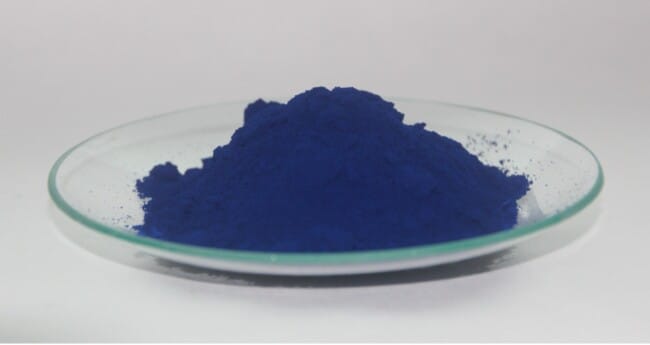
The medication shown in the image is used to treat which type of toxic exposure?
[Image from Saalebaer via Wikimedia Commons]
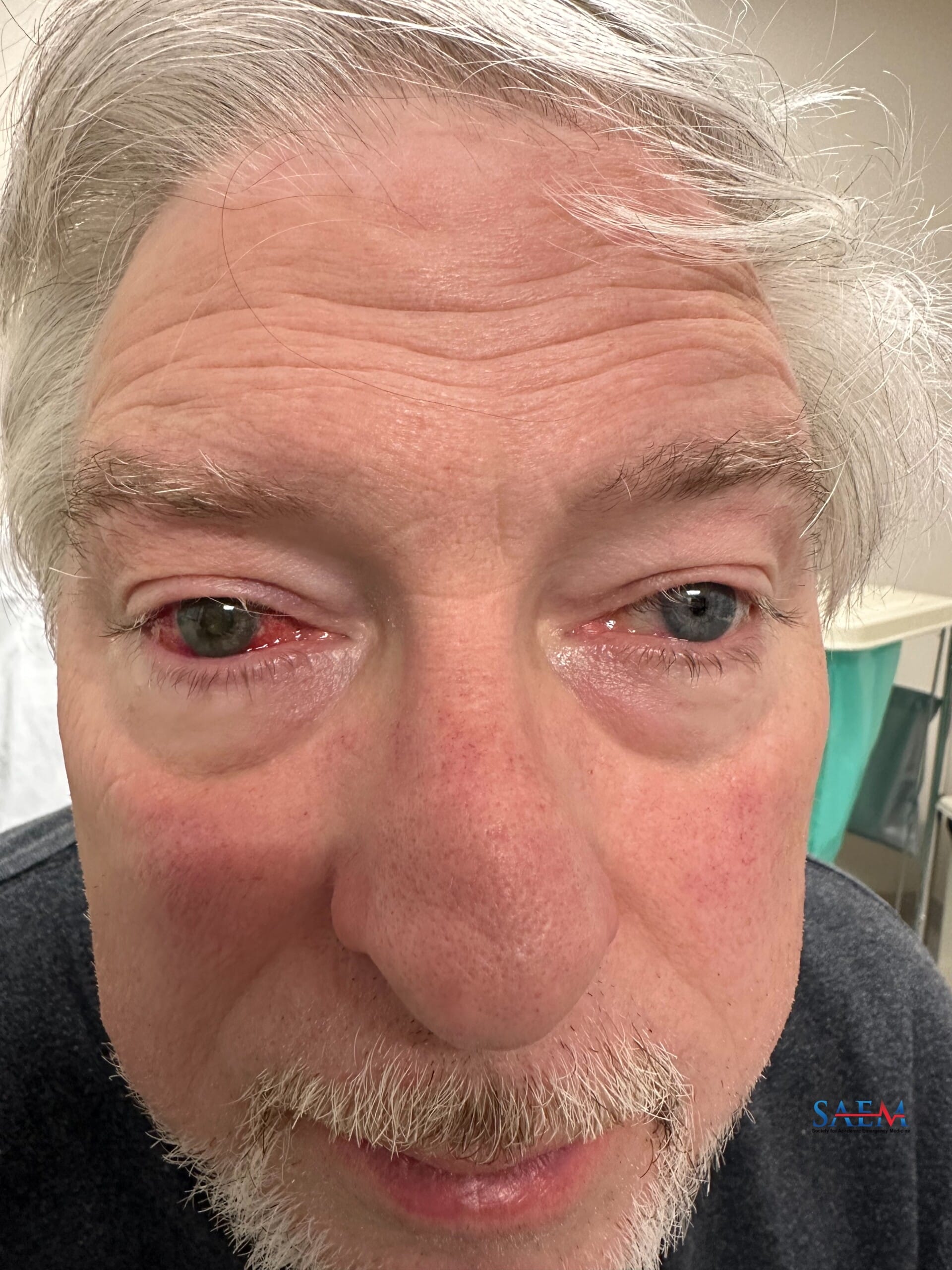
The patient is a 60-year-old male with a history of insulin-dependent diabetes, hypertension, and hyperlipidemia who presents to the Emergency Department after one day of sudden onset right eye pain associated with nausea and vomiting. He notes progressively blurring vision and vision loss in his right eye since the onset of the pain. His wife noted redness of his sclera and urged him to go the emergency department. He can now only sense light and shadows with his right eye. He denies traumatic injury or any history of serious ophthalmological pathology. He wears corrective eyeglasses and does not use contacts. He has no other complaints at this time.
Vitals: BP 149/83; HR 107; R 17; T 98.9°F; O2 sat 100 on room air.
General: Appears to be in pain and uncomfortable.
HEENT: As shown. Extraocular movements are intact. The right pupil is fixed and dilated with a relative afferent pupillary defect. There is no sign of traumatic injury.
Neck: There are no carotid bruits auscultated.
Cardiovascular: Regular rate and rhythm, no murmur.
Neurologic: Normal other than the abnormal findings of the right eye.
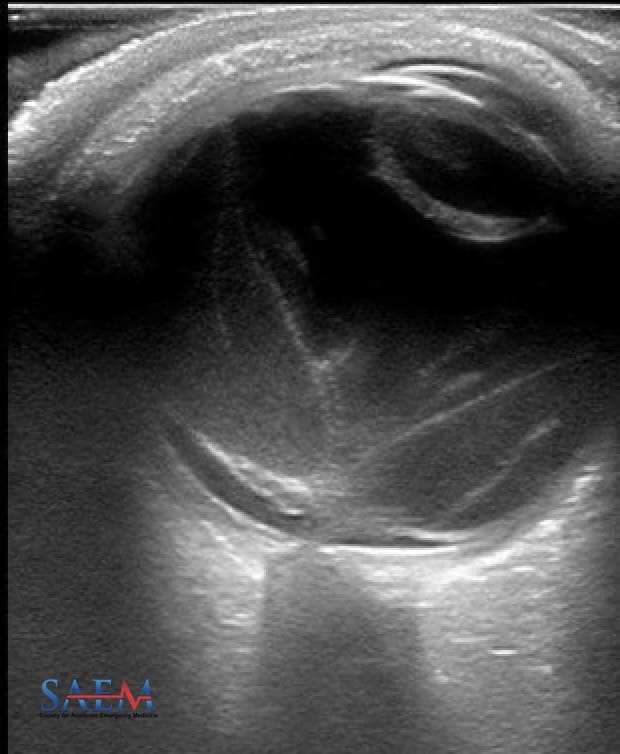
Imaging: POCUS of the right eye is performed, image as shown.
Acute angle-closure glaucoma.
Ultrasound shows retinal detachment with subretinal hemorrhage and associated choroidal detachment.
Acute angle-closure glaucoma occurs due to a rapid increase in intraocular pressure (IOP) due to outflow obstruction of the aqueous humor. Patients with a shallower angle between the iris and the cornea in the anterior chamber are predisposed to this condition. This is characterized clinically by severe eye pain, headache, nausea, vomiting, blurred vision, and multicolored halos around lights. If left untreated, this can result in optic neuropathy and vision loss. The diagnosis of acute angle-closure glaucoma is confirmed with elevated intraocular pressure (IOP) measurements obtained via tonometry. Normal IOPs are between 10 and 21 mmHg. The pressure in this patient’s right eye was 47 mmHg. Slit-lamp microscope exam showed a shallow anterior chamber, corneal edema, fixed dilated pupil, and conjunctival injection around the limbus (ciliary flush). Uncommonly, retinal and choroidal detachment may cause secondary acute angle-closure glaucoma, as seen in this case. Treatment includes medical and surgical interventions to reduce IOP, address underlying causes, and manage associated pain and nausea.
Retinal detachments are seen as a “V”-shaped hyperechoic and freely moving membrane tethered to the optic disc on ultrasound.
Acute angle-closure glaucoma is an ocular emergency. Delays in treatment can result in optic neuropathy and permanent vision loss.

One of the classic scenarios encountered in the emergency department involves an elderly patient with medium to long hair who sustains a scalp laceration after a ground-level fall. They often arrive hemodynamically stable and without bony crepitus, yet the wound itself is challenging to evaluate. During transport, clotted blood frequently becomes entangled in their hair, forming a dense mat that obscures the laceration. The care team—technicians, nurses, residents, and physicians alike—may spend several minutes painstakingly separating hair and pressing on a tender scalp in an effort to expose the wound. This process is uncomfortable for the patient, time-consuming for staff, and often leaves behind residual clot. In many cases, the fallback option is to shave the matted area, which achieves exposure but results in a visible cosmetic defect.
Applying sterile lubricating gel as a pre-irrigation adjunct [1]. It softens the clot, separates matted hair, and makes the whole process faster and gentler.
When a scalp laceration is obscured by clotted blood and tangled hair:
In our experience with over a dozen cases at a tertiary emergency department, we found that this technique improved visualization, reduced discomfort, and required less follow-up irrigation overall—without any reported complications.
This gel trick is an adjunct, not a replacement, for wound irrigation and mechanical debridement. Avoid using this as the sole cleaning step in contaminated wounds.
Sterile lubricating gel can simplify scalp laceration prep by loosening clot and separating hair before irrigation. It is safe, inexpensive, and already available in most EDs.
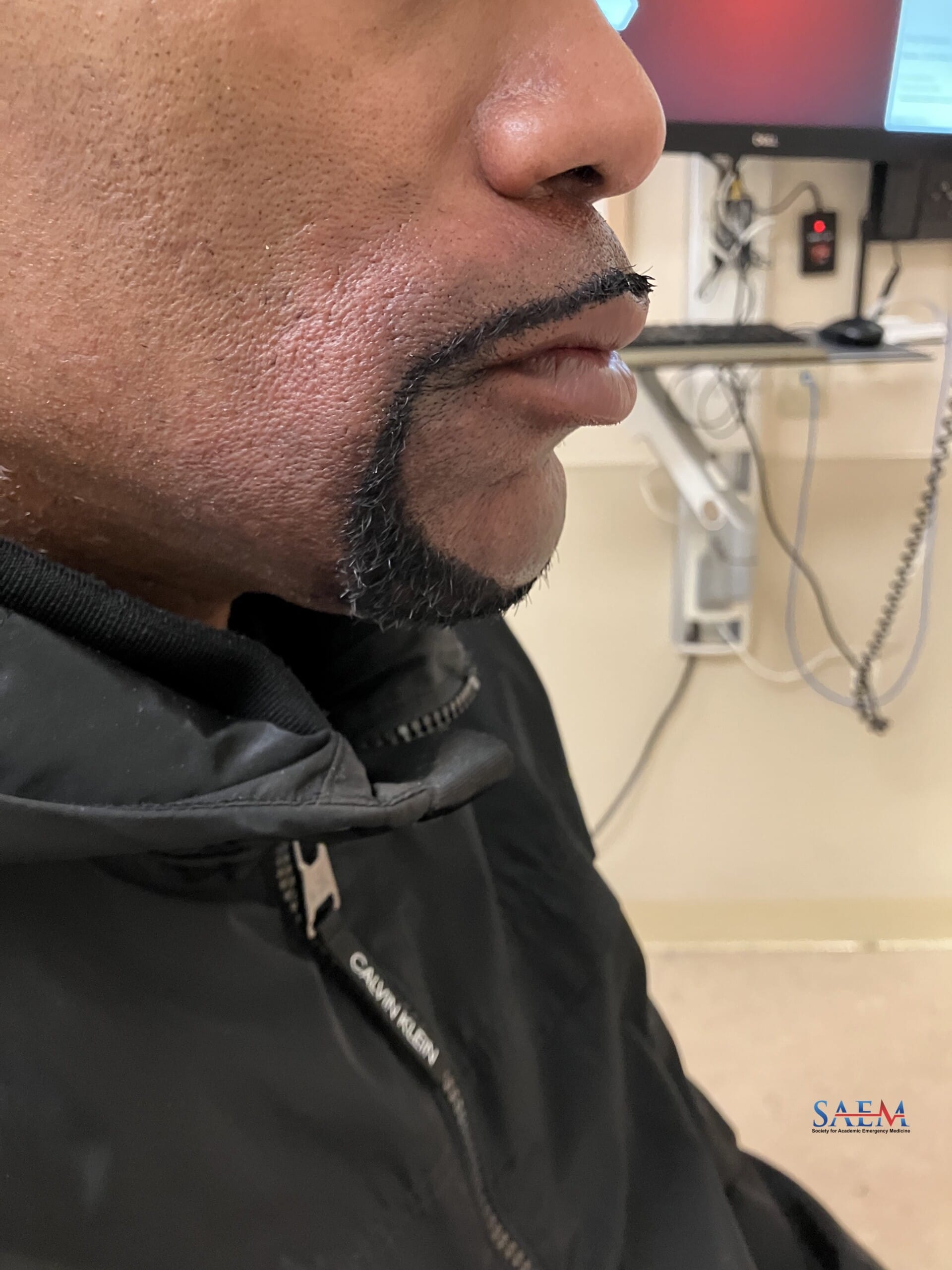
The patient is a 40-year-old male with no significant past medical history who presents to the Emergency Department with perioral rash and swelling. He had been in his normal state of health the day before and woke up in the morning with an itchy rash around his mouth. He denies lip, tongue, or intraoral swelling, throat itching or sensation of throat swelling, trouble swallowing, or swelling or itching of any other part of his face. The rash has not changed locations nor has it spread beyond the perioral area. He noted a similar episode once or twice before in his life, which had improved with taking diphenhydramine. He denies the presence of a rash or itching on any other part of his body, wheezing, shortness of breath, GI symptoms, or dizziness. He denies any exposure to new foods or medications, and he has not been exposed to ACE inhibitors nor ARBs. He has no other complaints at this time.
Vitals: BP 141/97; HR 88; R 19; T 98.2°F; O2 sat 98% on room air.
General: Awake and alert, no distress, speaking in a clear voice.
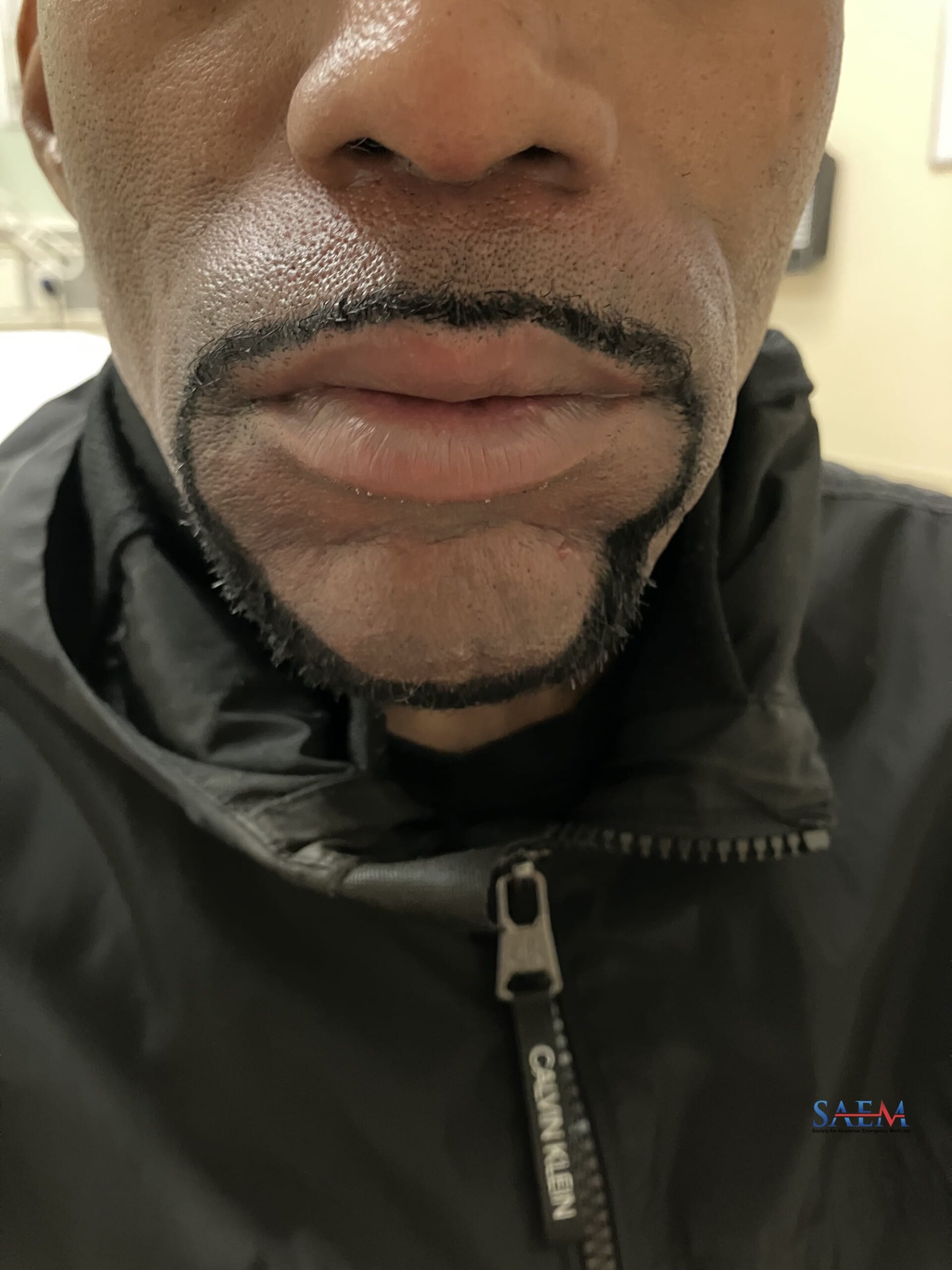
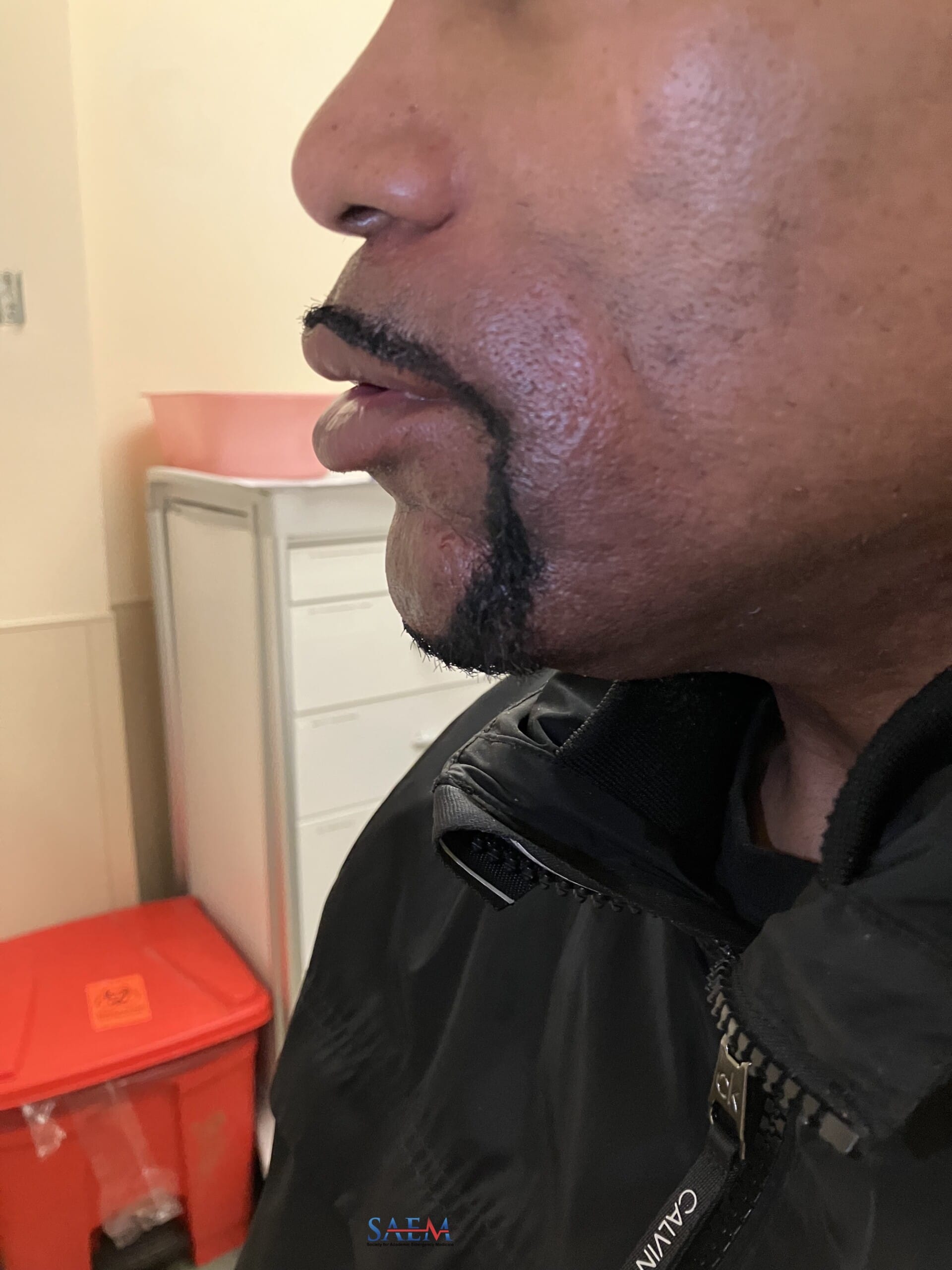
HEENT: As shown in the images provided. There is no oropharyngeal swelling. There is no stridor.
Respiratory: Clear to auscultation, no wheezes.
Skin: There is no rash or swelling elsewhere on the patient’s body.
Non-contributory
The patient has been dyeing his facial hair.
Para-phenylenediamine.
Upon further questioning, the patient admitted to applying an “instant hair dye shampoo” to his facial hair the day before presentation. Review of the product ingredients revealed para-phenylenediamine. He later recalled that his previous episodes of peri-oral swelling had occurred after exposure to the same product. Para-phenylenediamine can be found in commercial black and dark brown hair dyes, as well as in henna tattoos. Reactions can range from local erythema and contact dermatitis to bullous dermatitis and significant edema in severely affected patients. Symptoms may appear similar to angioedema and may only be distinguished after careful history identifies hair dye or henna exposure. Initial management is to remove the offending dye or henna with thorough washing. Topical steroids or a short course of oral steroids can be used for severe symptoms. Prevention of exposures in sensitized individuals remains the most important tenet of care. Hair dyes recommend consumers test the dye on a small patch of skin prior to using it, which has been proven to help identify those who will develop a reaction.
Para-phenylenediamine is a compound found in henna and hair dye that is commonly responsible for adverse skin reactions, but may be under recognized when used for facial hair.
Allergic contact dermatitis from this compound may show a range of clinical skin findings and sometimes may mimic angioedema.