



Is the Patient Sober? Clinical Sobriety versus Blood Alcohol Concentration
There is significant practice variability when providers are asked to determine if a patient is intoxicated. Some providers will evaluate a patient to determine if a patient is “clinically sober”, while other providers will rely on a patient’s blood alcohol concentration (BAC) to evaluate a patient’s level of intoxication. There is very little data to suggest that either approach is superior; however, both practice patterns have significant limitations and carry a certain degree of medicolegal risk. [+]
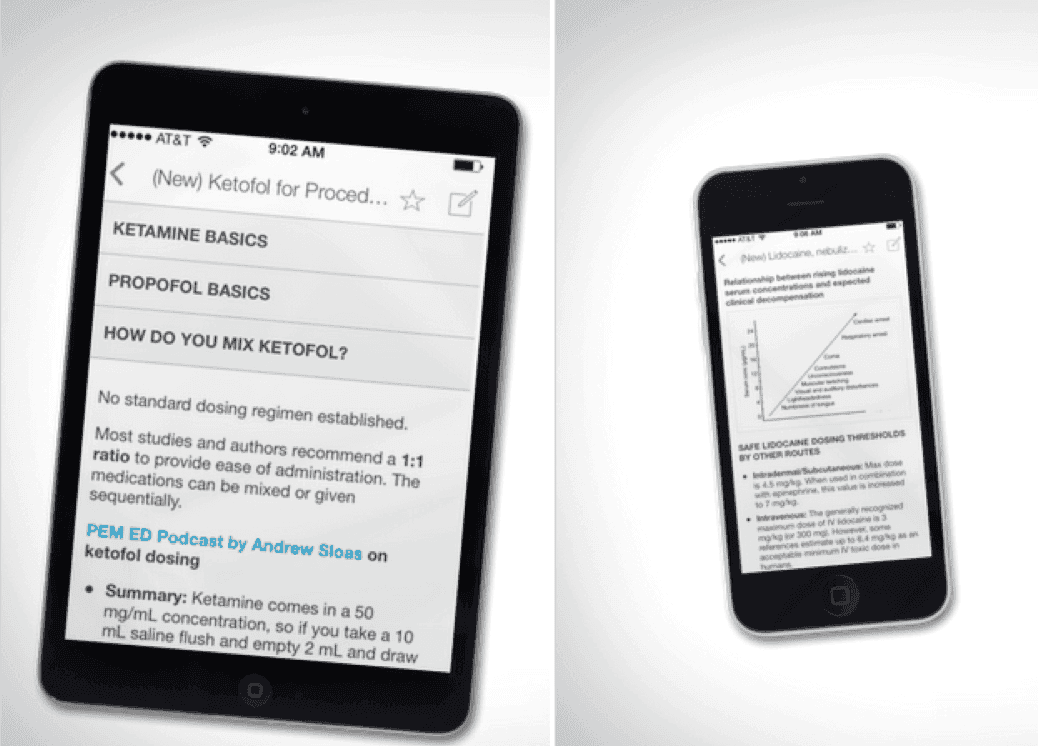
Did you know that there are new Tox/Meds PV Cards?
Don’t know when to use ketofol for procedure sedation or if you can rapidly load phenytoin? See the new PV-Plus Cards on AgileMD for free on any smartphone/tablet/desktop. Other topics include: Thrombolytics for submassive PE Vasopressor agents for the hypotensive patients Tramadol t-PA for codes Searchable Emergency Drug Card with dosages for Adults and Pediatrics UPDATE Jan 1, 2018: The PV Cards are no longer on AgileMD.

Uncomplicated Urinary Tract Infection in Older Adults: Diagnosis and Treatment (Part 1)
It seems like a simple enough question: How do you diagnose and treat uncomplicated UTIs in older adults? The answer is: It depends. Part 1 of this post will discuss diagnosis of UTIs in this population, and part 2 will address treatment. [+]

Amylase Level for Pancreatitis: Stop doing it
A patient actively vomiting is wheeled into your ED. Within minutes IV access is obtained, and your nurse asks what tests and medicines are wanted. A liter of normal saline, ondansetron, and an H2 blocker are easy, but what labs to order? I think we can all agree on a metabolic profile to look at electrolytes and liver function tests, and a lipase level to assess for pancreatitis. But what about an amylase level? Originally from Clinical Monster blog [+]

New Cardiology PV Cards available on your phone and tablets!
After getting many requests for more PV cards, we are excited to launch 13 new topics located in the Cardiovascular folder of the Emergency Medicine: PV Cards collection on AgileMD. These new cards were made based off of blog posts from ALiEM’s authors. [+]
Blood Cultures in Pneumonia
A 75 year old woman is found to have pneumonia. With a CURB-65 of 3 and a PORT score of 95, she is correctly treated her for community acquired pneumonia with Ceftriaxone and Azithromycin, and admitted. Unfortunately, the admitting service points out that no blood cultures were drawn! What is the evidence for this? Originally from Clinical Monster blog [+]
Cyclobenzaprine vs TCA Toxicity
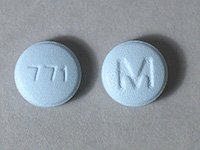
Should we treat a cyclobenzaprine (Flexeril) overdose similar to a tricyclic antidepressant (TCA) overdose? With the only difference between the commonly prescribed muscle relaxant, cyclobenzaprine, and the TCA amitriptyline consisting of a single double bond, should the emergency provider be concerned for life threatening arrhythmias in cyclobenzaprine overdose? [+]

When the PERC Rule Fails
Kline et al developed a clinical decision tool based on parameters that could be obtained from a brief initial assessment to reasonably exclude the diagnosis of pulmonary embolism (PE) without the use of D-dimer in order to prevent unnecessary cost and the use of medical resources. 1 Many of us have used the Pulmonary Embolism Rule-out Criteria (PERC) rule by now, but we should be clear on what it includes. Are we using it appropriately? [+]
AMA: 2 high risk myths and misconceptions
Patients who leave the emergency department against medical advice (AMA) are at an increased risk of having a bad medical outcome, and can be a source of significant medicolegal risk to providers. Earlier we reviewed eight elements to address when signing a patient out AMA. There are two common myths regarding patients who leave AMA that can complicate an already difficult situation. [+]

BISAP, EHMRG, ORT: 3 New Medical Scores You’ve Never Heard Of
Let’s face it. You’ve heard about the A-a gradient. And free water deficit. And even the APACHE-II score. But how useful are these in your daily practice? You don’t care that much if a patient has shunt physiology in the first case, nor exactly how much free water they’re lacking in the second. And in the third case, your clinical acumen is probably pretty good at predicting a sick patient’s mortality already. But what about the new medical scores of BISAP, EHMRG, and ORT? [+]

Director of Growth, Strategic Alliance Initiative, Center for Innovation and Digital Health
Massachusetts General Hospital;
Chief Scientific Officer, Conductscience.com
Latest posts by Shuhan He, MD (see all)
- The Discharge Severity Index: Early Research on ED Readmission Risk Assessment - August 14, 2025
- Suboxone and the Emergency Physician: Get Waivered Training - August 12, 2022
- A Tale of Two Epidemics: COVID-19 and the Opioid Crisis - April 23, 2020