



Atypical Antipsychotic Medication Re-initiation in the ED
The acute episode of intoxication and agitation has subsided and your patient is calm. She has been medically cleared and is ready to be moved to a less acute, less monitored portion of the ED to await further assessment and treatment for her underlying psychiatric conditions. As a well-intentioned emergency medicine practitioner, you wish to give your patient the tools she needs to maintain this calm status by restarting her home atypical antipsychotic medication. What is the best way to go about doing this? While the atypical antipsychotics have generally been considered safer than the first generation agents due [+]

Trick of the Trade: Making your own homemade ultrasound gel
You are spending a month in rural Kenya, doing an ultrasound teaching course. Your enthusiastic participants have been ultrasounding every chance they get. Unfortunately, this has caused your ultrasound gel supplies to dwindle. It will be a month before a new shipment of gel arrives from Nairobi. This gel will cost about $5 per bottle, which is a considerable expense for the local hospital’s budget. [+]
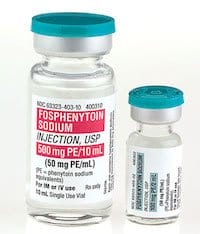
Understanding Phenytoin Equivalents
Sometimes, in an effort to make things simpler, we actually make them more confusing. Such is the case with phenytoin equivalents. Fosphenytoin is a water-soluble prodrug of phenytoin. After IV administration, much of the fosphenytoin is metabolized to phenytoin within 15 minutes. Advantages over phenytoin include the option for IM administration and less cardiotoxicity allowing for faster infusion rates. Even the potential for hyperphosphatemia from the release of phosphate is generally inconsequential. [+]

Neuraminidase Inhibitors for Influenza – The Truth, The Whole Truth, and Nothing But the Truth Finally
Over the last 5 years, the use of neuraminidase inhibitors for the treatment of influenza has skyrocketed. Emergency physicians have been pushed to prescribe these medications under the belief that they reduced symptoms, the risk of complications, hospitalizations, and transmission. However, the recommendation for the use of these drugs has never sat on firm evidence-based ground. So what did we know then, and what do we know now? [+]

PEITHO Trial: Fibrinolysis for Intermediate-Risk Pulmonary Embolism
Most of us would agree that massive PE is treated with fibrinolysis and non-massive PE is treated with anticoagulation. The area of great debate has been the optimal treatment for sub-massive PE. The MOPETT Trial was published in January 2013 and although the patient population was small, it did show a huge benefit in pulmonary pressures at 28 months with fibrinolysis. The next study we have all been waiting for is the Pulmonary Embolism Thrombolysis (PEITHO) trial, which was just published yesterday in the NEJM, evaluating fibrinolysis for patients with intermediate-risk PE. [+]
Top 10 reasons NOT to order a CT scan for suspected renal colic
It appears that the excitement and utilization of computed tomography (CT) imaging in the emergency department (ED) has far outpaced our concern for the short- and long-term consequences of increased reliance on this technology. CT has greatly supplemented, or even replaced, our clinical decision making for many chief complaints. Many articles document the dramatic increased CT use in contemporary practice, including a 330% increase in the rate of CT imaging from 1996 to 2007. The likelihood of a CT order being part of any ED encounter now approaches 15%, with no signs of decline.1 [+]

Article: Hypotonic maintenance IV fluids in pediatrics
A 6-month-old male presents to the emergency department with diarrhea and vomiting. Despite antiemetic therapy, the the child is unable to tolerate oral intake in the ED and so you opt to admit him to the hospital for IV fluids. The pediatric hospitalist requests that you write maintenance fluids prior to admission to the floor. Utilizing the 4-2-1 rule you calculate maintenance needs and choose D5 ½NS as your fluid. This is what you had been taught to utilize in children. It seems appropriate… but is it? [+]

Beware of fluoroquinolones: You, your patient, and the FDA
Fluoroquinolones are a widely used class of antibiotic that are effective in treating a wide variety of infections. Despite their popularity there is increasing concern regarding to the potential complications associated with these agents. In 2008, the U.S. Food and Drug Administration (FDA) issued a black box warning involving fluoroquinolone use and an increased risk of tendon rupture. More recently in 2013 the FDA released another warning regarding the risk of peripheral neuropathy and required additional warnings to be added to the drug labels [1]. [+]

High Sensitivity Troponin T and Acute Myocardial Infarction: One and Done?
There has been a lot of publicity about evaluation of chest pain patients in the emergency department (ED) with high sensitivity troponin testing. In the past with older troponin assays, clinicians would evaluate patients, get an ECG, and an initial set of cardiac biomarkers. The subsequent set of biomarkers would be performed at 6-8 hours later before determination of disposition. In the past few years, several studies have been published evaluating point of care troponins, sensitive troponins, and high sensitivity troponins which have changed our practice and evaluation of these patients. An early version of a study was recently released [+]

Uncomplicated Urinary Tract Infections in Older Adults: Diagnosis and Treatment (Part 2)
It seems like a simple enough question: How do you diagnose and treat uncomplicated urinary tract infections (UTIs) in older adults? The answer is: It depends. In Part 1 of this post we discussed the diagnosis of UTIs in cognitively intact older adults and those with underlying cognitive impairment. This post will discuss treatment options. UTIs are the most common bacterial infection diagnosed in older adults (age 65 and over).1 They are the most common reason for antibiotic use and account for 5% of ED visits in this population.2 Remember from part 1 that asymptomatic bacteriuria is very common in older adults, and does [+]

Director of Growth, Strategic Alliance Initiative, Center for Innovation and Digital Health
Massachusetts General Hospital;
Chief Scientific Officer, Conductscience.com
Latest posts by Shuhan He, MD (see all)
- The Discharge Severity Index: Early Research on ED Readmission Risk Assessment - August 14, 2025
- Suboxone and the Emergency Physician: Get Waivered Training - August 12, 2022
- A Tale of Two Epidemics: COVID-19 and the Opioid Crisis - April 23, 2020