


IDEA Series: Toxicology Virtual Escape Room during COVID-19
In order to enhance emergency medicine (EM) residents’ knowledge of toxicology core content, we previously created an immersive escape room experience complete with team-based puzzle solving in a geographical maze to find an antidote. The subsequent COVID-19 pandemic and physical distancing guidelines resulted in canceled in-person EM conferences, thereby requiring a rapid adaptation to virtual formats [1-4]. Our toxicology division sought a novel method of engaging learners with toxicology core content remotely. [+]

ACMT Toxicology Visual Pearls: Caterpillar Envenomation
What is the correct management of dermatitis after handling the creature pictured? Hot water immersion Intramuscular epinephrine Topical application of liquid antacid Transparent tape application and removal over the area of dermatitis [+]

Nicholas Titelbaum, MD
University of Central Florida in Ocala, FL
Latest [+]

Little Big Med Podcast: Gender Equity in Medicine
It’s time to talk about gender equity in medicine. Significant gender disparities exist in both healthcare institutions and professional societies. These disparities persist even in fields that are predominantly female, such as pediatrics. In fact, although women comprise 72.3% of active pediatricians, only 27.5% of pediatric department chairs across US medical schools are women. Why does this disparity exist? What can we do to address it? In this episode of the Little Big Med podcast, host Dr. Jason Woods discusses these questions with Dr. Nancy Spector, Professor of Pediatrics at Drexel University College of Medicine and Executive Director of the [+]
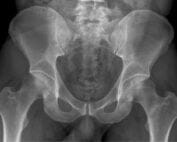
SplintER: Persistent Left Groin Pain
A 24-year-old male presents with progressively worsening left groin pain for six weeks after he began training for a marathon. He states he had x-rays done by his PCP that were negative four weeks ago and was diagnosed with a groin strain. X-rays were obtained and featured to the right. [+]

Aimee Monahan, DO
Department of Family [+]
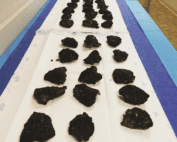
IDEA Series: Homemade Escharotomy Kit
Although escharotomy is rarely performed by emergency physicians during the initial management of burns, it is a life and limb-sparing skill important to know as a trainee and provider in emergency medicine [1,2]. There are few models made to accommodate procedural training, and the ones available are often cost-prohibitive. It is critical to have a method for learning and practicing this important procedure [3,4]. [+]

IDEA Series: An asynchronous EMS curriculum implemented during COVID-19
The novel coronavirus pandemic (COVID-19) resulted in the cancellation of educational experiences for emergency medicine (EM) residents at many institutions, including emergency medical services (EMS) ambulance ride alongs. The Accreditation for the Council of Graduate Medical Education (ACGME) requires that residents have educational experiences related to EMS, emergency preparedness, and disaster medicine. EMS experiences must include ground unit runs, direct medical oversight, and participation in multi-casualty incident drills [1]. There are few dedicated EMS curricula published in the literature, and those in existence incorporate physical ride-alongs [2]. [+]
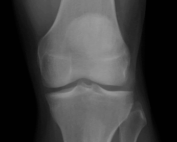
EMRad: Radiologic Approach to the Traumatic Knee
Radiology teaching during medical school is variable, ranging from informal teaching to required clerkships [1]. Many of us likely received an approach to a chest x-ray, but approaches to other studies may or may not have not been taught. We can do better! Enter EM:Rad, a series aimed at providing “just in time” approaches to commonly ordered radiology studies in the emergency department. When applicable, it will provide pertinent measurements specific to management, and offer a framework for when to get an additional view, if appropriate. We recently covered the elbow, wrist, shoulder, ankle, and foot. Next up: the knee. [+]
EMRad: Can’t Miss Adult Knee Injuries
Figure 1: Normal AP knee x-ray. Case courtesy of Dr Andrew Dixon, Radiopaedia.org, annotations by Stephen Villa MD. Have you ever been working a shift at 3am and wondered, “Am I missing something? I’ll just splint and instruct the patient to follow up with their PCP in 1 week.” This is a reasonable approach, especially if you’re concerned there could be a fracture. But we can do better. Enter the “Can’t Miss” series: a series organized by body part that will help identify injuries that ideally should not be missed. This list is [+]
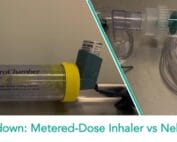
PEM Pearls: Metered-Dose Inhaler versus Nebulizer
An 8-year-old is brought in by her parents with shortness of breath and wheezing. She’s been receiving her “rescue inhaler” at home and continues to have symptoms. You examine her and find that she has normal oxygen saturation, mild tachypnea and retractions, and diffuse wheezes. You think that she’s experiencing an acute asthma exacerbation. Given the current pandemic, and a recent report that administering nebulizer treatments to COVID-19 positive patients was correlated with transmission of COVID-19 to healthcare workers [1], what is the best way to treat the patient? [+]
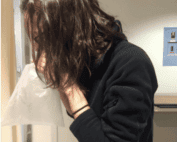
ACMT Toxicology Visual Pearls: I’ll Huff and I’ll Puff…
The abuse of which common office supply substance can result in syncope and the EKG findings shown? Dust Off (difluoroethane) Elmer’s glue (polyvinyl acetate) Hand sanitizer (ethyl alcohol) Rubber cement (heptane, isopropyl alcohol) [+]

Kathryn T. Kopec, DO
Carolinas Medical Center, [+]

Director of Growth, Strategic Alliance Initiative, Center for Innovation and Digital Health
Massachusetts General Hospital;
Chief Scientific Officer, Conductscience.com
Latest posts by Shuhan He, MD (see all)
- The Discharge Severity Index: Early Research on ED Readmission Risk Assessment - August 14, 2025
- Suboxone and the Emergency Physician: Get Waivered Training - August 12, 2022
- A Tale of Two Epidemics: COVID-19 and the Opioid Crisis - April 23, 2020