


AIR-Pro: Toxicology (Part 1)
Welcome to the Toxicology (Part 1) AIR-Pro Module. Below we have listed our selection of the 10 highest quality blog posts related to 5 advanced level questions on toxicology topics posed, curated, and approved for residency training by the AIR-Pro Series Board. The blogs relate to the following questions: Flumazenil in benzodiazepine overdose Acetaminophen – drawing and timing of levels Opioid overdoses Acetaminophen toxicity related to liver transplant Salicylates and hemodialysis In this module, we have 6 AIR-Pro’s and 4 Honorable Mentions. To strive for comprehensiveness, we selected from a broad spectrum of blogs identified through FOAMSearch.net and FOAMSearcher.We have a brand new chief resident team and want to thank the [+]

I am Dr. Richard Bounds, Associate Program Director: How I Stay Healthy in EM
Dr. Richard Bounds is an emergency physician from Newark, Delaware. His habits and beliefs definitely resonate with the philosophy of maintaining every day wellness. Despite being the Associate Program Director, Dr. Bounds uses the strategy of prioritizing to still make time for himself and his family. Here’s how he stays healthy in EM! [+]

Ultrasound for the Win! Emergency Medicine Cases: Volume 1 Book
The Ultrasound for the Win! book, available now on Amazon and coming soon to the Apple iBooks Store, is a compilation of real ultrasound cases that have been featured on the blog’s Ultrasound for the Win! Series. [+]

PEM Pearls: Perfecting your pediatric lumbar puncture using ultrasound
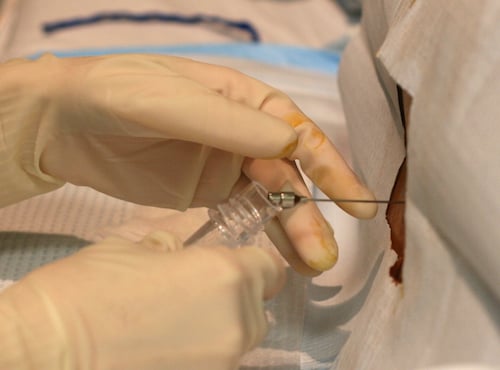
A lumbar puncture (LP) is a common procedure that every emergency physician must master. Pediatric LPs can be challenging for even the most experienced clinician due to small anatomy, difficulty with patient cooperation, and lack of frequency performed. A successful procedure is defined by obtaining cerebrospinal fluid and/or performing a non-traumatic lumbar puncture. There are multiple variables that lead to a successful pediatric lumbar puncture including provider experience, use of anesthesia, and patient positioning. Success rates for pediatric lumbar punctures are variable, with a large range from 34%-75%.1 [+]
10 Tips to Become a Successful Interviewer: Do’s and Don’ts
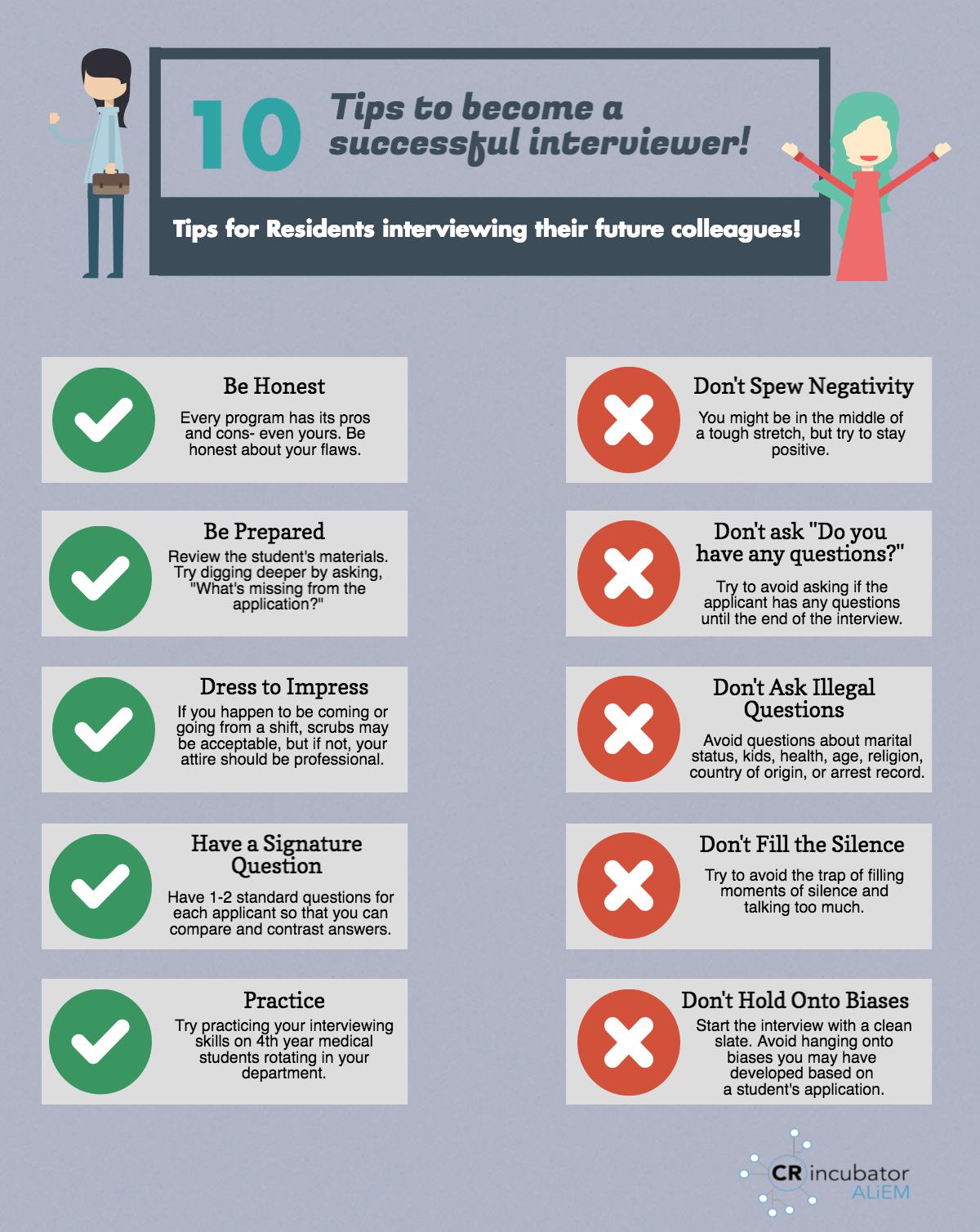
As fall approaches, senior medical students and Emergency Medicine (EM) residency programs alike are beginning to prepare for the upcoming interview season. As part of the process, many programs have current residents interview potential candidates – their future colleagues! For most residents, though they have often been the interviewee, this is the first time they have filled the role of the interviewer. Among all the busy shifts and learning everything you need to know to be an amazing EM physician, there is little time for practice or formal training. To help, we have compiled our top “10 Tips to Become [+]
AIR Series: Procedures Module (2016)
Welcome to the Procedures Module! After carefully reviewing all relevant posts from the top 50 sites of the Social Media Index the ALiEM AIR Team is proud to present the highest quality procedure content. Below we have listed our selection of the 13 highest quality blog posts within the past 12 months (as of June 2016) related to procedure emergencies, curated and approved for residency training by the AIR Series Board. More specifically in this module, we identified 3 AIRs and 10 Honorable Mentions. We recommend programs give 4 hours (about 20 minutes per article) of III credit for this module. [+]
IDEA Series: An Asynchronous Curriculum for the Resident as Teacher
The Problem While residents may accumulate teaching tips and techniques during the course of their training by observing their mentors at work, learning how to educate while balancing the needs of a busy emergency department (ED) is a difficult skill to acquire. Unfortunately, excellent clinical skills do not always equate to effective teaching skills. With training, however, even the initially reluctant teacher can begin to effectively engage learners in the ED. An elective aimed toward developing the resident as a teacher allows residents to acquire and practice skills that will be particularly helpful for those that ultimately take on academic roles with teaching requirements. As dedicated faculty time [+]

EM Match Advice: Is Emergency Medicine right for you?
In this tenth installment of the EM Match Advice series, we go back to the beginning. As a medical student, how does one know if emergency medicine is the right career choice? Is it all guts, glory, and excitement? Are ONLY working 28 hours per week? Listen to this fascinating discussion with our panelists, facilitated by Dr. Michael Gisondi (EM Program Director at Northwestern). The panelists include Dr. Michele Dorfsman (PD at University of Pittsburg), Dr. Brian Levine (PD at Christiana Care), Dr. Larissa Velez (PD at UT Southwestern), and Dr. Michelle Lin (ALiEM/UCSF). Podcast Questions that we tackle include: Why did YOU decide [+]
ED Charting and Coding: History of Present Illness & Past Medical, Family, Social History
Editor's Note (Jan 13, 2023): The new AMA CPT 2023 Documentation Guidelines have been published and the prior history and physical elements are no longer incorporated into the billing and coding guidelines. See the ACEP FAQ page on the 2023 Emergency Department Evaluation and Management (E/M) Guidelines. Remember the “OPQRST” mnemonic? It stands for Onset, Provocation/Palliation, Quality, Region/Radiation, Severity, Timing. Not only can it guide your history taking, but charting these descriptors also ensures you can code at an appropriate level. The patient’s history is the first example of the balance between essential information and over-documentation. It should be comprehensive, [+]

We are the Residents and Faculty at Saint Louis University and Washington University: How We Stay Healthy in EM
This week we are going to be switching things up! In May of 2015, as a part of a bi-annual combined conference with residents and faculty from Saint Louis University and Washington University in St. Louis, they focused on how they stay healthy in Emergency Medicine! St. Louis is a large urban city with its own fair share of stress and wellness. Prior to the conference, a survey containing all the following questions was sent to all of the emergency medicine residents and faculty. 75% of all those polled responded to the survey. Within this post, they share their tips [+]