


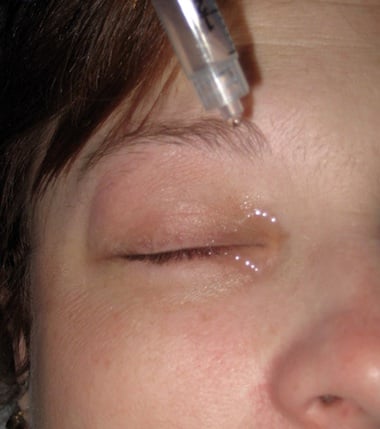
Trick of the Trade: Super-sensitive to eyedrops
We commonly encounter ocular complaints in the Emergency Department. Eye pain can result from chemical exposure, a foreign body, or infection. The first step involves instilling a few drops of topical anesthetics, such as proparacaine, to provide some pain relief. Occasionally, however, you encounter a patient who just can’t keep his/her eye open because of the fear of eyedrops. [+]
Article review: Bedside teaching in the ED
Bedside teaching is a unique educational skill, which academic faculty are often assumed to just know how to do. In the ED, it is especially difficult to do this well, because of crowding and unexpected time-sensitive clinical issues, which create distractions and general chaos. Experientially, unpredictable clinical issues negatively impact bedside teaching. Thus, faculty should be flexible and knowledgeable of basic bedside teaching tenets. [+]
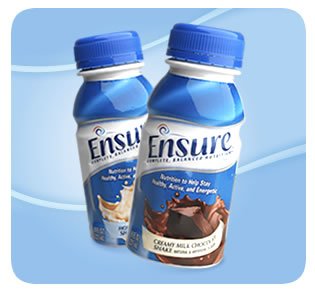
Tricks of the Trade: Low tech solutions to esophageal foreign bodies
Patients can present to Emergency Departments with esophageal foreign bodies. Recently, a patient presented with a doxycycline pill stuck in her esophagus at the mid-chest level. She was taking it for pneumonia. Despite drinking deluges of water for the past 12 hours, the pill remains stuck. You know that doxycycline (pills shown on right) is one of several medications (along with iron or potassium supplements, quinidine, aspirin, bisphosphonates) known for causing erosive pill esophagitis. She presents to your ED. What do you do? With so many direct visualization tools in the ED now available to emergency physicians such as Glidescopes [+]
Article review: Handoffs in the Emergency Department
One shared experience amongst all emergency physicians is the “handoff” or “signout” of patients at the end of your shift to the oncoming physician. A recent article in Annals of Emergency Medicine explores and explains how this process can often lead to delays and errors in patient management. Just envision ED handoffs as a high-stakes game of Telephone, which you played as a child. [+]
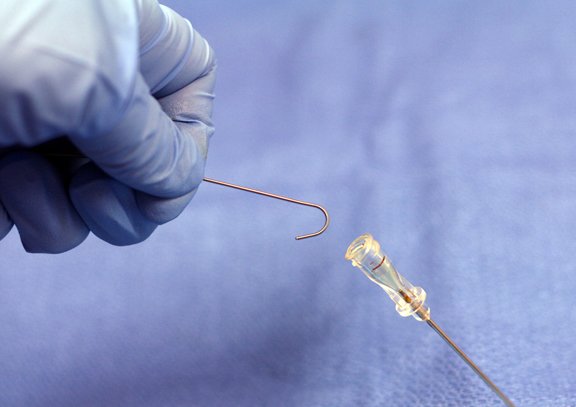
Trick of the trade: Straightening the guidewire
Did you know that a medical guidewire consists of a flexible central “ribbon wire” externally wrapped with a coil-spring wire? J-shaped guidewires are commonly used in many medical procedures, such as central lines, arterial lines, and pigtails for pneumothoraces. Knowing more about the guidewire makes it possible to carry out a unique Trick of the Trade. For example, let’s say that the plastic introducer is missing or unusable. Using one hand to stabilize the needle in the patient, how do you use your other hand to re-insert a curved guidewire tip into the hub of a needle? [+]

Faculty highlight: Dr. Lisa Moreno-Walton
A large part of the reason why I love academics so much is that I get to meet really inspiring emergency physicians, who are passionate about their cause. I can't imagine a more dedicated person than my friend Dr. Lisa Moreno-Walton, who is the Associate Program Director at LSU in New Orleans. Dr. Lisa Moreno-Walton Associate Program Director, Emergency MedicineAssistant Professor, Louisiana State Univ Health Sciences Ctr, New Orleans Clinical Research Scholar, Tulane University Lisa, I know that you have your hand in lots of areas within Emergency Medicine, but what would you call your niche? My academic niche is [+]
Article review: Optimal training during fourth year of medical school
U.S. medical students traditionally spend the first 3 years of training in a pre-determined curriculum. In their 4th year, however, students have significant flexibility in how they tailor their time. For this last year before residency, they shift from a learner-centered curriculum to a patient-centered curriculum. There is a shift in mentality from “I am here to learn as much as I can about medicine” to more of a “How do I best prepare myself for working in a hospital in my chosen specialty?” [+]
Hot off the press: Improving medical student presentations in the ED
Website: www.emrapee.com The EM-RAP Educator’s Edition podcast just released its 6th podcast episode. Dr. Rob Rogers et al discuss practical tips and approaches to giving feedback on medical student presentations. Presentations in the ED are very different from those in other specialties, such as internal medicine and surgery. The discussants dissect and comment on parts of the presentation. [+]

Trick of the Trade: Style points in pediatric orthopedics
With this hot summer season in California, kids have been running around and getting into all sorts of orthopedic troubles. Monkey bars are a common culprit. In treating pediatric patients in the ED, it's worth spending an extra few minutes on the subtle style points. Trick of the Trade: Splint the buddy bear You should consider keeping a stash of stuffed teddy bears in the ED for those patients, whom you splint or cast. It is a nice touch to have the patient go home with a teddy bear with the same "injury" and splint/cast. It's the little touches that [+]
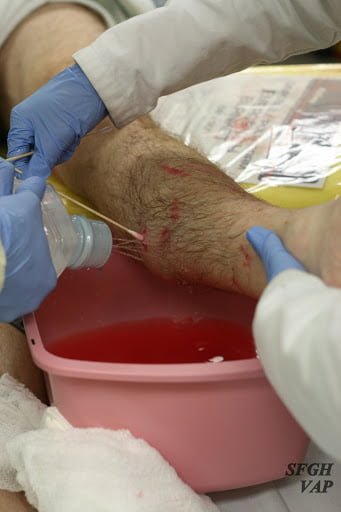
Trick of the Trade: The key to pollution is dilution
Wound care mantra: “The key to pollution is dilution.” High-pressure irrigation best reduces the patient’s risk for a wound infection. Open fractures are unique in the ED in that they require quick, high-volume irrigation before going to the operating room for more definitive wash-out. Often times a 30 mL syringe and 18-gauge angiocatheter is too cumbersome and slow for high-volume, high-pressure irrigation. [+]