PEM Practice Changing Paper: Clinical Trial of Fluid Infusion Rates for Pediatric DKA
 Most protocols for managing pediatric patients with diabetic ketoacidosis (DKA) are based on a theoretical association between fluid resuscitation and subsequent neurological decline. Although the evidence for an association between IV fluids and cerebral edema comes from retrospective reviews, for over 20 years, it is an accepted teaching principle of pediatric DKA.
Clinical Trial of Fluid Infusion Rates for Pediatric Diabetic Ketoacidosis, published just days ago in the New England Journal of Medicine, challenges this teaching with the first randomized controlled trial designed to investigate the relationship between IV fluids and cerebral edema. We review this publication and present a behind-the-scenes podcast interview with lead authors Dr. Nathan Kuppermann and Dr. Nicole Glaser from the Pediatric Emergency Care Applied Research Network (PECARN). (more…)

 The Toxicologist Mindset series features real-life cases from the San Francisco Division of the California Poison Control System.
 It’s time for another installment of 60 Second Soapbox! Each episode, 1 lucky individual gets exactly 1 minute to present their rant-of-choice to the world. Any topic is on the table – clinical, academic, economic, or whatever else may interest an EM-centric audience. We carefully remix your audio to add an extra splash of drama and excitement. Even more exciting, participants get to challenge 3 of their peers to stand on a soapbox of their own!
  Welcome to the Neurology AIR-Pro Module. Below we have listed our selection of the 7 highest quality blog posts related to 4 advanced level questions on neurology topics posed, curated, and approved for residency training by the AIR-Pro Series Board. The blogs relate to the following questions:
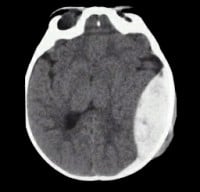 Robust and comprehensive studies now support specific management guidelines for patients presenting with different intracranial hemorrhages (ICH). From the Emergency Department perspective, the primary dilemmas involve specific blood pressure goals and whether seizure prophylaxis with phenytoin is necessary. The
  The NIH Stroke Scale is used to assess the severity of a suspected stroke. It includes 11 neurologic exam components that can be quickly performed at the bedside. The second component of the NIH Stroke Scale is testing of voluntary horizontal eye movements, a.k.a., “best gaze”.