


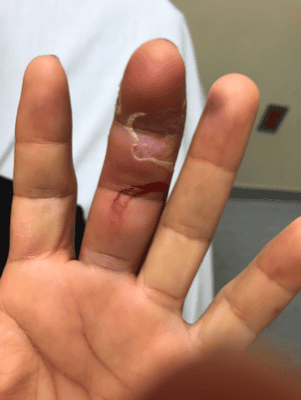

ACMT Toxicology Visual Pearl | Substance-Induced Crystalluria: All That Glitters Is Not Gold
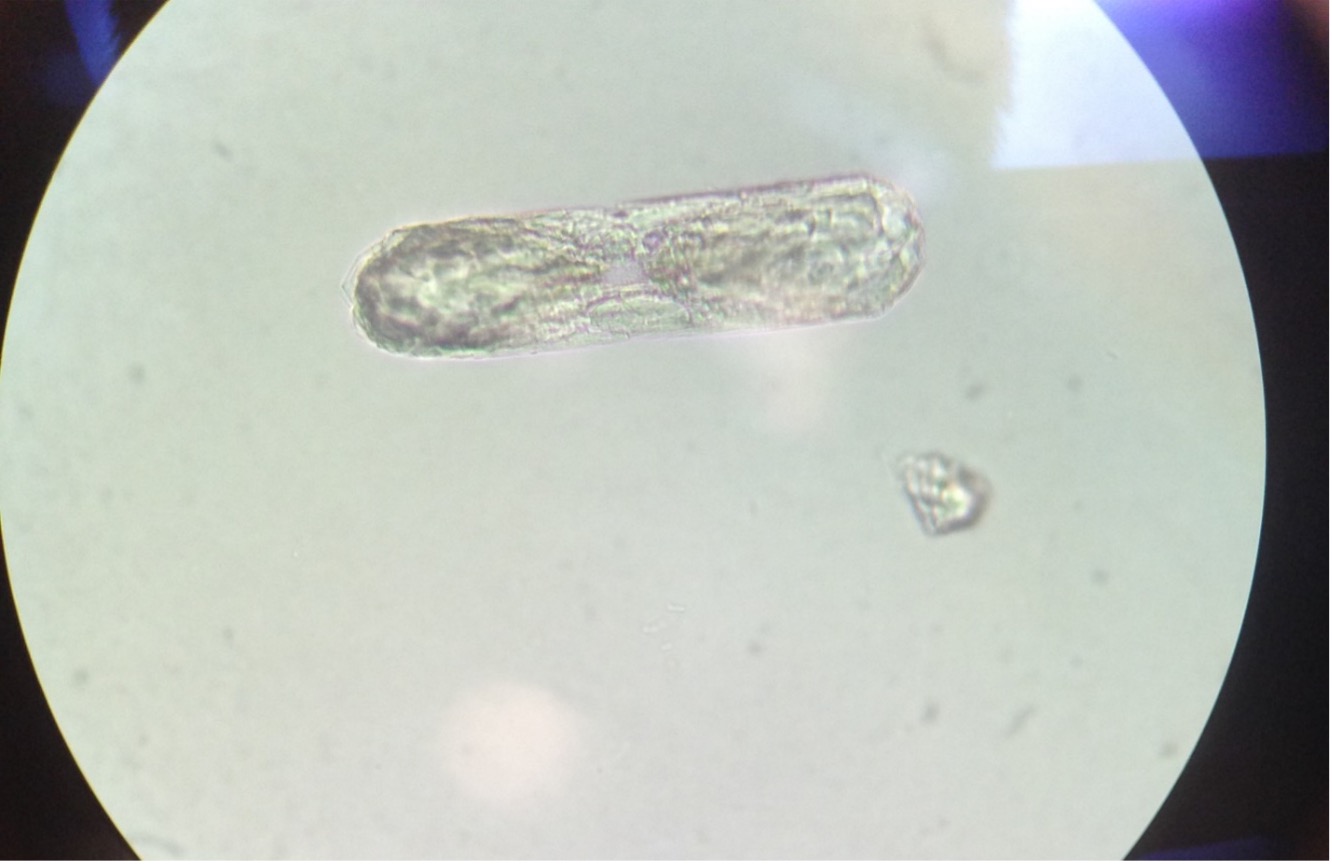
Which of the substances below causes crystalluria with hexagonal crystals that shimmer on macroscopic urine examination?
- Acyclovir
- Ethylene glycol
- Indinavir
- Primidone
- Sulfamethoxazole/trimethoprim
PEM POCUS Series: Confirmation of Endotracheal Tube Placement

Read this tutorial on the use of point of care ultrasonography (POCUS) for confirmation of endotracheal tube (ETT) placement in pediatric patients. Then test your skills on the ALiEMU course page to receive your PEM POCUS badge worth 2 hours of ALiEMU course credit.
Module Goals
- List indications for performing airway/lung POCUS to confirm ETT placement
- Describe the technique of performing airway and focused lung POCUS
- Distinguish between normal and abnormal airway and lung POCUS findings
- Distinguish between tracheal, endobronchial, and esophageal placement of ETT
- List the limitations of airway and lung POCUS
Case Introduction: The Postictal Toddler
Joey is a 2-year-old male with a history of epilepsy who presents to a community hospital emergency department with generalized tonic-clonic seizures of more than 45 minutes duration. After receiving 2 doses of IV midazolam, he stopped seizing. He has very shallow breathing and oxygen saturations as low as 90 percent on 2 liters of supplemental oxygen via nasal cannula. The pediatric transport team arrives to transport him to another hospital for admission and note that he is somnolent with poor respiratory effort. His current vital signs:
| Vital Sign | Finding |
|---|---|
| Temperature | 37.0 C |
| Heart Rate | 115 bpm |
| Blood Pressure | 85/65 |
| Respiratory Rate | 12 |
| Oxygen Saturation (room air) | 92% on 2 L via nasal cannula |
An end tidal carbon dioxide (ETCO2) monitor shows a ETCO2 level in the high 70s mmHg. The decision is made to intubate the patient given disordered breathing, hypercapnia, and hypoxia following medical management of seizures. The transport team would like to use POCUS to evaluate ETT placement at the outside hospital and during transport.
For simplicity, this module will focus on 3 modes of using POCUS for ETT confirmation. Collectively, these techniques can help improve evaluation.
There are many benefits of using POCUS to confirm ETT placement, such as in the following examples:
- When compared to auscultation, POCUS ETT can be done in a loud environment where auscultation may be challenging (i.e., as may occur in transport or on scene).
- When compared to radiography, POCUS ETT can be done rapidly at the bedside when chest radiography may be delayed or unavailable (i.e., in transport or during chest compressions).
- When compared to capnography, POCUS ETT is helpful in scenarios of low pulmonary blood flow as in cardiac arrest or with poor tissue perfusion when capnography may be less reliable. Also POCUS can distinguish between tracheal and endobronchial ETT placement, whereas capnography cannot.
- Unlike auscultation and capnography, POCUS ETT can confirm placement in real time, even before ventilating the patient, unlike auscultation and capnography to work.
- POCUS ETT should typically be used as an adjunct to other methods of confirmation or in resource-limited settings, if other methods are not available.
Just as all methods of confirming ETT placement have their limitations, so does POCUS. This will be discussed in greater detail later in the module.
There are many factors to consider in the performance of ETT POCUS:
| Factor | Options |
|---|---|
| Probe selection | Linear or curvilinear |
| Location on the anterior neck | Suprasternal notch, cricoid, or thyroid cartilage |
| Probe orientation | Longitudinal or transverse plane |
| Timing | Dynamic (while intubating) or static (for confirmation) |
| Evaluation technique | Direct (visualize the ETT) or indirect (visualize lung movement0 |
Probe Selection
Two types of probes will be needed for POCUS ETT confirmation.
- Use a linear probe to visualize the superficial airway and lung structures. The linear probe uses high frequency sound waves to create high resolution images of superficial structures such as the trachea and pleura.
- Use a curvilinear probe to visualize deeper structures, such as the diaphragm.
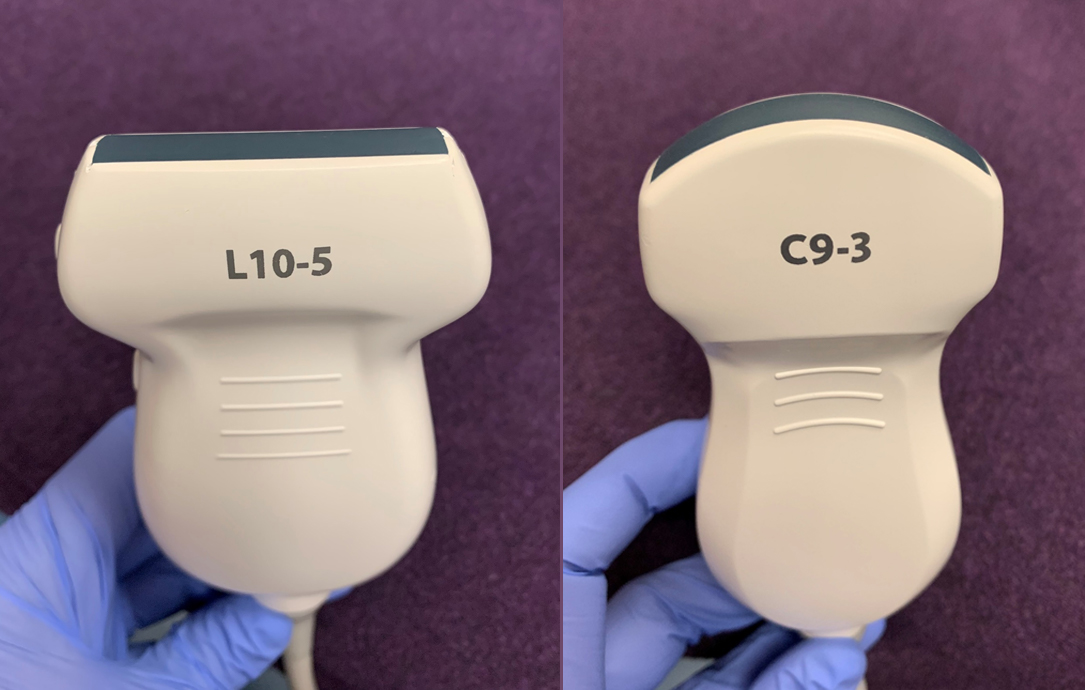
Figure 1: Linear probe (left) and curvilinear probe (right)
Timing of Image Acquisition
If time permits, pre-scan the patient’s neck to locate the trachea. Adjust the gain and depth accordingly to visualize the trachea clearly in the middle of the screen.
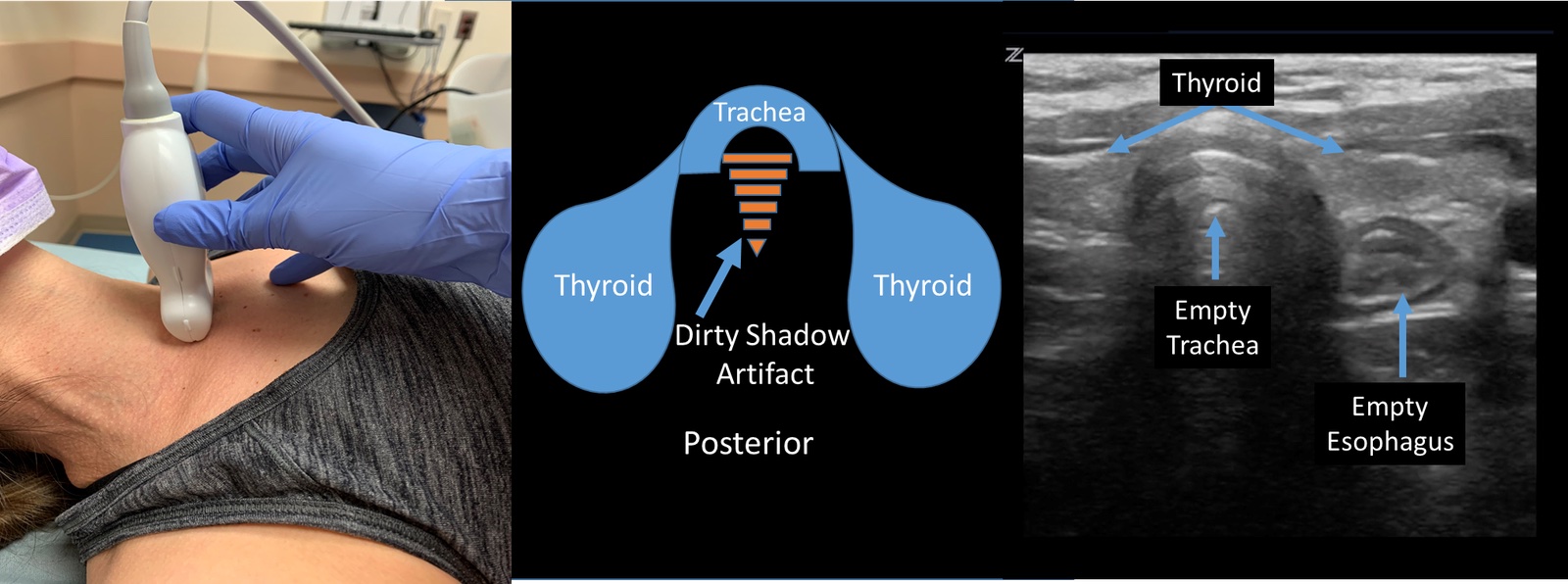
Figure 2: Positioning and ultrasound images of the anterior neck anatomy for ETT placement confirmation. Left: Transverse orientation of the linear probe just above the suprasternal notch. Center: Corresponding pictorial display of the trachea and surrounding structures. Note that below the trachea is a dirty shadow artifact, resulting from the air-mucosa interface. Right: Corresponding ultrasound image of the thyroid lobes flanking the empty trachea, with the ovoid esophagus seen posterolaterally (ultrasound image by Jade Sequin).
1. Static Assessment
- We recommend using the static assessment (i.e., after the patient is intubated), rather than dynamic (i.e., watching the ETT enter the trachea in real time) which is technically more challenging.
- Positioning: Stand at the patient’s waist, facing the patient’s head, with the probe marker pointing towards the patient’s right (transverse plane) to confirm ETT placement in the neck. Place the linear transducer midline on the anterior neck, slightly above the suprasternal notch (figure 2, left). The orientation of the image on the screen corresponds to the probe direction. This orientation is helpful for procedural POCUS and conceptually allows for easier redirection.
- Identify the trachea: The trachea is visible in the midline as a semicircular structure with a hyperechoic bright line (upside down U) and shadows distally (figure 2, center). Shadows are reverberation artifact from the air in the trachea (often called “dirty shadows,” or referred to as the air-mucosa interface). The thyroid overlies the trachea as a homogenous structure with the lobes extending bilaterally.
- Identify the esophagus: The esophagus is generally posterolateral and to the left of the trachea. The esophagus is seen as a collapsed round or oval shaped structure with concentric layers, without air in it (figure 2, right).
- Anatomy variability: A pediatric study noted that the esophagus can be seen in variable locations in relation to the cricoid ring and trachea. It was partially to the patient’s left (62%), completely to the left (20%), behind the cricoid ring (16%), and partially to the right (2%) [1].
When the ETT is placed correctly in the trachea, you should still see only a SINGLE air-mucosa interface, similar to an empty trachea. An ETT properly positioned in the trachea will have a similar ultrasonographic appearance with one air-mucosal interface as the air-filled tube will be in the trachea and the esophagus will be decompressed without air (figure 2, right).
2. Dynamic Assessment
Dynamic assessment involves watching the ETT pass into the trachea in real-time. In this technique, you will see a brief disturbance within the trachea termed the “snowstorm” which is a subtle finding (Video 1). A dynamic assessment is made more challenging with the multiple tasks and personnel at the bedside during intubation.
Video 1: Dynamic assessment of ETT placement confirmation using a linear probe in the transverse orientation on the anterior neck . With the probe marker to the patient’s right, the trachea is often on the left of the screen in relationship to the esophagus, as in this video. As the ETT enters the trachea, there is a slight disruption termed a “snowstorm” noted in this dynamic view. Video credit: Jade Sequin
Erroneous Esophageal Intubation
If the ETT is placed incorrectly in the esophagus, there will be TWO air-mucosa interfaces with reverberation artifact and posterior shadowing. This has been called the “double trachea sign” or “double tract sign” (figure 3, left). Contrast this to normal anatomy with an empty esophagus (figure 3, right).

Figure 3. Left: Double tract or double trachea sign on ultrasound, visualized when the ETT is placed incorrectly in the esophagus. Note the esophagus appears curved with dirty shadow artifact like the trachea. Right: Normal collapsed esophagus. Images credit: Jade Sequin.
Video 2: Esophageal intubation seen on ultrasound. Note the ETT entering the esophagus, generating the “double tract” or “double trachea” sign. Video used with permission by authors of [2].
Video 3: “Double tract” or “double trachea” sign and esophageal de-intubation. The video starts with the ETT in the esophagus, but then is removed. Video used with permission by authors of [2].
This indirect visualization method uses ultrasound to identify bilateral lung sliding as a means to confirm ETT placement, because this implies that both lungs are ventilated. This method is often used in conjunction with and after direct confirmation using POCUS, seeing the ETT in the trachea.
- If the ETT is in the right main stem bronchus, ONLY the right lung will have sliding.
Ultrasound Probe Placement
Place the linear transducer on the superior, most-anterior chest wall in the mid clavicular line over the 3rd-5th intercostal space. Ensure that the probe marker is towards the head. Scan both lungs (Figures 4).
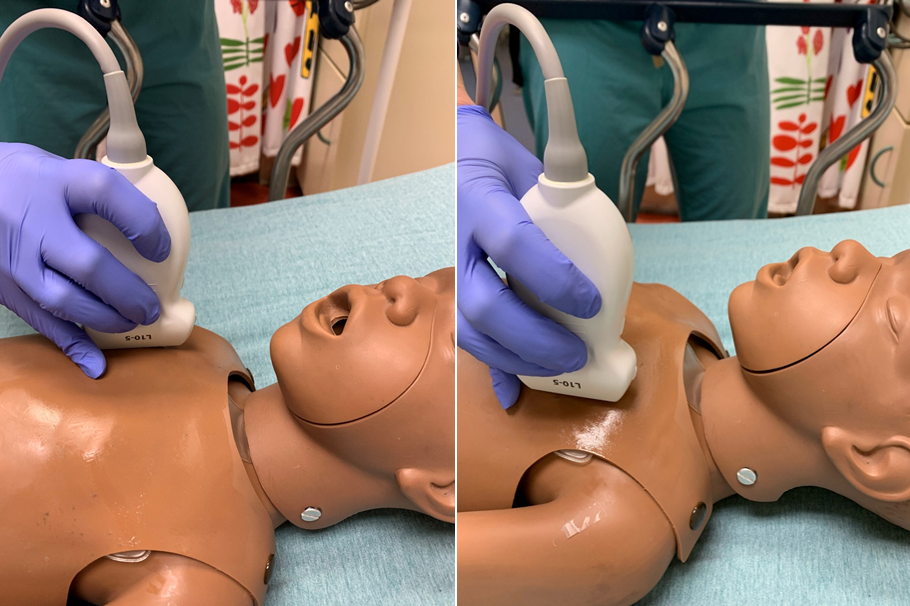
Figure 4. Positioning of the linear probe on the patient’s anterior chest wall to check for lung sliding
Normal Lung Findings on POCUS
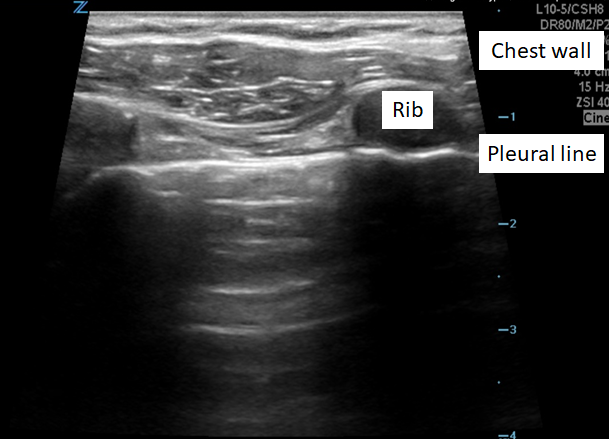
Figure 5. Ultrasound of a normal lung: Just deep to the chest wall and ribs, the pleural line of the lung slides horizontally to and fro with each breath.This line is the first hyperechoic line deep to the rib and is the place to look for lung sliding.
Alveoli filled with air have the ARTIFACTS that are the hallmark of airway POCUS.
- A lines (figure 6): Hyperechoic lines that are parallel to the pleural line (typically horizontal) that are caused by reverberations between the pleura and transducer. They are equidistant from the chest wall. A lines are seen with normal aerated lungs along with lung sliding
- Z lines or comet tails: Perpendicular lines to the pleura (often appear vertical as the pleura is typically visualized as horizontal) that arise from the pleura. These lines typically do not go to the bottom of the screen.
- Lung sliding (figure 8): Shimmering artifact of the parietal and visceral pleura sliding against each other. Lung sliding indicates that the lung visualized under the probe is filled with air and ventilated (video 4).

Figure 6. Normal lung with A lines – The most superficial hyperechoic line below the chest wall is the pleural line. The subsequent hyperechoic lines parallel and deep to the pleural line are A lines. A lines are always normal findings.
Video 4: Normal lung ultrasound: Most superficial are the chest wall tissue and 2 ribs (the circular anechoic structures). The hyperechoic line just deep to the ribs is the pleural line. Lung sliding is the subtle movement at the pleural line, referred to as “ants marching.” The hyperechoic lines horizontal and parallel to the pleural line are A lines, and the thin vertical lines are Z lines, or comet tails.
B Lines
In contrast to A lines, B lines may be visualized in patients with abnormal lungs. B lines are hyperechoic lines (typically vertical) that arise at the pleural line and go all the way to the bottom of the screen (at least 4-8 cm depth with some experts recommending to 16 cm). This is in contrast to Z lines which do not go to the bottom of the screen. The presence of multiple B lines indicates increased fluid in the interstitium of the lungs, which can be seen in conditions such as bronchiolitis and pulmonary edema (figure 7, videos 5 and 6). Note that the presence of B lines also indicate aerated lungs.

Figure 7. Lung POCUS showing A and B lines. A lines are the hyperechoic lines parallel to the pleural line. B lines are the hyperechoic projections perpendicular to the pleural line that extends to the bottom of the screen. A lines are normal, while multiple B lines may be pathogenic.
Video 5: Lung ultrasound showing multiple hyperechoic, perpendicular B lines.
Video 6: Lung ultrasound showing lung sliding and multiple B lines. Note that this image uses a curvilinear probe.
M-Mode Setting
For additional confirmation of lung sliding, press the M mode button (motion mode) without lifting the probe to visualize motion of the sliding pleura. The M-mode view represents a small narrow slice of the ultrasound image (where the bold white vertical line appears) and runs only that portion over time.
- Lung is aerated: Looking below the pleural line level ,you will see a grainy display, known as the “sandy beach” or “seashore” signs (figure 8). You’ll find yourself feeling very relaxed when you see this, because this indicates a successfully aerated lung.
- Lung is NOT aerated: Looking below the pleural line level, you will see multiple horizontal bar-like, striated lines instead of the grainy, sandy beach (figure 9). This is called the “barcode” or “stratosphere” sign, and may be seen in a pneumothorax or a main-stem bronchus intubation.

Figure 8: Lung ultrasound with M-mode view in a normal, aerated lung (left), showing the grainy, “sandy beach” appearance of the lines deep to the pleural line. Contrast this to an abnormal, non-aerated lung (right), showing the horizontal “barcode” appearance of the lines deep to the pleural line.

Figure 9: Another example of a normal (left) and non-aerated (right lung) in M-mode view
Ultrasound Technique
Visualize lung sliding in both 2D (also known as B mode and is the typical ultrasound mode) and M mode on the both the left and right chest.
- Note: If the ETT is in the right mainstem bronchus, you may still see subtle movements of the pleural line on the left due to cardiac activity. The lung sliding in this case will be asymmetric with less movement of the pleural line on the left compared to right.
Alternative Causes for Abnormal Lung Sliding After Intubation
Abnormal lung sliding on ultrasound may be worrisome for an esophageal intubation, because the lungs are not aerated with PPV breaths. However, there are other causes to consider before removing the ETT for a re-intubation attempt.
1. Pneumothorax
In order to see lung sliding, visceral and parietal pleural need to be touching. With a pneumothorax, there is air in the pleural space. The parietal pleura will still be visible, but the visceral pleura and moving interface are not seen. In the M-mode view, a “barcode sign” will be present (figure 10), highlighting the importance of evaluating both 2D (B mode) and M mode if there is any doubt about lung sliding.

Figure 10: Lung POCUS demonstrating no lung sliding (“barcode sign”) in M-mode view
Video 10: Lung POCUS of a patient with a pneumothorax, showing no lung sliding for one lung in 2D view (B mode)
2. Main stem bronchus intubation
If there is no lung sliding in just one lung (especially if it occurs on the left), this may be caused by the ETT being too deep into a mainstem bronchus. This results in non-ventilation of the contralateral lung. Be aware that since the visceral and parietal pleural are still touching (unless there is also a pneumothorax), you could see some sliding movement, as the heart still causes some movement of the lungs.
3. ETT obstruction or apnea
This results in the loss of lung sliding bilaterally.
Take Away
When you see symmetric lung sliding on both sides of the chest, the ETT is in good position in the trachea.
Ultrasound Probe Placement
Use a curvilinear probe, because it gives you deeper tissue penetration than the linear probe. This allows you to better visualize the diaphragm, which is a deeper structure.

Figure 11. Left: Using a curvilinear probe with the probe marker towards the head, position it along the mid-axillary line to identify the diaphragm. Continue sliding the probe to the lower edge of the ribcage until you see the diaphragm meeting the spine along the bottom of the ultrasound image. Right: Ideal ultrasound view of the hyperechoic diaphragm. Also seen is the liver with mixed echotexture, a hypoechoic kidney, and the hyperechoic spine.
Normal Findings on POCUS (figure 11)
- The diaphragm is a hyperechoic line, seen curving vertically on the screen, with a solid organ (liver or spleen) caudal to that.
- The spine appears as interrupted hyperechoic structures (vertebral bodies), extending caudally from the diaphragm at the bottom of the image. The vertebral bodies shadow as all calcified structures on ultrasound do. Normally the spine is only visualized caudal to the diaphragm, because aerated lung obscures visualizing the spine in the thorax (cephalad to the diaphragm).
Ultrasound Technique
- Watch the movement of the diaphragm. In a patient who is paralyzed for intubation, the diaphragm will only move with delivery of positive pressure ventilation (PPV).
- Normal: If the ETT is in good position, with a PPV breath, the diaphragm moves caudal toward the abdomen as the lungs inflate, and upwards when the lungs deflate (video 7). In M mode, normal diaphragm movement creates a smooth wave with inspiration and expiration (video 8).
- Esophageal intubation: The diaphragm moves in the reverse direction than is expected. With a PPV breath, the diaphragm moves cephalad, because the abdominal cavity is getting inflated.
- Mainstem bronchus intubation: The diaphragm on the side of the main stem intubation (typically right) will show exaggerated motion toward the abdomen during PPV. The diaphragm on the contralateral side, where the lung is not properly ventilated will either not move or move paradoxically cephalad during PPV. In M-mode, there is no sinusoidal, wave pattern for the diaphragm in the non-ventilated lung (video 9)
Video 7: Ultrasound view showing diaphragmatic movement with regular breaths. The diaphragm pushes the spleen and kidneys caudal into the abdomen (to the right of the screen) with each breath.
Video 8: Ultrasound M-mode view of the diaphragm with regular breaths. Normal diaphragmatic movement is demonstrated by the hyperechoic sinusoidal line (at 12 cm depth) at the bottom of the screen.
Video 9: Ultrasound of the diaphragm in M-mode setting. The hyperechoic diaphragm does not move either in 2D (top) or M mode (bottom). This could be seen if the ETT is in the esophagus or in a mainstem bronchus, for example.
Abnormal Findings While Assessing Diaphragmatic Movement
1. Hemothorax or pleural effusion
Best seen at the costophrenic angle because fluid is dependent, a hemothorax or effusion will appear anechoic or hypoechoic. Additionally the spine can now be seen cephalad to the diaphragm, known as the “spine sign,” because air now no longer obscures the view of the spine (figure 12). A hemothorax and pleural effusion can look the same on POCUS. The clinical scenario aids in determining the potential cause of the fluid.

Figure 12. Left: Normal lung showing the spine only caudal to the hyperechoic diaphragm. Right: Hemothorax on lung POCUS. Right: Lung POCUS showing a pleural effusion, suggested by the hypoechoic fluid collection and “spine sign”.
Take Away
In a patient paralyzed for intubation and thus with no spontaneous respirations, the ETT is in good position when you see movement of the diaphragm towards the abdomen on both sides of the chest with PPV.
Lin et al. published a systematic review of bedside ultrasound for tracheal tube verification in pediatric patients. The authors proposed the following algorithm (figure 13) for confirming ETT placement.

Figure 13: Algorithm for using and interpreting POCUS to confirm ETT placement in pediatric patients. Image permission granted by author of [3].
- Operator dependent: As with all POCUS studies, image acquisition and interpretation is operator dependent. The more you practice the concepts and techniques in this module, the more comfortable you will be in obtaining and accurately interpreting these images.
- Challenging anatomy: It is difficult to perform airway POCUS on a small neck, with a cervical collar in place, or if there is subcutaneous emphysema (air obscures structures below).
- Depth: Airway POCUS is not able to determine the exact depth of ETT within the trachea, but can be a good surrogate of position:
- Visualization of the ETT cuff at the suprasternal notch using a linear probe in the transverse orientation correlated with the ETT depth on chest x-ray in 57/60 children (Cl, 86-98%) in a single center, prospective observational study [11]
- If you are concerned about a mainstem bronchus intubation, slowly pull back on the ETT to see if the lung opposite the main stem intubation starts sliding. If the depth of the tube at the gums/teeth/lips seems appropriate and one side still does not have sliding, there may be a pneumothorax on that side.
- False negative for ETT placement: In the rare patient with thyroid gland calcifications, there may falsely appear to be 2 shadowing structures (double tract sign), even when the ETT is correctly in the trachea. Calcifications shadow. This can be anticipated with pre-scanning the neck before intubation.
- False positive for ETT placement: If the esophagus is structurally immediately posterior to the trachea, you wouldn’t see a “double tract” sign if the ETT is in the esophagus. But you should have other signs soon if the ETT is in the wrong place such as lack of ETCO2 and lack of breath sounds.
- Lack of lung sliding may not always be due to pneumothorax or right mainstem ETT intubation. Other explanations include:
- ETT obstruction
- Apnea in a spontaneously breathing patient or no breath being delivered to a patient who is intubated.
- Lack of sliding or “barcode” (on M-mode) should be interpreted with caution in patients who have parenchymal lung disease or pleurodesis (a procedure where the pleura is surgically or mechanically adhered to the chest wall) making the lung appear not to slide. These patients may not have pneumothorax nor a main stem intubation on the other side.
Adult Literature
In a metanalysis of 30 adult studies assessing the use of POCUS for ETT placement confirmation, the overall sensitivity was 0.98 (95% CI 0.97–0.99) and specificity was 0.96 (95% CI 0.90–0.98) [4].
Other studies have evaluated using various techniques for POCUS evaluation of ETT placement, with no clear winner (Table 1).
| Variable | Source | Findings | Recommendation |
|---|---|---|---|
| No difference | Linear probe | ||
| Technique: Static vs Dynamic | No difference | Static technique | |
Probe placement:
|
Lonchena 2017 [5] | Successful ETT visualization
|
Place probe transverse in suprasternal notch in the anterior neck |
Table 1: Published studies in the adult population, comparing different techniques for confirming ETT placement with POCUS.
Pediatric Literature
The pediatric literature for the application of POCUS to evaluate ETT placement is not as robust compared to adult studies; however, it is still compelling. A systematic review by Lin et al. in 2016 [3] included studies that evaluated intubations using direct visualization of tube tip in trachea, diaphragmatic movement and/or lung sliding. All modalities had high sensitivities though the esophageal intubation rates included in the studies were relatively low (Table 2).
| Study | Endotracheal Intub | Esophageal Intub | POCUS Technique Used | Sensitivity | Specificity |
|---|---|---|---|---|---|
| Galicinao 2007 [6] | 50 | 1 | Direct visualization of tube tip in trachea | 1.00 (0.93-1.00) | 1.00 (0.03-1.00) |
| Alonso Quintela 2014 [7] | 31 | 5 | Direct visualization of tube tip in trachea | 0.92 (0.75-0.99) | 1.00 (0.48-1.00) |
| Hsieh 2004 [8] | 61 | 2 | Diaphragmatic or lung pleural movement | 1.00 (0.94-1.00) | 1.00 (0.16-1.00) |
| Kerrey 2009 [9] | 127 | 0 | Diaphragmatic or lung pleural movement | 1.00 (0.97-1.00) | Not reported |
Table 2: Summary of pediatric studies that evaluated using POCUS for ETT confirmation by direct visualization of the tube in the trachea over the anterior neck or indirectly by assessing for diaphragmatic or pleural movement.
Another systematic review of using POCUS to confirm ETT position in the pediatric population by Jaeel et al [10], found that POCUS was comparable to confirming ETT placement by x-ray and capnography for patients outside the neonatal intensive care unit. They concluded that POCUS agreed with x-ray or capnography confirmation in 83-100% of cases. Compared to x-rays, POCUS had a sensitivity of 91-100%.
Case Resolution
After administration of fentanyl, midazolam, and rocuronium, the patient was intubated with a 4.0 cuffed ETT by direct laryngoscopy with a Macintosh blade.
POCUS was used to confirm ETT placement by the transport team in the community hospital ED. Specifically, the provider directly visualized the in the anterior neck (with a single air-mucosa interface), the presence of bilateral lung sliding, and movement of the diaphragm towards the abdomen with PPV. End tidal CO2 further confirmed accurate placement. Once loaded into the ambulance, the ETT was again confirmed to be in the trachea.
Video 11: POCUS showing bilateral lung sliding
Video 12. POCUS showing diaphragmatic movement down to the abdomen with breathing.
Learn More…
References
- Tsung JW, Fenster D, Kessler DO, Novik J. Dynamic anatomic relationship of the esophagus and trachea on sonography: implications for endotracheal tube confirmation in children. Journal of Ultrasound in Medicine. 2012 Sep;31(9):1365-70. PMID 22922616
- Tessaro MO, Salant EP, Arroyo AC, Haines LE, Dickman E. Tracheal rapid ultrasound saline test (TRUST) for confirming correct endotracheal tube depth in children. Resuscitation. 2015 Apr 1;89:8-12. PMID 25238740
- Lin MJ, Gurley K, Hoffmann B. Bedside Ultrasound for Tracheal Tube Verification in Pediatric Emergency Department and ICU Patients: A Systematic Review. Pediatr Crit Care Med. 2016;17(10):e469-e476. PMID 27487913
- Sahu AK, Bhoi S, Aggarwal P, et al. Endotracheal tube placement confirmation by ultrasonography: A systematic review and meta-analysis of more than 2500 patients. J Emerg Med. 2020 Aug 1;59(2):254-64. PMID 32553512
- Lonchena T, So S, Ibinson J, Roolf P, Orebaugh SL. Optimization of ultrasound transducer positioning for endotracheal tube placement confirmation in cadaveric model. J Ultrasound Med. 2017 Feb;36(2):279-84. PMID 28072483
- Galicinao J, Bush AJ, Godambe SA. Use of bedside ultrasonography for endotracheal tube placement in pediatric patients: A feasibility study. Pediatrics 2007; 120:1297–1303. PMID 18055679
- Alonso Quintela P, Oulego Erroz I, Mora Matilla M, et al: [Usefulness of bedside ultrasound compared to capnography and radiograph for tracheal intubation]. An Pediatr (Barc) 2014; 81:283–288. PMID 24560730
- Hsieh KS, Lee CL, Lin CC, Huang TC, Weng KP, Lu WH. Secondary confirmation of endotracheal tube position by ultrasound image. Crit Care Med. 2004 Sep;32(9 Suppl):S374-7. PMID 15508663
- Kerrey BT, Ceis GL, Quinn AM. A prospective comparison of diaphragmatic ultrasound and chest radiography to determine endotracheal. Pediatrics. 2009;123:1039-43. PMID 19414520
- Jaeel P, Sheth M, Nguyen J. Ultrasonography for endotracheal tube position in infants and children. Eur J Pediatr. 2017 Mar;176(3):293-300. PMID 28091777
- Uya A, Gautam NK, Rafique MB, et al. Point-of-Care Ultrasound in Sternal Notch Confirms Depth of Endotracheal Tube in Children. Pediatr Crit Care Med. 2020;21(7):e393-e398. PMID 32168296
Additional Reading
- Adhikari S, Blaivas M. The Ultimate Guide to Point-of-Care Ultrasound-Guided Procedures. 1st Ed. Springer Nature; 2020.
- Blaivas M, Tsung JW. Point-of-care sonographic detection of left endobronchial main stem intubation and obstruction versus endotracheal intubation. J Ultrasound Med. 2008;27(5):785-789. doi:10.7863/jum.2008.27.5.785. PMID 18424655
- Chou EH, Dickman E, Tsou PY, et al. Ultrasonography for confirmation of endotracheal tube placement: a systematic review and meta-analysis. Resuscitation. 2015;90:97-103. doi:10.1016/j.resuscitation.2015.02.013. PMID 25711517
- Hoffmann B, Gullett JP, Hill HF, et al. Bedside ultrasound of the neck confirms endotracheal tube position in emergency intubations. Ultraschall Med. 2014;35(5):451-458. doi:10.1055/s-0034-1366014. PMID 25014479
- Lahham S, Baydoun J, Bailey J, et al. A Prospective Evaluation of Transverse Tracheal Sonography During Emergent Intubation by Emergency Medicine Resident Physicians. J Ultrasound Med. 2017;36(10):2079-2085. doi:10.1002/jum.14231. PMID 28503749
- Marciniak B, Fayoux P, Hébrard A, et al. Airway management in children: ultrasonography assessment of tracheal intubation in real time?. Anesth Analg. 2009;108(2):461-465. doi:10.1213/ane.0b013e31819240f5. PMID 19151273
- Mori T, Nomura O, Hagiwara Y, Inoue N. Diagnostic Accuracy of a 3-Point Ultrasound Protocol to Detect Esophageal or Endobronchial Mainstem Intubation in a Pediatric Emergency Department. J Ultrasound Med. 2019;38(11):2945-2954. doi:10.1002/jum.15000. PMID 30993739
- Prada G, Vieillard-Baron A, Martin AK, et al. Tracheal, Lung, and Diaphragmatic Applications of M-Mode Ultrasonography in Anesthesiology and Critical Care. J Cardiothorac Vasc Anesth. 2021;35(1):310-322. doi:10.1053/j.jvca.2019.11.051. PMID 31883769
- Sethi AK, Salhotra R, Chandra M, Mohta M, Bhatt S, Kayina CA. Confirmation of placement of endotracheal tube – A comparative observational pilot study of three ultrasound methods. J Anaesthesiol Clin Pharmacol. 2019;35(3):353-358. doi:10.4103/joacp.JOACP_317_18. PMID 31543584
- Sim SS, Lien WC, Chou HC, et al. Ultrasonographic lung sliding sign in confirming proper endotracheal intubation during emergency intubation. Resuscitation. 2012;83(3):307-312. doi:10.1016/j.resuscitation.2011.11.010. PMID 22138058
- Singh M, Chin KJ, Chan VW, Wong DT, Prasad GA, Yu E. Use of sonography for airway assessment: an observational study. J Ultrasound Med. 2010;29(1):79-85. doi:10.7863/jum.2010.29.1.79. PMID 20040778
- Weaver B, Lyon M, Blaivas M. Confirmation of endotracheal tube placement after intubation using the ultrasound sliding lung sign. Acad Emerg Med. 2006;13(3):239-244. doi:10.1197/j.aem.2005.08.014. PMID 16495415
Interpretation and Limitations of Opiate Urine Drug Tests

Background
Urine drug tests are commonly sent for patients in the emergency department, however care should be taken when interpreting the results of these tests given their limitations. The American College of Medical Toxicology published a position statement on the interpretation of urine opiate and opioid tests [1]. In this publication, they outline many of the limitations of opioid urine drug tests and explain why they exist.
Evidence
- Though often used interchangeably, the terms opiate and opioid are not the same. ‘Opioid’ is the broad category name while ‘opiate’ simply refers to the naturally occurring opioids. The term ‘opioid’ encompasses opiates (e.g., morphine, codeine, opium), semi-synthetic agents (eg, heroin, hydrocodone, hydromorphone, oxycodone), and synthetic agents (eg, methadone, fentanyl, tramadol). Notice the name of the urine drug test next time you order one, it is likely specific for opiates (not opioids). This is because many tests are designed to identify morphine, though they will also detect codeine and heroin as they are both ultimately metabolized to morphine.
- The standard urine drug tests do not specifically look for oxycodone, hydrocodone, etc. However, they can trigger a positive result due to their structural similarities, but not in every case. Therefore, a negative result doesn’t rule out use of these common drugs.
- Similarly, synthetic opioids will not reliably cross-react with the opiate urine drug test as they are quite structurally dissimilar. In order to detect some of these agents, a test specific for the compound in question should be used.
- As there are numerous different manufacturers of urine drug tests, hospitals may not utilize the same tests. In order to further understand the methods and cross-reactivity of a hospital’s specific urine drug test, the hospital’s laboratory should be contacted to request the package insert. Below is an example of the cross reactivity between various opioids with a opiate urine drug test [2].
| Cross-reactivity of Various Opioids with Morphine Urine Drug Test [2] | ||
|---|---|---|
| Compound | Equivalent to 300 ng/mL Morphine (ng/mL) | Cross-reactivity (%) |
| Codeine | 224 | 134 |
| Heroin | 366 | 82 |
| Hydrocodone | 1,086 | 28 |
| Hydromorphone | 1,425 | 21 |
| Oxycodone | >75,000 | <0.4 |
| Meperidine | >100,000 | <0.3 |
Previous ALiEM posts discuss further limitations of urine drug tests, specifically for benzodiazepines and opiates.
Bottom Line
- The term ‘opioid’ is the broad class of substances, while ‘opiate’ refers to the naturally occurring opioids (e.g., morphine, codeine)
- Many urine drug tests are designed to identify morphine and will also detect codeine and heroin, as they are ultimately metabolized to morphine
- Due to structural similarity, some semi-synthetic opioids may cross-react but fully synthetic opioids are unlikely to cross-react
Want to learn more about EM Pharmacology?
Read other articles in the EM Pharm Pearls Series and find previous pearls on the PharmERToxguy site.
References
- Stolbach A, Connors N, Nelson L, Kulig K. Acmt position statement: interpretation of urine opiate and opioid tests. J Med Toxicol. 2022;18(2):176-179. doi: 10.1007/s13181-021-00864-1. PMID: 34780053.
- Opiates II [package insert]. Indianapolis, IN: Roche Diagnostics; 2006.
Should Diphenhydramine be included in an Acute Agitation Regimen?

Background
Acute agitation in the emergency department is a common issue that frequently requires the use of chemical sedation to preserve safety for patients and healthcare workers. A commonly employed treatment regimen is the combination of haloperidol 5 mg + lorazepam 2 mg + diphenhydramine 50 mg (B-52). Diphenhydramine is included in this treatment regimen primarily to prevent extrapyramidal symptoms [1,2]. However, the incidence of extrapyramidal symptoms (EPS) with haloperidol is quite low when treating agitation in the emergency department (ED) [3,4]. Therefore, the excessive and prolonged sedation from adding prophylactic diphenhydramine may outweigh the intended benefit and should be reserved for treatment of EPS if symptoms occur.
Evidence
Jeffers et al. conducted a multicenter, retrospective, cohort study which compared the efficacy and safety of haloperidol, lorazepam, and diphenhydramine (B-52) (n=200) vs. haloperidol and lorazepam (52) (n=200) in treating patients >18 years old with acute agitation in the ED [5]. Their primary outcome was the administration of additional agitation medication(s) within 2 hours.
| Outcomes | 52 (n=200) | B52 (n=200) | p-Value |
|---|---|---|---|
| Administration of additional sedative within 2 h, n (%) | 40 (20) | 28 (14) | 0.11 |
| Median ED LOS (hours) | 13.8 | 17 | 0.03 |
| Use of restraints, n (%) | 53 (26.5) | 86 (43) | 0.001 |
| Hypotension, n (%) | 7 (3.5) | 32 (16) | <0.001 |
| Administration of anticholinergic within 2 days, n (%) | 15 (7.5%) | 6 (3%) | 0.04 |
| Itching/allergies, n (%) | 1 (0.5) | 1 (0.5) | 1.00 |
| Home benztropine, n (%) | 2 (1) | 4 (2) | 0.41 |
| Insomnia, n (%) | 4 (2) | 0 (0) | 0.06 |
| Unknown, n (%) | 8 (4) | 1 (0.5) | 0.02 |
Overall, the B-52 combination resulted in more oxygen desaturation, hypotension, physical restraint use, and longer length of stay. However, the conclusions from this study may be limited as it was a relatively small study and it used surrogate markers to assess clinical endpoints.
Further discussion regarding the onset and duration of IM medications for acute agitation may be found in this blog post.
Bottom Line
- The risk of extrapyramidal symptoms following haloperidol for agitation in the ED is relatively low
- Diphenhydramine may not be necessary when using haloperidol + lorazepam to treat agitation in the ED
- ED length of stay is increased with the addition of diphenhydramine to haloperidol + lorazepam
Want to learn more about EM Pharmacology?
Read other articles in the EM Pharm Pearls Series and find previous pearls on the PharmERToxguy site.
References
- Mokhtari A, Yip O, Alain J, Berthelot S. Prophylactic administration of diphenhydramine to reduce neuroleptic side effects in the acute care setting: a systematic review and meta-analysis. J Emerg Med. 2021 Feb;60(2):165–74. doi: 10.1016/j.jemermed.2020.09.031. PMID: 33131965.
- Vinson DR, Drotts DL. Diphenhydramine for the prevention of akathisia induced by prochlorperazine: a randomized, controlled trial. Ann Emerg Med. 2001 Feb;37(2):125–31. doi: 10.1067/mem.2001.113032. PMID: 11174228.
- Klein LR, Driver BE, Miner JR, Martel ML, Hessel M, Collins JD, et al. Intramuscular midazolam, olanzapine, ziprasidone, or haloperidol for treating acute agitation in the emergency department. Ann Emerg Med. 2018 Oct;72(4):374–85. doi: 10.1016/j.annemergmed.2018.04.027. PMID: 29885904.
- Schneider A, Mullinax S, Hall N, Acheson A, Oliveto AH, Wilson MP. Intramuscular medication for treatment of agitation in the emergency department: A systematic review of controlled trials. Am J Emerg Med. 2021 Aug;46:193–9. doi: 10.1016/j.ajem.2020.07.013. PMID: 33071100.
- Jeffers T, Darling B, Edwards C, Vadiei N. Efficacy of combination haloperidol, lorazepam, and diphenhydramine vs. Combination haloperidol and lorazepam in the treatment of acute agitation: a multicenter retrospective cohort study. J Emerg Med. 2022 Mar 11;S0736-4679(22)00057-9. doi: 10.1016/j.jemermed.2022.01.009. PMID: 35287982.
PEM POCUS Series: Pediatric Ultrasound-Guided Fascia Iliaca Block

Read this tutorial on the use of point of care ultrasonography (POCUS) for pediatric fascia iliac block. Then test your skills on the ALiEMU course page to receive your PEM POCUS badge worth 2 hours of ALiEMU course credit.
Module Goals
- List indications of performing a pediatric point-of-care ultrasound fascia iliaca nerve block (POCUS-FINB)
- List the limitations of POCUS-FINB
- Describe the technique for performing POCUS fascia iliaca nerve block
- Identify anatomical landmarks accurately on POCUS
- Calculate the maximum safe weight-based local anesthetic dose
- Recognize the signs and symptoms of local anesthetic systemic toxicity (LAST) and describe the appropriate management
Case Introduction: Child with thigh pain
Sarah is a 3-year-old girl who comes into the emergency department complaining of acute thigh pain that started 30 minutes ago. She was playing on a trampoline when she accidentally fell off. She had immediate pain to the left thigh and she’s been unable to walk since the fall. Parents carried her in to the emergency department for further evaluation.
On arrival, her vital signs are:
| Vital Sign | Finding |
|---|---|
| Temperature | 97.5 F |
| Heart Rate | 130 bpm |
| Blood Pressure | 97/50 |
| Respiratory Rate | 22 |
| Oxygen Saturation (room air) | 100% |
She is in distress secondary to pain. She has a normal HEENT, neck, cardiac, respiratory, abdominal, and back examination. She points to her left anterior thigh when you ask her where her pain is. She has limited range of motion with flexion and extension of her left hip and complains of pain with any manipulation. Her leg is externally rotated and slightly shortened when compared to the opposite leg. She cries when you palpate any part of her leg, but is able to range her knee, ankle, and foot fully. She has 2+ dorsalis pedis and posterior tibialis pulses with intact sensation to light touch throughout.
Given her pain with range of motion at her hip and tenderness to palpation to the femur, you obtain a thigh radiograph, which shows a femoral shaft fracture. The orthopedic team is notified about the patient in order to discuss pain control and possible next steps. You ask your self several questions to help you best care for this child.
- What can we do for pain control in this patient? Are there opioid-sparing options?
- Can nerve blockade be utilized in this case?
- What local anesthetic is appropriate, and what is a safe dose?
- What safety precautions need to be considered for performing a regional block?
You consult with the orthopedic team and discuss performing a Point-of-Care Ultrasound-Guided Fascia Iliaca Nerve Block (POCUS-FINB).
The fascia iliaca nerve block anesthetizes the femoral nerve (FN), lateral femoral cutaneous (LFC) nerve, and obturator nerve (ON), as demonstrated in the lower leg nerve anatomy drawing below.

Figure 1. Thigh and lower leg sensory nerve anatomy. The expected distribution of a fascia iliaca block (via infrainguinal approach described here) includes the FN – Femoral Nerve, often but not always the LFC – Lateral Femoral Cutaneous Nerve, and unreliably the ON – Obturator Nerve. (Illustration by Dr. Muki Kangwa)
The fascia iliaca block thus can assist with pain control for:
- Femoral neck and femoral shaft fractures
- Patella injuries
- Anterior thigh wound care
Clinicians should keep in mind relative contraindications to this procedure particularly in nonverbal or peri-verbal patients. See the exclusion criteria from the UCSF Benioff Children’s Hospital Oakland institutional protocol:
- Young, preverbal patients <2 years old (lower age cutoff may range from 2-5 years dependent on orthopedic consultant)
- Concern for acute compartment syndrome of the thigh
- Tense or firm compartment on palpation
- Expanding hematoma of the thigh
- Pain out of proportion to injury
- Neurologic deficit in femoral distribution
- Mechanism: crush injury or open fracture
- Any child with an American Society of Anesthesia score of >2
- Neurologic deficits in the femoral distribution (specifically loss of touch sensation to the anterior thigh)
- Signs of vascular injury, coagulopathy, hemodynamic instability, and/or suspected multi-organ system trauma
- Patients at high risk for local anesthetic toxicity (e.g., cardiac/hepatic dysfunction, metabolic/mitochondrial disease, infants <6 months)
Using ultrasonography to perform a fascia iliaca nerve block helps to identify key anatomical landmarks for appropriate administration of local anesthetic. The point-of-care ultrasound-guided fascia iliaca nerve block (POCUS-FINB) allows us to identify the area of interest, which is underneath the fascia iliaca fascial plane. Note that this plane is just deep to femoral artery and vein, in contrast to the fascia lata plane, which is superior to the femoral artery and vein (Figure 2). The area is best visualized distal to the inguinal canal and proximal to the bifurcation of the femoral artery.

Figure 2. Relevant anatomy for the fascia iliaca block for the right groin, demonstrating the location of the fascia iliaca and fascia lata planes (illustration by Dr. Muki Kangwa)
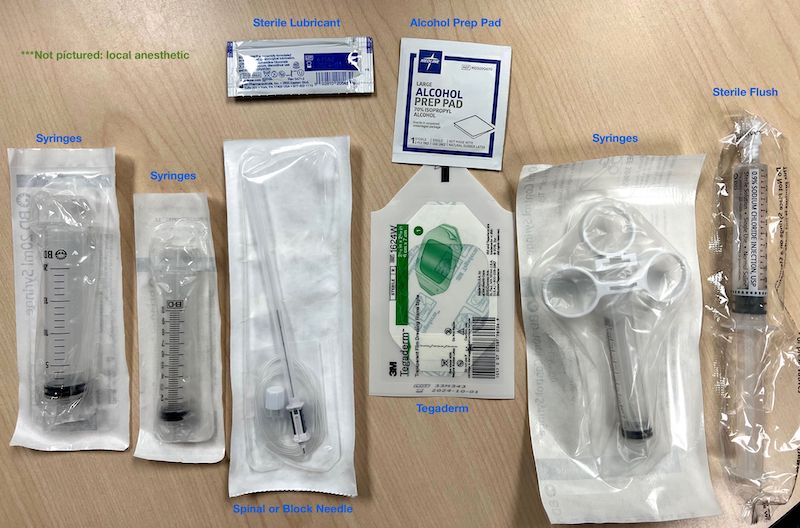
Figure 3. Key supplies needed for the ultrasound-guided fascia iliaca block
- Sterile gel
- Chlorhexidine/alcohol wipes
- Sterile ultrasound probe cover (or equivalent such as Tegaderm dressing, sterile glove, or condom)
- 22-gauge spinal/block needle (50-80 mm) with attached tubing primed with sterile saline
- Local anesthetic
- Superficial: 1% lidocaine (buffered, if available) for skin wheal via 30G needle, or LMX, or EMLA cream
- Block: Long-acting local anesthetic
- 10-20 cc syringes (depending on child’s weight)
- Sterile saline flushes
- Tegaderm dressing to label block after completion
Local Anesthetic (LA) Dosing for Fascia Iliaca Block

Table 1. Local anesthetic medications, their pharmacokinetics, and weight-based maximum dosages [1, 2]
A long-acting local anesthetic (e.g., ropivacaine or bupivacaine) is preferred for this block. Ropivacaine is the preferred anesthetic, because it is thought to be less lipophilic than bupivacaine and, as such, less cardiotoxic and neurotoxic. Minimizing the risk of local anesthetic toxicity is particularly relevant to fascial plane blocks, which remain far from the neurovascular bundle and thus require higher volumes of local anesthetic. This higher volume allows for bathing of the nerve via anesthetic tracking along the fascial plane. Table 1 above illustrates the pharmacokinetics and weight-based dosing maximums for the various local anesthetics.
Table 2 provides guidance on the fascia iliaca block volumes with the medication diluted in 0.9% normal saline to increase the volume. The suggested volumes of local anesthetic and saline depend on the type and concentration of local anesthetic also well as the patient’s ideal body weight, which impacts both the relative size of the potential space in the fascial plane as well as the maximum safe dose.
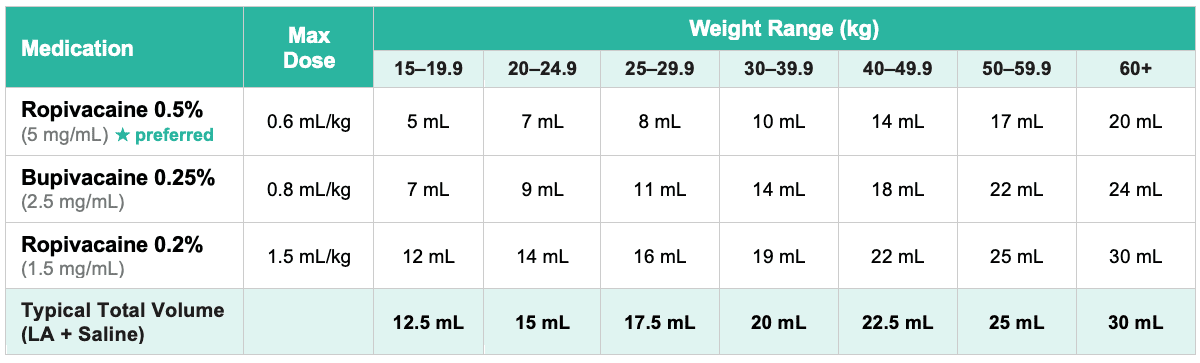
Table 2. Suggested Fascia Iliaca Block Total Volumes with Local Anesthetic + 0.9% Normal Saline [1, 3, 4]
Notes: Use ~½ maximum dose. Use ideal body weight for obese patients. Volumes shown represent local anesthetic (LA) volume. Hydrodissect/dilute with additional 1-10 ml saline to achieve target total block volume.
1. Consult with orthopedist to discuss appropriateness of block.
2. Perform and document a neurovascular and compartment exam prior to and after block.
- Sensation
- Anterior thigh (femoral)
- Medial shin/calf (saphenous/femoral)
- Lateral foot (sural)
- Plantar surface of foot/heel (tibial)
- Dorsal surface of foot (superficial peroneal)
- 1st webspace (deep peroneal)
- Motor
- Great toe extension (extensor hallucis longus)
- Great toe flexion (flexor hallucis longus)
- Foot dorsiflexion (tibialis anterior)
- Foot plantar flexion (gastrocnemius/soleus)
- Vascular
- Dorsalis pedis
- Posterior tibial
- Capillary refill
3. Ensure informed consent with patient and family.
- In addition to discussion of risks/benefits/alternatives, consider the relative need for pre-traction/pre-op pain control vs. post-op pain control. Depending on the dose of local anesthetic and timing of operation, a subsequent intra-operative block may or may not be possible.
4. Position the patient supine with hip and knee in extension.
5. Anticipate the child’s anxiety during the procedure.
- Pro-tip: Depending on the age of the child, the presence of a guardian can be helpful in keeping the child calm and cooperative while undergoing the procedure.
- It may be helpful to have a dedicated person to hold the limb of interest during the procedure.
- Involve a childlife specialist, if available.
- Offering the child a toy, book, or phone/tablet for distraction during the procedure can also help ease anxiety.
- Intranasal or intravenous midazolam may be needed for anxiolysis.
6. Select a linear high frequency ultrasound transducer with a wide footprint.

Figure 4. Ultrasound linear transducer with wide footprint and appropriate ultrasound musculoskeletal setting
7. Apply a single-use probe cover.
- Consider a Tegaderm dressing, sterile glove, condom, or sterile probe cover.
- Discussion of the relevant literature around ultrasound single-use probe covers
8. Ensure proper ergonomics and positioning.
- Adjust the height of the bed.
- Stand on the side of the affected leg.
- Position the ultrasound machine on the opposite side of the bed such that the ultrasound screen is directly in line of sight with the affected leg us without rotating one’s head.

Figure 5. Appropriate patient, proceduralist, and ultrasound positioning with POCUS machine across from the affected leg
9. Place the transducer parallel to the inguinal canal.
- Perform a survey scan to identify landmarks starting from the inguinal canal (Figure 6).
- Aim the probe marker towards the patient’s right. This ensures that the screen image directionally matches the body part being scanned.

Figure 6. Linear ultrasound probe placement parallel to the inguinal ligament with probe marker (red dot) aimed towards the patient’s right (illustration by Dr. Muki Kangwa)
10. Ensure immediate intralipid availability
- Key step: Before starting your procedure, confirm availability of intralipid, the antidote for local anesthetic toxicity.
- Dose: 1.5 ml/kg bolus over 1 minute
- Place patient on cardiac monitor.
- Review the weight-based maximum safe dose of local anesthetic, based on patient’s ideal body weight if they are overweight.
- Local anesthetic maximum dose calculator (MDCalc)
11. Perform ultrasound survey scan and identify the anatomical landmarks (Figure 7)
- Muscles: Iliopsoas, sartorius
- Neurovascular bundle: Femoral nerve, artery, and vein (most medial)
- Fascia: Fascia lata and fascia iliaca

Figure 7. POCUS image of left hip demonstrating the normal anatomy of the femoral artery (FA), femoral vein (FV), fascia iliaca, fascia lata, femoral nerve, and iliopsoas muscle (left is medial and right is lateral)
12. Anesthetize your needle insertion point (adjacent to the lateral edge of the ultrasound probe).
- Use with 1% buffered lidocaine, if available.
- Alternatively, apply topical lidocaine, such as LMX or EMLA on the desired area at least 30 minutes prior to the start of the procedure.
13. Prime the needle and tubing with normal saline.
- The normal saline in the tubing and needle will hydro-dissect the fascial planes prior to injecting the local anesthetic. This helps mitigate the risk for potential local anesthetic toxicity. Furthermore, it ensures appropriate fascial spread prior to injection of the anesthetic, allowing for better visualization of the anatomy and a safe window for anesthetic injection.
- An alternative practice is to prime the needle and tubing with the diluted local anesthetic.
14. Insert the block/spinal needle.
- Visualize the length of the needle in-plane and the needle tip at all times.
- Warning: The needle shaft can easily be confused for the needle tip if the probe is not adequately oriented in parallel with the needle along the entire length. Make subtle rotations in the probe to ensure that the true needle tip is visualized.
15. Identify the femoral nerve.
- Be sure to remain lateral the the femoral nerve (~2 cm). It is NOT necessary to be directly adjacent to the nerve, which increases the risk of nerve injury.
- Use the ‘fanning’ technique to elicit anisotropy and identify the femoral nerve. The nerve is DEEP the fascial plane and lateral to the femoral artery. A common mistake is to misidentify the adipose tissue, which lies SUPERFICIAL to the fascial plane and is immediately lateral to the femoral artery, as the femoral nerve (Figure 8).

Figure 8. POCUS image of the left hip during a fascia iliac block procedure. The adipose tissue (pink) can be confused for the femoral nerve (yellow) which lies below the fascia iliaca (red). The local anesthetic (hypoechoic) is hydrodissecting between the vascular bundle and femoral nerve. FA=femoral artery.
16. Puncture the needle through the fascia iliaca.
- Keep your neurovascular bundle in the corner of your screen as you advance your needle in order to visualize your saline and local anesthetic as you hydro-dissect the nerve from the fascia.
- Be aware of the patient’s comfort throughout the procedure.
17. Practice key safe injection techniques.
- Ensure excellent, real-time needle and needle tip visualization on ultrasound.
- Aspirate and look for blood once the needle is below the fascia iliaca to confirm that you will not inject into the vasculature.
- Hydrodissect the fascial plane with 2-5 mL of normal saline. You will visualize the saline migrating medially towards the neurovascular bundle. Make adjustments in depth to find the correct plane.
- Inject small aliquots (2-5 mL at a time) of local anesthetic. Aspirate between each aliquot to check for blood, allowing time (circulation cycle) between aliquots to monitor the patient for signs of local anesthetic systemic toxicity.
Video 1. POCUS clip of a traditional femoral nerve block block showing hydrodissection. The needle is seen directly below the bright fascia iliaca with anechoic (black) saline injected into the fascial plane. Note that in this clip, the needle tip is directly adjacent to the nerve as in a traditional femoral nerve block, rather than more laterally as in a fascia iliaca block.
Video 2. POCUS clip showing a fascia iliaca block hydrodissection. In comparison to Video 1, this clip shows the needle directly below the bright fascia iliaca with anechoic (black) saline injected into the fascial plane. Note the difference in the needle positioning in comparison to the nerve. This is the correct positioning of your needle, more lateral to the neurovascular bundle compared to the needle positioning in video 1. Video courtesy of Dr. Arun Nagdev (highlandultrasound.com)
Video 3. POCUS clip showing a fascia iliaca block hydrodissection. The pulsatile femoral artery can be seen medially, and the femoral nerve can be seen being displaced downwards below the fascial plane.
18. Instill the appropriate volume of long-acting anesthetic.
- Once the needle is appropriately positioned deep to the fascia iliaca plane, carefully and incrementally instill the weight-based volume of either ropivacaine or bupivacaine, utilizing the safe injection techniques described in step 17.
19. Label your block and document in the medical record.
- Label the block location with a Tegaderm dressing noting time and date of procedure.
- Document the procedure in real-time, including type and dose of local anesthetic, to ensure accurate and timely communication with multidisciplinary care team (e.g., anesthesia, in order to avoid cumulative local anesthetic overdose).
20. Monitor the patient post-procedure.
- Maintain the patient on a cardiac monitor to watch for local anesthetic systemic toxicity for 30 minutes post-block.
- Re-evaluate the patient for efficacy of the block.
There are many errors that can make defining the relevant sono-anatomy difficult, but there are 2 common errors that are easily corrected by small changes in probe placement.
1. Error: Probe placement distal to femoral artery bifurcation
Problem: In order to get the view needed for a successful block, the operator must image the vasculature at the level of the common femoral artery, prior to its bifurcation. When distal to the common femoral artery, the structures that are seen are usually the superficial and deep femoral arteries (Figure 9 and Video 4). At this level, the femoral nerve and the fascia iliaca can be difficult to visualize.
Solution: Slide the probe cephalad and position it just inferior to the inguinal ligament. The common femoral artery is well-visualized at this level.

Figure 9. Arterial anatomy of the thigh, adapted from Wikimedia Commons (left); POCUS image of the femoral artery bifurcation. which is too distal for fascia iliaca block (right)
Video 4. POCUS clip showing a femoral artery bifurcation, which is too distal for the fascia iliaca block
2. Error: Incorrect probe angle
Problem: If the probe is not perpendicular to the common femoral artery, the artery will be visualized, but the fascia iliaca and iliopsoas muscle can be difficult to locate.
Solution: Keep the probe parallel to the inguinal ligament, which aligns it perpendicularly to the common femoral artery (Figure 10).

Figure 10. Proper ultrasound probe positioning means placing the probe parallel to the inguinal canal and perpendicular to common femoral artery. Grey: probe with probe marker to patients right, Purple: inguinal canal, Red: femoral artery (illustration by Dr. Muki Kangwa)
- Quadriceps muscle spasms: These are usually secondary to anesthetic injection directly into the femoral nerve.
- Delayed recognition of compartment syndrome: This is less common in the thigh compartment compared to the lower leg.
- Fractures account for approximately 75% of cases of acute extremity compartment syndrome. The risk increases with increasing severity of the fracture (e.g., comminuted fractures). The tibia is involved most often, with acute compartment syndrome developing in approximately 1-10% of such fractures.
- Local anesthetic systemic toxicity (LAST) is a rare event resulting from dose-dependent blockade of the sodium channels in the cardiovascular and central nervous system.
- Risk of LAST can be mitigated by:
- Calculating the maximum safe dose for the anesthetic and patient’s weight
- Real-time cardiac monitoring
- Continuous needle visualization to ensure proper placement of anesthetic
- Aspirating prior to each injection
- Hydrodissection of fascial plane with saline prior to anesthetic
- Injection of small aliquots and monitoring for signs/symptoms during circulation cycle
- Monitoring of the patient for 30 minutes as per American Society of Regional Anesthesia and Pain Management recommendations.
- Mild-moderate LAST toxicity
- Oral numbness and tingling
- Metallic taste
- Tinnitus
- Nausea and dizziness
- Severe LAST toxicity
- Tremors
- Convulsions
- Bradycardia and other cardiac arrhythmias
- Respiratory depression
- Hypotension
- Cardiac arrest
- Treatment
- Lipid emulsion (20%) – 1.5 mL/kg followed by continuous infusion at 0.25 mL/kg/min
- For more local anesthetic systemic toxicity resources, visit asra.com
- Risk of LAST can be mitigated by:
Nerve blockade is being performed widely by many emergency medicine physicians, and is now becoming standard of care in an attempt to reduce the amount of opiates used particularly in the elderly with femoral fractures. However, ultrasound guided nerve blockade it is not a core skill found in most pediatric emergency medicine curricula, and the lack of educational training presents a barrier to implementation within Pediatric Emergency Medicine. Prior studies of fascia iliaca nerve blockade have shown great success and improved pain control. A few of these studies are summarized below.
| Year | Authors | Title | Study Type | Findings |
|---|---|---|---|---|
| 2007 | Wathen JE et al. | Randomized Controlled Trial Comparing a Fascia Iliaca Compartment Nerve Block to a Traditional Systemic Analgesic for Femur Fractures in a Pediatric Emergency Department (PMID 17210208) | Randomized controlled trial | Fascia iliaca compartment block performed by pediatric emergency medicine attendings and fellows for children ages 15 months to 18 years with a femur fracture can result in lower pain scores, longer duration of analgesia, and higher staff satisfaction in comparison with traditional analgesia. |
| 2012 | Frenkel O et al. | Ultrasound-guided Femoral Nerve Block for Pain Control in an Infant with a Femur Fracture due to Non-accidental Trauma (PMID 22307191) | Case report | Case report of a 3-month-old female with a subtrochanteric femoral neck fracture due to non-accidental trauma requiring multiple doses of IV pain medication. An ultrasound-guided femoral nerve block was performed using 2 mL of 0.25% bupivacaine for placement into a Pavlik harness. The patient only required 1 dose of analgesia in 18 hours following the femoral nerve block. |
| 2014 | Turner AL et al. | Impact of Ultrasound-guided Femoral Nerve Blocks in the Pediatric Emergency Department (PMID 24651214) | Retrospective cohort study | In a pre- and post-implementation retrospective cohort study of children with femur fractures in a pediatric ED, an ultrasound-guided femoral nerve block was associated with a 3-times longer duration of initial analgesia (6 hr vs 2 hr), lower total morphine dose, and fewer nursing interventions in comparison with systemic analgesia alone. |
| 2014 | Neubrand T et al. | Fascia Iliaca Compartment Nerve Block Versus Systemic Pain Control for Acute Femur Fractures in the Pediatric Emergency Department (PMID 24977991) | Retrospective chart study | Retrospective chart review of children receiving systemic analgesia (control) vs fascia iliaca nerve block evaluating effectiveness and adverse effects. Outcomes included total doses of systemic medications received and comparison of pre- and post-intervention pain scores. Effectiveness, as measured by pain scores and total doses of systemic analgesia, was improved in the fascia iliaca nerve block group versus the control. There was no difference in adverse events between the groups. |
| 2022 | Heffler MA et al. | Ultrasound-Guided Regional Anesthesia of the Femoral Nerve in the Pediatric Emergency Department (PMID 35245015) |
Multicenter retrospective case series | Ultrasound-guided regional anesthesia of the femoral nerve (fascia iliaca compartment block, n=70; femoral nerve block, n=15) was performed by residents, fellows, and attendings with varying degrees of formal POCUS training for pediatric patients aged 50 days to 15 years at 6 pediatric emergency departments across North America. There were no reported complications across a heterogenous patient population at these 6 tertiary care centers, supporting the safety and generalizability of these techniques. |
Table 4. Published studies supporting effectiveness of POCUS fascia iliaca nerve block in pediatric patients.
Full Video of Fascia Iliaca Nerve Block
Video 5. POCUS clip of the complete fascia iliaca block procedure. The clip starts with an initial anatomy scan, followed by needle visualization, and lastly hydrodissection.
Case Resolution
Given that the patient remains in significant painful distress despite non-opioid analgesia, you decide to incorporate POCUS-FINB to your evaluation and treatment.
The patient is evaluated by the on-call orthopedic team member and is found to have no evidence of neurovascular compromise or signs and symptoms of compartment syndrome. You confirm the availability of lipid emulsion (intralipid) in the emergency department and calculate the maximum safe dose of your anesthetic.
- The patient weighs 20 kg.
- The MAXIMUM safe dose of 0.2% ropivacaine (3 mg/kg) equals 60 mg, or 30 mL.
- Looking at your institutional guidelines and Table 2 you decide to use 12 mL, which is well underneath this maximum dose.
- You add 3 mL of saline to increase the overall fluid volume to reach the weight-based target goal of 15 mL volume for the fascia iliaca procedure.

Tables 1 and 2 (cropped from original tables): Local anesthetic medications and their pharmacokinetics, weight-based maximum doses, and suggested total volumes (anesthetic + 0.9% normal saline) for fascia iliaca block
The patient undergoes a safe and effective fascia iliaca nerve block with her pain score improving from a 10 to a 2. The orthopedic team is able to place the patient into traction prior to transfer to the operating room.
Orthopedic Clinic Follow-Up
At her orthopedic follow-up visit 4 weeks later, she’s doing well with minimal pain. Her follow up x-ray demonstrates appropriate healing with new bone formation.
Learn More…
References
- Suresh S, Polaner DM, Coté CJ. 42 – Regional Anesthesia. In: Coté CJ, Lerman J, Anderson BJ, eds. A Practice of Anesthesia for Infants and Children (Sixth Edition). Elsevier; 2019:941-987.e9.
- Gadsen J. Local Anesthetics: Clinical Pharmacology and Rational Selection. The New York School of Regional Anesthesia website, October 2013.
- Dalens B. Lower extremity nerve blocks in pediatric patients. Techniques in Regional Anesthesia and Pain Management. January 2003 2003;7(1):32-47.
- Karmakar MK, Kwok WH. 43 – Ultrasound-Guided Regional Anesthesia. In: Coté CJ, Lerman J, Anderson BJ, eds. A Practice of Anesthesia for Infants and Children (Sixth Edition). Elsevier; 2019:988-1022.e4.
Additional Reading
- Black KJ, Bevan CA, Murphy NG, et al. Nerve blocks for initial pain management of femoral fractures in children. Cochrane Database Syst Rev. 2013(12):CD009587.
- Bretholz A, Doan Q, Cheng A, et al. A presurvey and postsurvey of a web- and simulation-based course of ultrasound-guided nerve blocks for pediatric emergency medicine. Pediatr Emerg Care. 2012;28(6):506-9. PMID 22653464
- Chenkin J, Lee S, Huynh T, et al. Procedures can be learned on the Web: a randomized study of ultrasound-guided vascular access training. Acad Emerg Med. 2008;15(10):949-954. PMID 18778380
- Coté, Charles J., et al. “Chapter 42: Regional Anesthesia.” A Practice of Anesthesia for Infants and Children, Elsevier, Philadelphia, PA, 2019.
- Frenkel O, Mansour K, Fischer JW. Ultrasound-guided femoral nerve block for pain control in an infant with a femur fracture due to nonaccidental trauma. Pediatr Emerg Care. 2012 Feb;28(2):183-4. PMID 22307191
- Heffler MA, Brant JA, Singh A, et al. Ultrasound-Guided Regional Anesthesia of the Femoral Nerve in the Pediatric Emergency Department [published online ahead of print, 2022 Jan 10]. Pediatr Emerg Care. PMID 35245015
- Lam-Antoniades M, Ratnapalan S, Tait G. Electronic continuing education in the health professions: an update on evidence from RCTs. J Contin Educ Health Prof. 2009;29(1):44-51. PMID 19288566
- Lin-Martore M, Olvera MP, Kornblith AE, et al. Evaluating a Web‐based Point‐of‐care Ultrasound Curriculum for the Diagnosis of Intussusception. Academic Education and Training. 2020 Sep 23;5(3):e10526. PMID 34041433
- Marin JR, Lewiss RE, American Academy of Pediatrics CoPEM, et al. Point-of-care ultrasonography by pediatric emergency physicians. Policy statement. Ann Emerg Med. 2015;65(4):472-478. PMID 25805037
- Neubrand TL, Roswell K, Deakyne S, Kocher K, Wathen J. Fascia iliaca compartment nerve block versus systemic pain control for acute femur fractures in the pediatric emergency department. Pediatr Emerg Care. 2014 Jul;30(7):469-73. PMID 24977991
- Thigh Arteries Schema. Wikimedia Commons, 23 July 2010. Accessed 17 Dec. 2021.
- Turner AL, Stevenson MD, Cross KP. Impact of ultrasound-guided femoral nerve blocks in the pediatric emergency department. Pediatr Emerg Care 2014 Apr;30(4):227-9. PMID 24651214
- Vieira RL, Hsu D, Nagler J, et al. Pediatric emergency medicine fellow training in ultrasound: consensus educational guidelines. Acad Emerg Med. 2013;20(3):300-6. PMID 23517263
- Wathen JE, Gao D, Merritt G, et al. A randomized controlled trial comparing a fascia iliaca compartment nerve block to a traditional systemic analgesic for femur fractures in a pediatric emergency department. Ann Emerg Med. 2007. ;50(2):162-171.e1. PMID 17210208
