


A Tale of Two Epidemics: COVID-19 and the Opioid Crisis
 The United States is currently dealing with 2 deadly, concurrent epidemics: COVID-19 and the opioid crisis. Both need viable solutions. The better we are equipped to address one, the more effective we can be at treating the other. Counterintuitively, now is actually the best time to get waivered. It’s imperative that we do so for 3 reasons:

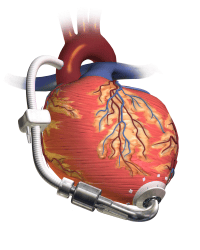 Left ventricular assist devices (LVADs) have moved from being a bridge to a heart transplant to destination therapy for patients with severe heart failure. Although their use in the general public has increased, they still provide a challenge to the emergency medicine (EM) physician. This series aims to cover the basics of how the EM physician approaches the care of these patients.
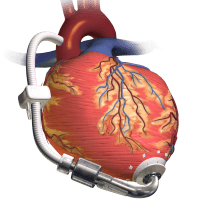 Left ventricular assist devices (LVADs) have moved from being a bridge to a heart transplant to destination therapy for patients with severe heart failure. Although their use in the general public has increased, they still provide a challenge to the emergency medicine (EM) physician. This series aims to cover the basics of how the EM physician approaches the care of these patients.
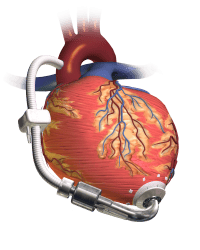 Left ventricular assist devices (LVADs) have moved from being a bridge to a heart transplant to destination therapy for patients with severe heart failure. Although their use in the general public has increased, they still provide a challenge to the emergency medicine (EM) physician. This series aims to cover the basics of how the EM physician approaches the care of these patients.