ACMT Toxicology Visual Pearls: Blue Urine
 A bedside urine test for a pesticide is positive as shown in the photo. What pesticide is being detected?
- Chlorpyrifos
- Diquat
- Glyphosate
- Paraquat



A bedside urine test for a pesticide is positive as shown in the photo. What pesticide is being detected?
 A 2-year-old previously healthy boy presents to the emergency department (ED) acting sleepier than usual. Yesterday, he was in his usual state of health, but this morning he didn’t wake up at his usual time of 6 am. When his father went to his room at 7 am, the child was lying in bed. He opened his eyes to look at his father, but did not get out of bed. The mother and father deny any trauma, fever, or seizure activity.
 We are proud to present Capsules Module 11: Acute Agitation, now published on ALiEMU. We present a summary of the module with key points from a stellar module by PharmDs Jenny Koehl, Kyle DeWitt, Gabrielle Procopio, and Zlatan Coralic. When you’re finished, head over to the Capsules page for even more practical pharmacology for the EM provider.
(more…)
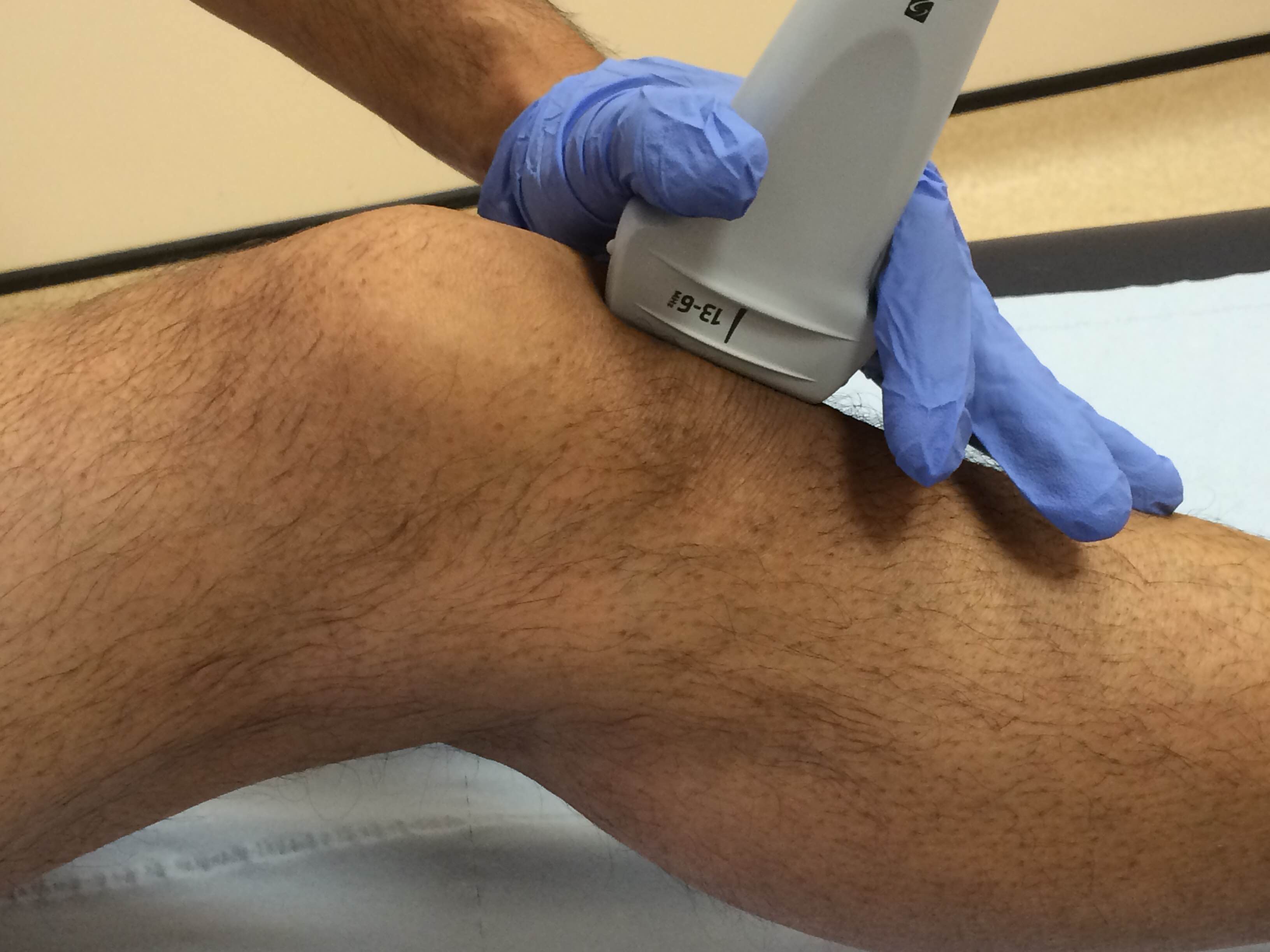 A 70-year-old female with no past medical history was hit by a motor vehicle while crossing the street. She experienced no head strike or loss of consciousness, however she was unable to ambulate at the scene, and upon arrival to the ED, complained of left knee pain. The emergency physician noted moderate swelling on exam with intact skin and distal pulses. She was tender to palpation over the proximal tibia. Portable 2-view radiographs were obtained and interpreted as “no acute fracture.” On repeat examination, however, the patient continued to have pain and was now unable to bear weight on the affected extremity. Is there a role for point-of-care ultrasound (POCUS) in this situation?
 Care of acute ischemic stroke patients is a complex and time-sensitive team effort. There is a potentially dangerous trend in the medical literature over the past few years that seems to be increasing as of late: reversing anticoagulation in order to administer systemic thrombolytic therapy. The purpose of this post is to highlight the available literature on this topic, specifically related to the direct acting oral anticoagulants (DOACs), and discuss why we should not support this practice (at least as of today).
 The reported accuracy of the urinalysis (UA) for diagnosing urinary tract infections (UTI) is febrile infants ≤ 60 days has been widely variable. Some guidelines specifically exclude these patients due to this variability or recommend urine culture as the primary test.1
Accuracy of the Urinalysis for Urinary Tract Infections in Febrile Infants 60 Days and Younger, published in Pediatrics in February of 2018, addressed this topic head-on.2 The authors sought to evaluate the accuracy of the UA by analyzing data in a planned secondary analysis of a prospectively collected data set, as part of the Pediatric Emergency Care Applied Research Network (PECARN). We review this publication and present a behind-the-scenes podcast interview with lead author Dr. Leah Tzimenatos.
(more…)
 The American College of Emergency Physicians (ACEP) features 3 quality improvement targets within their Emergency Quality Network (E-QUAL) initiative: sepsis, imaging, and chest pain. Most recently, they added a fourth new focus on the opioid epidemic. This opioid initiative covers best-practice approaches and strategies for managing opioid-related complications. In collaboration with ACEP E-QUAL, we have remixed and distilled 5 of their webinars into 4 podcasts.