


Ultrasound For The Win! Case – 64M with Fever and Scrotal Pain #US4TW
 Welcome to another ultrasound-based case, part of the “Ultrasound For The Win!” (#US4TW) Case Series. In this series, we focus on a real clinical case where point-of-care ultrasound changed the management or aided in the diagnosis. In this case, a 64-year-old man presents with acute onset scrotal pain and fever.
(more…)
 Patients presenting to the ED with respiratory distress and a tracheostomy can unnerve almost any provider, and management is often fraught with preventable errors.
 We are proud to present Capsules Module 10: Concepts in Infectious Disease, now published on
 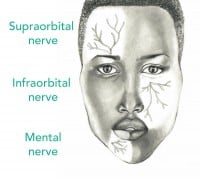 Regional nerve blocks of the face and ear can be a wonderful choice of analgesia in a child, particularly for wounds that need to be repaired. The benefits include fewer local injections, improved cosmesis due to less wound margin distortion, and improved analgesia within the nerve region.