



I am Dr. Michael Schick, Co-Director of Technology Enabled Active Learning: How I Stay Healthy in EM
Dr. Michael Schick is an emergency physician from the University of California. Dr. Schick keeps well by maintaining resiliency and always trying to find that fine balance. When he is not busy in the department, he can be found staying active or spending time with his family. Here’s how he stays healthy in EM! [+]
2016-17 Faculty Incubator Year End Report: An incredible inaugural year
In 2016, we launched a little experiment in faculty development with an elite group of junior and mid-career faculty members from North and South America. Twelve months later, we are happy to report that we all survived… and thrived! It’s been one heck of a year! Read about what we did in our 2016-17 Faculty Incubator Year End Report. [+]

ACMT Toxicology Visual Pearls: Exotic Viper Envenomation
A man was bitten twice on the dorsal radial aspect of his right hand while feeding his pet West African Bush Viper. The patient immediately tied multiple tourniquets around his right arm before presenting to the emergency department. During examination he is complaining of swelling and severe pain in his right upper extremity, but has no other complaints. What are the appropriate next steps in managing this patient? Apply ice to the bites Measure compartment pressures in the right arm and forearm Perform a fasciotomy Remove the tourniquets and order hematologic studies Use a venom extractor to reduce venom burden [+]

MEdIC Series: The Case of the Solo Senior
Welcome to season 4, episode 7 of the ALiEM Medical Education in Cases (MEdIC) series! Our team (Drs. Tamara McColl, Teresa Chan, John Eicken, Sarah Luckett-Gatopoulos, Eve Purdy, Alkarim Velji and Brent Thoma) is pleased to welcome you to our online community of practice where we discuss the practice of academic medicine! This month, we present a case of an emergency attending who questions the common consultant call-etiquette of not contacting attending physicians to provide back-up on a busy call shift. [+]

Wellness and Resiliency During Residency: Professional Identity Formation (featuring a podcast with Dr. Michael Weinstock)
“So I had medicine in my blood. But just because you have medicine in your blood doesn’t mean that it’s always smooth sailing.” —Michael Weinstock, MD What is “professional identity formation”? As Abraham Fuks and colleagues once said, “One does not simply learn to be a physician, one becomes a physician.”1 Professional Identity Formation (PIF) is the slow transformative process by which an idealistic pre-medical college student becomes a battle-hardened emergency physician attending. PIF occurs slowly over years of exposure to the culture of medicine. From Day 1 of medical school, we watch how doctors in the world around us [+]
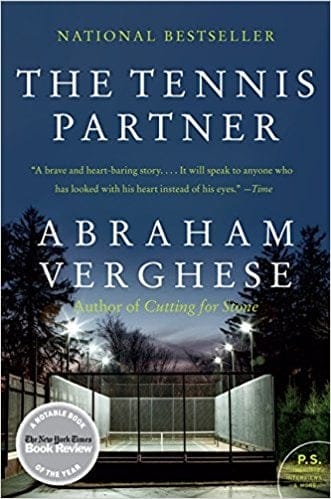
ALiEM Book Club: The Tennis Partner
“Gripping… The Tennis Partner is a sincere and self-effacing book by a physician who well knows that there are things in the human heart that no electrocardiogram can detect.” – Times Literary Supplement Abraham Verghese, a board-certified physician and a professor at Stanford University is a critically acclaimed, best-selling author. The Tennis Partner is an autobiographical memoir written by Verghese during a time of great turmoil in his life – an unraveling marriage while balancing a brand new attending position in El Paso, TX. He writes about his friendship with David Smith, a young Australian medical student that he meets. The book illuminates the [+]
AIR-Pro: Gastroenterology
Welcome to the Gastroenterology AIR-Pro Module. Below we have listed our selection of the 10 highest quality blog posts related to 4 advanced level questions on toxicology topics posed, curated, and approved for residency training by the AIR-Pro Series Board. The blogs relate to the following questions: Cirrhosis and variceal bleeding Food impaction Management of diverticulitis Airway management in the gastrointestinal bleed In this module, we have 8 AIR-Pro’s and 2 Honorable Mentions. To strive for comprehensiveness, we selected from a broad spectrum of blogs identified through FOAMSearch.net and FOAMSearcher. [+]
MEdIC Series: The Case of the Lazy Learners – Expert Review and Curated Community Commentary
The Case of the Lazy Learners outlined a scenario of an emergency attending, Chris, who questions the work-ethic, dedication, and professionalism of his residents after an on-shift teaching interaction. This month, the MEdIC team (Tamara McColl, Teresa Chan, Sarah Luckett-Gatopoulos, Eve Purdy, John Eicken, Alkarim Velji, and Brent Thoma), hosted a discussion around this case with insights from the ALiEM community. We are proud to present to you the Curated Community Commentary and our expert opinions. Thank-you to all participants for contributing to the very rich discussions surrounding this case! [+]
The Post-ROSC Checklist: Standardizing Clinical Practices
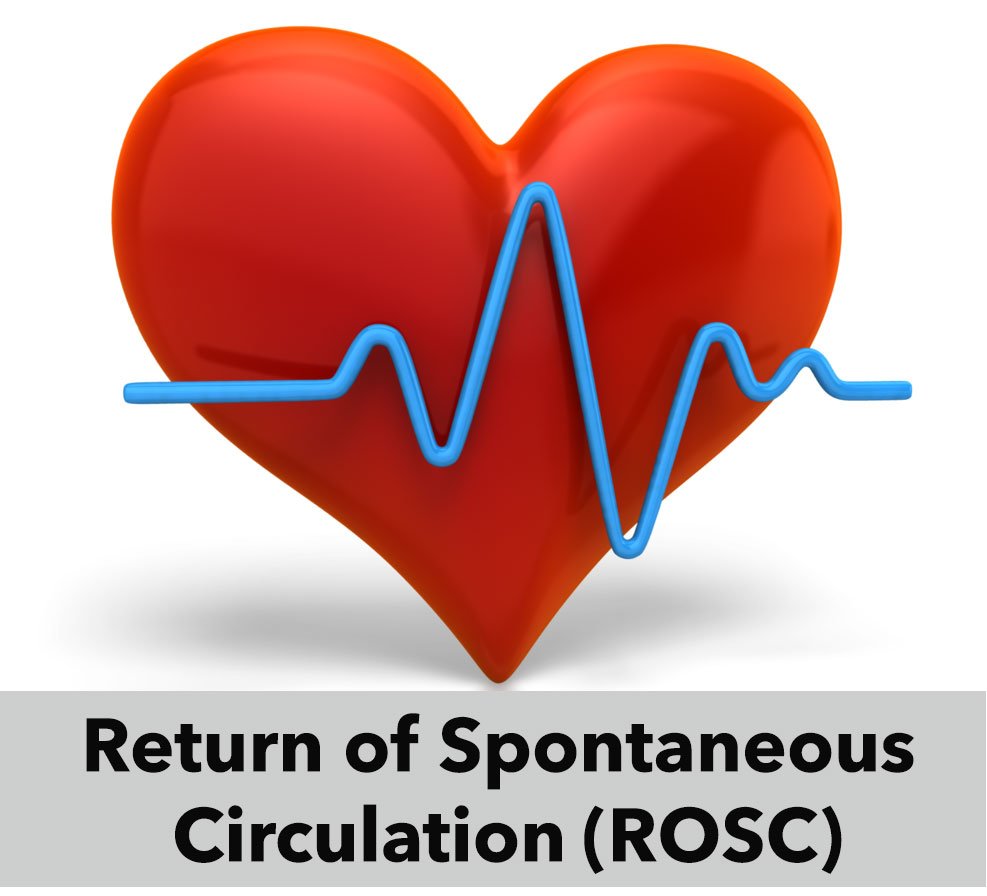
In emergency medicine, we are so heavily trained in resuscitation that any senior resident could recite the ACLS algorithm to you after being woken up at 3 am. However, the real work begins after the pulse return. Up to two-thirds of patients with return of spontaneous circulation (ROSC) will not survive to discharge.1,2 This approach, modeled after the 2015 American Heart Association Guidelines3 and an excellent review article by Dr. Jacob Jentzer et al,4 can help guide you through the chaos to stabilize your next post-ROSC patient. [+]

EM Match Advice Series: Advice for the Non-EM Resident Applying To EM
Match season came to a close last month – and with that, some 17,000 U.S. medical school seniors earned a PGY-1 position. Most will go on to complete these programs and have happy, successful careers in their chosen specialty. But for a small number, second thoughts will creep in during residency. Maybe a life event changes the way a resident looks at his or her role in providing care; or perhaps exposure to another specialty – EM for example – occurred late in the fourth year of medical school. For these atypical applicants, there is a dearth of resources to help [+]