


Study: Thematic analysis of our “How I Work Smarter” series

In 2014-15, we hosted a “How I Work Smarter” (HIWS) series, led by Dr. Ben Azan, focusing on the individual strategies of high-performing, successful emergency physicians. After the conclusion of the series, Ben went one step further and recruited a team which included Drs. Marilyn Innes, Brent Thoma, myself, Alex Van Duyvendyk, Zafrina Poonja, and Teresa Chan to conduct a thematic analysis, which was just published in Cureus [open access full text].1 Although the content is from 2014-15 and many of the featured contributors have moved institutions with different roles, the themes and tips remain salient and informative in today’s era of digital and cognitive overload in the clinical and non-clinical environments.
(more…)



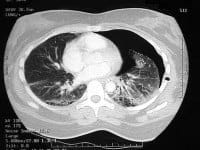 A 32 year old woman arrives in your emergency department after being in a motor vehicle collision where she was the seat-belted driver. She undergoes chest CT imaging despite a negative chest x-ray because of her ongoing anterior chest wall diffuse tenderness. You discover a small 10% pneumothorax (PTX), but no other associated thoracic injuries. Should you place a tube thoracostomy (chest tube)? Should this patient be admitted to the hospital? A 2019 Annals of Emergency Medicine paper by the NEXUS Chest research group tackles these questions.