ACMT Toxicology Visual Pearl: Salt, not Shock
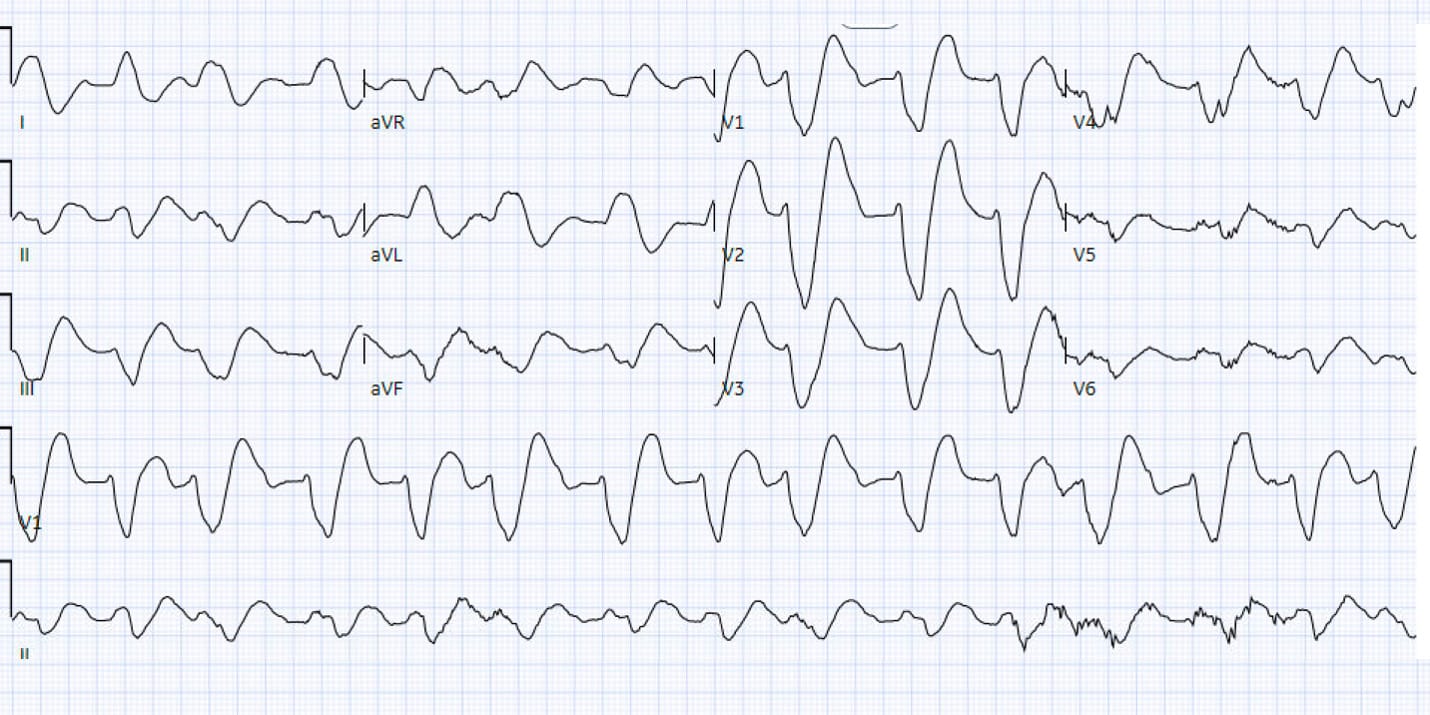
What agent would most likely be responsible for these ECG findings?
- Cyclobenzaprine
- Digoxin
- Flecainide
- Sotalol



What agent would most likely be responsible for these ECG findings?
An 86-year-old man with a past medical history of coronary artery disease, hypertension, hyperlipidemia, chronic kidney disease, COPD, choledocholithiasis requiring ERCP and sphincterotomy 2 years ago presented with five days of feeling unwell. History was limited due to cognitive impairment. His daughter had reported to staff he had been feeling unwell for five days, intermittently having nausea and generalized abdominal pain, subjective fevers, chest pain, and shortness of breath. His daughter also reported a history of intermittent lower abdominal cramping which was chronic for him. He denied changes to urination or bowel movements.
Vitals: BP 106/67, Temp 36.2°C, Pulse 115, Resp 20, SpO2 95%
General: Nontoxic appearing, no distress
Heart: Regular, no murmurs
Lungs: Clear bilaterally, normal work of breathing
Abdomen: Diffusely tender, greatest in left upper quadrant
CBC with differential: WBC 14.1, Neutrophil 12% (high)
Comprehensive metabolic panel (CMP): Total bilirubin 2.7 (high), AlkP 328 (high), AST/ALT normal
Lipase: Normal
Troponin x2: Negative
Chest x-ray: No acute abnormality
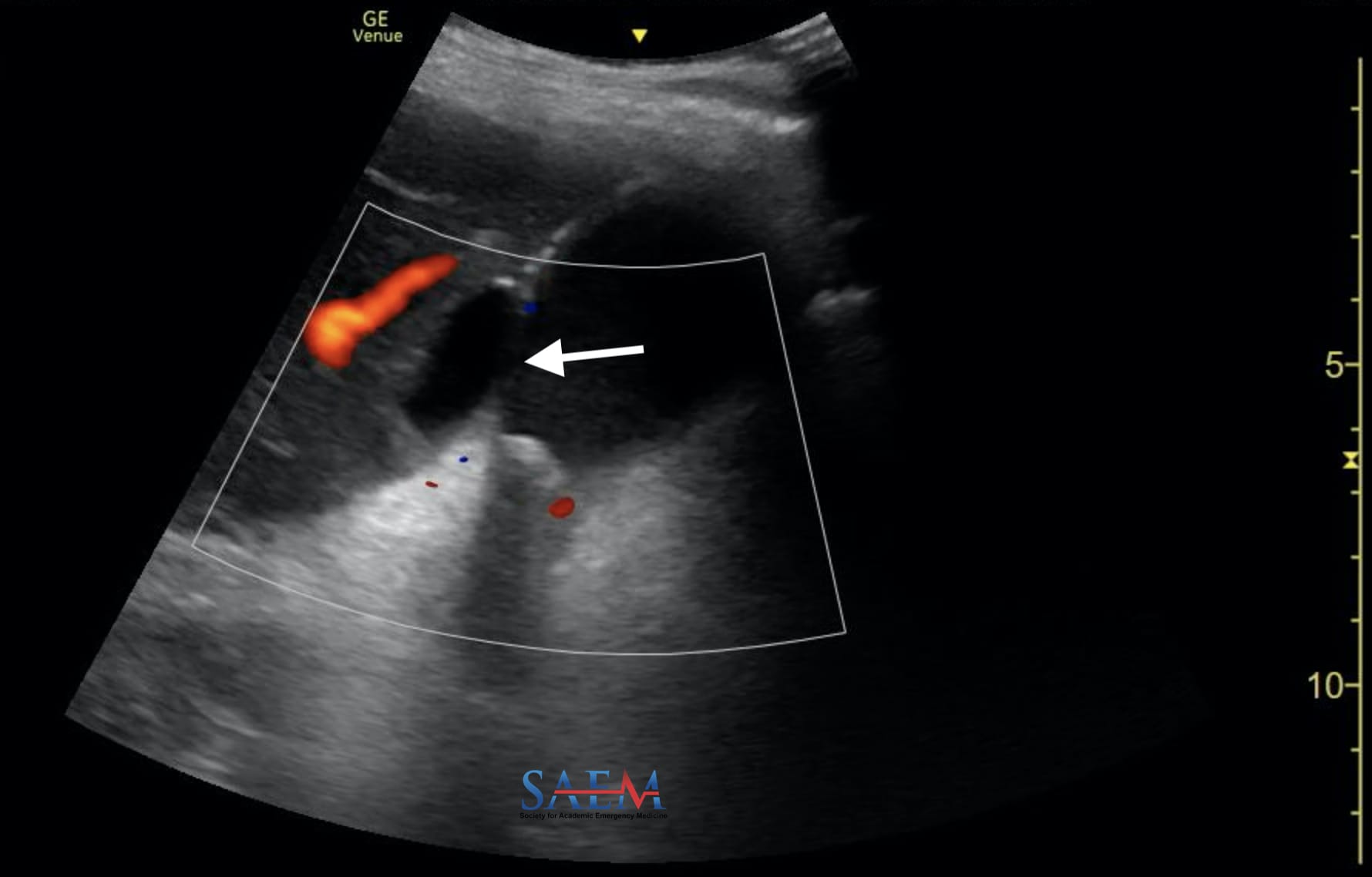
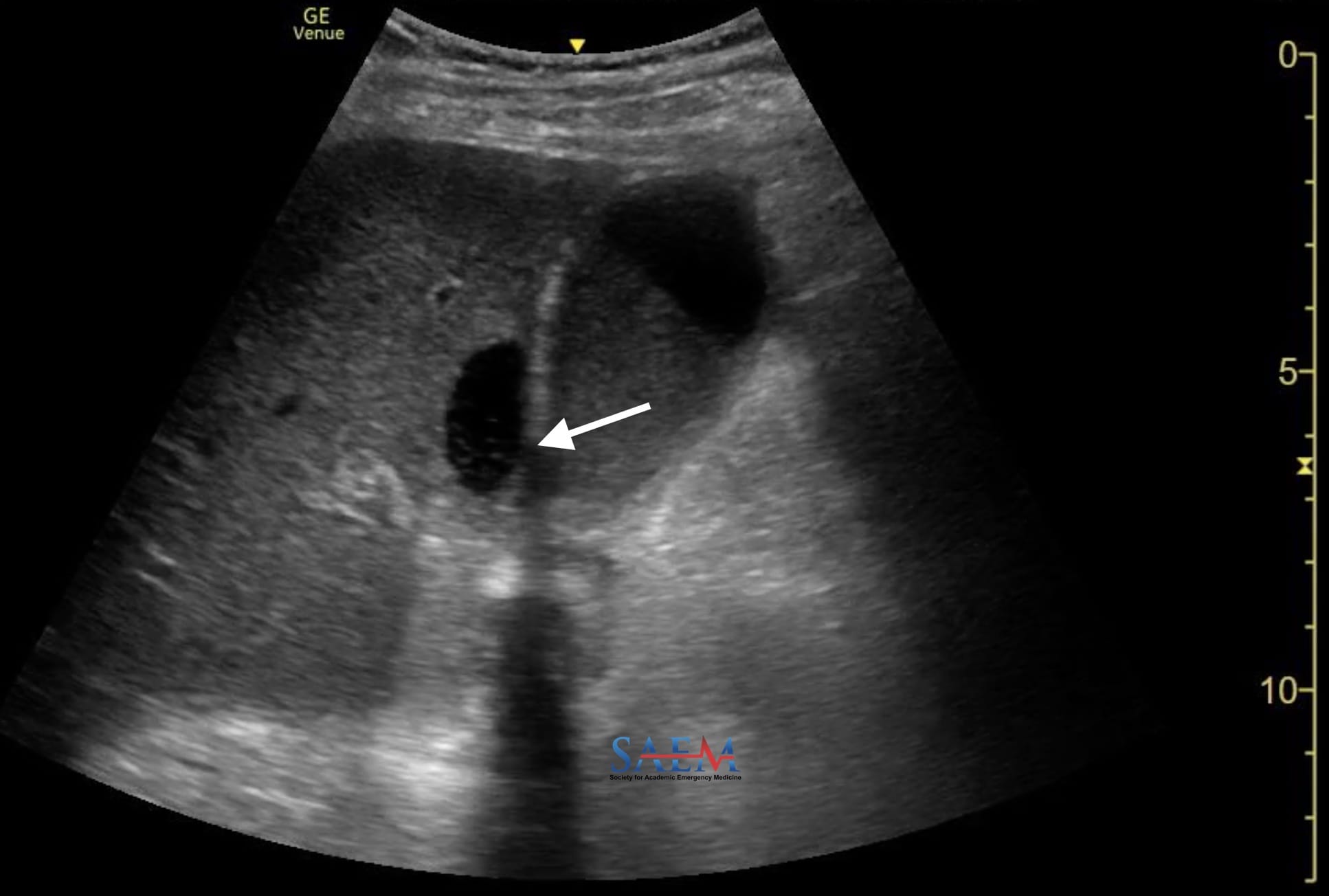
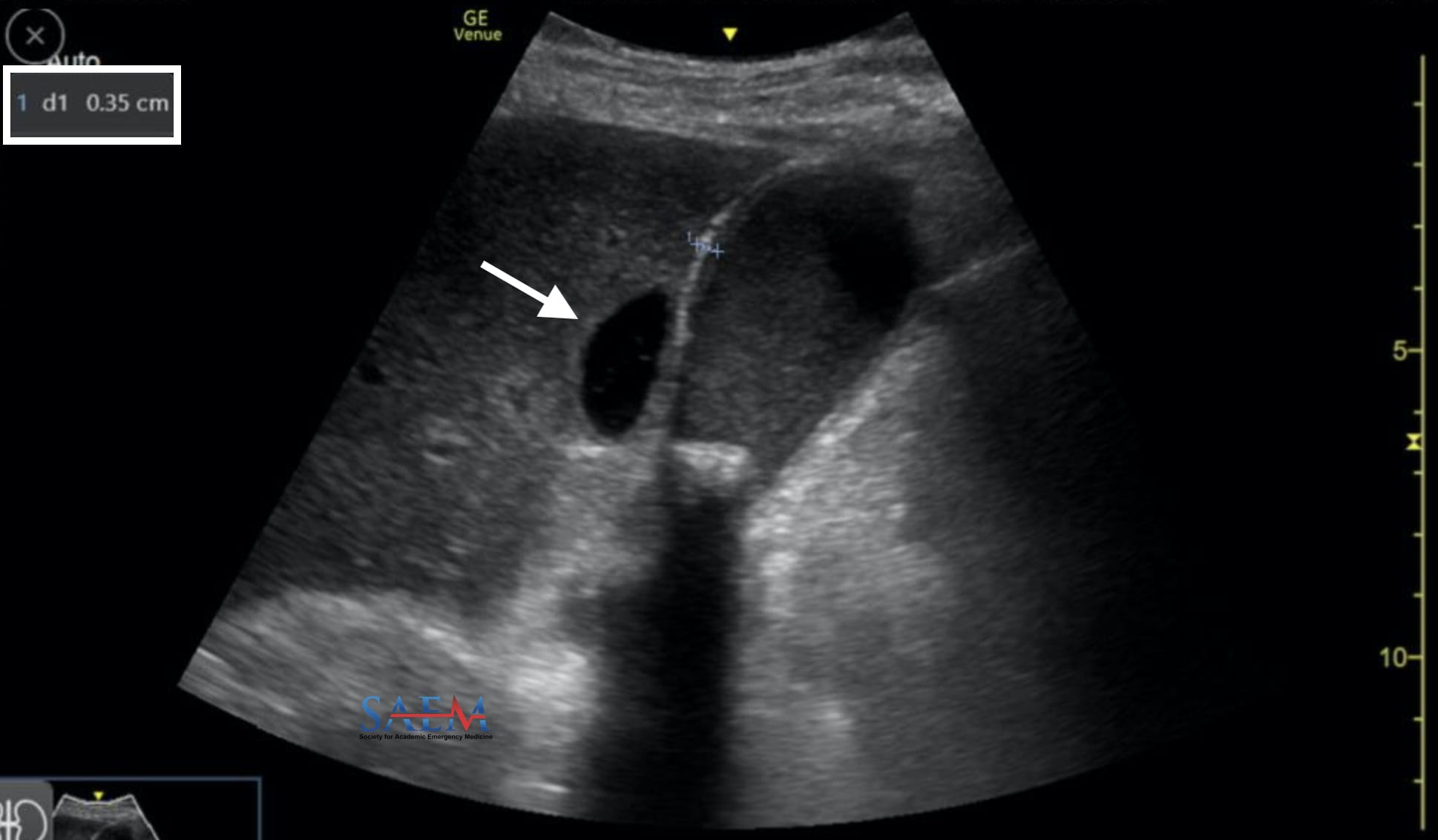
This patient has sonographic evidence of perforated gangrenous cholecystitis which was confirmed on subsequent CT scan. Gallbladder perforation is a complication of cholecystitis and has a reported incidence of 5-10%. It has been reported as early as two days after the onset of symptoms to as late as several weeks afterward. The most common site of perforation is the fundus due to relatively poor blood supply. In this case, the culprit perforation was in the proximal body adjacent to the stone which is suspected to have eroded through the wall.
Figure 1 depicts a minimally thickened gallbladder wall measured at 3.5 mm with a large shadowing stone-in-neck and associated perihepatic fluid collection (arrow) with a subtle intraluminal membrane and wall irregularity consistent with gangrenous cholecystitis. Figure 2 doppler images show no flow within the fluid collection and a suspiciously thin gallbladder wall (arrow). Figure 3 again highlights an irregular wall with small “hole sign” (arrow) signifying perforation of the gallbladder into the adjacent fluid collection. This patient was admitted to the hospital’s general surgical service and treated with IV broad-spectrum antibiotics and a percutaneous cholecystostomy tube placed by interventional radiology.
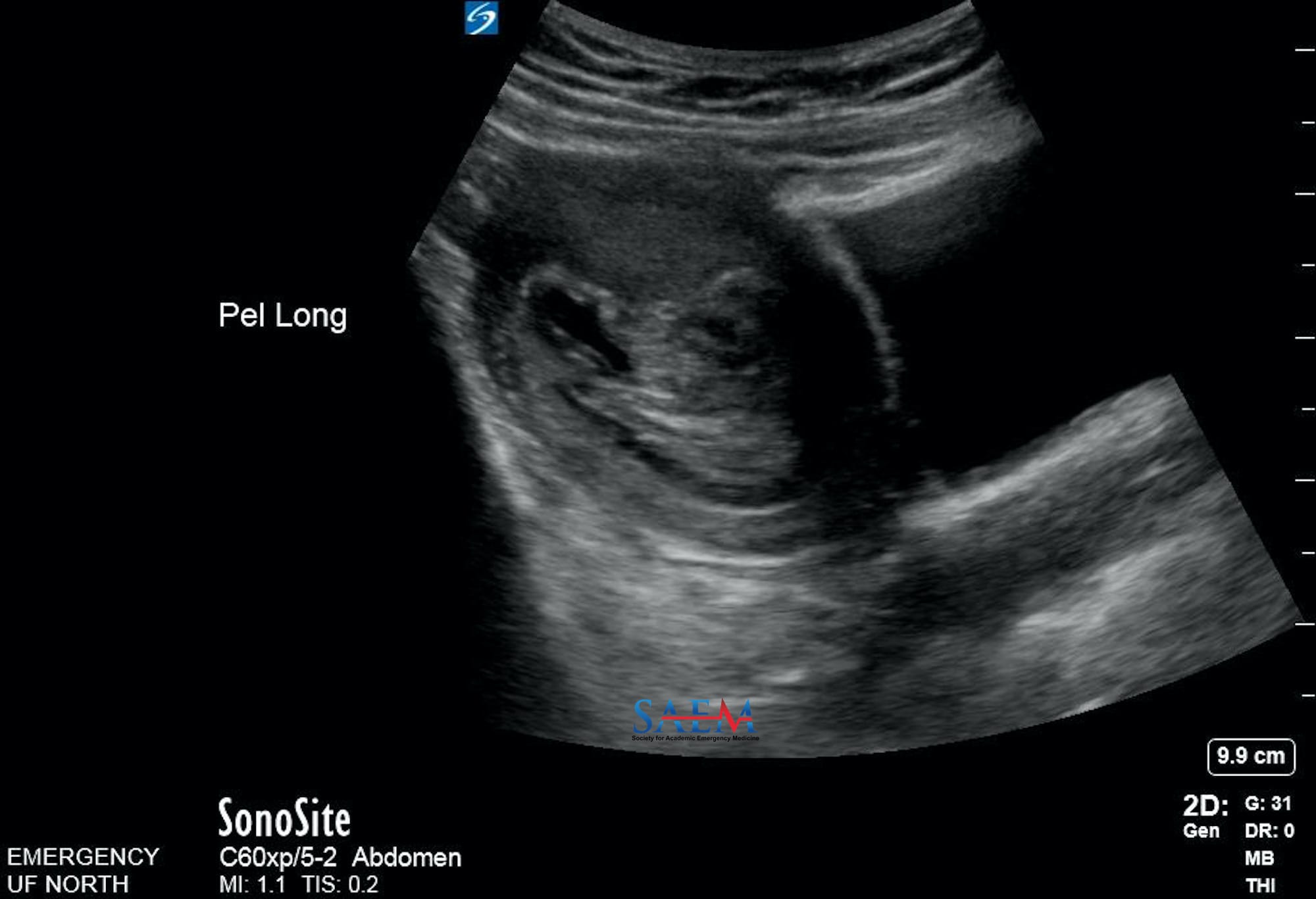
A 28-year-old female G3P2002 presented to the emergency department for one month of vaginal bleeding. The patient was seen in the emergency department one month earlier for vaginal bleeding in the first trimester of pregnancy. Her estimated gestational age was six weeks by last menstrual period. At the time her beta-hCG was 7225 mlU/mL with no intrauterine pregnancy demonstrated on transvaginal ultrasound. Three days later, the patient had declining b-hCG and transvaginal ultrasound again with no intrauterine pregnancy. The patient was discharged home with a diagnosis of miscarriage. Since discharge, she endorsed an initial slowing of vaginal bleeding but over the last two weeks bleeding had become heavier and continuous; soaking up to eight pads a day. She endorsed worsening nausea and vomiting over the past two weeks. She has been sexually active since her last encounter. She denied abdominal pain, pelvic pain, cramping, dizziness, shortness of breath, or fevers.
Vitals: BP 136/70; Pulse 96; Temp 97.8°F; Resp 16; SpO2 100%
Constitutional: No distress
Cardiovascular: Normal rate, regular rhythm, normal heart sounds
Abdomen: Soft and non-tender; Gravid uterus approximately 10 weeks
Pelvic exam: Active vaginal bleeding of dark red blood originating from the cervical os. Cervical os is closed and otherwise normal in appearance. Multiple clots are seen in the vaginal canal and posterior fornix. Vaginal canal and external genitals are normal in appearance.
Beta-HCG: 91,401 mlU/mL
Hemoglobin: 12.8 g/dL
Our patient’s case is convoluted by reporting a miscarriage the month prior, with declining beta-HCG and transvaginal ultrasounds with no intrauterine pregnancy. While her symptoms never fully resolved she endorsed that her vaginal bleeding slowed and only started getting worse after resuming intercourse.
Her physical exam of a gravid uterus of approximately 10 weeks (despite reporting a miscarriage four weeks prior), persistent vaginal bleeding, and intractable nausea and vomiting are concerning for molar pregnancy [1]. Molar pregnancies typically present as abnormal uterine bleeding in the first or second trimester and are accompanied by symptoms of hyperemesis gravida secondary to the increase in beta-hCG [2]. The two main risk factors for gestational trophoblastic disease are the extremes of maternal age and prior molar pregnancy. However, there is an increased risk for molar pregnancy in patients with a history of prior spontaneous abortions and infertility [4]. Beta-hCG are typically greater than > 100,000 mlU/mL signifying excessive trophoblastic growth, however a value < 100,000 mlU/mL does not exclude the diagnosis of molar pregnancy as partial moles tend not to produce as much beta-HCG [3].
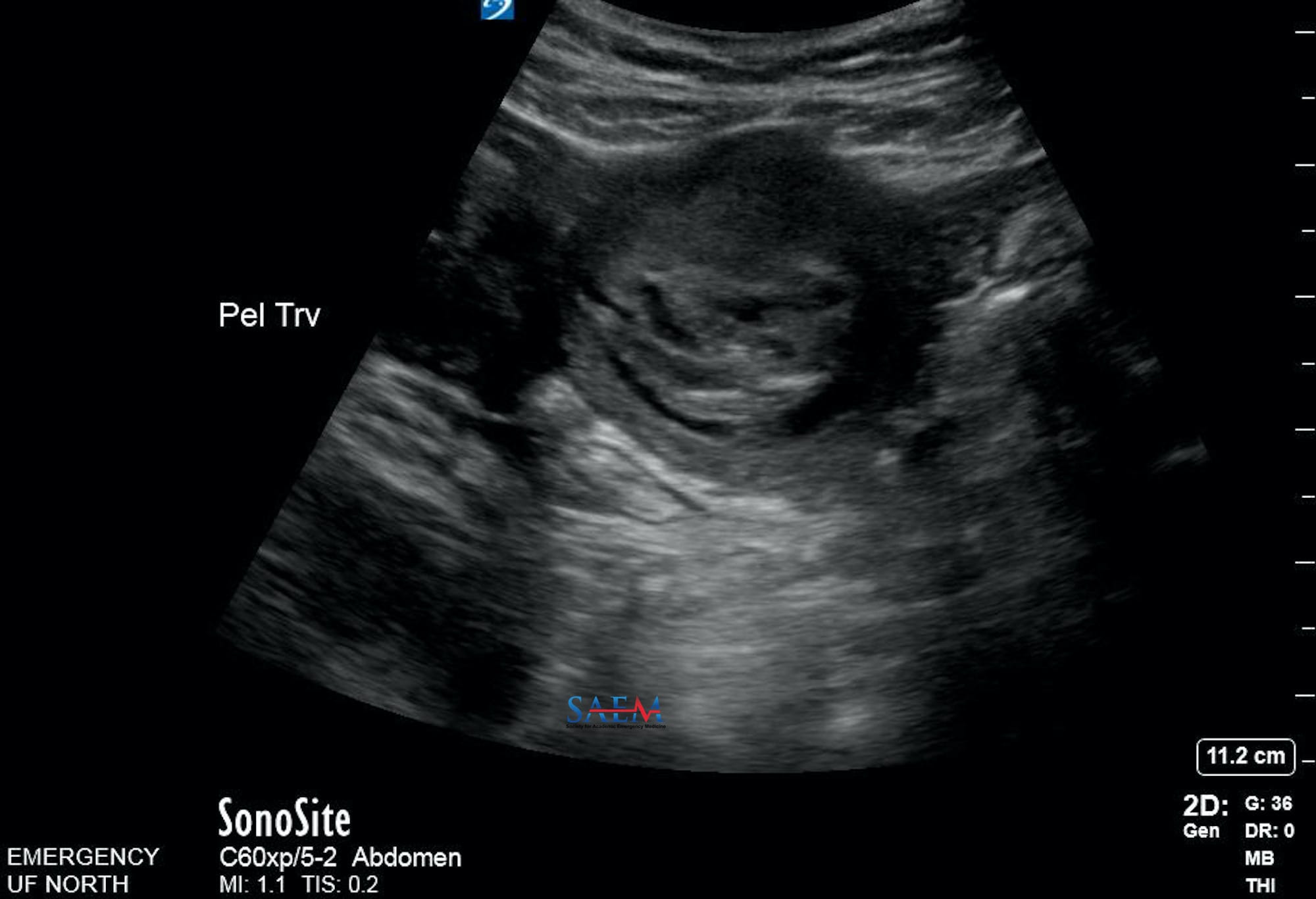
These images, taken by point of care ultrasound, show a heterogenic mass with mixed echogenicities within the uterine cavity consistent with gestational trophoblastic disease or molar pregnancy. Obstetrics and Gynecology was consulted for definitive management. The patient was taken to the operating room for dilation and curettage and was discharged the following day.

How do we best use high-sensitivity cardiac troponin (hs-cTn) to risk stratify patients with symptoms concerning for an acute myocardial infarction (AMI)? The 2022 American College of Cardiology (ACC) pathway provides timely guidance [1]. We help you translate this to your clinical practice, by illustrating with a case. Time to know your hs-cTn better.
Before delving into the specifics of the hs-cTn pathways, start with the ECG. The ACC 2022 pathway has a section dedicated to ECGs in ischemia [1], and FOAMcast has a great visual summary.
The 2022 ACC pathway [1] endorses clinical decision pathways that:
Examples of such pathways include [2]:
These clinical decision pathways take advantage of the diagnostic power of the delta hs-cTn value, resulting in higher sensitivity for AMI (99%) [3], more patients being able to be ruled-out for AMI [4], and more patients being discharged home with a shorter ED length of stay [5]. This contrasts traditional risk-stratification approaches, which compare hs-cTn values solely to the 99th percentile upper reference limit.
Let’s apply the ESC 2020 0/1 hour pathway [2], with some modifications based on the 2022 ACC guidelines [1]:
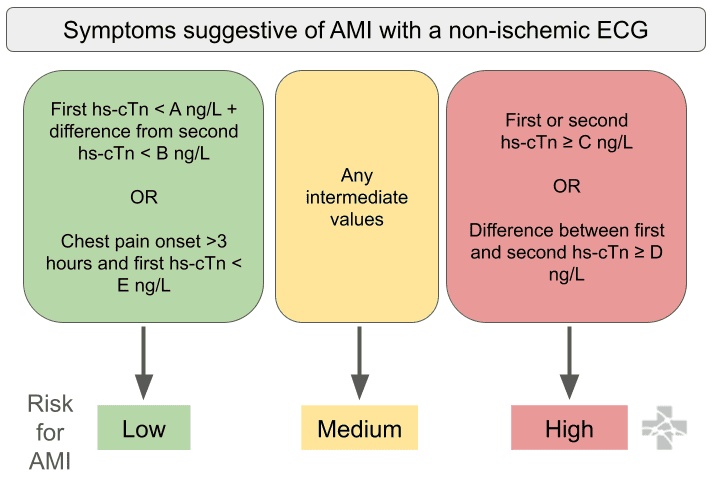
Figure 1. Stratification of patients for AMI based on high sensitivity troponin testing and the ESC 0/1 hour pathway (second hs-cTn drawn 1 hour after the initial hs-cTn test)
Notice how numbers are replaced with values A, B, C, D and E. That’s because these values are assay specific. You (or someone in your department) needs to know which assay your ED has, and use the appropriate values for that assay. Examples of cutoffs:
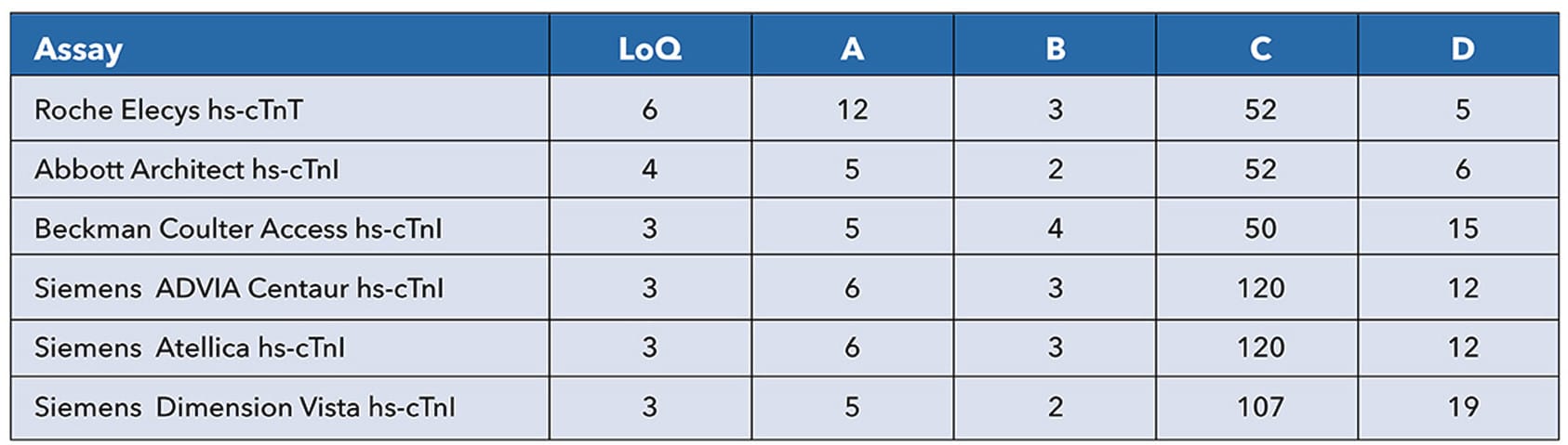
One concept that cuts across all assays is the limit of quantification (LoQ). That’s the lowest hs-cTn value that can be reliably reported as a number for that assay. In the risk stratification pathway (figure 1), value E is often the LoQ, or an optimized threshold slightly above the LoQ.
A 52-year-old woman presents with vague heaviness over the left side of the chest that does not radiate elsewhere. She does not recall clearly how it started, and it has been persistent for 5 hours. Its intensity does not change with walking or changes in posture. There are no associated symptoms such as diaphoresis, breathlessness, vomiting, fever, cough, or leg swelling.
She has hypertension and hyperlipidemia treated with lifestyle modification. She does not smoke. There is no family history of heart disease. She has no other recent illnesses or travel history.
On examination, her vital signs are normal. Heart sounds are dual with no murmurs and breath sounds are equal bilaterally. Pulses are well felt in all four limbs. There is no lower limb swelling or tenderness.
A 12-lead electrocardiogram (ECG) and chest x-ray (CXR) are unremarkable. The hs-cTn level on arrival is below the limit of quantification (LoQ).
High-risk category hs-cTn values in the ESC 2020 0/1 hour pathway or high STEACS pathway come in 2 types:
Those values are assay- and pathway-specific, so you’ll need to find out more about your local assay. These in the high-risk category are usually admitted to the hospital to assess for AMI as well as other causes of troponin elevation.
What if you have a patient with intermediate findings?
A 66-year-old man with hypertension, hyperlipidemia, diabetes mellitus, and chronic renal failure presents with poorly localized central chest discomfort while trying to sleep. It started 2 hours ago. The discomfort has a burning character, though he has never been diagnosed with reflux before.
His vital signs and physical exam are unremarkable other than an arteriovenous fistula on his left arm for hemodialysis. His ECG shows left ventricular hypertrophy.
The first hs-cTn results in the intermediate range on your assay-specific cutoff for the ESC 2020 pathway or high-STEACS pathway.
Featured image adapted from Adobe Firefly

Welcome to the AIR Toxicology Module! After carefully reviewing all relevant posts in the past 12 months from the top 50 sites of the Digital Impact Factor [1], the ALiEM AIR Team is proud to present the highest quality online content related to related to toxicology in the Emergency Department. 8 blog posts met our standard of online excellence and were approved for residency training by the AIR Series Board. More specifically, we identified 3 AIR and 5 Honorable Mentions. We recommend programs give 4 hours of III credit for this module.
In an effort to truly emphasize the highest quality posts, we have 2 subsets of recommended resources. The AIR stamp of approval is awarded only to posts scoring above a strict scoring cut-off of ≥30 points (out of 35 total), based on our scoring instrument. The other subset is for “Honorable Mention” posts. These posts have been flagged by and agreed upon by AIR Board members as worthwhile, accurate, unbiased, and appropriately referenced despite an average score.
Interested in taking the AIR quiz for fun or asynchronous (Individualized Interactive Instruction) credit? Please go to the above link. You will need to create a free, 1-time login account.
| Blog/Podcast | Article Title | Author(s) | Date | AIR/HM |
|---|---|---|---|---|
| EM Ottawa | Buprenorphine: A guide for ED providers | Max Zworth, MD and Rebecca Seliga, MD | Mar 9, 2023 | AIR |
| EMCrit | Alcohol withdrawal | Josh Farkas, MD | Mar 29, 2023 | AIR |
| ALIEM | Phenobarbital as 1st line medication for alcohol withdrawal: have you switched from benzodiazepines yet? | Alex Rogers MD, J.D. Cambron DO | Jun 1, 2023 | AIR |
| EM Docs | N-acetylcysteine for Acetaminophen Toxicity | Eric Sabatini Regueira, MD and Ann-Jeannette Geib, MD | Aug 3, 2023 | HM |
| EM Docs | Methylene blue | Quinton Nannet, MD and Christine Murphy, MD | Dec 27, 2022 | HM |
| EM Docs | Acute organophosphate toxicity | Daniel Escobar, MD and Ann-Jeannette Geib, MD | Jun 7, 2023 | HM |
| Core EM | Updates in high dose insulin and euglycemia therapy for the treatment of b-adrenergic receptor and calcium channel antagonist overdose | William Plowe, MD | Mar 28, 2022 | HM |
| EM Ottawa | CBRNE and HAZMAT: Be prepared | Patrick Fisk, MD | Jan 19, 2023 | HM |
(AIR = Approved Instructional Resource; HM = Honorable Mention)
If you have any questions or comments on the AIR series, or this AIR module, please contact us!
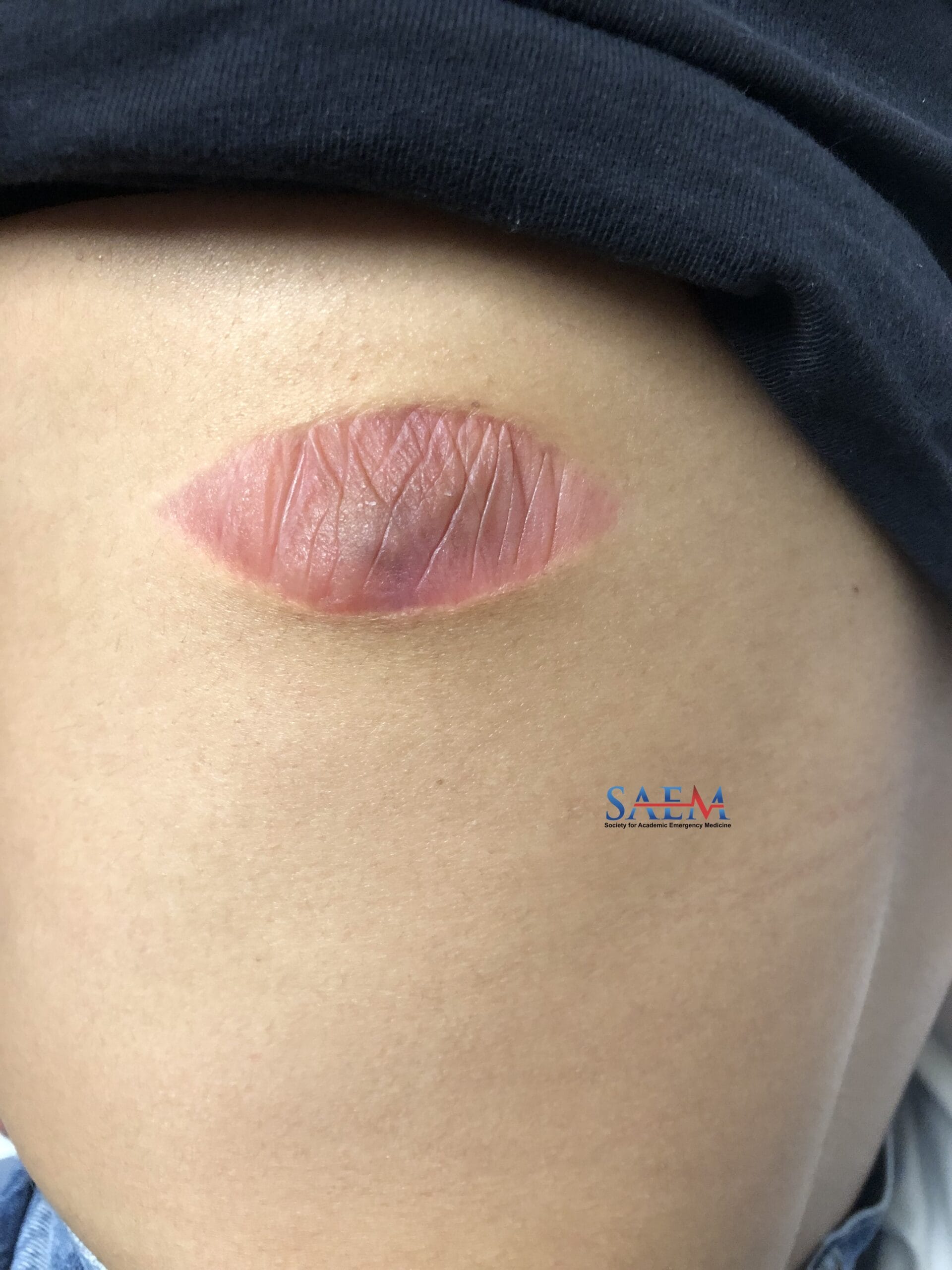
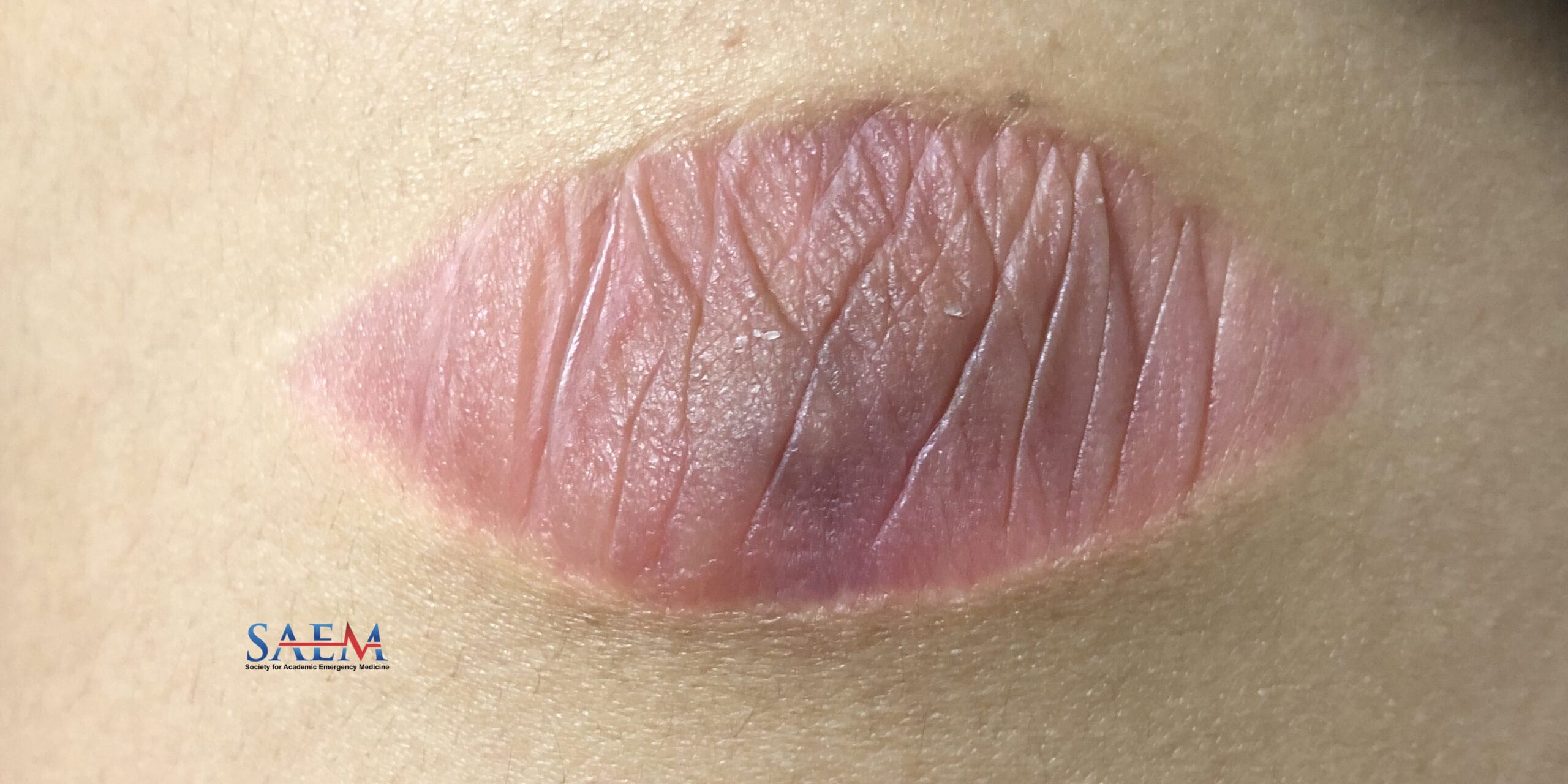
An 18-year-old-female with no known past medical history presented with a lesion on her back that had been present and enlarging for five months. It was not painful unless she touched it, and then only mildly tender. She denied any known cause, wound, prior rash, or other lesions. Her review of systems and past medical history were negative.
Vitals: Normal
Skin: An erythematous lenticular, or biconvex, lesion with distinct borders is noted at the left posterior thorax below the scapula. It is soft with some slight nodularity on palpation, and only mild tenderness noted. There is no fluctuance. No other skin lesions are present. The rest of the examination is normal.
Ultrasound reveals a 1.7 x 0.8 x 1.1 cm superficial soft tissue mass inferior to the scapula on the left thorax.
CT scan of the chest confirms no intrathoracic extension or other lesions.
Biopsy is the next appropriate step. The lesion does not appear to be infectious, either viral, bacterial, or fungal. Furthermore, it has no appearance of an inflammatory reaction that would benefit from topical steroids. The differential includes a cystic structure, neurofibroma, or malignancy. Because of the concern for malignancy, a biopsy was performed in the emergency department after the ultrasound and CT scan confirmed there was no extension into the thorax. The biopsy revealed a pilomatrixoma, or pilomatricoma. Pilomatrixoma is a superficial benign skin tumor that arises from hair follicle matrix cells. They commonly occur in the first two decades of life with a mean age of 17 years. The most common presentation is an asymptomatic, firm, slowly growing mobile nodule. However, only 16% are accurately diagnosed on clinical examination. This case reveals the wide variation in visual presentation and confirms the inability to diagnose the lesion at the bedside. Complete surgical excision is curative.
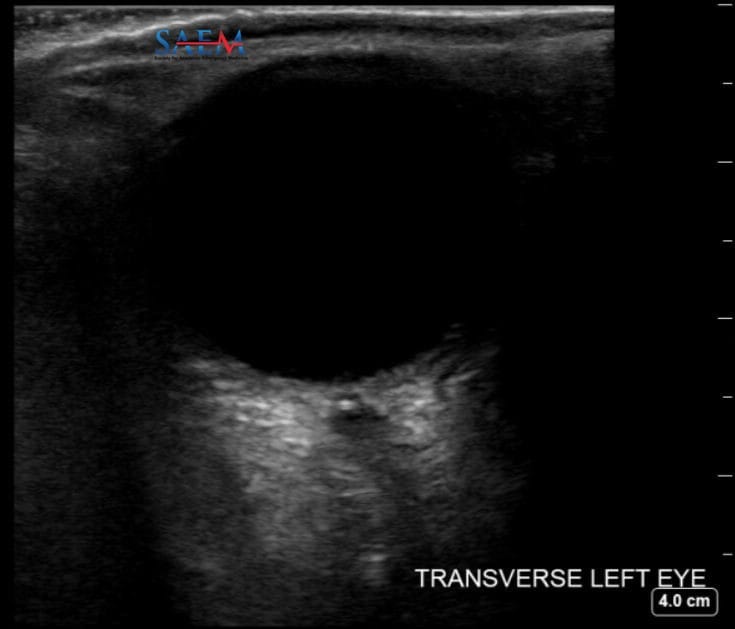
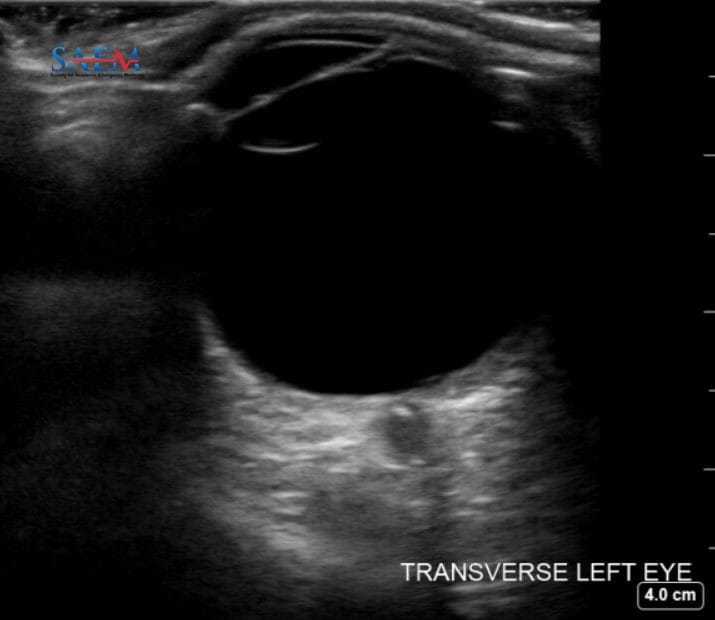
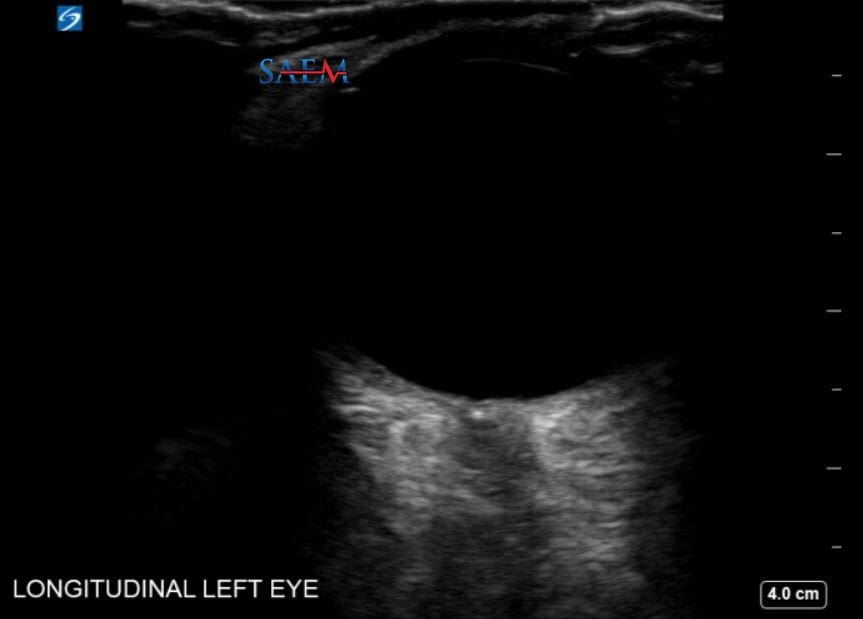
A 59-year-old male with no known past medical history other than an incidental abdominal aortic aneurysm presented with sudden onset, painless vision loss in his left eye. The patient was watching TV two days prior when he saw a “brightness” in his left eye and then progressive blurriness until his vision faded away, all occurring within the span of a minute. At the time of presentation, he only sees a speck of light from that eye. He denied associated pain, flashes, floaters, jaw claudication, the sensation of a “curtain falling”, prior vision problems, or a history of blood clots.
Eyes: Eyelids and lashes normal. Visual acuity: 20/30 OD, Light Perception OS. EOMI. PERRL. OD visual fields intact. Afferent Pupillary Defect OD. Normal conjunctiva. IOP 16 OD, 14 OS. Otherwise CN 3-12 intact.
Complete blood count (CBC): Within normal limits
Basic metabolic panel: Creatine 1.3 (unknown baseline)
ESR: Unmarkable
Central Retinal Artery Occlusion (CRAO) is an ocular emergency that presents as acute painless monocular vision, caused by ischemia and infarction to the retina via thromboembolic disease to the central retinal artery. It requires immediate consultation with ophthalmology as well as neurology as it is considered a stroke equivalent.
The case described above and several previously published case studies highlight the utility of POCUS in identifying CRAO via the retrobulbar spot sign (RBSS) within the optic nerve in a rapid, non-invasive manner that can be done prior to waiting for dilation for a fundoscopy exam. This has the potential to expedite consultations with specialty teams and treatment.
Several studies also reveal the potential of POCUS to predict the etiology of CRAO (arterio-arterial embolization vs cardio-embolic vs vasculitis) and thus to predict the success of thrombolytic treatment in CRAO. In a prospective monocenter study of 46 patients with ophthalmologically confirmed CRAO, embolism from large artery atherosclerosis (LAA, i.e. carotids or aortic arch) was the etiology in 27 patients, cardioembolic in 10 patients, vasculitis in 5 patients, and unknown in 4 patients. Out of the LAA patients, 59% had RBSS compared with only 20% in cardioembolic and 0% in the vasculitis patients. Within the 11 patients that underwent thrombolysis, statistically significant visual improvement occurred in all 4 patients with RBSS negative CRAO, while the 7 patients with RBSS positive CRAO had persistent visual impairment with persistent occlusion of their arteries. This study concludes that their results support the hypothesis that RBSS is seen due to calcium deposits that will not be dissolved with thrombolysis. Another small single-center German study points out the utility of seeing RBSS as 100% specific for an embolic cause of CRA, excluding temporal arteritis from the differential.