



SAEM Clinical Images Series: Facial Swelling

A 5-year-old male with a history of recent frontal sinusitis associated with preseptal cellulitis requiring surgery presented with facial swelling. Swelling developed in the 24 hours prior to presentation without facial pain, nausea, or emesis. Denied facial trauma as well as any neurologic deficits, loss of consciousness, headaches, or fever/chills. At the time of his prior surgery, he presented with swelling localized to the left eye along with worsening pain, nausea, and emesis. After surgery, he was discharged in stable condition on antibiotics for 10 days. He has been in his usual state of health since that time.


Vitals: BP 93/59 (Sitting); HR 84; Temp 37.3 °C (99.1 °F) (Oral); Resp 12; Wt 20.6 kg (45 lb 6.6 oz)
General: Active, alert, normal development, and in no acute distress
HEENT: Swelling over the forehead and nasal bridge. Tenderness to palpation over the forehead. No erythema or overlying skin changes.
Nose: Normal appearance. No congestion or rhinorrhea.
Mouth/Throat: Mucous membranes are moist. Oropharynx is clear.
White blood cell (WBC) count: 8.9 x 10^3/uL
Hemoglobin: 11.5 g/dL
Platelets: 365 x 10^3/uL
ANC: 4.490 x 10^3/uL
ESR: 15 mm
CRP: <0.5 mg
In the initial management of this patient, CT imaging of the head with contrast should be used to characterize the lesion and evaluate for intracranial involvement. In our patient, the CT scan showed frontal bone osteomyelitis with possible extension into the subdural space. He was admitted on broad-spectrum antibiotics and surgical washout was performed the following day.
Pott’s Puffy Tumor is a rare but serious complication of sinusitis with potential intracranial involvement. Complications include orbital cellulitis, intracranial abscess, meningitis, and cavernous sinus thrombosis.
Take-Home Points
- Pott’s Puffy Tumor is a rare potential complication of sinusitis. Early diagnosis and treatment are essential to reduce morbidity.
- CT of the head with contrast is the initial imaging that should be obtained in the emergency department.
- Blumfield E1, Misra M. Pott’s puffy tumor, intracranial, and orbital complications as the initial presentation of sinusitis in healthy adolescents, a case series. Emerg Radiol. 2011 Jun;18(3):203-10. PMID: 21380513.
- Palabiyik FB1, Yazici Z, Cetin B, Celebi S, Hacimustafaoglu M. Pott Puffy Tumor in Children: A Rare Emergency Clinical Entity. J Craniofac Surg. 2016 May;27(3):e313-6. PMID: 27100642.
SplintER Series: Hip, Hip, Hooray!
 A 67-year-old male with a history of bilateral total hip arthroplasties (THA) several years ago presents with left hip pain after a fall. He was walking downstairs and slipped, twisting his leg internally and with adduction and flexion of the hip to catch himself. He denies falling but felt an immediate pop in his left hip and could no longer bear weight. AP and lateral radiographs of the pelvis and left hip were obtained and are shown above (Image 1. Case courtesy of Dr Andrew Taylor, Radiopaedia.org, rID: 67457).
(more…)
A 67-year-old male with a history of bilateral total hip arthroplasties (THA) several years ago presents with left hip pain after a fall. He was walking downstairs and slipped, twisting his leg internally and with adduction and flexion of the hip to catch himself. He denies falling but felt an immediate pop in his left hip and could no longer bear weight. AP and lateral radiographs of the pelvis and left hip were obtained and are shown above (Image 1. Case courtesy of Dr Andrew Taylor, Radiopaedia.org, rID: 67457).
(more…) Free Comprehensive Curriculum: Climate Change and Emergency Medicine

During the COVID-19 pandemic, a few of us interested in climate change science met through the Society for Academic Emergency Medicine (SAEM), and our group slowly expanded with the virtual world. We discussed the ever-growing number of climate publications and scholarship opportunities available. Some of us did research, education, or policy work, and all of us practiced clinically.
Negative climate-related impacts that we see in the Emergency Department
We discussed how climate-related impacts negatively affected our patients, and brainstormed how we could tackle the problem now. For us in Rhode Island, Pennsylvania, Wisconsin, Colorado, and California, the climate crisis was pathology and interrupted treatment regimens, but also an opportunity to transform current care systems. At all of our hospitals, patients were brought in by ambulance with empty inhalers and non-functioning medical devices after losing electrical power. Monitors beeped from abnormal vital signs of patients impacted by extreme heat, inland and coastal flooding, or wildfires. We recognized the dangers related to place of residence and structural drivers that exacerbated existing health disparities. We agreed that open access education was the next step to action and striving for justice across our nation together.
How to start your climate change learning and advocacy journey?
More and more colleagues asked us where they could begin their own climate and emergency medicine journeys. We used our varied local and global experiences to curate content that could be used for journal clubs, medical simulation, quality improvement projects, grant applications, and other educational tracks or electives. Our goal was to provide a starting place for individuals who may not have dedicated faculty at their institutions.
Get caught up: Comprehensive 10-module curriculum

We are proud to announce a comprehensive 10-module curriculum on Climate Change and Emergency Medicine (EM) worth 56 hours of ALiEMU learning credits. Each module encompasses a broad range of reading materials and is followed by a brief quiz on ALiEMU. All of this is available for free. Get learning now.
Be a climate changemaker
We hope the material reminds all of us of what actions are needed yet: authentic partnerships, clear communication of the robust evidence that we know, inclusivity, and leadership. Like emergency medicine, climate change and health work is truly life-long learning. Yet, knowledge is only as good as its use. We look forward to years of innovative solutions that move beyond dialogue and meaningfully address some of the greatest barriers to well-being for our patients and global community.






SAEM Clinical Images Series: Finger Pain

A 57-year-old male presents after accidentally firing his son’s expired epinephrine autoinjector containing 0.3 mg of epinephrine into his left thumb two hours prior to arrival. He endorses mild pain and numbness at the tip of his thumb. The patient had spoken to poison control who had instructed him to present to the Emergency Department if his symptoms did not improve after two hours. He denied any palpitations or other systemic symptoms.


Vitals: HR 81; BP 128/81; RR 18; SpO2 99%
Extremities: Pallor noted at the distal tip of his left thumb extending 2 to 3 cm proximally with a central 2 mm area of bruising. Capillary refill could not be elicited in the left thumb pad. Sensation was intact to light touch and motor strength was intact in the left thumb.
No lab work was performed.
Treatment modalities are primarily based on case reports and range from conservative measures to local infiltration of vasodilatory medications. [1] Conservative treatments include digital massage, warm water soaks, and local application of nitroglycerin paste. Varying degrees of success have been associated with these conservative treatments. In our case, conservative measures failed and we proceed with local infiltration of phentolamine mesylate. The dosage and volume administered vary widely in reports; however, commonly reported doses were 2 to 3.5 mg of phentolamine reconstituted with 1 to 2 ml of 2% lidocaine or normal saline. This is then injected locally at multiple locations in the affected region or as a digital block. In our case, reperfusion occurred within minutes after local infiltration with approximately 1.5 mg of phentolamine reconstituted with lidocaine. No systemic side effects were noted.
There have been no documented reports of ischemic necrosis associated with accidental digital epinephrine injection. Additionally, spontaneous resolution in the majority of cases at less than two hours has been widely reported, though in some cases symptoms may persist for hours to days. [1,2] Though phentolamine may provide rapid symptomatic relief of pallor, pain, and/or paresthesia for the patient, limited data exist on long-term clinical outcomes and the overall effect on prognosis. [3]
The recommendation to never use lidocaine with epinephrine for digital nerve blocks or local digital infiltration is propagated in medical education. However, a large retrospective review of 127 accidental digital epinephrine injection cases noted a majority had spontaneous resolution. [2] Further, large studies from surgical literature have reported that local infiltration of lidocaine with epinephrine is safe and resulted in prolonged anesthesia and reduced bleeding.
Take-Home Points
- Spontaneous resolution of accidental digital epinephrine injection often occurs within two hours and no cases of ischemic necrosis have been reported.
- Symptomatic relief may be achieved with local phentolamine mesylate infiltration if conservative measures have failed. Commonly reported total effective doses range from 2 to 3.5 mg in volumes of 1 to 2 ml of 2% lidocaine or normal saline.
- McNeil C, Copeland J. Accidental digital epinephrine injection: to treat or not to treat? Can Fam Physician. 2014 Aug;60(8):726-8. PMID: 25122817; PMCID: PMC4131962.
- Muck AE, Bebarta VS, Borys DJ, Morgan DL. Six years of epinephrine digital injections: absence of significant local or systemic effects. Ann Emerg Med. 2010 Sep;56(3):270-4. doi: 10.1016/j.annemergmed.2010.02.019. Epub 2010 Mar 26. PMID: 20346537.
SplintER Series: The Hidden Post
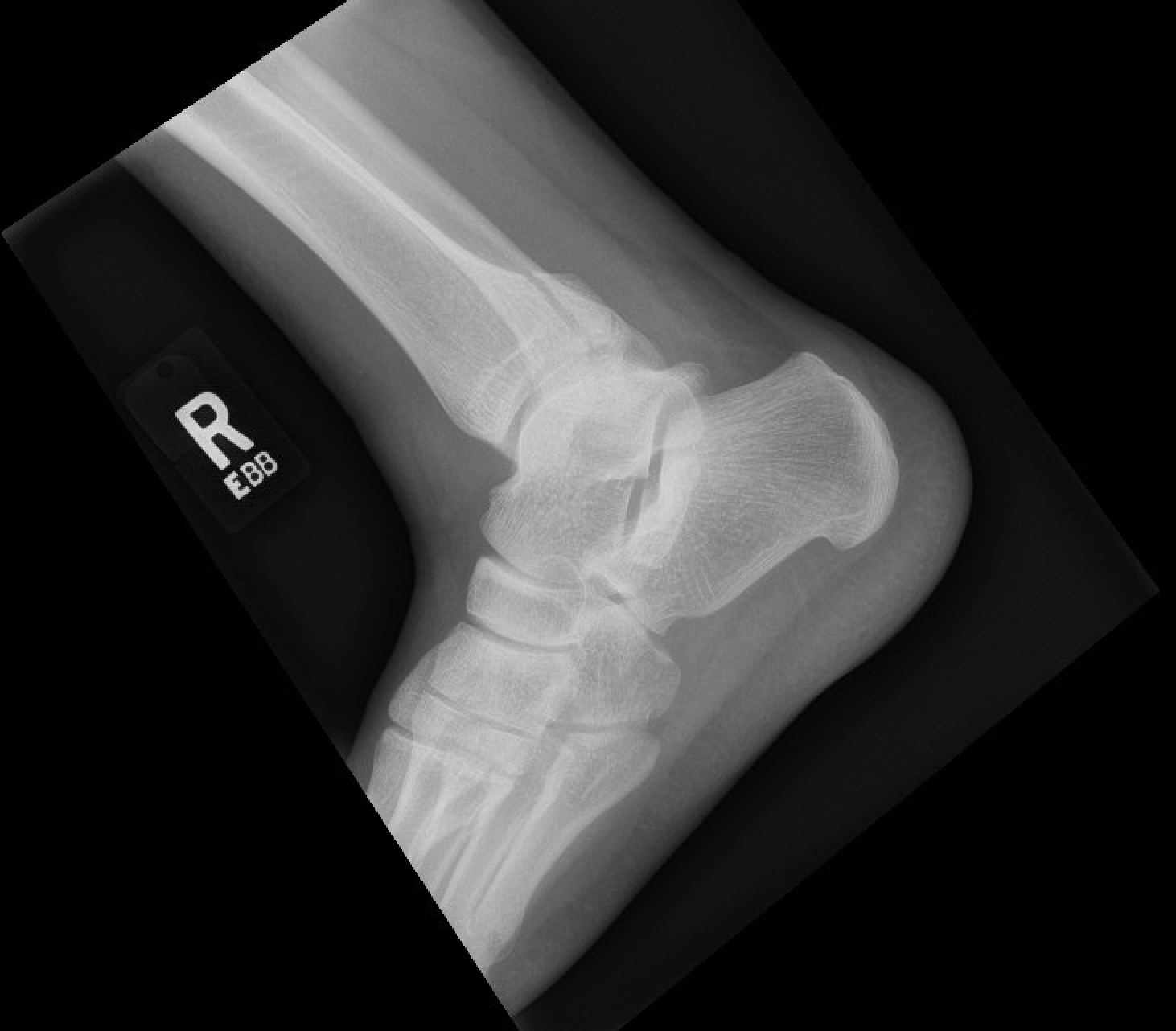
A 23-year-old male presents to the emergency department with right ankle pain after he rolled his ankle while walking down the stairs. An ankle exam reveals ecchymosis over the posterior ankle and tenderness of the distal tibia. His neurovascular exam is intact. The radiograph above was obtained (Image 1. X-ray right ankle. Original image provided by Justine Ko, MD).
SAEM Clinical Images Series: A Rash You Don’t Want to Miss

A 54-year-old female with a past medical history of diabetes presented to the Emergency Department (ED) for evaluation of unresponsiveness. The patient was found unresponsive by her spouse, who notes she had missed several doses of insulin over the past few days. EMS notes the glucometer read ‘HIGH’ on fingerstick. The patient remains unresponsive on presentation and is unable to contribute further history.

Vital Signs: BP 148/105; HR 120; RR 24; Pulse Oximetry 98% on room air; Temperature 97.7°F
Constitutional: Patient is morbidly obese, unresponsive, and toxic-appearing.
Cardiovascular: Regular rhythm with tachycardia. No murmur.
Pulmonary: Pulmonary effort is normal. Lungs clear to auscultation bilaterally.
Abdomen: Abdomen is soft and non-distended. Unable to assess for tenderness given unresponsiveness.
Skin: Cool, pale, mottled. Large gangrenous, draining, foul-smelling wound on proximal left thigh. There is necrotic, malodorous, black skin noted over the left lower abdomen and left upper thigh.
Neurological: Unresponsive. GCS 3.
White blood cell (WBC) count: 20.5
Comprehensive metabolic panel (CMP): K 5.8; Cr 2.06; BUN 86; Glucose >600
Venous blood gas (VBG): pH<7; lactate 3.4; bicarbonate 7
These photographs show advanced Fournier’s Gangrene, a form of necrotizing fasciitis located in the genitals, perineum, or perianal region. Rapid involvement of our surgical colleagues is crucial, as these patients will not recover without the debridement of affected tissues. Aggressive fluid resuscitation and broad-spectrum antibiotics can be initiated after a surgical consult is made.
This patient presented with impressive visual evidence of advanced disease including severe ecchymosis, but our clinical suspicion must be high as Fournier’s is rapidly progressing and carries a high mortality rate (may be upwards of 30%). Earlier symptoms are genital or perineal pain which may be associated with itching, lethargy, or fever. The biggest exam finding to keep in mind is ‘pain out of proportion to the exam’ as up to 40% of these patients may present without localized symptoms. Advanced disease, as seen in this patient, can present with crepitus and severe ecchymosis of tissue involved. This patient was also found to be in DKA, as evidenced by her laboratory findings. This case should serve as a reminder that it is vital to perform a proper skin examination in patients presenting with hyperglycemia. Ultimately in this case, the patient was intubated for airway protection and started on vasopressors for cardiovascular support in the setting of septic shock. She went into VTach arrest and was successfully defibrillated before further decompensating and becoming asystolic.
Take-Home Points
- The first task after suspected diagnosis of Fournier’s Gangrene is a page to your surgery service for evaluation and emergent debridement in the OR (depending on your institution this may be general surgery, urology, or both). After your patient is on the path to definitive management, you can begin aggressive fluid administration and broad-spectrum antibiotics (gram-positive, gram-negative, and anaerobic coverage needed).
- Fournier’s Gangrene is a clinical diagnosis. Imaging may assist in atypical or borderline cases, but should never result in delay of surgical evaluation and treatment. Crepitus and ecchymotic tissue are very late findings; have high clinical suspicion inpatients with signs of swelling, erythema, and pain.
- Shyam DC, Rapsang AG. Fournier’s gangrene. Surgeon. 2013 Aug;11(4):222-32. doi: 10.1016/j.surge.2013.02.001. Epub 2013 Apr 8. PMID: 23578806.
- Ustin JS, Malangoni MA. Necrotizing soft-tissue infections. Crit Care Med. 2011 Sep;39(9):2156-62. doi: 10.1097/CCM.0b013e31821cb246. Erratum in: Crit Care Med. 2011 Nov;39(11):2592. Dosage error in article text. PMID: 21532474.
- Harbrecht BG, Nash NA. Necrotizing Soft Tissue Infections: A Review. Surg Infect (Larchmt). 2016 Oct;17(5):503-9. doi: 10.1089/sur.2016.049. Epub 2016 Aug 2. PMID: 27483003.
- Singh A, Ahmed K, Aydin A, Khan MS, Dasgupta P. Fournier’s gangrene. A clinical review. Arch Ital Urol Androl. 2016 Oct 5;88(3):157-164. doi: 10.4081/aiua.2016.3.157. PMID: 27711086.
- Sarani B, Strong M, Pascual J, Schwab CW. Necrotizing fasciitis: current concepts and review of the literature. J Am Coll Surg. 2009 Feb;208(2):279-88. doi: 10.1016/j.jamcollsurg.2008.10.032. Epub 2008 Dec 12. PMID: 19228540.
- Tintinalli JE, Ma O, Yealy DM, Meckler GD, Stapczynski J, Cline DM, Thomas SH. eds. Tintinalli’s Emergency Medicine: A Comprehensive Study Guide, 9e. McGraw Hill; 2020. p.592- 593.