ALiEM AIR Series | OBGYN Module (2025)


Welcome to the AIR OBGYN Module! After carefully reviewing all relevant posts in the past 12 months from the top 50 sites of the Digital Impact Factor [1], the ALiEM AIR Team is proud to present the highest quality online content related to related to OBGYN emergencies in the Emergency Department. 3 blog posts met our standard of online excellence and were approved for residency training by the AIR Series Board. More specifically, we identified 1 AIR and 2 Honorable Mentions. We recommend programs give 1.5 hours of III credit for this module.


AIR Stamp of Approval and Honorable Mentions


In an effort to truly emphasize the highest quality posts, we have 2 subsets of recommended resources. The AIR stamp of approval is awarded only to posts scoring above a strict scoring cut-off of ≥30 points (out of 35 total), based on our scoring instrument. The other subset is for “Honorable Mention” posts. These posts have been flagged by and agreed upon by AIR Board members as worthwhile, accurate, unbiased, and appropriately referenced despite an average score.


Take the OBGYN Module at ALiEMU


Interested in taking the AIR quiz for fun or asynchronous (Individualized Interactive Instruction) credit? Please go to the above link. You will need to create a free, 1-time login account.


Highlighted Quality Posts: OBGYN 2025


SiteArticleAuthorDateLabel
EMDocsTachyarrhythmias in PregnancyDr. Derick Tompkins, Dr. Jordan Boggs, Dr. Patrick GraceMay 20, 2024

AIR

EMCritPulmonary and cardiac complications of pregnancyDr. Josh FarkasMarch 5, 2024HR
EMDocsEM@3AM: Amniotic Fluid EmbolismDr. Kyle Smiley, Dr. Brit LongJune 22, 2024HR


(AIR = Approved Instructional Resource; HM = Honorable Mention)


If you have any questions or comments on the AIR series, or this AIR module, please contact us!

Reference

    1. Lin M, Phipps M, Chan TM, et al. Digital Impact Factor: A Quality Index for Educational Blogs and Podcasts in Emergency Medicine and Critical Care. Ann Emerg Med. 2023;82(1):55-65. doi:10.1016/j.annemergmed.2023.02.011, PMID 36967275


SAEM Clinical Images Series: Tangled in the Toilet

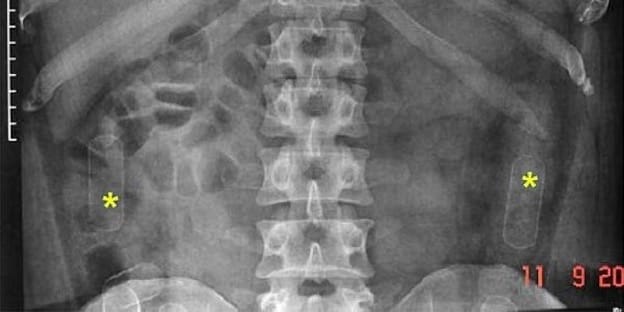
An otherwise healthy 46-year-old male presented to the Emergency Department with 18 months of diarrhea and intermittent abdominal cramping that has acutely worsened in the past week. On the morning of presentation, he noticed a worm-like object in his stool, which he brought to the ED (See images), prompting his visit. Throughout these 18 months, he experienced 4-10 loose bowel movements per day. He tried dietary modifications, including the removal of dairy, gluten, and soy, all without relief. The patient frequently travels for work, mainly to the US, Europe, and intermittently to Asia. His diet includes all forms of meat, fish, and shellfish. He denied fevers, chills, headaches, chest pain, shortness of breath, unexpected weight loss or gain, nausea, vomiting, or changes in his urinary habits. His stool has been non- greasy and has not contained any blood or mucous.

Vitals: BP 136/85; HR 70; R 18; T 98.2°F; O2 sat; 97% room air.

General: Well appearing, no acute distress.

Abdomen: There is mild tenderness to palpation in bilateral lower quadrants. Bowel sounds present in all quadrants. No rebound tenderness or guarding. No organomegaly.

Lymph: No lymphadenopathy present.

Skin: No rashes.

WBC: 5.4

Hgb: 14.4

Dibothriocephalus (Diphyllobothrium) latus: a tapeworm.

This patient is infected with Dibothriocephalus (Diphyllobothrium) latus, a tapeworm distinctive for its proglottids with central hyperpigmented reproductive organs, as shown in the images. Patients rarely visualize the tapeworm in their stool, so diagnosis is usually made with a stool ova and parasite study. Diphyllobothrium latus infection is commonly caused by eating raw, undercooked, or lightly pickled seafood contaminated with tapeworm eggs. Tapeworm eggs are also occasionally used as weight loss supplements. The market for these supplements is not regulated; thus, the eggs may be from other parasites, leading to more severe manifestations of infection in different body areas, such as the brain, lungs, or muscles. Diphyllobothrium latus infection can cause pernicious anemia, as 80% of Vitamin B12 intake may be absorbed by the worm. Treatment for Diphyllobothrium latus is a single dose of praziquantel. Due to fecal-oral transmission, patients who engage in high risk transmission-prone behaviors should consider having their partners tested and treated as well.

Take-Home Points

  • Diphyllobothrium latus infection may cause Vitamin B12 deficiency and resultant anemia as the worm may absorb up to 80% of B12 intake.

  •  A single dose of praziquantel is generally sufficient to eradicate tapeworm infection.

  • Schantz, P. M. (1996). Tapeworms (cestodiasis). Gastroenterology Clinics of North America., 25(3), 637–653. https://doi.org/10.1016/s0889-8553(05)70267-3
  • Craig P, Ito A. Intestinal cestodes. Curr Opin Infect Dis. 2007 Oct;20(5):524-32. doi: 10.1097/QCO.0b013e3282ef579e. PMID: 17762788
  • Scholz T, Garcia HH, Kuchta R, Wicht B. Update on the human broad tapeworm (genus Diphyllobothrium), including clinical relevance. Clin Microbiol Rev. 2009; 22:146–160

By |2025-10-26T13:38:34-07:00Oct 31, 2025|Infectious Disease, SAEM Clinical Images|

SAEM Clinical Images Series: A Case of Sudden Right Arm Pain and Deformity


popeye sign

A 73-year-old male presented to the Emergency Department with acute pain in his upper right arm. The pain began suddenly upon attempting to lift a 30-lb box that had been delivered to his house. He stated that as he began to lift the box, he felt a sudden pop coupled with the acute onset of pain. Since the injury, he had difficulty with flexion of his right upper extremity. He denied any other complaints.

Vitals: All vital signs are normal.

General: Alert and oriented, well appearing.

Chest: Heart and lung sounds are normal. Chest palpation is unremarkable.

Musculoskeletal: See provided images comparing right versus left upper arm appearance. The patient reports pain with right elbow range of motion. No bony tenderness is present. Flexion of the right upper extremity is limited on exam.

Neurologic: Sensation is intact throughout. The patient has weakness of right elbow flexion, but other tests of strength are preserved.

Non-contributory

The patient has a “Popeye sign” – a proximal biceps bulge at the anterior mid-arm level of his right arm.

The patient has a biceps tendon rupture of his right arm.

Patients with biceps tendon ruptures present with anterior upper arm pain, often after contraction against resistance. Ruptures of the proximal tendon are more common than distal ruptures. Risk factors include advanced age, male gender, chronic biceps tendinopathy, tobacco use, and obesity. Acute ecchymosis and swelling are common. Proximal ruptures such as in this case demonstrate a proximal muscular bulge at the anterior mid-arm level (known as the Popeye sign). Distal rupture can be examined with several maneuvers such as the hook test, supination pronation test,biceps squeeze test, and distal biceps provocation test, which overall have high sensitivity and specificity for diagnosing distal biceps tendon rupture. Proximal ruptures may be treated conservatively, though surgical repair options exist. For distal ruptures, definitive treatment is surgical intervention. Factors affecting recommendations for surgery include the location and severity of the tear (complete vs. partial), and the patient’s medical fitness. Though rare, rhabdomyolysis and compartment syndrome are possible complications.

Take-Home Points

  • Biceps tendon ruptures are usually due to forcible contraction against significant resistance.

  • Initial treatment can be conservative in the ED, though all biceps tendon ruptures require urgent outpatient orthopedic referral.

  • Kelly, Mick P., et al. “Distal Biceps Tendon Ruptures: An Epidemiological Analysis Using a Large Population Database.” The American Journal of Sports Medicine, vol. 43, no. 8, 2015, pp. 2012–17, https://doi.org/10.1177/0363546515587738.
  • Vishwanathan K, Soni K. Distal biceps rupture: Evaluation and management. J Clin Orthop Trauma. 2021 May 20;19:132-138. doi: 10.1016/j.jcot.2021.05.012. PMID: 34099972; PMCID: PMC8167284.

By |2025-10-26T13:32:30-07:00Oct 27, 2025|Orthopedic, SAEM Clinical Images|

SAEM Clinical Images Series: First a Splash and then a Rash

rash

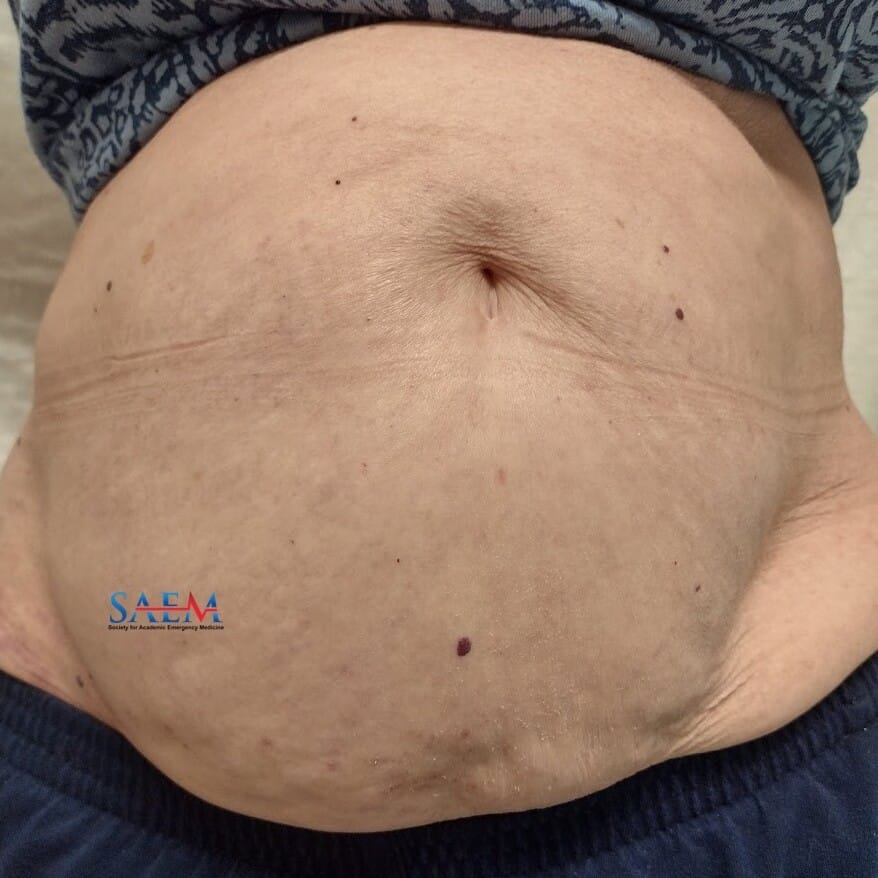
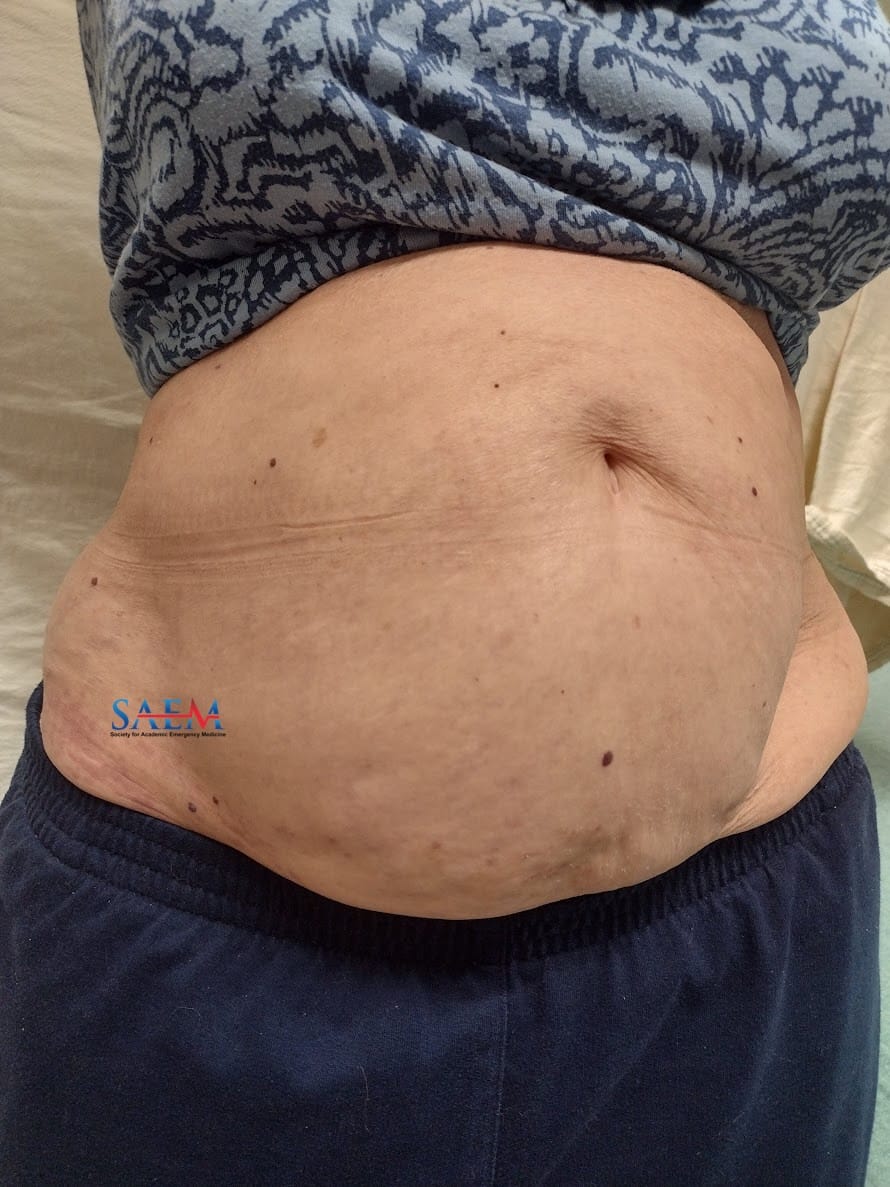
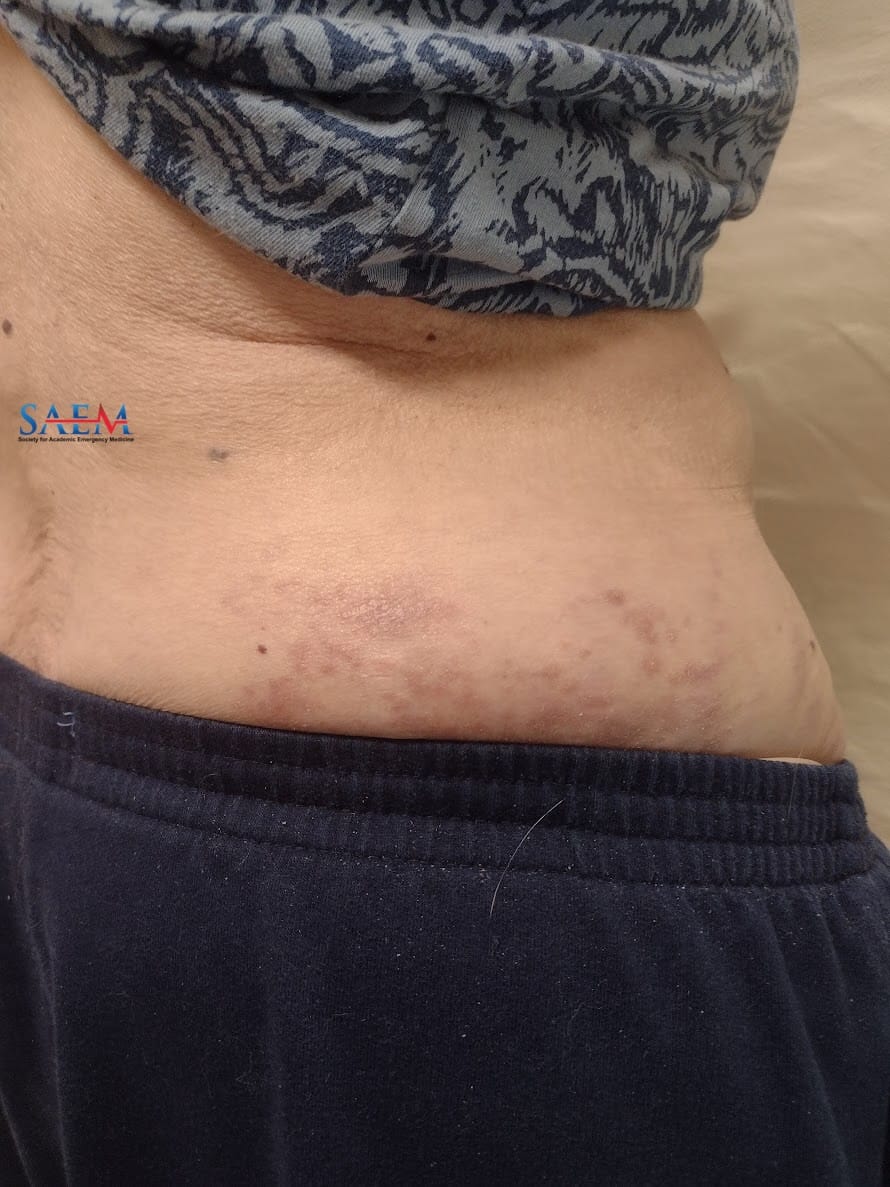
The patient is a 25-year-old female with no significant past medical history who presents to the Emergency Department with a pruritic rash. She reported three days of progressive pruritus with an associated diffuse rash extending from the lower extremities to the proximal upper extremities with involvement of the chest and back. She denies fevers, chills, difficulty breathing, nausea, vomiting, or history of similar rash. She has no history of dermatologic or immunologic conditions. She has had no new exposures to new soaps or chemicals. She has no known allergies, is up to date on all vaccinations, and has not traveled in the last year other than a day trip to an indoor water park three days ago.

Vitals: Normal

General: No acute distress but uncomfortable from itching.
HEENT: Oropharynx clear without edema, erythema, or mucosal lesions.
Respiratory: Clear to auscultation bilaterally.
Skin: Key findings as shown in the image provided. There is a diffuse papular rash extending from the bilateral distal lower extremities up to level of the sternum with uniform involvement of the abdomen, chest, back, and upper extremities. Negative Nikolsky’s sign. No involvement of the head, neck, palms of the hands, or soles of the feet.

Pseudomonas aeruginosa folliculitis (“Hot Tub folliculitis”)

This patient presented with a history and exam classic for Pseudomonas aeruginosa folliculitis, or “hot tub” folliculitis. The primary risk factor for this condition is exposure to contaminated water, typically via public swimming pools or hot tubs with inadequate chlorine levels. Longer durations of exposure, female gender, and underlying skin trauma are additional risk factors. The infection is associated with a tender and pruritic rash which begins as papules and can progress to papulopustular or nodular lesions. The rash may develop on any body part that is exposed to the contaminated water. Symptoms classically begin within 8 to 48 hours of the initial exposure, however can develop up to five days later. A subset of patients may develop systemic symptoms of malaise and fever. Most cases are self-limited, resolving without treatment in one to two weeks. However, patients with significant cutaneous involvement or discomfort, systemic symptoms, or immunocompromised state should be treated empirically with an oral fluoroquinolone. Symptomatic

Take-Home Points

  • In patients presenting with follicular rashes, be sure to ask about public pool or hot tube exposures.
  • Hot tub folliculitis is a pseudomonas infection and can be treated with oral fluroquinolones.

1. Centers for Disease Control and Prevention (CDC). Pseudomonas dermatitis/folliculitis associated with pools and hot tubs–Colorado and Maine, 1999-2000. MMWR Morb Mortal Wkly Rep. 2000;49(48):1087-1091.

2. Tate D, Mawer S, Newton A. Outbreak of Pseudomonas aeruginosa folliculitis associated with a swimming pool inflatable. Epidemiol Infect. 2003;130(2):187-192. doi:10.1017/s0950268802008245

3. Jacob JS, Tschen J. Hot Tub-Associated Pseudomonas Folliculitis: A Case Report and Review of Host Risk Factors. Cureus. 2020;12(9):e10623. Published 2020 Sep 23. doi:10.7759/cureus.10623

4. Silverman AR, Nieland ML. Hot tub dermatitis: a familial outbreak of Pseudomonas folliculitis. J Am Acad Dermatol. 1983;8(2):153-156. doi:10.1016/s0190-9622(83)70017-4

5. Luelmo-Aguilar J, Santandreu MS. Folliculitis: recognition and management. Am J Clin Dermatol. 2004;5(5):301-310. doi:10.2165/00128071-200405050-00003

By |2025-10-27T08:34:29-07:00Oct 24, 2025|Dermatology, SAEM Clinical Images|

SAEM Clinical Images Series: Tongue Twisters

tongue
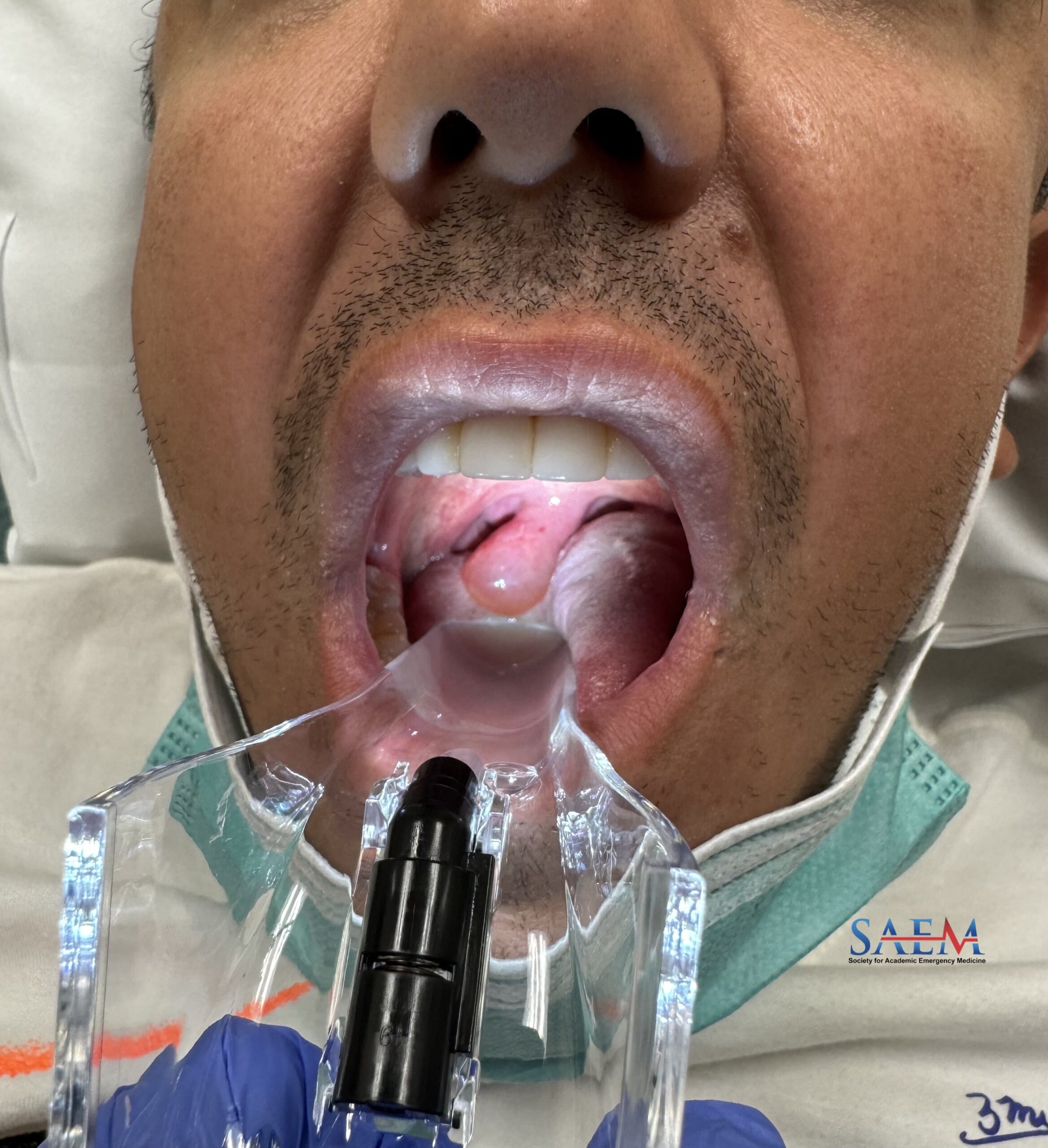
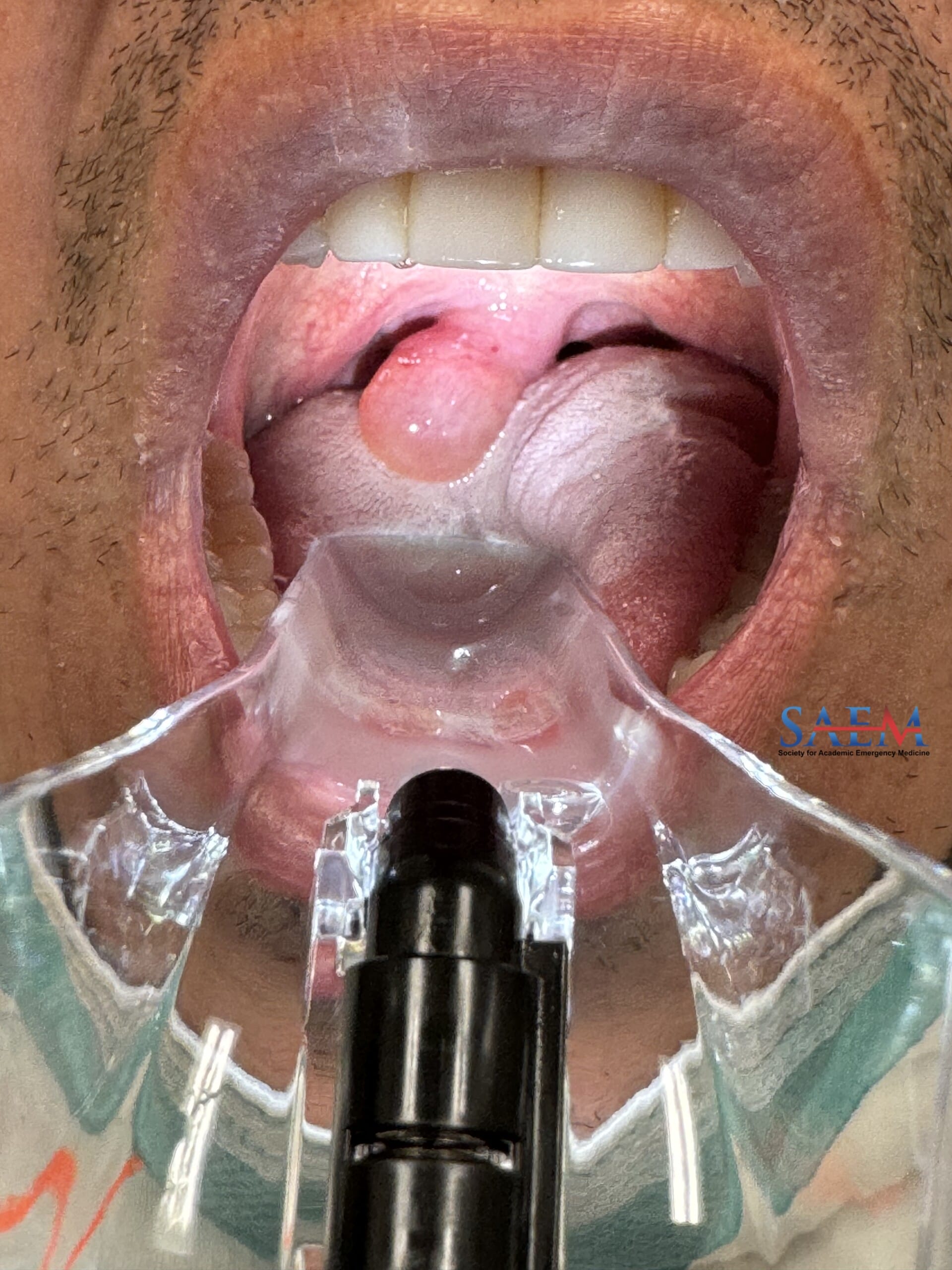
The patient is a 68-year-old male with a past medical history of hypertension who presents to the Emergency Department for evaluation of tongue swelling. The patient reports that his left tongue was swollen 3 weeks ago. He was evaluated, prescribed Levaquin, and was advised to gargle peroxide/salt water per his primary care provider. The swelling resolved after approximately 2 days. This morning, he awoke at 2 AM with swelling in the right side of his tongue. He denies any allergies or prior intubations. He denies any new foods, exposures, any other complaints at this time. He states that his tongue has not increased in size since awakening. The patient has been on no new medications and has taken enalapril daily for the past 10 years.

Vitals: BP 130/90, HR 77, RR 14, T 97.8F, O2sat 99% room air.

General: Comfortable, no signs of distress, voice tone is clear but he has difficulty articulating his words due to his tongue swelling.
HEENT: Relevant findings are shown in the image provided. Uvula midline. Mallampati class 2 airway.
Neck: Supple, no stridor.
Cardiovascular: Regular rate, rhythm, normal peripheral pulses.
Skin: No rash or urticaria seen.

ACE-inhibitor-induced angioedema.

Our patient presented to the ED complaining of unilateral tongue swelling in the setting of enalapril as his only medication, making ACE-inhibitor- induced angioedema his most likely diagnosis. ACE-inhibitor-induced angioedema can occur at any point during the course of treatment (our patient had been on enalapril for ten years). Non-histaminergic (non- allergic) angioedema is typically a result of elevated bradykinin levels. Classification of angioedema includes four subtypes: Hereditary angioedema with or without C1 esterase inhibitor deficiency, acquired C1 esterase inhibitor deficiency, ACE-inhibitor-induced angioedema, and idiopathic angioedema. ACE-inhibitor induced angioedema has an overall incidence of 0.3% to 0.7% and is 3 to 4 times more likely in African-Americans. Females are at a 50% higher risk than males. Airway compromise is the most feared complication of angioedema. In cases requiring intubation, advanced airway setups and techniques along with surgical backup is advisable.

Take Home Points

1. ACE-inhibitor-induced angioedema does not respond to epinephrine and treatment is mainly supportive.
2. In severe cases requiring intubation, awake fiberoptic intubation is a preferred method when accessible and feasible, and paralytics should be utilized with caution.

  1. Frank MM, Gelfand JA, Atkinson JP. Hereditary angioedema: the clinical syndrome and its management. Ann Intern Med. 1976;84:580–593. doi: 10.7326/0003-4819-84-5-580.
  2. Lee JH, Cho JY, Nam DH, Hong CS. A case of hereditary angioedema. Allergy. 1994;14:695–701. Weis M. Clinical review of hereditary angioedema: diagnosis and management. Postgrad Med. 2009;121:113–120. doi: 10.3810/pgm.2009.11.2071.

By |2025-10-27T08:32:23-07:00Oct 20, 2025|ENT, SAEM Clinical Images, Uncategorized|

Opportunities for Naltrexone: AUD and the Emergency Department

naltrexone AUD

Take-Home Point:

Naltrexone is a safe and effective medication for patients with alcohol use disorder that can improve morbidity by decreasing alcohol intake, and most importantly, can be initiated in the emergency department (ED).

The Problem: Alcohol Use Disorder in the Emergency Department

Alcohol use and its varied consequences, from trauma to withdrawal, are frequently encountered in the ED. Despite being ubiquitous in the ED, alcohol use disorder (AUD) often goes under-recognized and undertreated in the ED. The numbers are staggering– approximately 29 million individuals across the country and 400 million across the globe meet criteria for AUD [1]. Yet few patients ever actively receive any treatment, and far fewer are connected to resources from the ED [2].

This represents a massive missed opportunity. While there is a long-held belief that the ED is not an ideal setting to screen and treat patients with various substance use disorders, as emergency physicians, we have been trailblazers in the management of opioid use disorder. It’s time to apply the same innovative approach to AUD. The tools exist—brief screening instruments, effective medications (such as naltrexone [3]), and growing institutional support—but implementation remains limited.

An enduring myth that AUD is simply a “moral failing” may contribute to treatment gap. In reality, AUD is a chronic relapsing disorder with neurobiological foundations, and evidence-based treatments can significantly improve outcomes.

This article will briefly review key AUD screening tools but primarily focus on medication-based treatment of AUD with naltrexone in the ED.

Screening for AUD in the Emergency Department

Identifying AUD in the emergency department is an essential first step, as the ED may be the only healthcare interaction for many patients. While the ED can often be a hectic environment, there are several brief, validated screening tools that can effectively identify AUD in patients.

1. SASQ (Single Alcohol Screening Question)

  • Question: “How many times in the past year have you had X or more drinks in a day?” (X = 5 for men, 4 for women)
  • Threshold: ≥1 day is a positive response
  • Pros [4]:
    • Quickest screening option
    • >80% sensitivity
    • Could easily integrate into triage process
  • Cons:
    • Only captures heavy episodic drinking and may miss chronic daily drinking below binge threshold (e.g., someone who has 3 drinks every single day would screen “0 times” yet is over weekly limits)
    • A positive result does not distinguish severity and needs further screening

2. AUDIT-C (Alcohol Use Disorders Identification Test – Consumption)

  •  Assesses frequency, quantity, and binge drinking (MDCalc calculation)
    • Frequency: “How often do you have a drink containing alcohol?” (score 0-4 ranging from never to 4+ times/week)
    • Quantity: “On a typical drinking day, how many drinks do you have?” (score 0-4 ranging from 1–2 drinks to 10+ drinks)
    • Binge Drinking: “How often do you have ≥6 drinks (for women, ≥4 drinks) on one occasion?”
  • Pros [5, 6]:
    •  Brief
    • >90% sensitivity and specificity
    • Well-validated
  • Cons:
    • Slightly longer than SASQ tool
    • May miss patients who drink modestly, but chronically
    • Can yield false positives in some heavy-but-controlled drinkers
    • Slightly lower specificity than full AUDIT for AUD

3. STAD (Screening Tool for At-Risk Drinking)

  • 2 questions derived from full AUDIT tool
    • Frequency: “How often do you have 6 or more drinks on one occasion?”
    • Guilt: “How often during the last year have you felt guilt or remorse after drinking?”
  • Pros [7]:
    • Brief
    • Performs similarly to AUDIT-C (sensitivity >80% and specificity >95%) in detecting at-risk drinking despite being a shorter tool
    • Designed specifically for high-volume settings like EDs
  • Cons:
    • Newer tool with limited research
    • Does not directly ask about dependence behaviors and primarily focuses on binge drinking
    • Requires further screening if positive

Once patients with AUD are identified, the next step is connecting them with valuable resources and starting treatment. One option is naltrexone, a medication that is FDA-approved to treat alcohol use disorder and reduce cravings [8].

The Evidence for ED Initiation of Naltrexone

Traditionally, initiating AUD medications has not been part of routine emergency care – but this is changing. While there are numerous medications currently approved for use in alcohol use disorder, only roughly 1% of patients receive treatment each year [9]. There was a recent study that demonstrated that initiation of oral naltrexone was not only effective but also feasible in the ED setting [10]. In this study, patients were initiated on 50 mg PO naltrexone in the ED, and then prescribed a 14-day starter pack with outpatient follow-up arranged. They found significant improvements in quality of life, reduction in cravings for alcohol, and, importantly, a decrease in the number of drinks per day. Encouragingly, one-third of patients were engaged in treatment at 1-month [10]. These are all promising results, which further emphasize the importance of treating this condition in the ED.

Don’t just take our word for it. Professional organizations are following suit and taking a more active role in improving the care of patients struggling with AUD. For instance, the recent SAEM Guidelines for Reasonable and Appropriate Care in the Emergency Department (GRACE-4) have further emphasized the importance of medications for AUD. They have developed protocols and recommendations for medications such as naltrexone, acamprosate, disulfiram, and gabapentin. One of their primary recommendations is that for any “adult ED patients with AUD being discharged home, we suggest prescribing an anti-craving medication” [11].

Barriers to Naltrexone Initiation

Unfortunately, there are barriers to implementing any form of medication for AUD in the ED.

  1. Screening for AUD is relatively uncommon in the ED setting. As discussed earlier, there are screening tools that can be rapidly utilized in acute care settings.
  2. ED providers may lack training or knowledge of naltrexone.
  3. ED providers felt that there was a deficit of educational materials for patients, when discussing possible treatment options [12].
  4. There often is no formalized protocol within an institution to initiate medications for AUD.

These can hopefully be overcome, with the recent publication of the SAEM GRACE-4 guidelines. Many of these barriers can also be alleviated by discussing these cases with local poison centers or toxicology services within your institutions.

Naltrexone Fast Facts

Mechanism of Action

  • Competitive antagonist at mu-opioid receptors [8]
  • Alcohol’s pleasurable and reinforcing effects are partly mediated by alcohol-induced release of endogenous opioids, which stimulate mu-receptors and, in turn increase dopamine in reward pathways
  • Blunts the euphoric and rewarding effects of alcohol, leading to reduced craving and reduced “high” if a patient does drink

Dosing and Formulations [8]

  • Standard oral dose: 50 mg once daily
  • Extended-release injectable (brand name Vivitrol): 380 mg intramuscularly every 4 weeks
    • The long-acting injection may enhance adherence by removing the need for daily pill-taking.

Safety

  • Contraindications:
    • History of opioid use disorder – risk of precipitating withdrawal
    • Includes patients actively suboxone (buprenorphine) or methadone
  • Pregnancy – Currently pregnancy category C, ACOG does not have definitive recommendations on its use, likely needs further research specifically in this population
  • Liver disease – Previously had a black box warning for use in liver disease [13]
    • Black box was removed in 2013 due to a lack of evidence of harm in this patient population.
    • Some physicians may feel more comfortable ordering LFTs prior to initiation, but it is not necessary.

Patient Selection

  • Ideal patient
    • No recent opioid use
    • Interested in cutting back on alcohol use
    • Wants medications to reduce cravings
    • Positive screening on tools such as SASQ, AUDIT-C, AUDIT, or STAD
  • Naloxone challenge [14]
    • Prior to naltrexone initiation, a dose of 0.4 mg IV naloxone can be administered to ensure that naltrexone will not precipitate withdrawal when being taken,

Efficacy

  • A 2023 meta-analysis found oral naltrexone (50 mg/d) reduced the risk of returning to heavy drinking (defined often as ≥5 drinks for men/≥4 drinks for women), with a number needed to treat (NNT) of roughly 11 [15].
  • A large multi-hospital study found that patients with AUD who were started on naltrexone during an inpatient admission had significantly fewer heavy drinking days post-discharge [16].
  • The long-acting injection may enhance adherence by removing the need for daily pill-taking. A 2025 RCT showed that both oral and injectable naltrexone were similarly effective in reducing heavy drinking; after 3 months, patients initiated on either form had over a 40% reduction in the number of heavy-drinking days [17].

Naltrexone Initiation in the ED

  1. Develop and implement a plan for universal screening:
    • Implement a universal screening program in your emergency department, using tools such as SASQ, STAD, or AUDIT-C.
    • Use STAD or SASQ for all patients in triage or intake, and for those who screen positive, screen further with AUDIT-C in the ED.
    • If a screening protocol has not been developed or implemented within your institution, then use the full AUDIT tool or ask patients if they would like medications to help reduce cravings
  2. Offer medications for AUD:
    • For patients who screen positive for AUD or express interest in reducing alcohol intake, discuss evidence-based options such as naltrexone.
  3. Prior to naltrexone initiation:
    • Ask about opioid use history – or if currently on buprenorphine or methadone
    • Administer a 0.4 mg IV naloxone challenge dose – Will help to determine if naltrexone would precipitate withdrawal
    • If no precipitated withdrawal occurs, proceed with treatment
  4. Start naltrexone treatment:
    • Oral: Start with 50 mg PO naltrexone
    • Injectable: Start with 380 mg IM naltrexone
  5. Discharge planning:
    • If PO naltrexone is given, then discharge the patient with a prescription for up to 30 days (50 mg daily).
    • If IM naltrexone is given, ensure that the patient has a follow-up appointment in one month.
    • Ensure that all patients have follow-up appointments with primary care or addiction medicine physicians.

Other Medication Options for AUD

While several other medications exist for AUD treatment, naltrexone offers the best combination of safety, efficacy, and practical implementation in the ED setting.

FDA-Approved Alternatives

  1. Acamprosate [15]
    • Second-line option
    • Similar NNT to naltrexone (approximately 11)
    • Major drawback: Requires 6-9 tablets daily
    • High pill burden significantly impacts adherence
    • More complex dosing for busy ED implementation
    • Safe for patients with liver disease and opioid use disorder
  2. Disulfiram [18-21]
    • Works as aversive agent, causing “disulfiram reaction” from accumulation of acetaldehyde, when combined with alcohol
    • Recent RCTs show no significant benefit for reducing alcohol use
    • Poor adherence due to fear of severe side effects
    • Less likely to be prescribed in the ED, as naltrexone is a better option.
    • Due to reduced adherence, disulfiram but may be suitable for patients who are highly motivated to reduce their alcohol consumption.

Off-Label Options

  • Gabapentin
    • Lower NNT of 8 for preventing return to heavy drinking [22]
    • Not FDA-approved for AUD
    • Limited long-term safety data
    • Potentially associated with cases of abuse and overdose [23, 24]
    • Less ideal for ED initiation due to abuse liability

GLP-1 Agonists

An area of recent interest has been on the potential use of GLP-1 agonists, such as semaglutide and liraglutide, for the treatment of AUD. It is believed that these medications work by modulating dopamine in the reward and addiction regions of the brain [25]. One RCT, investigating semaglutide, demonstrated that it significantly reduced cravings and the number of drinks with an initial dose of 0.25 mg [26]. Another retrospective study, which compared semaglutide and liraglutide, found a reduction in hospitalizations secondary to AUD, and demonstrated that they were more effective than other medications for AUD [27]. While early data is impressive, further research is necessary, especially to determine their use in the acute care settings.

Conclusion

While there are numerous options to treat AUD, naltrexone is the most effective and safest option. In the past, there has been limited screening for and initiation of treatment for AUD in the ED, but there are both tools and medications that can feasibly be utilized in this setting. As ED providers, we have an opportunity to save lives, connect patients with resources, and reduce the detrimental impact of alcohol consumption on our patients’ lives. Screen for AUD, offer naltrexone, use a naloxone challenge prior to initiation, and connect patients with outpatient follow-up.

References

  1. Alcohol Use Disorder (AUD) in the United States: Age Groups and Demographic Characteristics | National Institute on Alcohol Abuse and Alcoholism (NIAAA). Accessed July 18, 2025.
  2. Mintz CM, Hartz SM, Fisher SL, et al. A Cascade of Care for Alcohol Use Disorder: Using 2015–2019 National Survey on Drug Use and Health Data to Identify Gaps in Past 12-Month Care. Alcohol Clin Exp Res. 2021;45(6):1276-1286. doi:10.1111/acer.14609
  3. Jonas DE, Amick HR, Feltner C, et al. Pharmacotherapy for adults with alcohol use disorders in outpatient settings: a systematic review and meta-analysis. JAMA. 2014;311(18):1889-1900. doi:10.1001/jama.2014.3628
  4. Smith PC, Schmidt SM, Allensworth-Davies D, Saitz R. Primary Care Validation of a Single-Question Alcohol Screening Test. J Gen Intern Med. 2009;24(7):783-788. doi:10.1007/s11606-009-0928-6
  5. Bush K, Kivlahan DR, McDonell MB, Fihn SD, Bradley KA, for the Ambulatory Care Quality Improvement Project (ACQUIP). The AUDIT Alcohol Consumption Questions (AUDIT-C): An Effective Brief Screening Test for Problem Drinking. Arch Intern Med. 1998;158(16):1789-1795. doi:10.1001/archinte.158.16.1789
  6. van Gils Y, Franck E, Dierckx E, van Alphen SPJ, Saunders JB, Dom G. Validation of the AUDIT and AUDIT-C for Hazardous Drinking in Community-Dwelling Older Adults. Int J Environ Res Public Health. 2021;18(17):9266. doi:10.3390/ijerph18179266
  7. Bae SJ, Kim E, Lee JH. Validation of the screening test for at-risk drinking in an emergency department using a tablet computer. Drug Alcohol Depend. 2022;230:109181. doi:10.1016/j.drugalcdep.2021.109181
  8. Singh D, Saadabadi A. Naltrexone. In: StatPearls. StatPearls Publishing; 2025. Accessed July 30, 2025. 
  9. Qeadan F, Mensah NA, Gu LY, Madden EF, Venner KL, English K. Trends in the Use of Naltrexone for Addiction Treatment among Alcohol Use Disorder Admissions in U.S. Substance Use Treatment Facilities. Int J Environ Res Public Health. 2021;18(16):8884. doi:10.3390/ijerph18168884
  10. Cowan E, O’Brien-Lambert C, Eiting E, et al. Emergency department–initiated oral naltrexone for patients with moderate to severe alcohol use disorder: A pilot feasibility study. Acad Emerg Med. 2025;32(5). doi:10.1111/acem.15059
  11. Borgundvaag B, Bellolio F, Miles I, et al. Guidelines for Reasonable and Appropriate Care in the Emergency Department (GRACE-4): Alcohol use disorder and cannabinoid hyperemesis syndrome management in the emergency department. Acad Emerg Med. 2024;31(5):425-455. doi:10.1111/acem.14911
  12. Duvalyan E, Falade I, Fan W, et al. Implementation and analysis of a multifaceted intervention for alcohol use disorder from a single academic urban emergency department. Acad Emerg Med. 2024;31(5):456-462. doi:10.1111/acem.14860
  13. Thompson R, Taddei T, Kaplan D, Rabiee A. Safety of naltrexone in patients with cirrhosis. JHEP Rep. 2024;6(7):101095. doi:10.1016/j.jhepr.2024.101095
  14. Harlow TR, PharmDa, Peters; Jacob R., et al. Successful Naloxone Challenge Test in a Patient With Atrial Flutter. Psychiatrist.com. Accessed July 31, 2025. 
  15. McPheeters M, O’Connor EA, Riley S, et al. Pharmacotherapy for Alcohol Use Disorder: A Systematic Review and Meta-Analysis. JAMA. 2023;330(17):1653-1665. doi:10.1001/jama.2023.19761
  16. Kirchoff RW, Mohammed NM, McHugh J, et al. Naltrexone Initiation in the Inpatient Setting for Alcohol Use Disorder: A Systematic Review of Clinical Outcomes. Mayo Clin Proc Innov Qual Outcomes. 2021;5(2):495-501. doi:10.1016/j.mayocpiqo.2021.01.013
  17. Magane KM, Dukes KA, Fielman S, et al. Oral vs Extended-Release Injectable Naltrexone for Hospitalized Patients With Alcohol Use Disorder: A Randomized Clinical Trial. JAMA Intern Med. 2025;185(6):635-645. doi:10.1001/jamainternmed.2025.0522
  18. Bahji A, Bach P, Danilewitz M, et al. Pharmacotherapies for Adults With Alcohol Use Disorders: A Systematic Review and Network Meta-analysis. J Addict Med. 2022;16(6):630-638. doi:10.1097/ADM.0000000000000992
  19. Axelrath S. Disulfiram Should Remain Second-line Treatment for Most Patients With Alcohol Use Disorder. J Addict Med. 2024;18(6):617-618. doi:10.1097/ADM.0000000000001360
  20. Chick J, Gough K, Falkowski W, et al. Disulfiram treatment of alcoholism. Br J Psychiatry J Ment Sci. 1992;161:84-89. doi:10.1192/bjp.161.1.84
  21. Stokes M, Patel P, Abdijadid S. Disulfiram. In: StatPearls. StatPearls Publishing; 2025. Accessed July 31, 2025. 
  22. Mason BJ, Quello S, Goodell V, Shadan F, Kyle M, Begovic A. Gabapentin Treatment for Alcohol Dependence: A Randomized Controlled Trial. JAMA Intern Med. 2014;174(1):70-77. doi:10.1001/jamainternmed.2013.11950
  23. Smith RV, Havens JR, Walsh SL. Gabapentin misuse, abuse, and diversion: A systematic review. Addict Abingdon Engl. 2016;111(7):1160-1174. doi:10.1111/add.13324
  24. Kuehn BM. Gabapentin Increasingly Implicated in Overdose Deaths. JAMA. 2022;327(24):2387. doi:10.1001/jama.2022.10100
  25. Klausen MK, Thomsen M, Wortwein G, Fink‐Jensen A. The role of glucagon‐like peptide 1 (GLP‐1) in addictive disorders. Br J Pharmacol. 2022;179(4):625-641. doi:10.1111/bph.15677
  26. Hendershot CS, Bremmer MP, Paladino MB, et al. Once-Weekly Semaglutide in Adults With Alcohol Use Disorder: A Randomized Clinical Trial. JAMA Psychiatry. 2025;82(4):395-405. doi:10.1001/jamapsychiatry.2024.4789
  27. Lähteenvuo M, Tiihonen J, Solismaa A, Tanskanen A, Mittendorfer-Rutz E, Taipale H. Repurposing Semaglutide and Liraglutide for Alcohol Use Disorder. JAMA Psychiatry. 2025;82(1):94-98. doi:10.1001/jamapsychiatry.2024.3599

By |2025-10-10T22:50:22-07:00Oct 15, 2025|Tox & Medications|

SAEM Clinical Images Series: There’s a Bird Stuck in Your Throat

esophagram

The patient is a 61-year-old female with a past medical history of hypertension who presents to the Emergency Department for dysphagia. She states that for the past couple of months, she has experienced some discomfort in her chest as well as progressively worsening pain with swallowing. She was initially able to swallow thoroughly macerated solids and liquids, however over the past several days, she has been unable to tolerate either. She states whenever she eats or drinks something, she feels like the food gets stuck in her chest, causing her to regurgitate it. She denies any other complaints at this time.

[/fusion_text]

 No additional images

Vitals: All vital signs are normal.

General: Patient is in no acute distress.

HEENT: Mucous membranes are moist, no signs of mass or foreign body.

Respiratory: Clear to auscultation, no increased work of breathing.

Cardiovascular: Regular rate and rhythm, no murmurs.

Abdomen: Normal.

The esophagram shows the classic “bird’s beak” finding associated with Achalasia.

Dysphagia can be broken down into two categories, transfer dysphagia and transport dysphagia. Transfer dysphagia involves the oropharynx. The differential includes stroke, Parkinson’s disease, degenerative diseases such as multiple sclerosis, brain stem tumors, post-infectious causes due to polio and syphilis, peripheral neuropathy, myasthenia gravis, polymyositis, dermatomyositis, and muscular dystrophy. Transport dysphagia, as this patient has, involves the esophagus. The differential includes achalasia, diffuse esophageal spasm, ingested foreign body, esophageal web, malignancy, Schatzki ring, scleroderma, strictures, vascular compression, and Zenker’s diverticulum. The classic finding of Achalasia is a “bird’s beak” appearance on XR esophagram, as seen in the image. The esophagus tapers smoothly into a narrow gastroesophageal junction due to a hypertensive lower esophageal sphincter. There may also be dilation of the proximal esophagus, reduced or absent peristalsis on fluoroscopy, air-fluid levels in the esophagus, absence of intra-gastric air, and/or a sigmoid-like appearance of the esophagus.

Take-Home Points

  • Gastroenterology consultation is warranted if a diagnosis of achalasia is suspected, as esophagogastroduodenoscopy (EGD) is the next step in diagnosis and management.
  • The timing of EGD depends on the degree of dysphagia at presentation and speed of symptom progression.

Momodu II, Wallen JM. Achalasia. StatPearls [Internet]. Treasure Island (FL): StatPearls Publishing; 2024 Jan. Spieker MR. Evaluating dysphagia. Am Fam Physician. 2000 Jun 15;61(12):3639-48. PMID: 10892635.

[/fusion_builder_column][/fusion_builder_row][/fusion_builder_container]

Go to Top