SAEM Clinical Images Series: I Cannot Control My Right Side
CT

The patient is a 47-year-old female whose past medical history includes ESRD on dialysis, type 1 diabetes, and hypertension, who presents to the Emergency Department for uncontrollable right-sided movements of her body. The patient states these symptoms have been present for several weeks and have progressively worsened over the past week. She reports difficulty with ambulation secondary to these involuntary movements of the right side of her body. She denies any missed dialysis sessions. She denies fever, headaches, sensory problems, or any other complaints at this time.
Vitals: BP 201/88 HR 92 R 18 T 97.5 O2sat 99% room air.

General: Awake and alert, no acute distress.

Cardiovascular: Regular rate and rhythm with no murmur. Right upper extremity fistula with good thrill and no signs of infection.

Neurologic: GCS 15, moving all four extremities well. Cranial nerves intact, but repetitive twitching of the right side of the face is seen on examination. There are repetitive jerking movements of her right upper and right lower extremity. Sensation intact and equal bilaterally.

CMP: 

Na 127
K 4.5
Cl 92
HCO3 25
BUN 24
Creat 5.5
Glucose 540

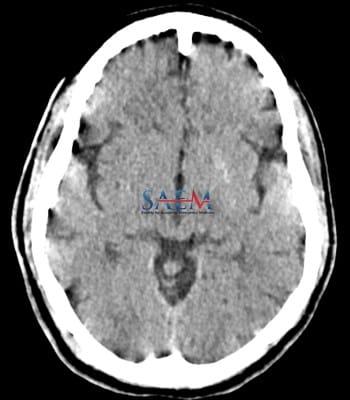
Hyperintensity along the left lentiform nucleus.

Hemichorea-Hemiballismus Syndrome.

There is a stripe of hyperintensity along the left lentiform nucleus seen on head CT, which is a finding consistent with hemichorea- hemiballismus syndrome. This syndrome is a rare presentation that can occur in the setting of acute hyperglycemia or uncontrolled diabetes. Patients with hemichorea-hemiballismus syndrome typically present with involuntary movements of upper and lower limbs, usually unilaterally, but in even more rare cases bilateral symptoms may occur. Neuroimaging may show hyperintense lesions along the contralateral striatum of the affected extremities. Proposed pathophysiology of this syndrome includes hyperviscosity secondary to hyperglycemia and disruption of the blood- brain barrier, decrease in GABA availability in the striatum, and hypersensitivity of the dopamine system receptors due to decreased estrogen concentration in postmenopausal women. Treatment includes management of hyperglycemia; neurological symptoms typically resolve with glycemic control.

Take-Home Points

  • Hemichorea-hemiballismus syndrome can occur in the setting of hyperglycemia and uncontrolled diabetes, and it typically presents with unilateral involuntary movements of the body.
  • Neurological symptoms resolve with management of hyperglycemia and improved glycemic control.

  • Dong M, E JY, Zhang L, Teng W, Tian L. Non-ketotic Hyperglycemia Chorea-Ballismus and Intracerebral Hemorrhage: A Case Report and Literature Review. Front Neurosci. 2021;15:690761. Published 2021 Jun 23. doi:10.3389/fnins.2021.690761
  • Salem A, Lahmar A. Hemichorea-Hemiballismus Syndrome in Acute Non-ketotic Hyperglycemia. Cureus. 2021;13(10):e19026. Published 2021 Oct 25. doi:10.7759/cureus.19026

By |2025-12-16T22:35:25-08:00Dec 19, 2025|Emergency Medicine, Neurology, SAEM Clinical Images|

SAEM Clinical Images Series: Ocular Trauma Following Ground Level Fall

eye

The patient is an 82-year-old female who presents to the Emergency Department after an unwitnessed fall from standing approximately 2 hours prior to arrival. The patient states that she thinks she lost her balance and fell, striking her face. She denies loss of consciousness or any antecedent dizziness or presyncopal symptoms, but has limited recollection of the event. At presentation, she reports pain to the left side of the face, a laceration to the left side of her face, and decreased vision in her left eye. She has no other complaints at this time and denies any other injuries.

Vitals: BP 184/86 HR 83 R 17 T 98.4 O2sat 85% room air

General: Awake, alert, conversational, and in mild distress from pain.

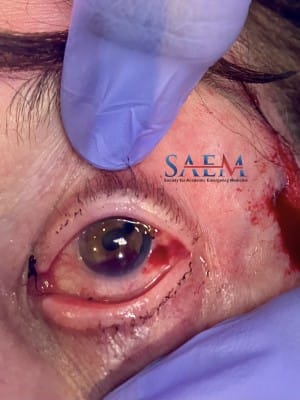
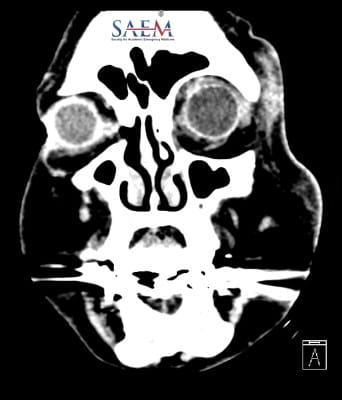
HEENT: 2cm laceration over the left temple. Eye exam physical findings as shown in the image provided. Visual acuity 20/30 OD, 20/100 OS. Visual fields intact. Extraocular movement intact. Right pupil reactive to light. Left pupil non-reactive to light. Tympanic membranes clear. Examination otherwise unremarkable.

This patient has a hyphema, uveal prolapse, iridodialysis, teardrop pupil, and subconjunctival hemorrhage.

This patient has a ruptured globe with multiple significant traumatic eye findings on examination. The clinical image shows a globe rupture with the iris prolapsing through a corneal defect at the 2 o’clock position, an irregularly shaped (teardrop) pupil, a hyphema, iridodialysis (separation of the iris from the ciliary body), and a subconjunctival hemorrhage. CT is specific for diagnosing a globe rupture, but a negative CT scan does not definitively rule out a globe rupture. Management of globe rupture includes emergent ophthalmologic consultation, firm ocular shield, antibiotics, and tetanus prophylaxis if indicated. The initial ED management of a globe rupture should focus on preventing further expulsion of additional intraocular material. Anti-emetics should be given to prevent vomiting, which may cause a sudden rise in intraocular pressures and expulsion of intraocular contents.

Take-Home Points

  • Do not put any pressure on the eye in cases of suspected globe injury. Commercial firm ocular shields are available, but the bottom of a Styrofoam or Dixie cup can be used if such a shield is unavailable.
  • Emergency Department treatment is aimed at expediting emergent ophthalmology consultation and definitive management while minimizing further damage to the eye.

  • Romaniuk VM. Ocular trauma and other catastrophes. Emerg Med Clin North Am. 2013; 31(2): 399-411. PMID: 23601479. DOI: 10.1016/j.emc.2013.02.003.
  • Mohseni M, Blair K, Gurnani B, Bragg BN. Blunt eye trauma. In: StatPearls [Internet]. Treasure Island (FL): StatPearls Publishing; 2023. PMID: 29261988.

SAEM Clinical Images Series: No, I Am Not Diabetic!

Nose

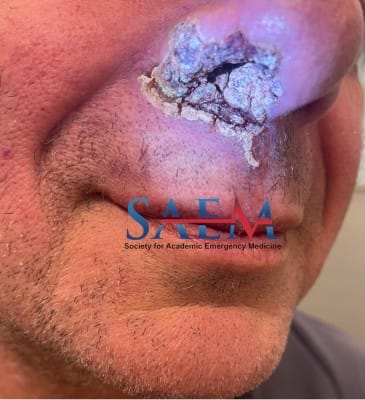
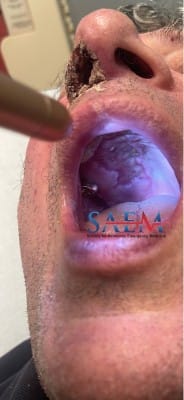
The patient is a 72-year-old male with a history of CAD, hypertension, and BPH who presents to the Emergency Department for sinus congestion and right-sided facial pain. The patient reports progressively worsening darkening crusting around his nose for 3 weeks. He has also had a right-sided temporal and retrobulbar headache, blurry vision in right eye, diminished sense of smell, and right sided numbness to the roof of his mouth for the past week. He was prescribed amoxicillin and nasal steroid spray four days ago without improvement. He denies any recent illness, hospitalizations, travel, HIV risk factors, or any other complaints at this time.
Vitals: All vital signs are normal

General: Alert and oriented, speaking in clear sentences.

HEENT: Key findings as shown in the images provided. There is a 3cm area of palpable edema with tenderness over right temporal region. Dentition is poor with missing teeth. Tongue exam normal.

Cardiovascular: Regular rate and rhythm without murmurs.

Skin: Other than as shown, no rashes

CBC: WBC 8.0, Hgb 14.9, Plt 324,000

CMP: Within normal limits

Lactate: 1.1

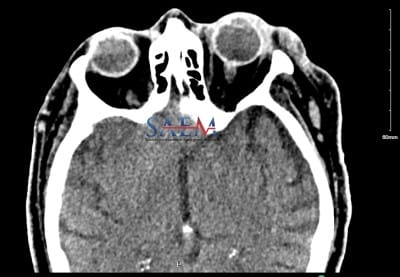
The patient has mucormycosis.

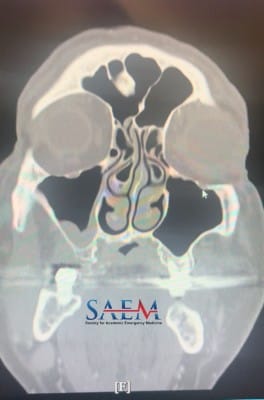
CT scan shows subperiosteal swelling and fluid collection measuring approximately 3.8 x 1.4 cm with a focus of gas.

One of the biggest challenges in diagnosing mucormycosis early is the nonspecific nature of its symptoms, which often overlap with more common and more benign infections. Symptoms such as fever, facial pain, and swelling are often mistaken for bacterial sinusitis. Furthermore, the rapid progression of mucormycosis means that by the time definitive diagnostic tests are conducted, the disease may have already spread significantly. Mucormycosis spreads particularly rapidly in patients with poorly controlled diabetes, neutropenia, and other immunosuppressive conditions. Definitive diagnosis relies on tissue biopsy, imaging, and molecular diagnostic methods. CT scans may show tissue necrosis, bony destruction, and soft tissue swelling in the sinuses. If rhinocerebral mucormycosis is suspected, MRI of the orbits, sinuses, and brain can evaluate for spread of infection and detect intracranial extension. Treatment includes aggressive surgical debridement of necrotic tissue and systemic anti-fungal medications.

Take-Home Points

  • Mucormycosis should be suspected in rapidly progressive sinusitis with necrotic tissue or eschars around the nasal cavity or palate.
  • Patients who are at high risk include those with uncontrolled diabetes or other immunocompromising conditions.
  • Biopsy is gold standard for a definitive diagnosis.

  • Mohamed MS, Abdel-Motaleb HY, Mobarak FA. Management of rhino-orbital mucormycosis. Saudi Medical Journal. 2015;36(7):865-868. doi:10.15537/smj.2015.7.11859.
  • Gupta MK, Kumar N, Dhameja N, Sharma A, Tilak R. Laboratory diagnosis of mucormycosis: Present perspective. J Family Med Prim Care. 2022 May;11(5):1664-1671. doi: 10.4103/jfmpc.jfmpc_1479_21. Epub 2022 May 14. PMID: 35800582; PMCID: PMC9254769.
  • Gamaletsou MN, McGinnis MR, Hayden RT, Kontoyiannis DP. Early clinical and laboratory diagnosis of invasive pulmonary, extrapulmonary, and disseminated mucormycosis (zygomycosis). Clin Infect Dis. 2012 Feb;54 Suppl 1:S55-60. doi: 10.1093/cid/cir868. PMID: 22247446.

By |2025-11-28T20:25:23-08:00Dec 5, 2025|ENT, SAEM Clinical Images|

SAEM Clinical Images Series: Snorkeling Gone Wrong!

sting

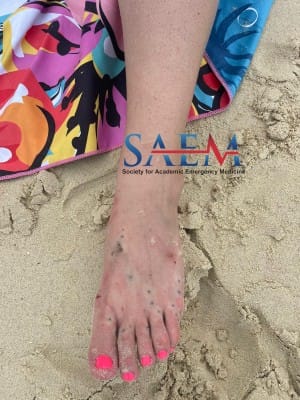
The patient is a 30-year-old female who presents to the Emergency Department with severe left foot pain after snorkeling in shallow water off the coast of Phuket, Thailand. She reports a sudden onset of pain as she was kicking her legs while swimming. She describes the pain as burning in nature across the top of her foot, which worsens with weight bearing, though she can bear weight. She also complaints of multiple discolorations on the dorsum of her left foot since the pain began.

Vitals: All vital signs are normal.

General: Awake and alert in some distress from pain.

Respiratory: Clear to auscultation.

Extremities: As shown in the image provided. Sensation is intact to light touch. There is a full range of motion about the ankle. Flexion and extension are preserved in the toes. The dorsalis pedis pulse is bounding and there is no significant bleeding.

Warm water immersion to neutralize the toxin.

This patient has suffered a sea urchin envenomation after accidental contact with its spines. Sea urchins are capable of causing envenomation when accidentally stepped on or bumped into by divers and marine workers alike, especially in shallow and rocky waters where sea urchins tend to dwell. Their hollow spines, which contain toxins, easily embed in the soft tissues. They can cause significant local inflammation, including tenosynovitis and granuloma formation, or systemic effects such as nausea, vomiting, fatigue, syncope, and respiratory distress. Diving gear may offer some protection, but sharp spines may still penetrate protective gear such as flippers or water shoes. Sea urchin toxins are heat-labile, and warm water immersion (40-46°C) can rapidly reduce pain by neutralizing toxins. Other treatments, such as surgical debridement, antibiotics, and tetanus prophylaxis should be sought as necessary when returning to more resource-rich environments. Some species of sea urchins contain dye in their spines, which can give the appearance of retained spines, as seen in this case.

Take-Home Points

  • Beware sea urchin contact when diving, swimming, or snorkeling in shallow, rocky waters.
  • Significant pain relief can be achieved with hot water immersion in sea urchin stings, as the toxins are heat labile.

  • Gelman Y, Kong EL, Murphy-Lavoie HM. Sea Urchin Toxicity. [Updated 2023 Aug 7]. In: StatPearls [Internet]. Treasure Island (FL): StatPearls Publishing; 2024 Jan-. Available from: https://www.ncbi.nlm.nih.gov/sites/books/NBK536934/
  • Zafren K, Thurman R, Jones ID. Sea Urchin Envenomation. In: Knoop KJ, Stack LB, Storrow AB, Thurman R. eds. The Atlas of Emergency Medicine, 5e. McGraw-Hill; 2021. Accessed December 27, 2024. https://accessemergencymedicine.mhmedical.com/content.aspx?bookid=2969&sectionid=250461114

By |2025-11-10T14:40:56-08:00Dec 1, 2025|Environmental, SAEM Clinical Images|

SAEM Clinical Images Series: Caught by the Cuff

cuff

A 74-year-old male with a history of hypertension and moderate alcohol use presented to the Emergency Department with generalized weakness. He was started on low dose furosemide once a day for mild ankle swelling 3 days prior. He reported good oral intake but noted that he had been urinating more than usual. He denied any fever, chest pain, shortness of breath, or any other problems but due to worsening weakness he came in for evaluation.

Vitals: BP 185/94; HR 90; R 18; T 97.4°F; O2 sat 98% room air.

General: Well appearing, no acute distress.

Respiratory: Clear to auscultation.

Cardiovascular: Regular rate and rhythm, no murmur.

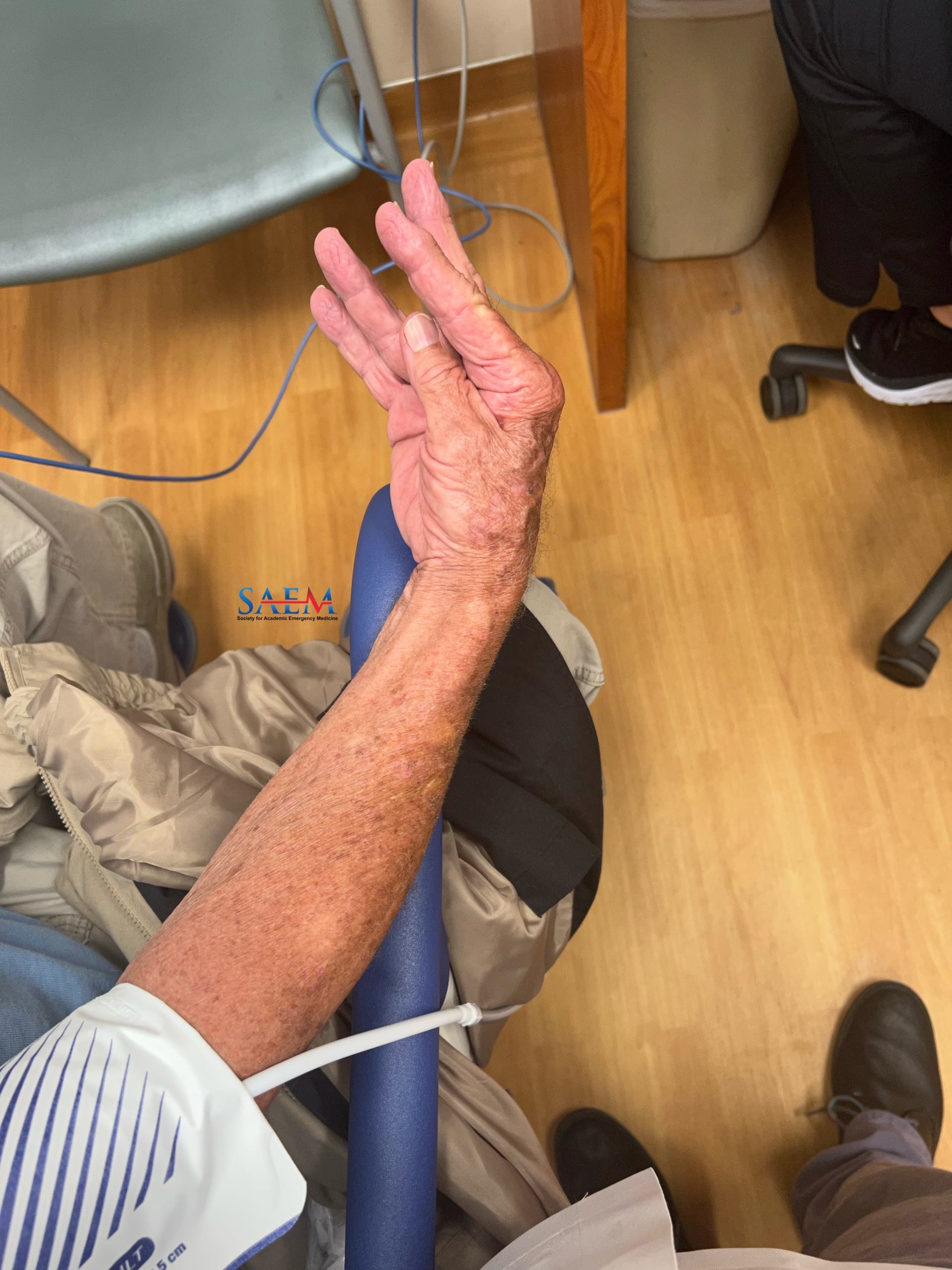
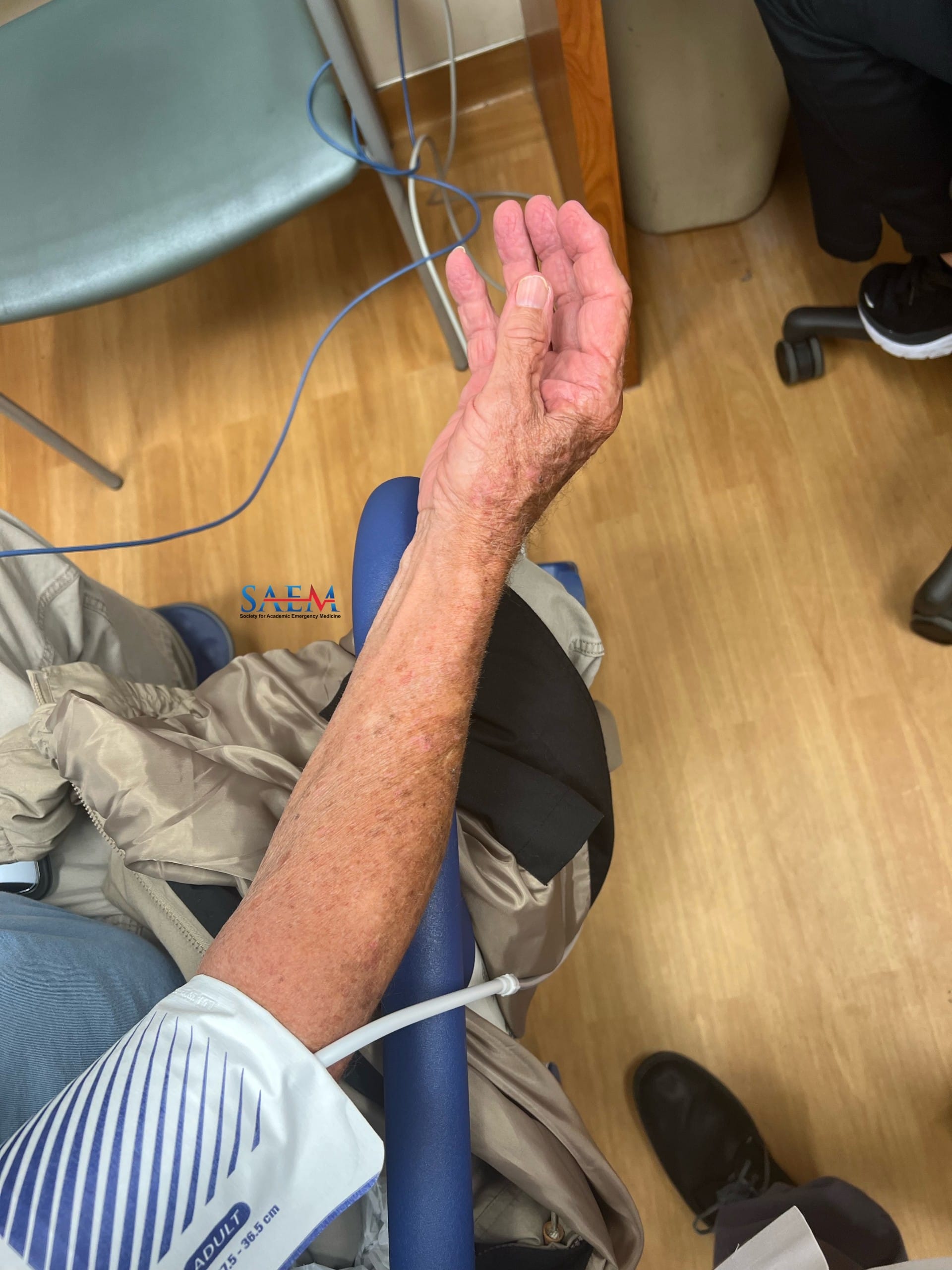
Extremities: Mild trace pedal edema bilaterally. While resting, the patient suddenly called out to the nurse for arm pain. Image 1 was taken at this time, during which his blood pressure was being measured.

CBC and BMP normal

Ca:8.4

Mg: 1.2

Trousseau’s sign of latent tetany (carpopedal spasm)

Trousseau’s sign is an involuntary, inducible carpopedal spasm that occurs when circumferential compression is applied to the limb, inhibiting blood flow (such as done by an inflated blood pressure cuff). Classically described, the metacarpophalangeal joints are flexed, the interphalangeal joints of the fingers and thumb are extended, and the thumb adopts a posture of opposition as seen in Image 1. Image 2 was taken with the blood pressure cuff deflated. Trousseau’s sign is primarily seen with hypocalcemia and hypomagnesemia, with hypocalcemia being the more common cause. Trousseau’s sign is seen most frequently in patients with disease states causing hypocalcemia and/or hypomagnesemia such as hypoparathyroidism, vitamin D deficiency, pancreatitis, renal disease, metabolic alkalosis, alcohol use disorders, and restrictive diets. The likely cause in this case is hypomagnesemia caused by furosemide diuresis and increased excretion of magnesium.

Take-Home Points

  • Trousseau’s sign is most commonly caused by hypocalcemia, but may also be less commonly associated with hypomagnesemia.

  • Trousseau’s sign of latent tetany resolves when the underlying electrolyte abnormality is corrected.

  • Trousseau A. Lectures on clinical medicine, delivered at the Hôtel-Dieu, Paris. 3rd ed [Translated by Cormack Sir John.]. London (UK): New Sydenham Society; 1872
  • Rehman HU, Wunder S. Trousseau sign in hypocalcemia. CMAJ. 2011 May 17;183(8):E498. doi: 10.1503/cmaj.100613. Epub 2011 Feb 28. PMID: 21398222; PMCID: PMC3091937.
  • Jesus JE, Landry A. Images in clinical medicine. Chvostek’s and Trousseau’s signs. N Engl J Med. 2012 Sep 13;367(11):e15. doi: 10.1056/NEJMicm1110569. Erratum in: N Engl J Med. 2012 Dec 6;367(23):2262. PMID: 22970971.


By |2025-11-17T01:53:05-08:00Nov 21, 2025|Endocrine-Metabolic, SAEM Clinical Images|

SAEM Clinical Images Series: Mind the Gap

scapholunate

A 25-year-old right-handed female with a longstanding history of right wrist pain presents with wrist pain. Her chronic pain had worsened over the past 2-3 weeks. She did not recall a specific recent injury, but did recall that she had a painful injury to the same wrist in the past when she fell on her outstretched hand. She was seen several weeks prior for the injury, but did not seek follow-up care after her initial evaluation. She had pain with any movement and complained of tenderness around the wrist, but denied any fever, redness, swelling, or any other complaints.

Vitals: All vital signs are normal.

General: No acute distress.

Musculoskeletal: Right upper extremity: Normal shoulder and elbow range of motion without tenderness. The right wrist is tender over the proximal carpal row and thenar eminence, with mild snuffbox tenderness. Radial and ulnar pulses are intact. Radial, median, and ulnar nerve motor and sensory function intact. The patient can fully flex and extend at the wrist, but has pain with motion. There is no obvious visual deformity and no ecchymosis. Capillary refill in all digits <2 seconds. Can flex and extend all digits without difficulty. There is no warmth or erythema over the joint.

Non-contributory

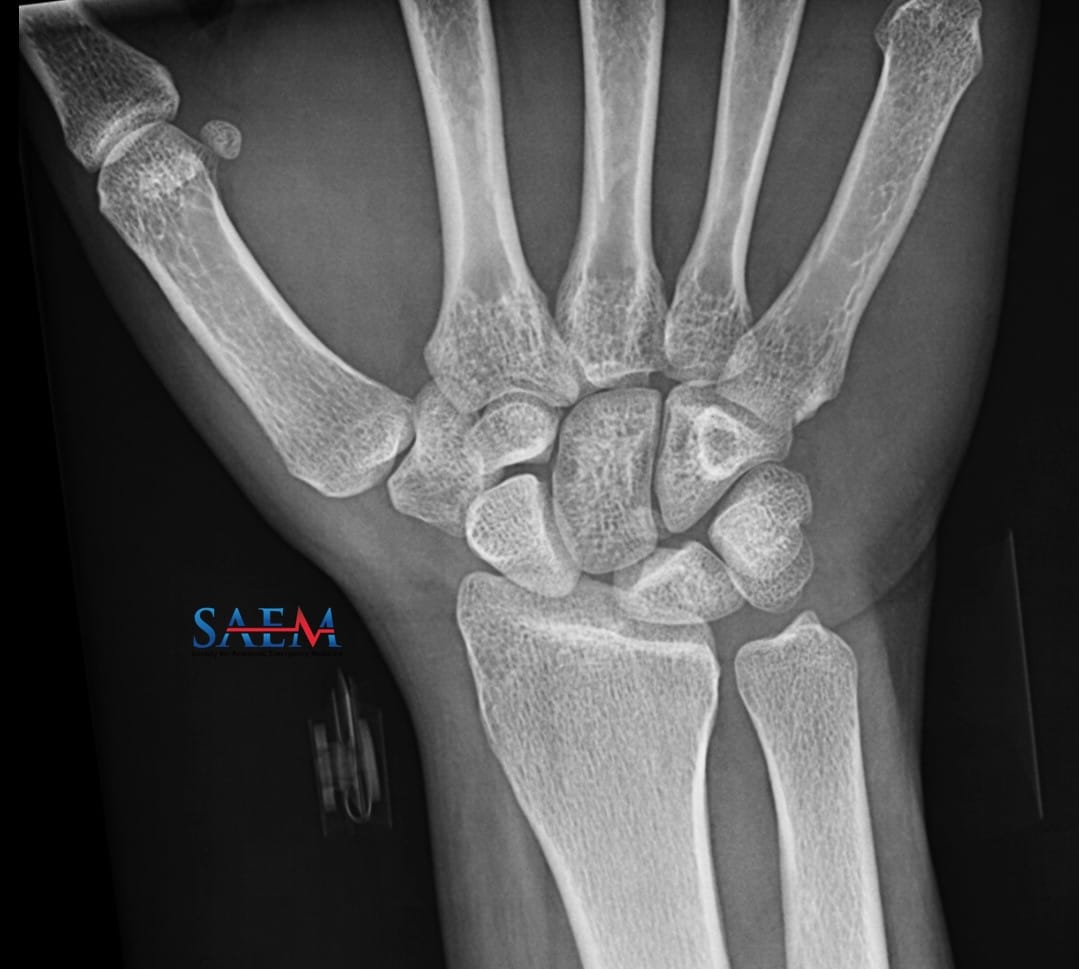
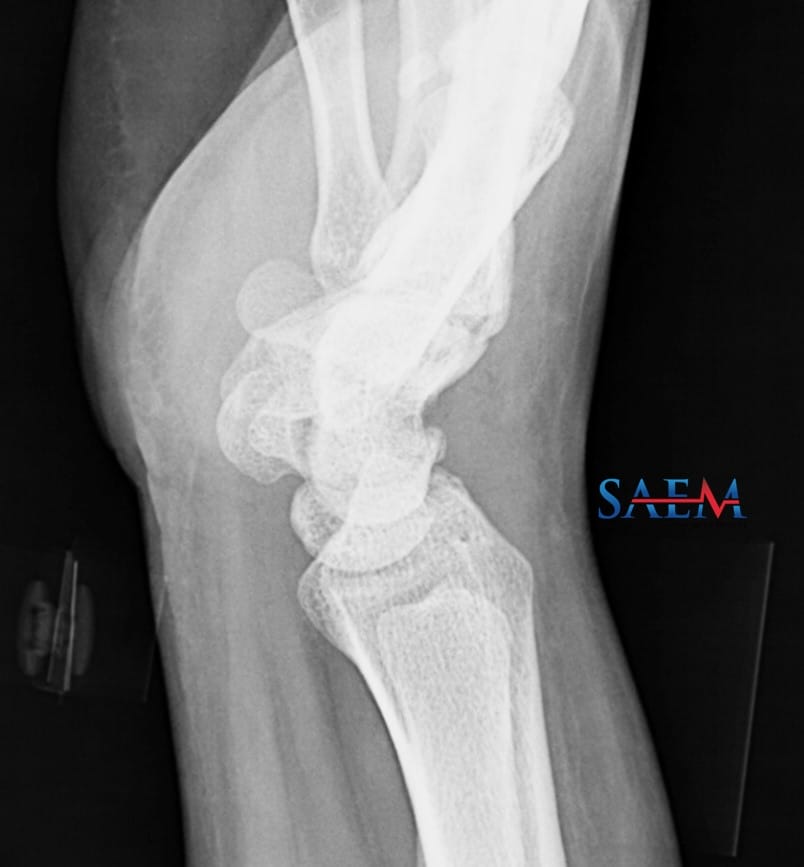
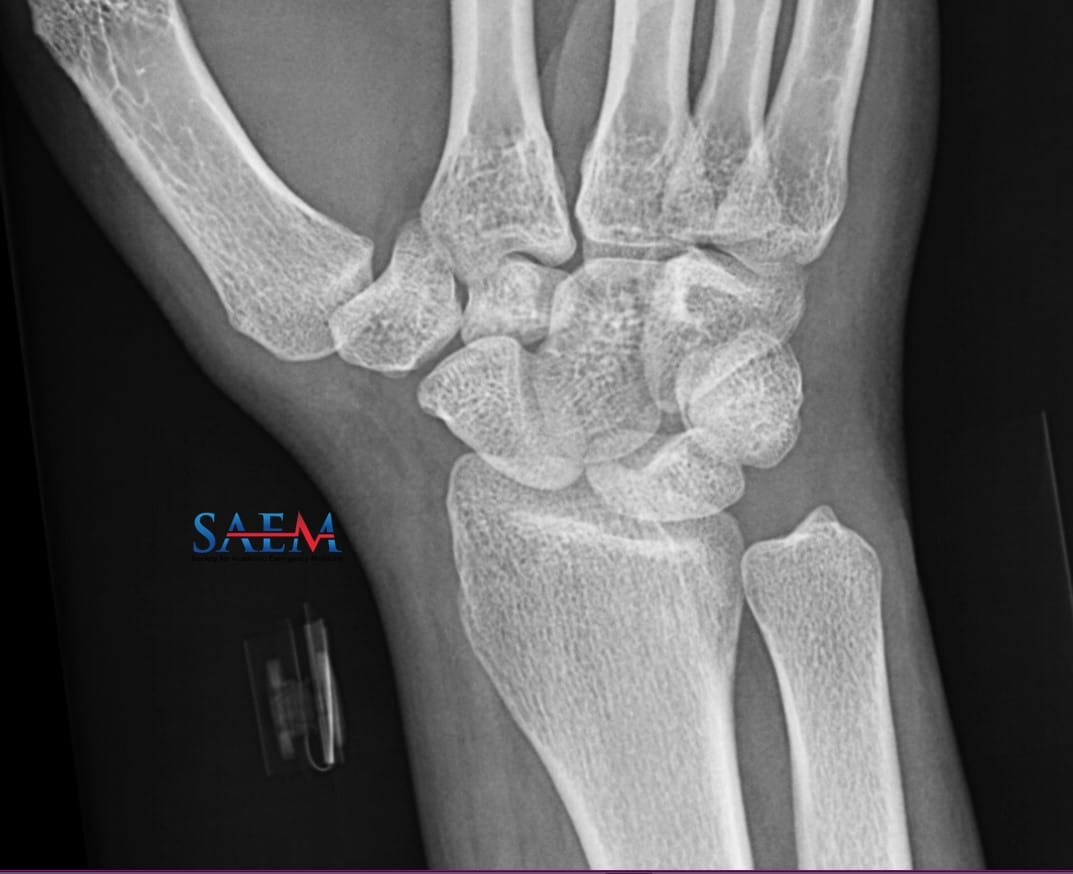
Terry Thomas sign (widening of the scapholunate space)

The scapholunate ligament is disrupted.

Scapholunate advanced collapse (SLAC)

A fall on an outstretched hand (FOOSH) injury can result in not only fractures, but also ligamentous disruptions. Scapholunate Advanced Collapse (SLAC) injury is a progressive form of degenerative osteoarthritis of the wrist, often resulting from untreated disruption of the scapholunate ligament (SLL). SLAC is the most common form of post-traumatic osteoarthritis of the wrist. Injury to the SLL may be identified by intra-articular space widening between the scaphoid and lunate bones of the proximal row of the carpal bones on radiographs. This classic x-ray finding is also known as the “Terry Thomas” sign, referring to the famous gap in the upper dental incisors of the late British comedian. The SLL is responsible for stabilizing the scapholunate joint, and this x-ray finding indicates disruption of the ligament. Patients with this degree of joint space widening will often require surgical repair to ensure best functional outcome, and in the short term the injury is managed with NSAIDS, splinting, and orthopedic hand referral.

Take-Home Points

  • Scapholunate ligament disruption can lead to long term arthritis and impaired wrist function. Early identification and treatment helps improve outcomes.

  • MRI may be needed to identify disruption of the scapholunate ligament. X-ray is approximately 63% sensitive in identifying the injury by demonstrating scapholunate space widening.

  • Kompoliti E, Prodromou M, Karantanas AH. SLAC and SNAC Wrist: The Top Five Things That General Radiologists Need to Know. Tomography. 2021 Sep 23;7(4):488-503. doi: 10.3390/tomography7040042. PMID: 34698283; PMCID: PMC8544666.
  • Wessel LE, Wolfe SW. Scapholunate Instability: Diagnosis and Management – Anatomy, Kinematics, and Clinical Assessment – Part I. J Hand Surg Am. 2023 Nov;48(11):1139-1149. doi: 10.1016/j.jhsa.2023.05.013. Epub 2023 Jul 14. PMID: 37452815.


By |2025-11-17T01:47:19-08:00Nov 17, 2025|Orthopedic, SAEM Clinical Images|

SAEM Clinical Images Series: Strawberry Tongue

A 7-year-old male with no significant past medical history presented to the Emergency Department complaining of a sore throat. The parents stated that he had been running fevers for two days along with a worsening sore throat. The patient had been able to swallow, but had decreased oral intake secondary to pain. There are no other complaints at the time.

Vitals: BP 110/70; HR 111; R 17; T 101°F; O2 sat: 99% on room air.

General: Well appearing, no acute distress, normal voice.

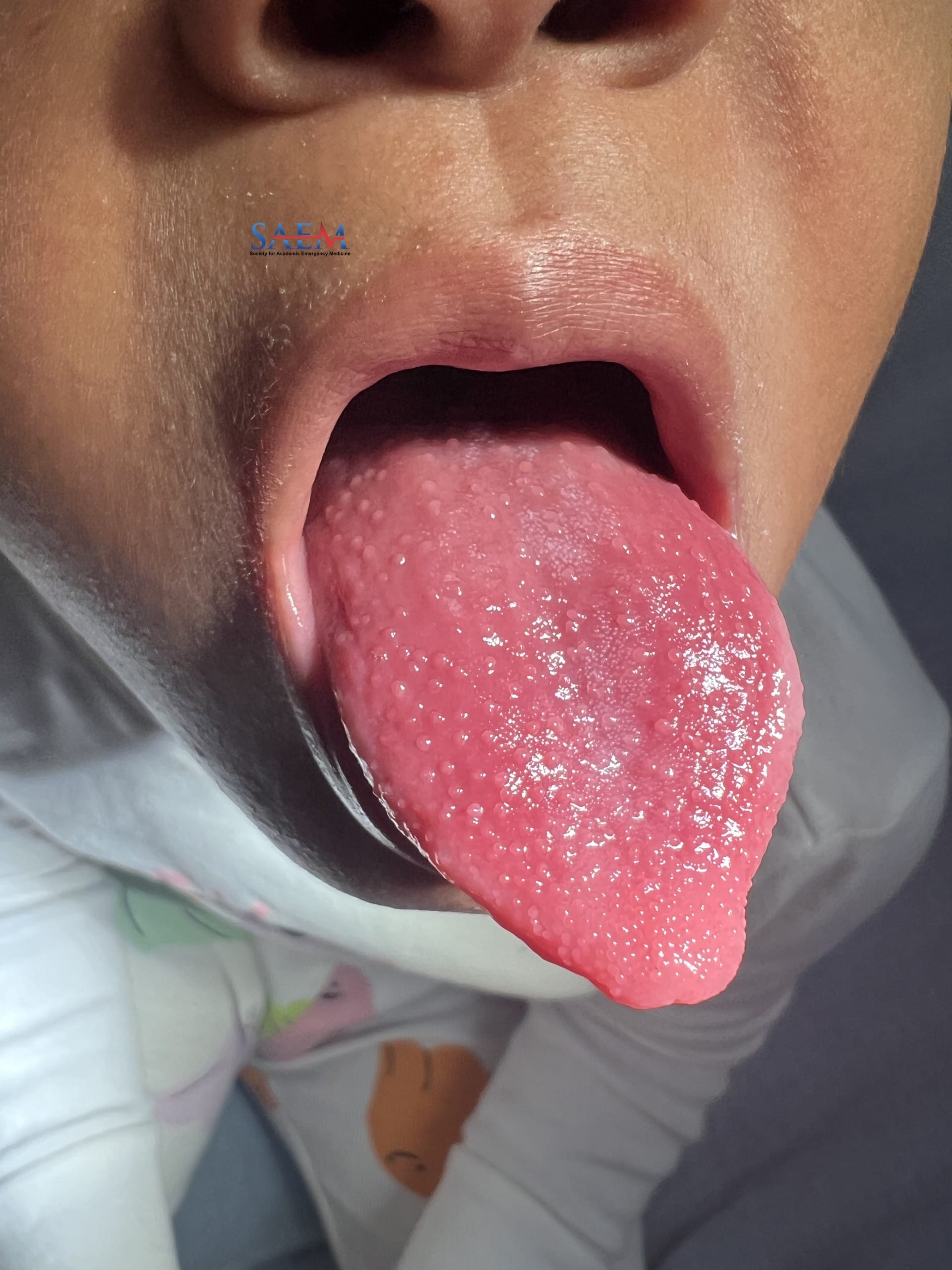
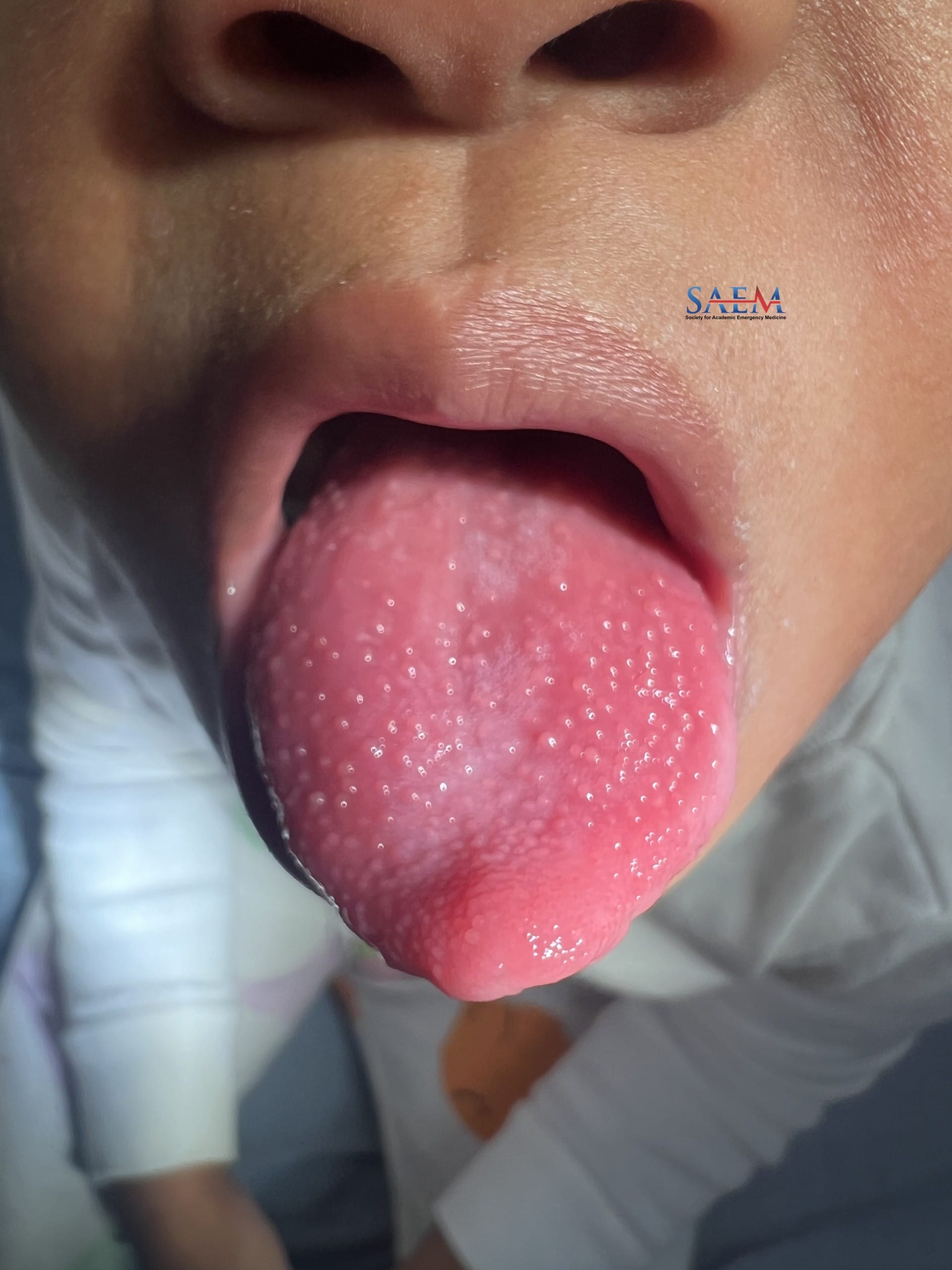
HEENT: There is no sign of conjunctivitis. Oropharyngeal exam is remarkable for exudative pharyngitis with tonsillar swelling. There is no sign of peritonsillar abscess or airway compromise. Uvula midline and normal. Tongue as shown. Anterior cervical lymphadenopathy is present.

Respiratory: Clear to auscultation bilaterally.

Cardiovascular: Tachycardia without murmur.

Abdomen: Non-tender, no organomegaly.

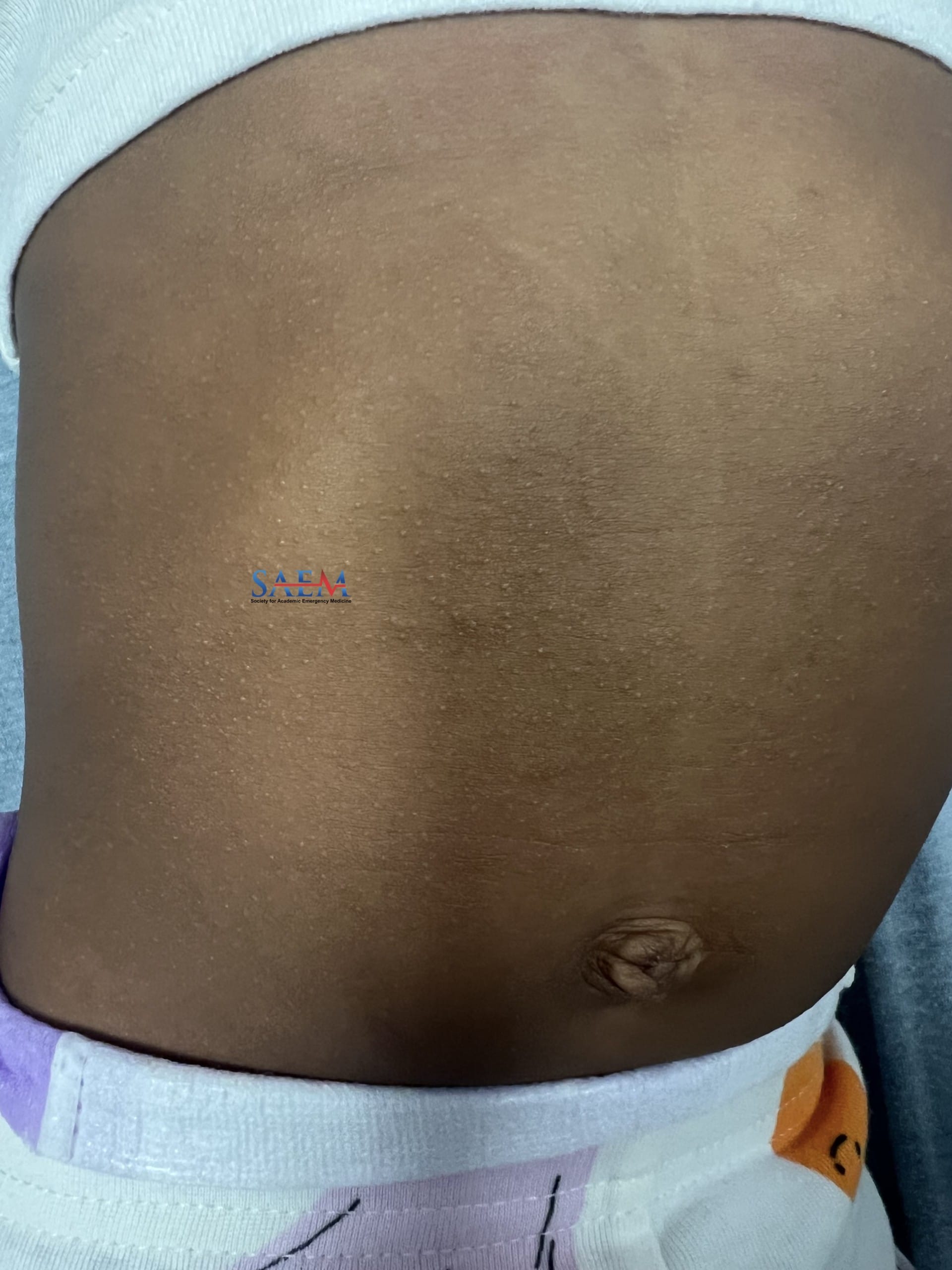
Skin: Relevant findings as shown.

Non-contributory

Scarlet fever is caused by Group A Streptococcus (S. pyogenes), and most commonly occurs in children aged 5-15 years. The illness typically begins with a prodrome of fever, sore throat, headache, and abdominal pain, followed 1-2 days later by a distinctive coarse rash with a texture that resembles sandpaper. Exudative pharyngitis is usually present. The tongue may initially have a white coating which fades by day 4-5, revealing a bright red, “strawberry tongue” as seen in this case. The rash usually starts on the neck, axillae, and groin, and then spreads to the trunk and extremities. Pastia lines, which are linear petechial eruptions, may be present in the antecubital and axillary folds. Facial flushing with a pale area around the mouth is also common. Desquamation of the skin may occur about two weeks after the rash appears. A rapid strep test can quickly confirm the diagnosis. If scarlet fever is left untreated, it can lead to serious complications such as rheumatic fever or post-streptococcal glomerulonephritis. Early diagnosis and treatment with antibiotics, usually penicillin or amoxicillin, are effective in preventing sequelae.

Take-Home Points

  • Scarlet fever is characterized by strawberry tongue, sandpaper rash, and exudative pharyngitis. The cause is Group A Streptococcus.

  • Early diagnosis and antibiotic treatment are crucial to prevent the serious potential complications of untreated scarlet fever, such as rheumatic fever and post-streptococcal glomerulonephritis.

  • The Sanford Guide to Antimicrobial Therapy. Dallas, TX :Antimicrobial Therapy, Inc., 1995.


Go to Top