



US4TW Case: 30M with Blunt Abdominal Trauma
Welcome to another ultrasound-based case, part of the “Ultrasound For The Win!” (#US4TW) Case Series. In this peer-reviewed case series, we focus on real clinical cases where bedside ultrasound changed management or aided in diagnoses. In today’s case, a 30-year-old male is brought in after blunt trauma from a high-speed MVC. [+]
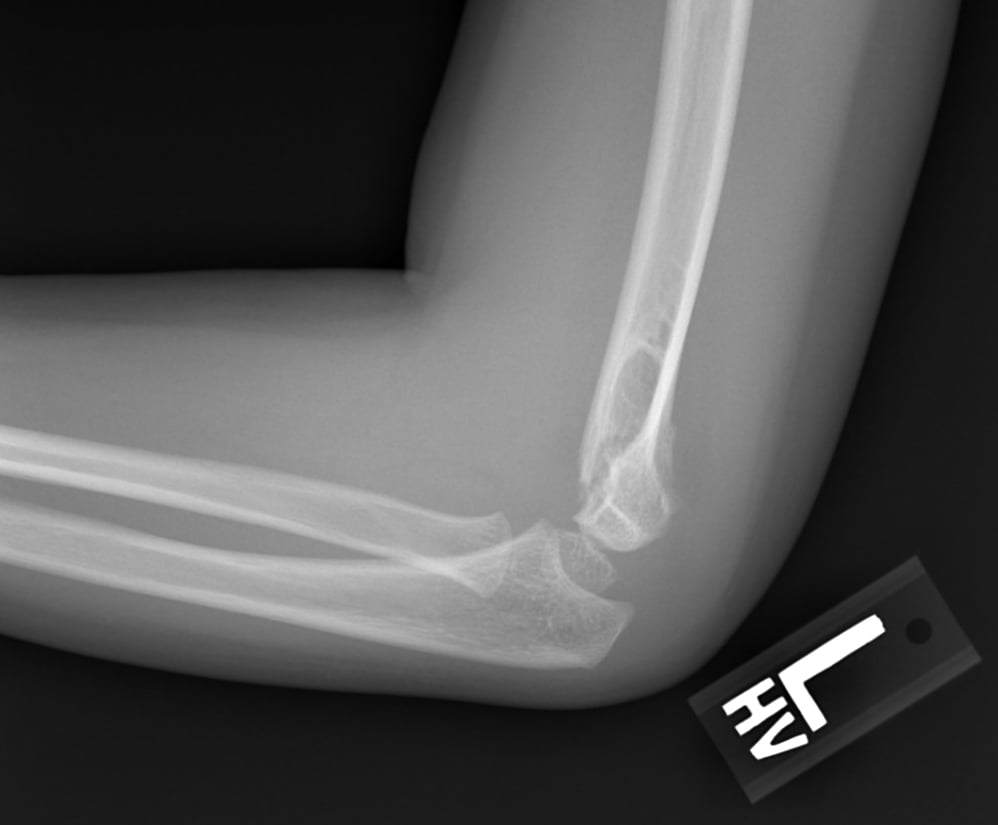
Diagnose on Sight: 6 year old with elbow pain
Case: A previously healthy 6 year old male presents with left elbow pain after wrestling with a friend. What is the diagnosis? Click on image for a larger view. [+]

Director of Growth, Strategic Alliance Initiative, Center for Innovation and Digital [+]

Antibiotics, Myasthenia Gravis, and Risk of Weakness
A 71 year old female presents to the ED with lethargy, fever (39.5 C), and tachypnea (RR 28 rpm). She has a long-standing history of myasthenia gravis (MG) for which she receives periodic IVIG infusions. She is accompanied by her son, who informs you that she had a recent 10-day hospital stay for weakness. A CXR reveals an infiltrate in the left lower lobe. The decision is made to initiate antimicrobial therapy for presumed healthcare-associated pneumonia. But, which antibiotics are safe to use in a patient with severe MG? [+]

Valproic Acid-Induced Hyperammonemic Encephalopathy
Valproic acid is used for a variety of clinical indications including seizures, migraine prophylaxis and treatment, and bipolar disorder. A metabolite of valproic acid, thought to be propionic acid, has the ability to increase ammonia levels by inhibiting a step in the hepatic urea cycle, which may lead to valproic acid-induced hyperammonemic encephalopathy. As a result, patients treated with valproic acid presenting with signs and symptoms of acute mental status changes, increased seizure frequency, and/or gastrointestinal symptoms should be evaluated for elevated ammonia concentrations. [+]

Blunt Chest Trauma: Validation of the NEXUS Chest Rule
We commonly see patients who have some form of blunt chest trauma. This is the result of motor vehicle collisions, falls, and a myriad of other traumatic events. The decision to perform thoracic imaging can be difficult. Chest xray (CXR) and/or chest CT? In fact, studies have shown that emergency and trauma physicians often disagree 28-40.9% of the time about which patients require a chest CT following blunt trauma. 1,2 [+]
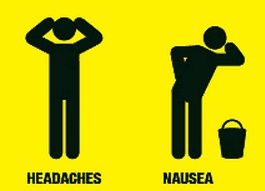
Carbon Monoxide Poisoning – It’s That Time of Year Again
Carbon monoxide (CO) poisoning may be the most common cause of fatal poisonings worldwide. 1 The majority of poisonings occur in the Fall and Winter. It is that time of year when heaters that have lain dormant all summer are flicked on, sometimes in enclosed areas, introducing CO fumes into homes. The pathophysiology is complex, and not fully understood, but all ED physicians should be aware of the signs and symptoms of CO toxicity, and know how to treat it. [+]
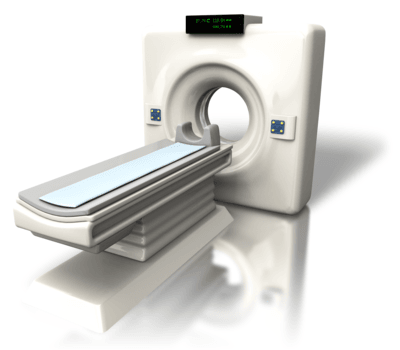
Top 10 Reasons NOT to Order a CT Pan Scan in a Stable Blunt Trauma Patient
The pendulum has swung one way with CT for trauma, but has it gone too far? Liberal use of CT raises concerns over resource utilization, cost, and the consequences of radiation exposure [1,2]. No-one can seem to agree, including trauma surgeons, on guidelines for a more selective use of imaging studies [3-6]. “CT pan scan” is the term, source unclear, which describes the whole body CT (WBCT) imaging strategy used in blunt trauma management. It consists of the following CT studies: [+]

Trick of the Trade: Insect removal from the ear
Insect removal from the ear is a foreign body removal procedure with unique considerations. First, insects are friable. Have you ever squashed a house centipede? It’s like their 700 legs are spring-loaded to fall off instantly when touched. This characteristic makes mechanical removal by alligator forceps or cerumen loops less reliable. Second, they are alive which means they can move during your attempted extraction procedure. [+]

AIR Series: Endocrinology Module 2014
Welcome to the third ALiEM Approved Instructional Resources (AIR) Module! In an effort to reward our readers for the reading and learning they are already doing online, we have created an Individual Interactive Instruction (III) opportunity utilizing FOAM resources for U.S. Emergency Medicine residents. For each module, the board curates and scores a list of blogs and podcasts. A quiz is available to complete after each module to obtain residency conference credit. Once completed, your name and institution will be logged into our privatedatabase, which participating residency program directors can access to provide proof of completion. [+]

Bleeding and Hemophilia in the Pediatric ED
Bleeding as a chief complaint in the pediatric emergency department is something that many healthcare providers will come across. Some of these children may have inherited bleeding disorders that we must be aware of in order to provide the best care possible. Below is a basic review of hemophilia and what we should know and do in the emergency department. [+]
Director of Growth, Strategic Alliance Initiative, Center for Innovation and Digital Health
Massachusetts General Hospital;
Chief Scientific Officer, Conductscience.com
Latest posts by Shuhan He, MD (see all)
- The Discharge Severity Index: Early Research on ED Readmission Risk Assessment - August 14, 2025
- Suboxone and the Emergency Physician: Get Waivered Training - August 12, 2022
- A Tale of Two Epidemics: COVID-19 and the Opioid Crisis - April 23, 2020