


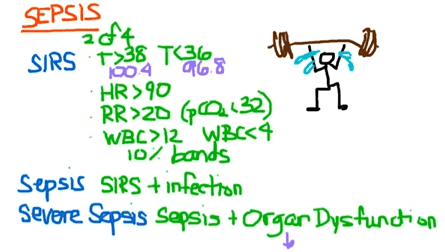
Patwari Academy video: Early goal directed therapy
Do you know the protocol for early goal directed therapy (EGDT)? It’s all about IV fluids. Get the scoop here in this 12 minute video. [+]

Director of Growth, Strategic Alliance Initiative, Center for Innovation and Digital [+]
Transient Synovitis vs Septic Arthritis of the Hip
Limping is a common reason for parents to bring their children to emergency departments. It is known that 77% of acute, atraumatic limp is dealt with in the ED, and 20% do not even complain of pain.1 Our job as physicians is to complete appropriate assessments to not miss any serious pathology. Specifically, differentiating between transient synovitis (TS) and septic arthritis (SA) of the hip can be difficult and frustrating for everyone. What is your approach? [+]

Trick of the Trade: Urine Collection in Neonates
The Case: A 8-day-old, uncircumcised male is brought to the ED with fever, irritability, and decreased urination. The Problem: Getting a clean catch urine in a timely, non-invasive manner The Solution? [+]
Director of Growth, Strategic Alliance [+]
The SCRAP Rule: Indications for chest CT in blunt trauma
At my institution, trauma patients frequently receive the “Pan Scan,” to rule out acute injury. Recently, Payrastre et al published the SCRAP Rule article in CJEM 2012 1 looking to derive and internally validate a clinical decision rule that would identify blunt trauma patients at very low risk for major thoracic injury with 100% sensitivity, thereby eliminating need for a chest CT. Currently, the decision on whether to perform a chest CT is made mostly by clinical judgment. [+]
Trick of the Trade: Making the NG and NP procedures less painful
When doing nasogastric (NG) tubes and fiberoptic nasopharyngoscopy (NP) procedures, there many approaches in how patients can be locally anesthetized. Getting things pushed up your nose is so profoundly irritating that most patients only give you 1 or 2 changes to get it right. One option is to use nebulized lidocaine, although it takes a while to prepare and anecdotally tends to numb mainly the hypopharynx, placing the patient at risk for aspiration later on. Another option is to use viscous lidocaine to coat the NG or NP tubing, but this is fairly messy and only mildly helpful. Commercial intranasal [+]
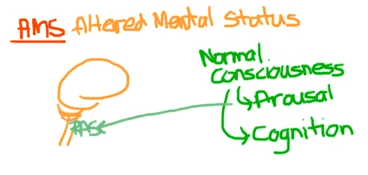
Patwari Academy video: Altered mental status
Get an organized approach on the broad chief complaint of “Altered Mental Status”. Learn about the AEIOU TIPS mnemonic om this 20 minute video by Dr. Rahul Patwari. [+]
Director of Growth, Strategic Alliance Initiative, Center for [+]
Management of Syncope
“Done Fell Out”, or DFO, is a common saying in the South to describe syncope. Although the saying is funny the diagnosis is not. Syncope accounts for about 3–5% of ED visits and 1–6% of hospital admissions. In patients >65, syncope is the 6th most common cause of hospitalization. How do you approach the management of patients with syncope? [+]
Sim Case Series: Perimortem C-Section
Case Writer: Clare Desmond, MD Peer Reviewer and Editor: Nikita Joshi, MD Keywords: Cardiac arrest, Perimortem C-section [+]
Director of Growth, Strategic Alliance Initiative, Center for Innovation and Digital Health
Massachusetts General Hospital;
Chief Scientific Officer, Conductscience.com

Trick of the Trade: Rapid Oral Phenytoin Loading in the ED
A 57-year-old male (75 kg) presents to the ED after a witnessed seizure. He describes a history of seizure disorder and is prescribed phenytoin, but recently ran out. A level is sent and, not surprisingly, results as < 3 mcg/mL (negative). After a complete workup, the decision is made to ‘load’ him with phenytoin 1 gm and discharge him with a prescription to resume phenytoin. An IV was not placed. Can you rapidly load him orally? [+]
Chest Pain: Coronary CT Angiography in the ED
It is well known that taking a good history and physical, getting a non-ischemic EKG, and serial cardiac biomarkers, results in a risk of death/AMI of <5% in 30 days. Patients, in whom you still suspect have CAD, should undergo provocative testing within the next 72 hours based on the AHA/ACC guidelines. Their guidelines deem provocative testing as including: Exercise treadmill stress test, Myocardial perfusion scan, Stress echocardiography, and/or Coronary CT angiography (CCTA). [+]
Director of Growth, Strategic Alliance Initiative, Center for Innovation and Digital Health
Massachusetts General Hospital;
Chief Scientific Officer, Conductscience.com
Latest posts by Shuhan He, MD (see all)
- The Discharge Severity Index: Early Research on ED Readmission Risk Assessment - August 14, 2025
- Suboxone and the Emergency Physician: Get Waivered Training - August 12, 2022
- A Tale of Two Epidemics: COVID-19 and the Opioid Crisis - April 23, 2020