


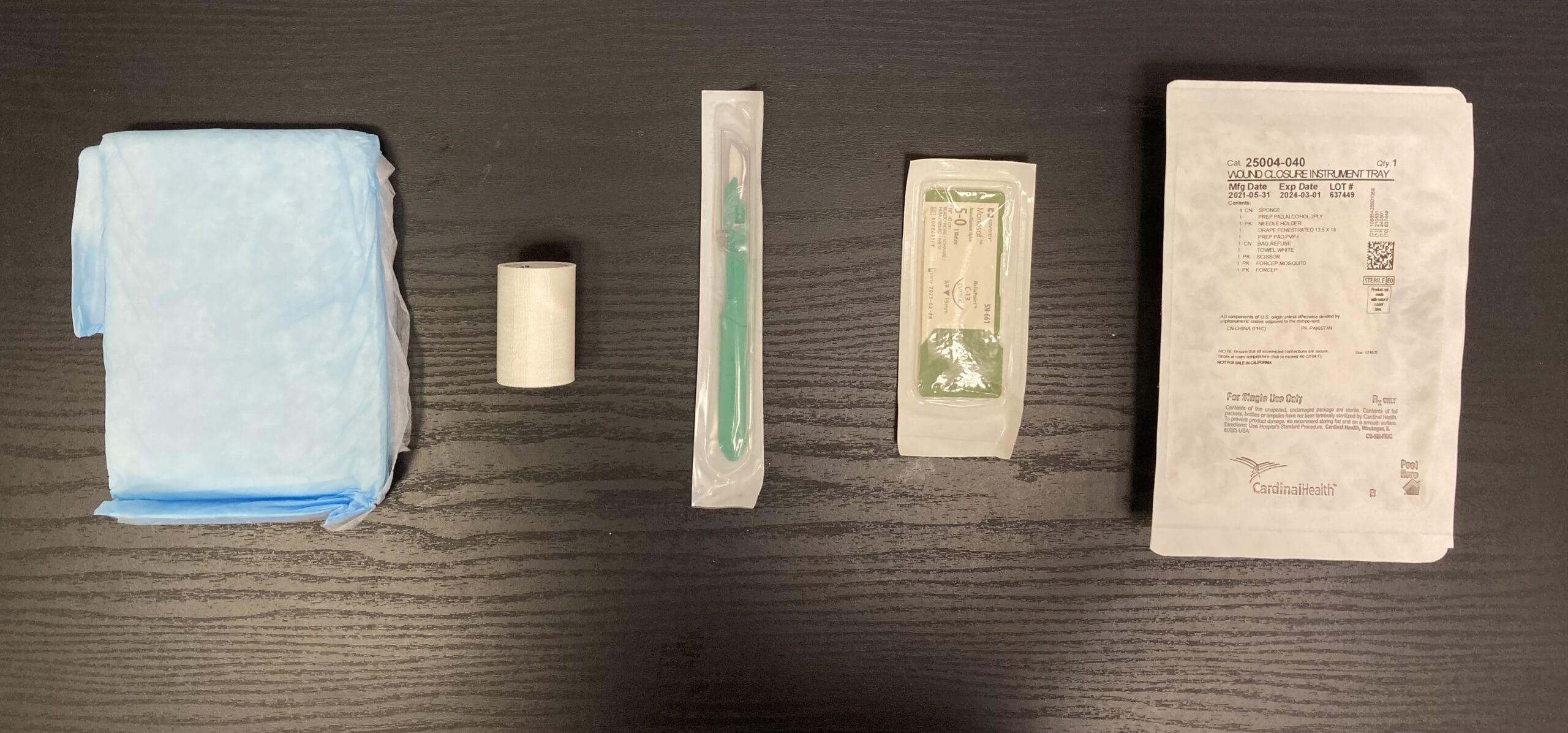
IDEA Series: DIY Suture Kit Station
In medical training there is a lack of simulation based activities including procedural labs. Suturing is a critical skill for trainees to master in the emergency department. However, supervised practice is needed prior to suturing a real patient for the first time. This innovation allows early trainees to master suturing while on shift, using easy to find materials, which increases procedural competency and confidence. This activity allows the teacher to assess and correct the trainees procedural skills prior to attempting to suture a real patient. Name of innovation This Do-It-Yourself Suture Kit Station incorporates easy to find materials available in [+]
SplintER Series: Don’t Go Breaking My Heart
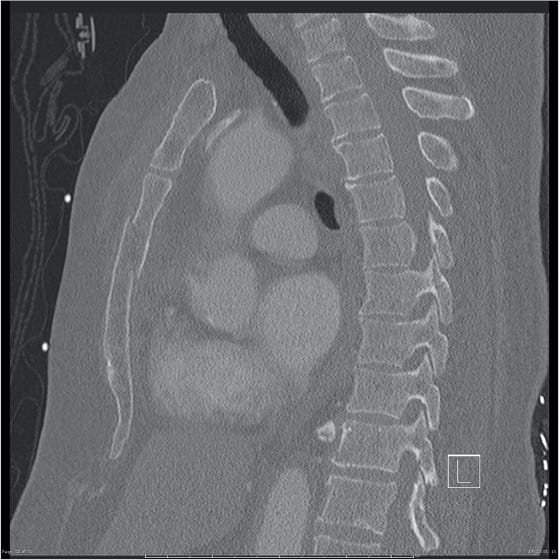
A 45-year-old man presents to the emergency department with chest pain after a high-speed motor vehicle accident where his sternum hit the steering wheel. You notice an area of ecchymosis noted over his sternum, so you decide to get a CT scan (Figure 1). Figure 1. Case courtesy of Dr Henry Knipe, Radiopaedia.org, rID: 26332 [+]

Ko, [+]

Stanford’s INFODEMIC Conference on COVID-19 Misinformation: Open-access podcasts
In July 2021, Dr. Vivek Murthy became the first U.S. Surgeon General to declare health misinformation a public health crisis. Specifically, COVID-19 vaccine misinformation and disinformation on social media greatly affects vaccination rates in certain populations. Rapid increases in reliable health information about COVID-19 can be overshadowed by the spread of even greater amounts of misinformation, leading to an ‘infodemic.’ The World Health Organization defines an infodemic as: “... too much information including false or misleading information in digital and physical environments during a disease outbreak. It causes confusion and risk-taking behaviours that can harm health. It also leads to [+]

SmilER 104: Pericoronitis and Dry Socket
This fourth and final installment in the SmilER series covers the diagnosis and management of 2 common dental conditions that present to the emergency department: pericoronitis and dry socket. Author: Richard Ngo, DMD Editors: Cameron Lee, DMD, MD; Andrew Eyre, MD, MS-HPEd Series Editor: Chris Nash, MD How well did you learn the material? Go to ALiEMU to take the multiple-choice quizzes to receive your badges and certificates. Learning Objectives Understand diagnostic criteria of pericoronitis and alveolar osteitis (dry socket). Understand treatment modalities for patients with pericoronitis and alveolar [+]

SAEM Clinical Image Series: Silver Scales
A 6-year-old otherwise healthy female presented to the emergency department (ED) with a rash across all four extremities. She has had seven months of pruritic, expanding lesions starting on her shins, now beginning to expand on her forearms. No history of allergies or irritant exposure. Due to Covid-19, she has been unable to see a provider before today’s ED visit. Vitals: T 98.3°F; BP 96/72; HR 92; RR 24; O2 sat 100% Skin: Numerous patchy red lesions scattered across bilateral upper and lower extremities with silver plaque accumulation. No nailbed involvement. No mucous membrane [+]
SmilER 103: Odontogenic Infections
This third module for the SmilER series covers the diagnosis and management of odontogenic infections seen in the emergency department (ED). What anatomical structures should be avoided? When is imaging necessary? What is the discharge plan? Author: Richard Ngo, DMD Editors: Cameron Lee, DMD, MD; Andrew Eyre, MD, MS-HPEd Series Editor: Chris Nash, MD How well did you learn the material? Go to ALiEMU to take the multiple-choice quizzes to receive your badges and certificates. Learning Objectives Understand the major classifications and diagnostic criteria of odontogenic infections. Understand the [+]
ED Management of Cannabinoid Hyperemesis Syndrome: Breaking the Cycle
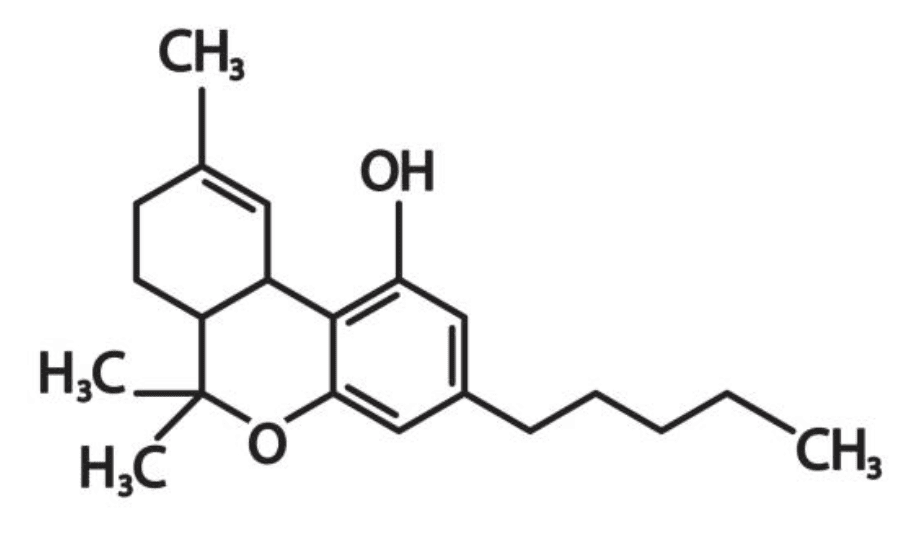
What is cannabinoid hyperemesis syndrome? Cannabinoid hyperemesis syndrome (CHS) is a condition in which patients who have been using cannabis or synthetic cannabinoids for a prolonged period of time develop a pattern of episodic, severe vomiting (usually accompanied by abdominal pain) interspersed with prolonged asymptomatic periods. When should you consider cannabinoid hyperemesis syndrome as a diagnosis? The diagnostic criteria for CHS require evidence of relief of symptoms with sustained cessation from cannabis, which makes them of limited utility in the Emergency Department (ED) [1]. However, a number of ED-based diagnostic criteria have been proposed with overlapping features [1,2]. There are [+]

ALiEM AIR Series | Vascular 2021 Module
Welcome to the AIR Vascular Module! After carefully reviewing all relevant posts from the top 50 sites of the Social Media Index, the ALiEM AIR Team is proud to present the highest quality online content related to vascular emergencies in the Emergency Department. 9 blog posts met our standard of online excellence and were curated and approved for residency training by the AIR Series Board. We identified 3 AIR and 6 Honorable Mentions. We recommend programs give 4.5 hours (about 30 minutes per article) of III credit for this module. AIR Stamp of Approval and Honorable Mentions In an effort to truly [+]
SmilER 102: Dental Trauma
This second module for the SmilER series covers the management of common dental trauma cases seen in the emergency department (ED). What should you do with the various types of dental fractures and avulsions, how do you manage them in the ED, and what sort of follow-up should the patient receive? Author: Richard Ngo, DMD Editors: Cameron Lee, DMD, MD; Andrew Eyre, MD, MS-HPEd Series Editor: Chris Nash, MD How well did you learn the material? Go to ALiEMU to take the multiple-choice quizzes to receive your badges and certificates. [+]
SAEM Clinical Image Series: Traumatic Swollen Eye
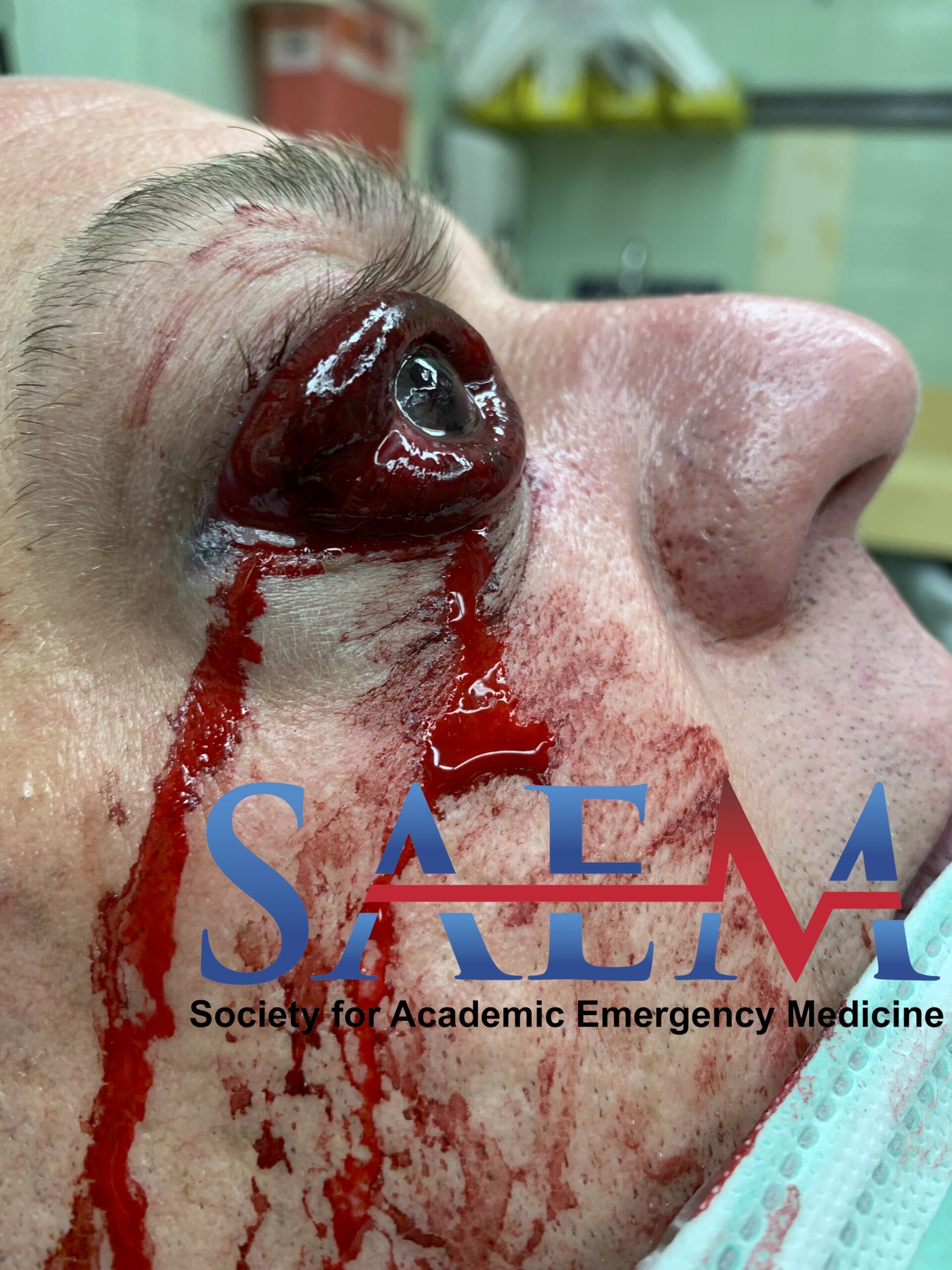
A 53-year-old caucasian male with a history of alcohol and amphetamine abuse presents to the Emergency Department via ambulance immediately after sustaining a fist-blow injury to the right eye. The patient denies loss of consciousness and complains of eye pain with the inability to see. Vitals: T 36.9°C; BP 181/119; HR 110 General: Alert and oriented; anxious; agitated Ophthalmic: OD: Visual acuity – no light perception Pupil 4mm, irregular shape, and fixed Extraocular movement – none Proptotic; Conjunctival prolapse; Subconjunctival hemorrhage Anterior chamber hyphema IOP 55 mmHg OS: Visual acuity – 20/20 Pupil 3mm [+]

Director of Growth, Strategic Alliance Initiative, Center for Innovation and Digital Health
Massachusetts General Hospital;
Chief Scientific Officer, Conductscience.com
Latest posts by Shuhan He, MD (see all)
- The Discharge Severity Index: Early Research on ED Readmission Risk Assessment - August 14, 2025
- Suboxone and the Emergency Physician: Get Waivered Training - August 12, 2022
- A Tale of Two Epidemics: COVID-19 and the Opioid Crisis - April 23, 2020