



PEM POCUS Series: Hip Effusion
Read this tutorial on the use of point of care ultrasonography (POCUS) for pediatric hip effusion. Then test your skills on the ALiEMU course page to receive your PEM POCUS badge worth 2 hours of ALiEMU course credit. Take the ALiEMU PEM POCUS: Hip Effusion Quiz - test your skills PATIENT CASE: Child with a Limp Sarah is a 4-year-old girl who comes into the emergency department complaining of a limp for the last day. She had an upper respiratory infection which started a week ago for which she had been taking acetaminophen and ibuprofen with her last dose of [+]

Caring for the Fasting Patient in the ED
Millions of Muslims around the world observe the holy month of Ramadan. Some may have mild or chronic medical conditions that can become exacerbated, requiring emergent medical attention. Emergency Physicians ought to have a working knowledge about the religious rules of Ramadan and their medical implications. In this article, we will provide an overview of the significance of Ramadan to Muslims, its practices, and discuss the important considerations for emergency physicians when providing care to Muslim patients in the Emergency Department (ED). Lastly, we will explore ways to mitigate the ethical dilemma when a fasting patient refuses a life-saving treatment [+]
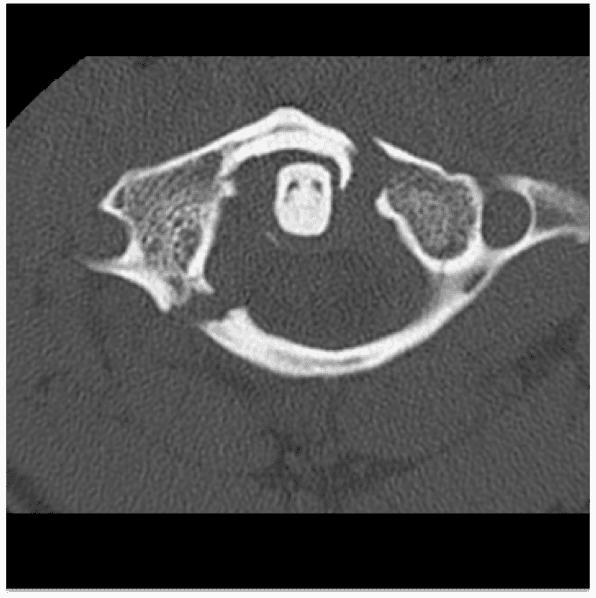
SplintER Series: Diver’s Nightmare
A 27-year-old male presents with neck pain after diving headfirst into the shallow water of his pool. He has midline cervical spine tenderness and a normal neurological exam. CT of the cervical spine is shown below (Figure 1). Figure 1. Case courtesy of Dr Andrew Dixon, Radiopaedia.org, rID: 9601 [+]

BuMin Kong, MD
Department [+]

PEM POCUS Series: Intussusception
Read this tutorial on the use of point of care ultrasonography (POCUS) for pediatric intussusception. Then test your skills on the ALiEMU course page to receive your PEM POCUS badge worth 2 hours of ALiEMU course credit. Take the ALiEMU PEM POCUS: Intussusception Quiz - test your skills PATIENT CASE Johnny is a 2-year-old boy who comes into the emergency department for abdominal pain for the last day. His parents are concerned that he has been having intermittent abdominal pain and has seemed very tired all day. Parents deny bloody stool. On arrival, his vital signs are: [+]

Bupropion Overdose: Factors Associated with Seizures
Background Bupropion ingestions are one of the scarier poisonings due to a relatively narrow therapeutic index and the numerous adverse effects that may occur. Medical toxicologist Dr. Dan Rusyniak details his hatred of this drug in overdose in a Tox & Hound blog post aptly-titled Illbutrin. When bupropion was first approved in the 1980s, the max dose was 600 mg/day [1]. However, reports of seizures, particularly in patients with bulimia, caused its temporary removal from the market [2]. It was reintroduced a few years later with a max dose of 450 mg/day [3]. Common signs and symptoms noted in overdose [+]

ALiEM AIR Series | HEENT 2021 Module
Welcome to the AIR HEENT Module! After carefully reviewing all relevant posts from the top 50 sites of the Social Media Index, the ALiEM AIR Team is proud to present the highest quality online content related to head, eyes, ears, nose, and throat emergencies in the Emergency Department. 6 blog posts within the past 12 months (as of March 2021) met our standard of online excellence and were curated and approved for residency training by the AIR Series Board. We identified 2 AIR and 4 Honorable Mentions. We recommend programs give 3 hours (about 30 minutes per article) of III [+]
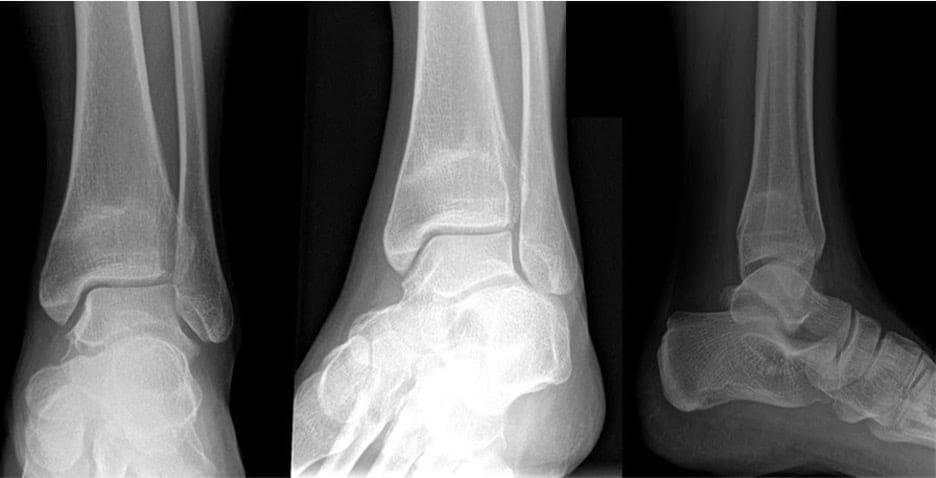
SplintER Series: What is Wrong With My Daughter?
A 16 year-old competitive gymnast presents to the emergency department with left ankle pain for several weeks and missed periods. The mother provides consent to treat the patient and informs you she is concerned that with the patient’s missed periods, she may be pregnant. You obtain x-rays of her ankle (Figure 1). Figure 1. Case courtesy of Dr Hani Makky ALSALAM, Radiopaedia.org, rID: 8720 Stress fracture at the distal tibial metaphysis - note the faint sclerotic line at the tibial metaphysis (Figure 2). Figure 2. Arrows identifying the stress fracture. Case courtesy of [+]

One-Time Vancomycin Doses in the Emergency Department
Background A previous ALiEM post from 2013 by an EM pharmacist colleague argued the case against one-time vancomycin doses in the ED prior to discharge. The take-home points from this post were: No evidence that a one-time vancomycin has any benefit This practice is not recommended by the Infectious Diseases Society of America (IDSA) May extend the patient’s ED stay by at least an hour for the IV infusion, depending on the dose Increases the cost of the ED visit (e.g., IV line, medication, RN time) Pharmacokinetically 1 dose of vancomycin doesn't make sense Vancomycin 1 gm IV x1 provides [+]
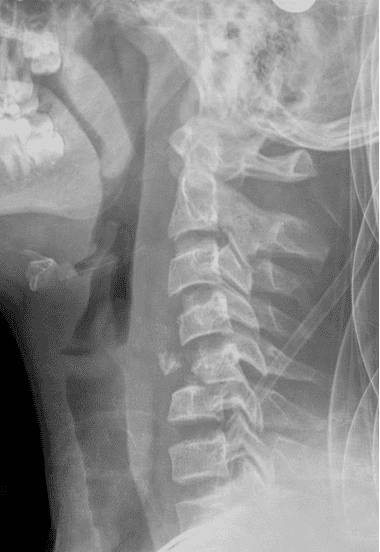
SplintER Series: Neck Pain Tears Me Up
A 40-year-old male presents with neck pain after a high-speed head-on motor vehicle collision. You obtain cervical spine x-rays (Figure 1). Figure 1. Case courtesy of Dr Muhammad Asadullah Munir, Radiopaedia.org. From the case rID: 78890 [+]

Mark Hopkins, MD

Reading from the Silver Linings Playbook: The ALiEM Connect Project
It feels like yesterday that we were sheltered-in-place, staring at our computers, wondering, “So now what?” As COVID-19 paused all in-person educational sessions, the early morning residency conference we used to begrudgingly join quickly became something that we profoundly missed. While we can now be “present” while wearing sweatpants and a button-down shirt, we miss the human connection. Many of us would gladly even suffer through traffic just to be a part of this morning conference tradition. As educators and innovators, we know what a disruptive force the COVID-19 pandemic has been to the medical community. It has strained our [+]

Director of Growth, Strategic Alliance Initiative, Center for Innovation and Digital Health
Massachusetts General Hospital;
Chief Scientific Officer, Conductscience.com
Latest posts by Shuhan He, MD (see all)
- The Discharge Severity Index: Early Research on ED Readmission Risk Assessment - August 14, 2025
- Suboxone and the Emergency Physician: Get Waivered Training - August 12, 2022
- A Tale of Two Epidemics: COVID-19 and the Opioid Crisis - April 23, 2020