


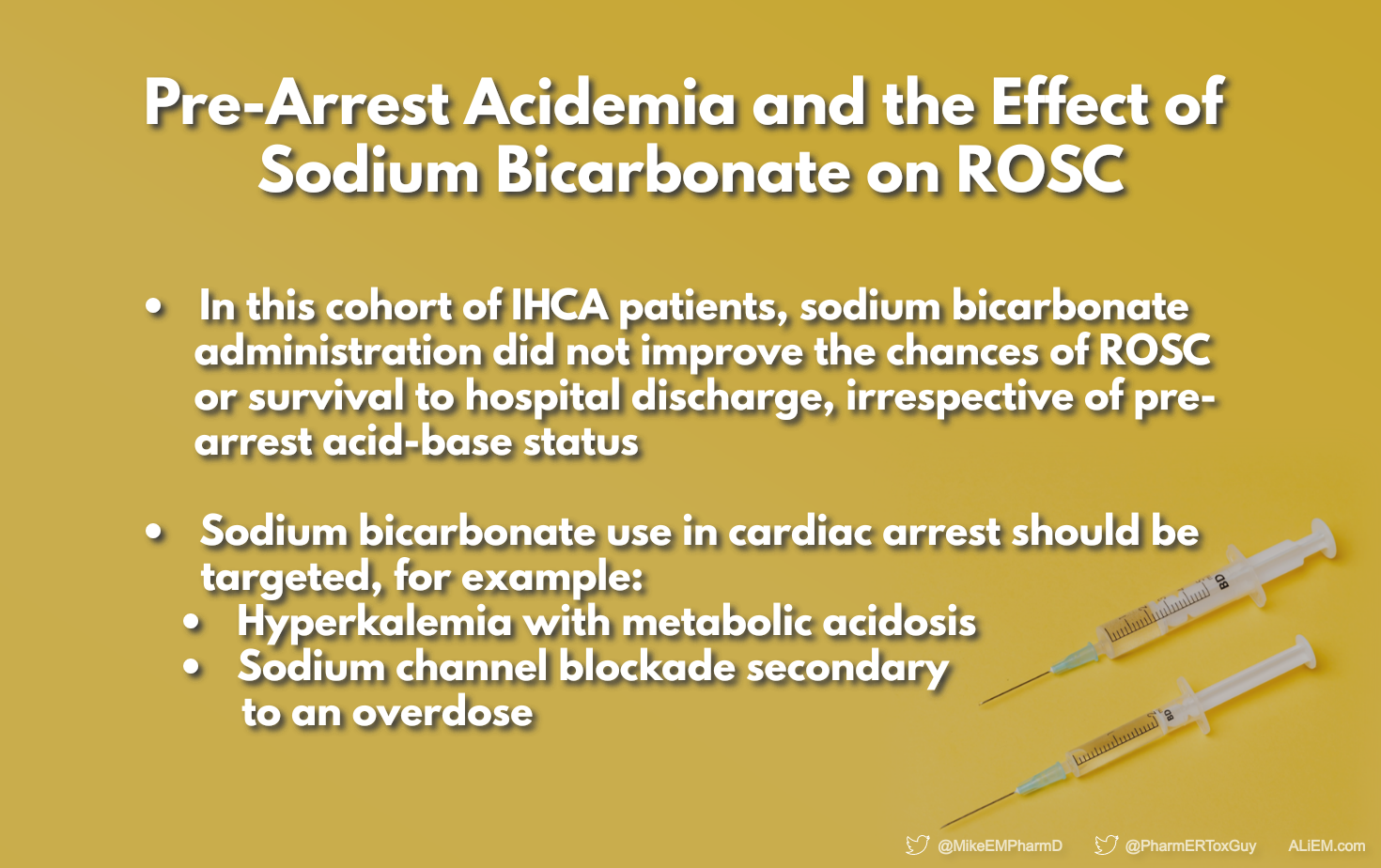
Pre-Arrest Acidemia and the Effect of Sodium Bicarbonate on ROSC
Background Sodium bicarbonate during a cardiac arrest is widely debated and used in many cases. In a 2018 PULMCrit post, Dr. Josh Farkas reviews much of the data and concludes that use of sodium bicarbonate is a “source of eternal disagreement.” A 2013 EMCrit article and podcast by Dr. Scott Weingart also details some of the controversy. The 2020 ACLS Guidelines state that routine use of sodium bicarbonate is not recommended in cardiac arrest [1]. Despite this recommendation, sodium bicarbonate is still often administered during resuscitations if a metabolic (or respiratory) acidosis is suspected or after a prolonged downtime. A [+]

SmilER 101: Oral Exam and Regional Anesthesia in Dental Care
The purpose of the SmilER series on dental trauma and infection management is to teach fundamental principles, pearls, and pitfalls in the care for dental patients in the emergency department. As many as 1.5% of ED visits are dental-related¹ and many emergency physicians have expressed the need for more comprehensive training in the oral cavity. This series was created as an introductory guide on the management of patients who report to the ED with dental-related conditions. The first module teaches the oral examination and demonstrates how to provide anesthesia in the oral cavity. Author: Richard Ngo, DMD [+]
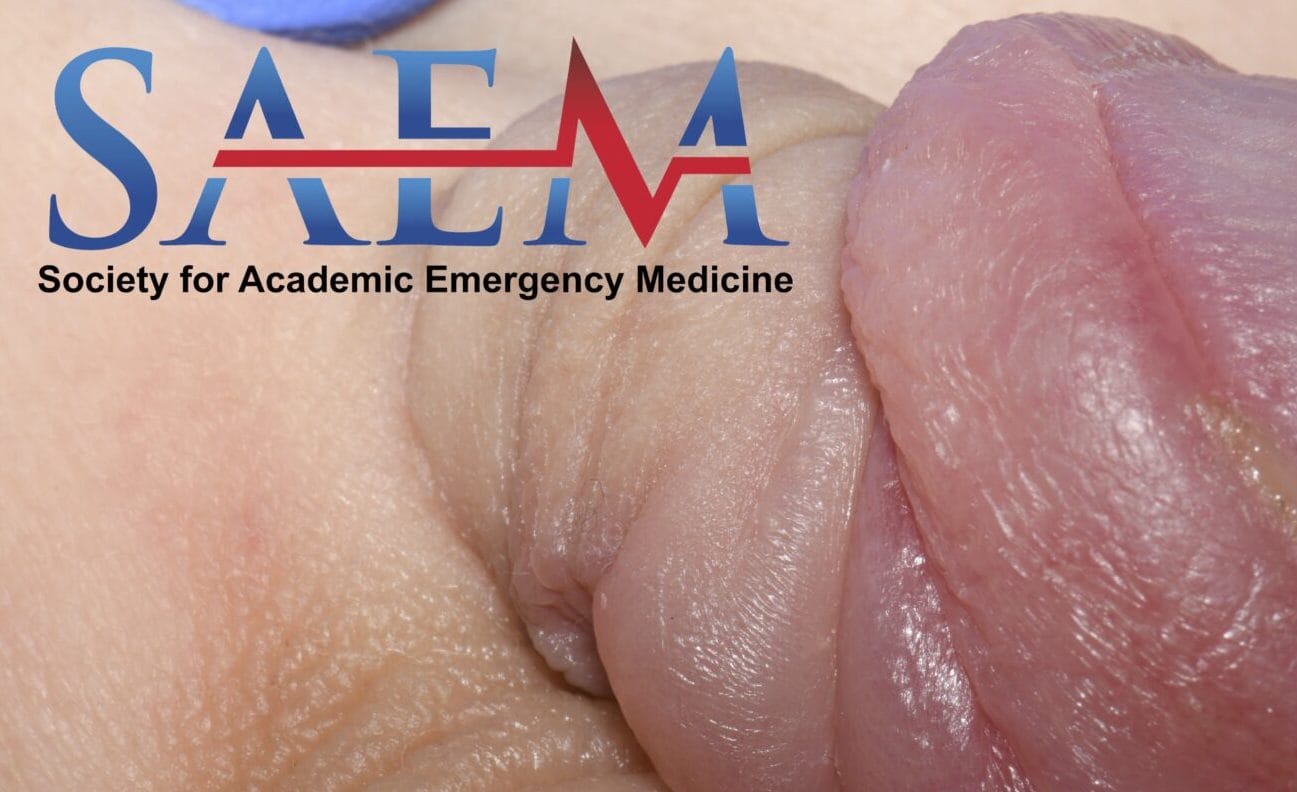
SAEM Clinical Image Series: Pediatric Penis Swelling
A 3-year-old healthy uncircumcised male presents to the Emergency Department with five days of penis swelling and pain. Five days prior, his father noted that the patient’s foreskin appeared stuck behind the head of the penis. The patient was seen at an urgent care facility four days prior and was given an antifungal cream for presumed balanitis, however, this did not resolve the patient’s symptoms. Since that time, the penis has been getting progressively more swollen and painful. The patient has not experienced the inability to urinate, decreased urine output, penile discharge, other penile lesions, fever, chills, [+]

EMRad: Can’t Miss Adult Traumatic Hip and Pelvis Injuries
Have you ever been working a shift at 3 AM and wondered, “Am I missing something? I’ll just splint and instruct the patient to follow up with their PCP in 1 week.” This is a reasonable approach, especially if you’re concerned there could be a fracture. But we can do better. Enter the “Can’t Miss” series: a series organized by body part that will help identify injuries that ideally should not be missed. This list is not meant to be a comprehensive review of each body part, but rather to highlight and improve your [+]

EMRad: Radiologic Approach to the Traumatic Hip/Pelvis
This is EMRad, a series aimed at providing “just in time” approaches to commonly ordered radiology studies in the emergency department [1]. When applicable, it will provide pertinent measurements specific to management, and offer a framework for when to get an additional view, if appropriate. Next up: the hip. [+]

David Haase, MD
Department of Emergency Medicine
University of California, Los Angeles
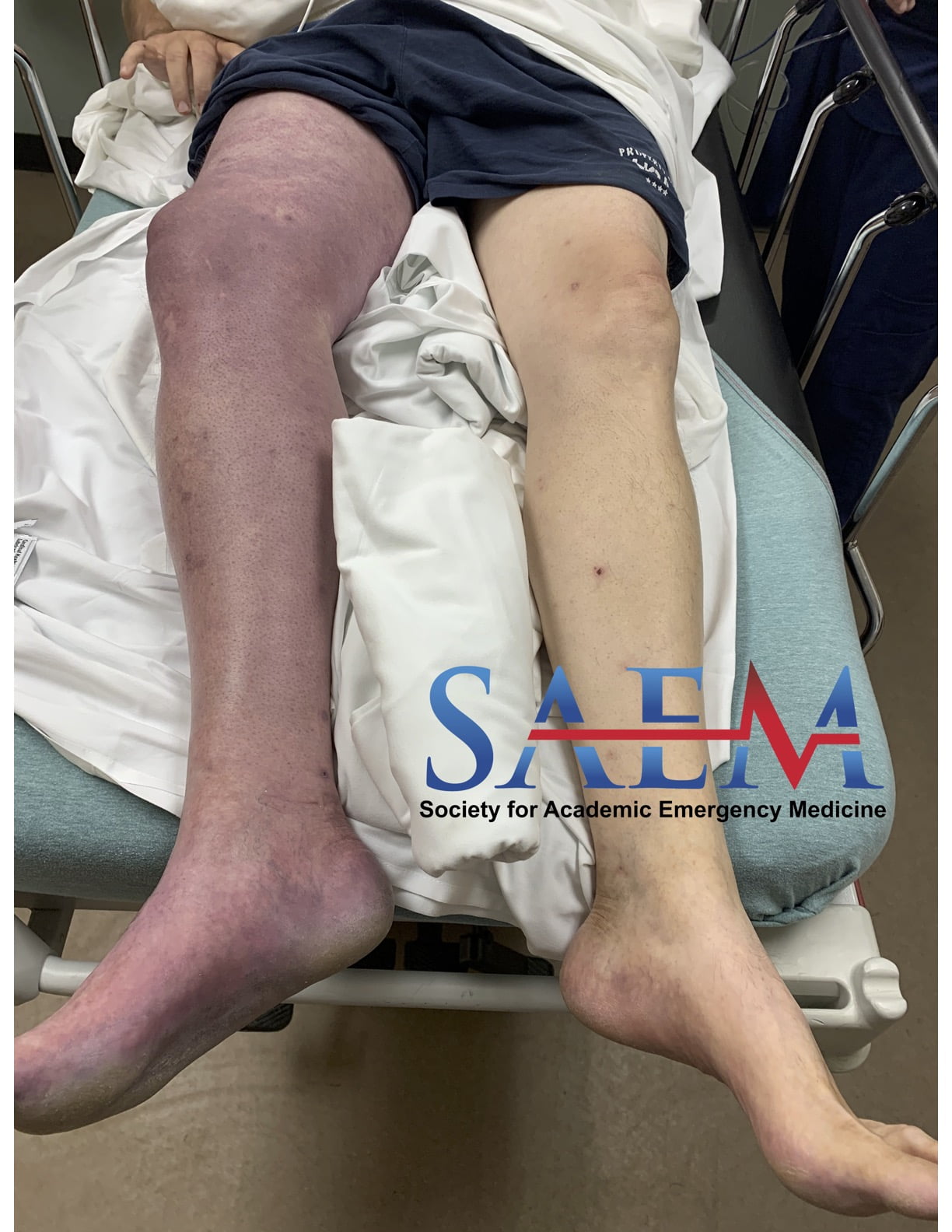
SAEM Clinical Image Series: Pulseless and Painful Blue Leg
A 57-year-old male who works as a truck driver with a history of hypertension, type 2 diabetes, and recent COVID-19 infection presents with right lower extremity pain for two hours. He reports experiencing one day of dull aching of the right leg, then being suddenly awakened with the abrupt onset of severe right leg pain and shortness of breath. He denies chest pain. EMS reports a pulseless and painful blue leg en route. The patient denies any history of trauma, irregular heartbeat, or anticoagulation. Vitals: T 97.5°F; BP 120/78; HR 102; RR 20; oxygen [+]

Diagnosis on Sight: “I have a rapid heart rate”
A 31-year-old male presented to the emergency department with palpitations. The patient stated that he thinks his symptoms began "last night" and felt like he had “a rapid heart rate.” He said that prior to last night he felt fine. He did admit to drinking alcohol with his friends 2 nights prior. The patient estimated that he "must have drunk about 30 beers." On review of systems, he reported feeling anxious. He denied illicit drug use, headache, chest pain, cough, shortness of breath, fevers, nausea, vomiting, abdominal pain, dysuria, or increased urinary frequency. He reported that he was unaware of [+]
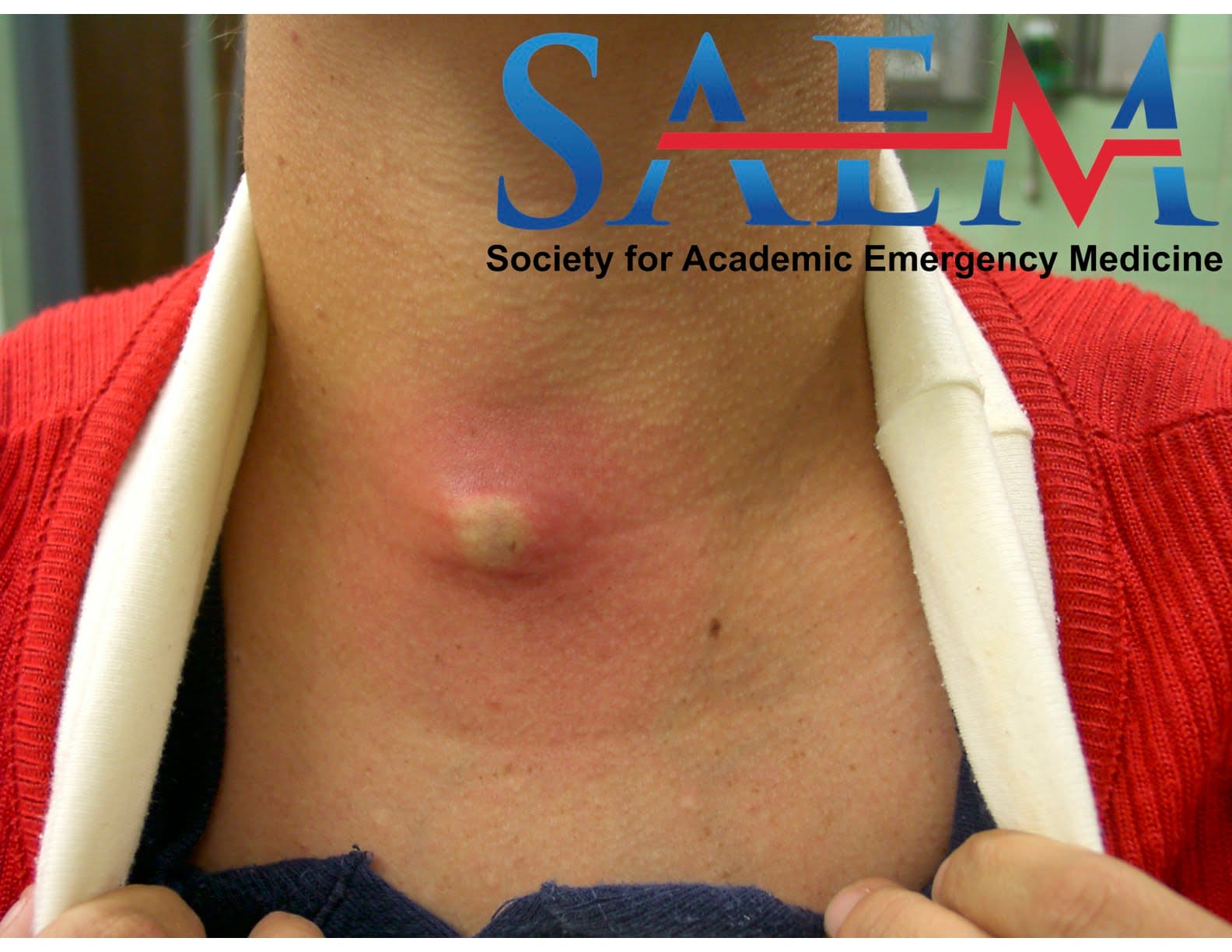
SAEM Clinical Image Series: A Recurring Neck Mass
A 30-year-old female with no significant past medical history presents to the Emergency Department with a six-day history of an enlarging, tender, red “bump” on her anterior neck. She reports similar swelling during bouts of pharyngitis. She also reports a recent upper respiratory infection one week ago that was marked by fever, cough, congestion, sore throat, and myalgia. She denies shortness of breath, neck trauma, travel, or animal exposures. Vitals: T 37°C; BP 122/78; HR 77; RR 17 General: Well-developed, well-nourished female in no acute distress HEENT: 2cm tender, fluctuant, mobile right anterior neck mass with surrounding [+]

INR reduction with FFP – How low can you go?
Background Bleeding patients or those undergoing procedures that are at high risk of bleeding may require correction of their INR. Multiple products can be used to achieve this, including fresh frozen plasma (FFP). FFP contains many substances, including clotting factors, fibrinogen, plasma proteins, electrolytes, and anticoagulant factors. It is sometimes said that the intrinsic INR of FFP is approximately 1.6-1.7 and that it’s not possible to achieve a lower INR. This pearl will further explore these concerns. Evidence What is the INR of FFP? The mean INR of FFP appears to be ~1.1 (0.9-1.3) [1,2]. Reports that the intrinsic INR [+]
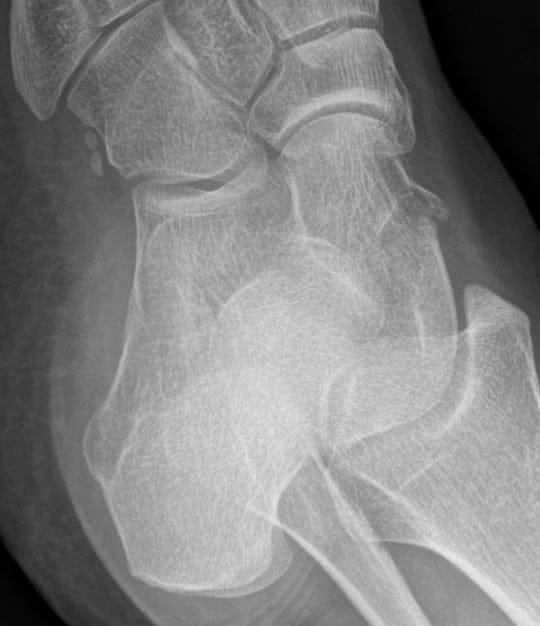
SplintER Series: Pedal to the Metal
A 32-year-old female presents to the emergency department with right ankle pain after a high-speed motor vehicle accident. On exam, she is noted to have ecchymosis and swelling over the distal foot, and pain with ankle dorsiflexion and plantarflexion. An x-ray is obtained as shown above (Image 1. Case courtesy of Dr. Charlie Chia-Tsong Hsu, Radiopaedia.org, rID: 18235). [+]


Director of Growth, Strategic Alliance Initiative, Center for Innovation and Digital Health
Massachusetts General Hospital;
Chief Scientific Officer, Conductscience.com
Latest posts by Shuhan He, MD (see all)
- The Discharge Severity Index: Early Research on ED Readmission Risk Assessment - August 14, 2025
- Suboxone and the Emergency Physician: Get Waivered Training - August 12, 2022
- A Tale of Two Epidemics: COVID-19 and the Opioid Crisis - April 23, 2020