



Diagnose on Sight: Lip Swelling
Case: A 24 year old male presents with right sided lip swelling that began several hours ago. This is the second time he has had this type of swelling. His mother has also had this before. He currently has no urticaria, dyspnea, wheezing, or stridor. What is the cause of this patient’s symptoms? [+]

A cost-effective, two-layer wound closure task trainer
Performing a two layer wound closure can be a challenging procedure in the Emergency Department for clinicians with limited wound care experience. Challenges include suture choice, suture placement, and the technique of burying the knot in the deep layer of the wound, and the availability of ready ‘volunteers’ with complex wounds willing to let novices practice on them. Commercially available suture models are expensive, and can be cumbersome to store, and difficult to obtain in a timely manner to provide the learner with opportunities to practice prior to wound repair on a patient in the department. [+]

4 Pitfalls of Bedside Ultrasonography During First Trimester Pregnancy
One of the more common indications for the use of bedside ultrasound (US) is to evaluate patients who present to the emergency department (ED) with pain or bleeding during the first trimester of pregnancy. When performing this study, providers should be aware of several potential pitfalls that pose significant risk to both the patient and the provider. [+]

Brian Bauerband, MD

Announcing the ALiEM-AgileMD Educational Design Fellowship
Based on the successes of our 2014-15 ALiEM-EMRA (for medical students), ALiEM-CORD (for residents), and ALiEM-AAEM Young Physicians fellowships, we are thrilled to be launching the 2015 ALiEM-AgileMD Educational Design Fellowship! The application process for this virtual fellowship is now open. [+]


PV Card: Acute Salicylate Toxicity
Patients with acute salicylate toxicity can rapidly decompensate and require clinicians to understand the pathophysiology of what is going on. First a respiratory alkalosis occurs with non-specific symptoms of vomiting and dizziness. Then an anion-gap metabolic acidosis also occurs with headache, tinnitus, and confusion. Below lists the core set of labs to obtain and treatment strategies by our stellar ALiEM-CORD Social Media and Digital Scholarship Fellow, Dr. Sam Shaikh. [+]

Ultrasound For The Win Case – 46F with Abdominal Pain #US4TW
Welcome to another ultrasound-based case, part of the “Ultrasound For The Win” (#US4TW) Case Series. In this peer-reviewed case series, we focus on real clinical cases where bedside ultrasound changed management or aided in diagnoses. In this case, a 46-year-old woman presents with history of right-sided abdominal pain and vomiting. [+]
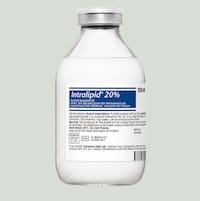
Lipid Rescue: Why Aren’t We Using It?
Though lipid rescue sounds like something from a junk food detox regimen, it’s one of the most exciting developments in emergency management of drug overdose in the last 20 years. Unlike charcoal which can lead to aspiration and has relatively little data showing improved outcomes, or dialysis which relies on convincing your nephrologist to come in at 3 am, lipid rescue is a readily available, cheap, safe therapeutic that we’ve been using in TPN for adults and children for decades. And it seems to work, but why aren’t we using it? [+]

Geriatric Emergency Medicine for Students, Residents, and Physicians
We all know the population of the United States is aging. We know emergency physicians need to be prepared and trained to care for older adults. But how can you dive into the world of geriatric EM to learn more, to research, to gain additional training? In this post, we have gathered the wisdom of leaders in geriatric EM across the country, to share their recommendations, inspiration, and motivation. [+]
Adenosine in reactive airway disease
A 44-year old woman presents via EMS with a chief complaint of a racing heartbeat. She is placed on a cardiac monitor, which displays a heart rate of 192, and a subsequent EKG reveals she is in SVT. She also complains of chest discomfort and shortness of breath. Her blood pressure is stable, and you decide to treat her with adenosine. As you take a more thorough past medical history, you learn your patient has a history of asthma. One of the EM residents mentions that he thought adenosine should not be given to patients with reactive airway disease. [+]

Diagnose on Sight: Swollen gums
Case: A 19 year old male with no past medical history presented with 4 days of painful oral lesions, swollen gums that bled easily, and fever. His temperature was 38.5C. Which of the following is true regarding this patient’s diagnosis? [+]
Director of Growth, Strategic Alliance Initiative, Center for Innovation and Digital Health
Massachusetts General Hospital;
Chief Scientific Officer, Conductscience.com
Latest posts by Shuhan He, MD (see all)
- The Discharge Severity Index: Early Research on ED Readmission Risk Assessment - August 14, 2025
- Suboxone and the Emergency Physician: Get Waivered Training - August 12, 2022
- A Tale of Two Epidemics: COVID-19 and the Opioid Crisis - April 23, 2020