


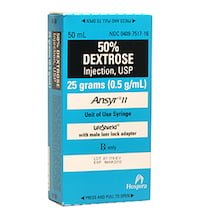
D50 vs D10 for Severe Hypoglycemia in the Emergency Department
Think back to your last severely hypoglycemic and lethargic patient presenting to the ED. What was the first treatment modality that came to mind? The initial knee-jerk reaction might be to reach for that big blue box of D50 if the patient has IV access. After all, top priority is to reverse hypoglycemia as fast as possible. But in the midst of stabilizing the patient, how often do we consider the potential aftermath of concentrated glucose? [+]

US4TW Case: 39F with Chest Pain
Welcome to another ultrasound-based case, part of the “Ultrasound For The Win!” (#US4TW) Case Series. In this peer-reviewed case series, we focus on a real clinical case where bedside ultrasound changed the management or aided in the diagnosis. In this case, a 39-year-old female with history of lupus presents with chest pain. [+]

Top 20 ALiEM Clinical Posts in 2014
Seasons greetings from the ALiEM. We have been expanding our range of posts in the hopes of sharing new lessons, exploring the concept of digital scholarship, and advancing life skills. Based on our recent survey, we understand that our loyal base of readers are those looking for clinical content. So here are our top 20 most popular ALiEM clinical posts in 2014. Did you read these? [+]
ALiEM Expert Peer Reviewed Posts in 2014
Last year, we launched a new initiative to bring on solicited Expert Peer Reviewers (EPR) for selected posts. These reviewers would need to have specific credentials, such as having previously published in a journal or textbook, presented the topic at a national conference, or have extra training in the area. In fact, we have added this as an required feature for all posts which have come through our New Submissions process. We wish to thank all our expert peer reviewers, who have kindly provided their open comments, which have significantly added to the educational value of the post. Below lists [+]

Diagnose on Sight: Painful Scrotal Swelling
Case: A 48 year old male with a history of alcoholism presents with one day of painful scrotal swelling. What is the most important next step in management? Please read below for uncensored image. [+]

Director of Growth, Strategic [+]

AIR Series: Psychiatry Module 2014
Welcome to the fifth ALiEM Approved Instructional Resources (AIR) Module! In an effort to reward our residents for the reading and learning they are already doing online we have created an Individual Interactive Instruction (III) opportunity utilizing FOAM resources for U.S. Emergency Medicine residents. For each module, the AIR board curates and scores a list of blogs and podcasts. A quiz is available to complete after each module to obtain residency conference credit. Once completed, your name and institution will be logged into our private database, which participating residency program directors can access to provide proof of completion. [+]
US4TW Case: 74F with Right Arm Tingling | Ultrasound for the Win series
Welcome to another ultrasound-based case, part of the “Ultrasound For The Win!” (#US4TW) Case Series. In this peer-reviewed case series, we focus on real clinical cases where bedside ultrasound changed management or aided in diagnoses. In today’s case, a 74-year-old woman presents to the Emergency Department with painful right arm paresthesias. [+]

Rob Bryant MD

Esmolol Use in Cardiac Arrest
There is an abundance of sympathetic stimulation in patients who present in ventricular fibrillation (VF) or pulseless ventricular tachycardia (VT) whether endogenously released as a stress response or exogenously administered in a resuscitation attempt.1 The hope is that sympathetic stimulation will increase the coronary and cerebral perfusion pressure of the patient and aid in resuscitation. However, there are numerous detrimental effects associated with epinephrine such as an increase in myocardial oxygen demand leading to increased ischemia.2 Contrary to traditional teaching, interesting evidence exists in both animal models as well as in limited reports in human subjects that show a potential [+]
The Training of an EM Pharmacist
At the 2014 American College of Emergency Physicians Scientific Assembly, ACEP passed Resolution 44, officially recognizing Emergency Medicine Pharmacists as valuable members of the EM team. Nadia Awad (@Nadia_EMPharmD) summarized the importance of the resolution’s passage on the EMPharmD blog. The role of an EM Pharmacist has been outlined by the American Society of Health-System Pharmacists (ASHP). In addition, Zlatan Coralic (@ZEDPharm), one of ALiEM’s regular contributors, framed the EM Pharmacist as the ‘ultimate consult service.’ The intent behind this post is not to discuss the role of the EM Pharmacist, but to highlight the rigorous training process through which most [+]
Palliative Care in the ED – The Time is Now
“Don’t delay engaging available palliative and hospice care services in the emergency department for patients likely to benefit.” This statement was one of ACEPs 2013 Choosing Wisely recommendations. How palliative care can be effectively and practically integrated into the ED, and which patients are likely to benefit from it is still being worked out at many institutions.1–4 However, it is clear that the time for palliative care in the ED has come. [+]
Director of Growth, Strategic Alliance Initiative, Center for Innovation and Digital Health
Massachusetts General Hospital;
Chief Scientific Officer, Conductscience.com
Latest posts by Shuhan He, MD (see all)
- The Discharge Severity Index: Early Research on ED Readmission Risk Assessment - August 14, 2025
- Suboxone and the Emergency Physician: Get Waivered Training - August 12, 2022
- A Tale of Two Epidemics: COVID-19 and the Opioid Crisis - April 23, 2020