



Sneak peek at ALiEMU: Free on-demand MOOC-like courses featuring the AIR Series
We are incredibly excited to announce the development of our newest project — ALiEMU. This top-secret project has been in the works for only 3 months, but has gained incredible momentum thanks to our all-star team, led by Dr. Chris Gaafary, who is our ALiEMU Chief of Design and Development… while he is not busy being an incoming EM chief resident at the University of Tennessee. What is ALiEMU? The one-liner is: A free educational website which hosts free, on-demand e-courses, featuring the AIR series as the inaugural course. [+]
Therapeutic Hypothermia After Pediatric Cardiac Arrest Out-of-Hospital (THAPCA-OH) Trial
Currently, guidelines recommend therapeutic hypothermia for comatose adults with out-of-hospital cardiac arrest (OHCA). A recent trial of adults with OHCA showed that therapeutic hypothermia with the use of a targeted temperature of 33°C vs maintained therapeutic normothermia of 36°C, did not improve outcomes. There is a paucity of randomized trials of therapeutic hypothermia in children with OHCA, but sometimes adult trials get extrapolated to pediatrics. There are differences between adult and pediatric populations with OHCA, which makes it difficult to extrapolate the results of the adult trials to a pediatric population. [+]

Ultrasound For The Win! Case – 101M with Altered Mental Status #US4TW
Welcome to another ultrasound-based case, part of the “Ultrasound For The Win” (#US4TW) Case Series. In this peer-reviewed case series, we focus on real clinical cases where bedside ultrasound changed management or aided in diagnoses. In this case, a 101-year-old man presents after being found down with altered mental status. [+]

Ketamine for Excited Delirium Syndrome
Excited delirium syndrome is defined as “a syndrome of uncertain etiology characterized by delirium, agitation, and hyperadrenergic autonomic dysfunction”.1 You may have encountered a patient like this in the ED or prehospital setting. Although the etiology is impossible to determine in many cases, stimulant abuse and other drugs are involved in a majority of cases. An 8% mortality has been ascribed to Excited Delirium Syndrome, resulting from hyperthermia, severe metabolic acidosis, and cardiovascular collapse. [+]

Trick of the Trade: IV-Push Antibiotics in the ED
Limited intravenous access is a common conundrum in the Emergency Department, with heavy implications for medication administration. Of particular concern, are the profoundly septic patients that necessitate multiple timely therapies, which require tying up a line – fluids, pressors, several antibiotics, etc. The shift away from less central line (i.e. triple lumen) placement for initial resuscitation, may serve to further exacerbate this issue. [+]
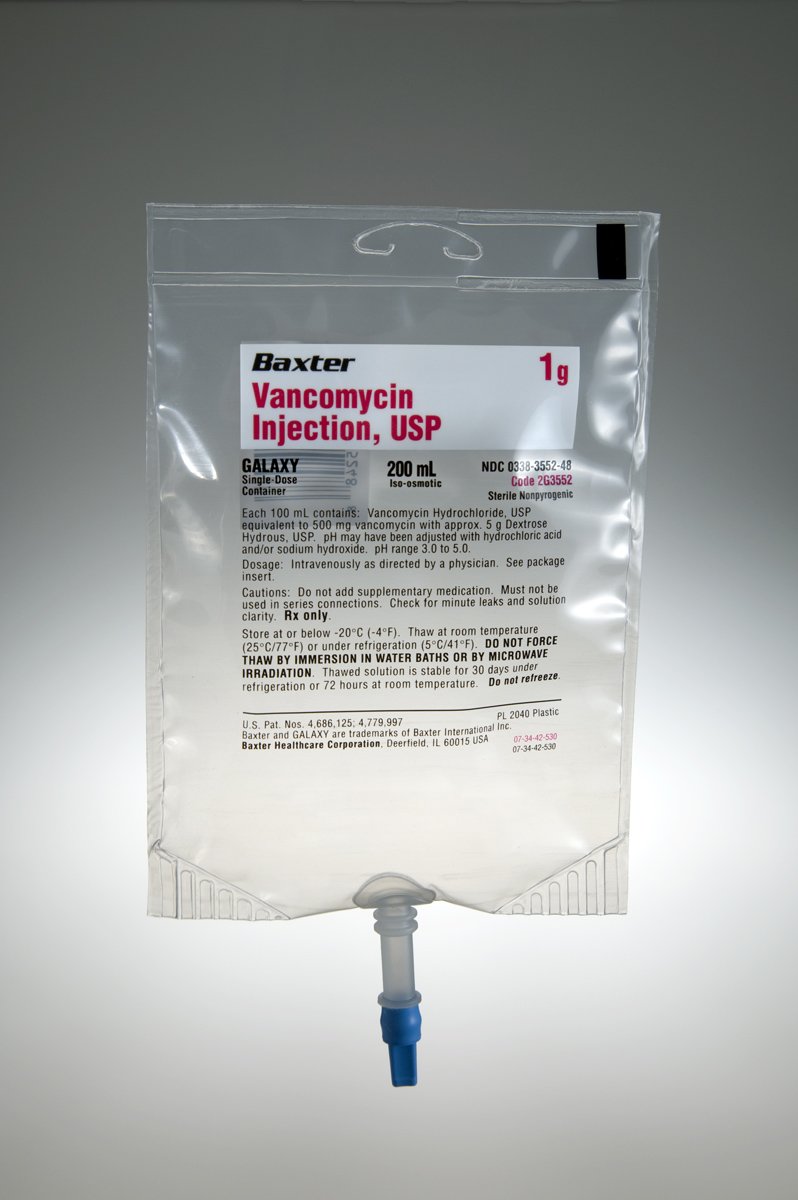
Vancomycin Loading Doses in Pediatric Patients: A Missed Opportunity?
In January 2014, ALiEM featured a must-read post by Bryan Hayes regarding proper dosing of vancomycin in the emergency department, including a special note related to the recommendations regarding consideration of loading doses of vancomycin ranging from 25 to 30 mg/kg in adult patients who are critically ill with a high suspicion for MRSA infection. [+]
AIR Series: GU/Renal Module 2015
Welcome to the eighth ALiEM Approved Instructional Resources (AIR) Module! In an effort to reward our residents for the reading and learning they are already doing online we have created an Individual Interactive Instruction (III) opportunity utilizing FOAM resources for U.S. Emergency Medicine residents. For each module, the AIR board curates and scores a list of blogs and podcasts. A quiz is available to complete after each module to obtain residency conference credit. Once completed, your name and institution will be logged into our private database, which participating residency program directors can access to provide proof of completion. [+]
Four reasons not to order a Rapid Flu test
Every year emergency departments are inundated with cases of influenza-like illness. Rapid flu testing (RFT) offers the promise of a quick and relatively noninvasive rapid diagnostic test. However, the use of this test has significant limitations that can lead to increased risk for both the patient and the provider. [+]

Hyperkalemia Management: Preventing Hypoglycemia From Insulin
Insulin remains one of the cornerstones of early severe hyperkalemia management. Insulin works via a complex process to temporarily shift potassium intracellularly. Though insulin certainly lowers plasma potassium concentrations, we often underestimate the hypoglycemic potential of a 10 unit IV insulin dose in this setting. The purpose of this post is to highlight the need for proper supplemental glucose and blood glucose monitoring when treating hyperkalemia with insulin. This is such an important medication safety issue, the Institute for Safe Medication Practices (ISMP) highlighted it in a February 2018 Safety Alert. [+]

Trick of the Trade: TRUST ultrasound confirmation of pediatric endotracheal tube placement
Following intubation the confirmation of endotracheal tube placement and depth is essential. While dynamic etCO2 monitoring has revolutionized the confirmation of endotracheal placement, there are still several circumstances in which this modality may be misleading (e.g. prolonged arrest, severe status asthmaticus/PE/pulmonary edema, etCO2 detector contamination with drugs/gastric contents). Additionally, EtCO2 detectors cannot confirm appropriate endotracheal tube depth, leading to delayed recognition of mainstem placement. [+]

Director of Growth, Strategic Alliance Initiative, Center for Innovation and Digital Health
Massachusetts General Hospital;
Chief Scientific Officer, Conductscience.com
Latest posts by Shuhan He, MD (see all)
- The Discharge Severity Index: Early Research on ED Readmission Risk Assessment - August 14, 2025
- Suboxone and the Emergency Physician: Get Waivered Training - August 12, 2022
- A Tale of Two Epidemics: COVID-19 and the Opioid Crisis - April 23, 2020