



5 Rules To Guide Your Approach to Learning in Social Media
Blogs, podcasts, and other social media platforms in medical education, known collectively as Free Open Access Meducation (FOAM), are becoming increasingly popular and integrated into daily learning habits. Through various push technologies, these resources come to you in the form of RSS feeds, podcast tools, and other apps. Do you have a mental checklist to help you determine whether the content is trustworthy and accurate? How do you process the information from FOAM sites? [+]

Is FOAM to blame when a medical error occurs?
What if a resident-physician attempted a technique she read on a blog or listened to on a podcast, but the procedure didn’t go as planned and the patient was harmed? Is Free Open Access Meducation (FOAM) to blame for medical errors? What about the blog site? If the site has a disclaimer (like most medical databases), is it enough to limit liability? These are challenging questions, but ones that deserve discussion, especially in light of the recent post on St. Emlyn’s blog about a theoretical scenario just like this. [+]
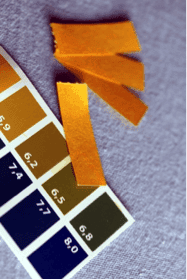
Deciphering Acid-Base Disorders
Derangements in acid-base status are commonly discovered on routine emergency department evaluation and often suggest the presence of severe underlying disease. Many acute conditions can disrupt homeostatic mechanisms used to buffer and excrete acid, and these changes may necessitate immediate intervention. When you discover a patient with an abnormal pH, what is your approach to the diagnosis? [+]
ALiEM Bookclub: The House of God
Written as satire when published first, The House of God polarized the medical community. Doctors in training cheered the book as a voice for their generation to describe the grueling nature of medical training. Others were appalled by the crass language and apparent lack of humanity when describing patient care. Reading the book became a rite of passage for young trainees. [+]

Door to Balloon Time: Are We Measuring the Right Thing?
Door-to Balloon (D2B) time is a time measurement that starts with patient arrival to the emergency department (door) and ends when a catheter crosses a culprit lesion in the cardiac cath lab (balloon). The benefit of prompt primary percutaneous coronary intervention over thrombolytic therapy for acute ST elevation myocardial infarction is very well established. Because of this “time is muscle” strategy, the American College of Cardiology (ACC) launched a national Door to Balloon (D2B) initiative in November 2006. The purpose of this was to recommend a D2B time of no more than 90 minutes. Currently, there is quite a bit [+]

PV Card: Emergency Drug Cards for Adults and Children
Rob Bryant, MD (@RobJBryant13), Amie Hatch, PharmD, BCPS (@Amie_EMPharmD), and Jeremy Bair, PharmD (@bairpharm) from Intermountain Healthcare in Utah have created and adopted a fantastic medication reference card which is used by physicians and nurses in the Emergency Department. The medications were chosen because they are often prone to dosing errors and require time-sensitive ordering. They generously offered to share this incredibly compact resource for free to the Emergency Medicine community as a PV card. If you see them, give them a high-five. [+]

Residencies Embrace Twitter: An Educational Movement
The movement of FOAM and #FOAMed may have started in a pub in Dublin in 2012, but it has become legitimized through widespread acceptance. Residencies are also catching onto the idea and eager to collaborate through social media, in particular Twitter. This is evidenced by the use of Twitter accounts on #EMConf as a way to collect educational learning pearls garnered weekly at resident conferences. “The mind is not a vessel to be filled, but a fire to be kindled.” – Plutarch [+]

The Public Health Model: A Primer for Emergency Care Providers
What is “Public Health”? According to the World Health Organization, ”Public health refers to all organized measures (whether public or private) to prevent disease, promote health, and prolong life among the population as a whole. Its activities aim to provide conditions in which people can be healthy and focus on entire populations, not on individual patients or diseases.” [+]

Patwari Academy videos: PALS
Pediatric Advanced Life Support (PALS) guidelines were most recently reviewed in Circulation 2010 1 based on the International Consensus on Cardiopulmonary Resuscitation and Emergency Cardiovascular Care Science which includes treatment recommendations. Dr. Rahul Patwari nicely summarizes these findings in this series of 8 videos [+]

MEdIC: The Case of the Difficult Consult – Expert and Community Response
On August 30th I posted the first case of the MEdIC (Medical Education In Cases) series that will be facilitated by Dr. Teresa Chan (@TChanMD) and I (@BoringEM). The Case of the Difficult Consult involved a junior resident in the emergency department who had a consult go bad. Our readers were thrust into the role of an attending physician wanting to help. [+]