


Emergency Neurological Life Support (ENLS) course
Emergency Neurological Life Support (ENLS) is a new online course that I am taking. It is sponsored by the NeuroCritical Care Society, which focuses on the first few hours of care to neurological emergencies. It is a collaborative effort between emergency physicians and neurointensivists, both of which author each individual module. The course is co-chaired by Scott Weingart, MD of EMCrit fame and is geared towards anyone who treats neurological emergencies (physicians, nurses, PA/NP, EMS personnel). The course utilizes technology to deliver its content by podcast, video presentation of ENLS guidelines, online reading of published guidelines and an online quiz. Completion of [+]

Patwari Academy videos: Neonatal Resuscitation
What is your approach to neonatal resuscitation… that is, after you pause a millisecond to first take a deep breath. Stay calm in this always stressful scenario. Dr. Rahul Patwari goes over the basics from the 2010 Circulation publication on Neonatal Resuscitation (free PDF). What should you be thinking of and doing in the first “golden minute”? [+]

Mass Casualty Anticipation – An essential, instinctual skill of EM physicians
Emergency medicine is full of surprises, twists, and turns. We don’t know what type of patient we will encounter prior to a shift, but we are ready for any and all. That being said, preparation is essential prior to the arrival of critical patients. This is why the airway cart is checked before starting a shift or the position of the bedside ultrasound machine is always mentally tracked in order to quickly grab if needed. Unfortunately, individual preparation is not sufficient for large scale disasters. This level of preparation must happen on a hospital and interdepartmental level such as coordination between trauma [+]
Takotsubo Cardiomyopathy: The Octopus Trap
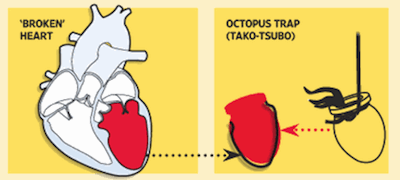
Takotsubo Cardiomyopathy was first described in Japan in 1990 and in the United States in 1998. It was named after an octopus trap (“tako-tsubo”) due to the shape of the trap being similar to the appearance of the left ventricular (LV) apical ballooning that occurs in this condition. Why is this condition so important to know? It can mimic acute coronary syndrome and most patients go to the emergency department because they are worried they are having an acute myocardial infarction. [+]
Trick of the Trade: Stimson technique using wrist restraints
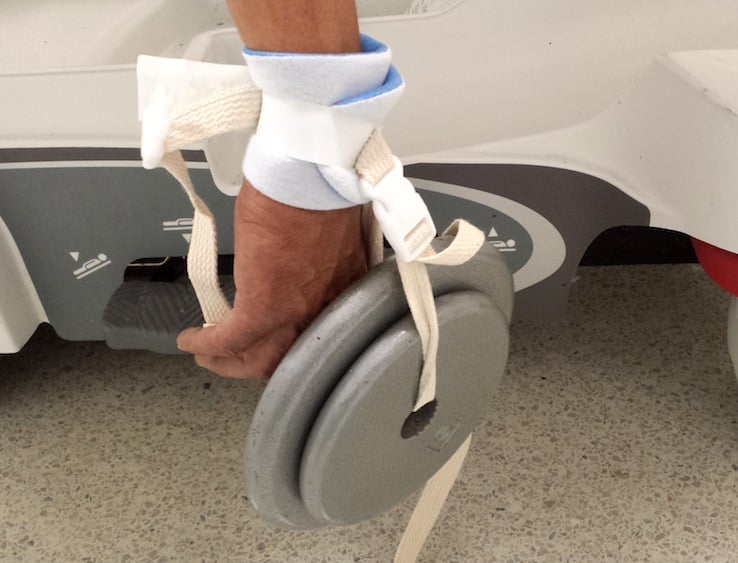
A patient presents with an anterior shoulder dislocation on x-ray. Your ED just received 5 new patients via ambulance and you are trying to prioritize your patients as they come in the door. What can you do for your patient with the shoulder dislocation in the meantime? [+]

Prehospital ECG and STEMI Activation: A Good Idea?
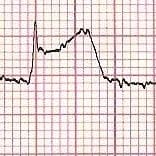
It is well known that primary percutaneous coronary intervention (PPCI) is the gold standard in STEMI treatment and that decreased door-to-balloon time has better patient outcomes. Guidelines recommend that the interval between arrival at the hospital and intracoronary balloon inflation (door-to-balloon time) should be 90 minutes or less. [+]

Sign a petition: A public IN CASE OF EMERGENCY iPhone option
Hi, we’re Ben Friedman and Sara LaHue! We are third-year UCSF medical students who are passionate about using technology to improve access to medical care. We have both witnessed the difficulties of treating someone who presented to the Emergency Department whose identity or emergency contact was unknown. Think of these sample scenarios: A commercial plane crashes and injured, non-English speaking children are separated from their parents. A bicyclist is critically injured after being hit by a bus but comes with no identification information. A teenager requires intubation for status asthmaticus before we could obtain her emergency contact information. An elderly patient with dementia is [+]
Patwari Academy videos: The Crashing Neonate
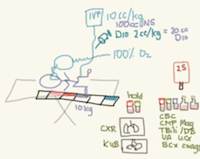
In this series of videos, Dr. Rahul Patwari reviews the approach to the crashing neonate. Because these cases are often stressful, it is paramount to keep in mind a broad list of potential causes, such as “THE MISFITS” mnemonic: T rauma/abuse H eart disease E ndocrine (CAH, hyperthyroid) M etabolic (hypoglycemia, hyponatremia) I nborn errors S epsis F ormula mishaps I ntestinal catastrophes T oxins (home remedies) S eizures [+]
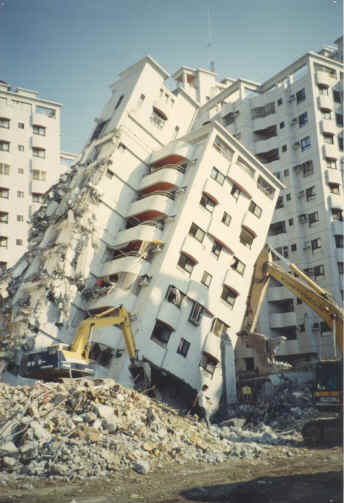
ALiEM Sim Case Series: Mass Casualty Building Bombing
Case Writer: Nikita Joshi, MD Keywords: Mass casualty incident, building bombing, disaster, triage, ethics Educational Objectives Medical Develop system of triage to optimize patient outcomes in prehospital disaster setting Effectively utilize color coded tagging method to assist in categorizing patients Develop treatment plans to address immediate emergency conditions per ATLS protocols Communication Maintain team and personnel safety precautions Regularly provide updates to incident command center [+]
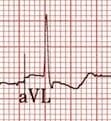
The Importance of Reciprocal Changes in Lead aVL
ECG interpretation is one of the most important skills to master as an emergency physician, and its interpretation can be very complex and frustrating. ECG manifestations can be very subtle, and sometimes the earliest and only ECG change seen will be reciprocal changes alone. To further complicate this, many patients have the atypical symptoms of nausea/vomiting, weakness, or shortness of breath and not chest pain. [+]