


Diagnostic tests: Asking the right questions
You have picked up the next chart and have drawn your differential diagnosis based on the patient’s demographic, chief complaint, and vital signs. [+]

Director of Growth, Strategic Alliance Initiative, Center for Innovation and Digital [+]
Do you know your resuscitation room?
When I was in medical school doing my critical care elective in EM, I remember seeing the interns preparing tubes and IVs before their shifts started. Since then it was instilled in me that coming early to the shift was essential to make sure that at least your resuscitation room was adequately set up for any major emergency coming through. With the help of a few friends, I made up a list of the equipment that should be present and working appropriately in your resuscitation room. [+]
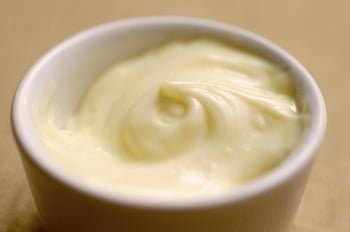
Trick of the Trade: Pass the mayo – getting off black tar
Industrial accidents sometimes involve hot coal tar stuck to a patient’s skin. Coal tar is notoriously challenging to remove once it has cooled and adhered to the skin. The tradition teaching is to apply large quantities of petroleum jelly to the black tar, let it sit for at least 60 minutes, and then diligently try to rub away the tar. Repeat as needed. What if you don’t have any petroleum jelly or petroleum-based products? [+]

Paucis Verbis: Delayed sequence intubation
A 40-year-old man presents with significant agitation and severe respiratory distress from a COPD exacerbation. His oxygen saturation is 75% on room air, and he has diffuse, tight wheezes on exam. You prepare to intubate the patient using a rapid sequence induction protocol: etomidate, succinylcholine, 8-0 endotracheal tube. Or do you? This pocket card discusses the delayed sequence intubation (DSI) protocol made famous by Dr. Scott Weingart and Dr. Rich Levitan.1 Thanks to Dr. Michelle Reina (EM resident at Univ of Utah) and Dr. Rob (Intermountain Medical Center in Utah) for designing this helpful card. Rob has even implemented a DSI protocol in [+]

The 3-minute EM student presentation
One of the most helpful articles I’ve encountered on teaching oral clinical presentations in the ED is a paper from Academic EM in 2008. It summarizes how to teach the “3-minute EM student presentation.” [+]
Director [+]
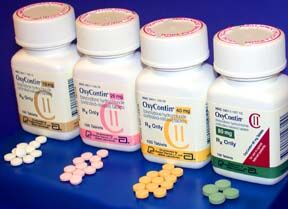
Trick of the Trade: Oral naloxone for opioid-induced constipation
Opioids are amazingly effective for pain control. Patients on chronic opioids, however, often struggle with constipation. These patients may fail supportive treatment with enemas and laxatives. [+]
Director of Growth, Strategic Alliance Initiative, Center for Innovation and [+]
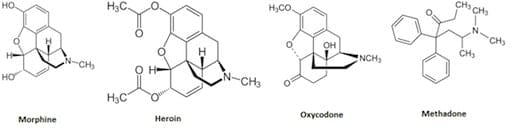
Peeing into the wind? Urine drug screens, part 2 (opiates)
Apart from benzodiazepines, the opiate urine drug screens (UDS) are probably the most frequently utilized and misunderstood. [+]
Director of Growth, Strategic Alliance Initiative, Center for Innovation and Digital Health
Massachusetts General Hospital;
Chief Scientific Officer, Conductscience.com
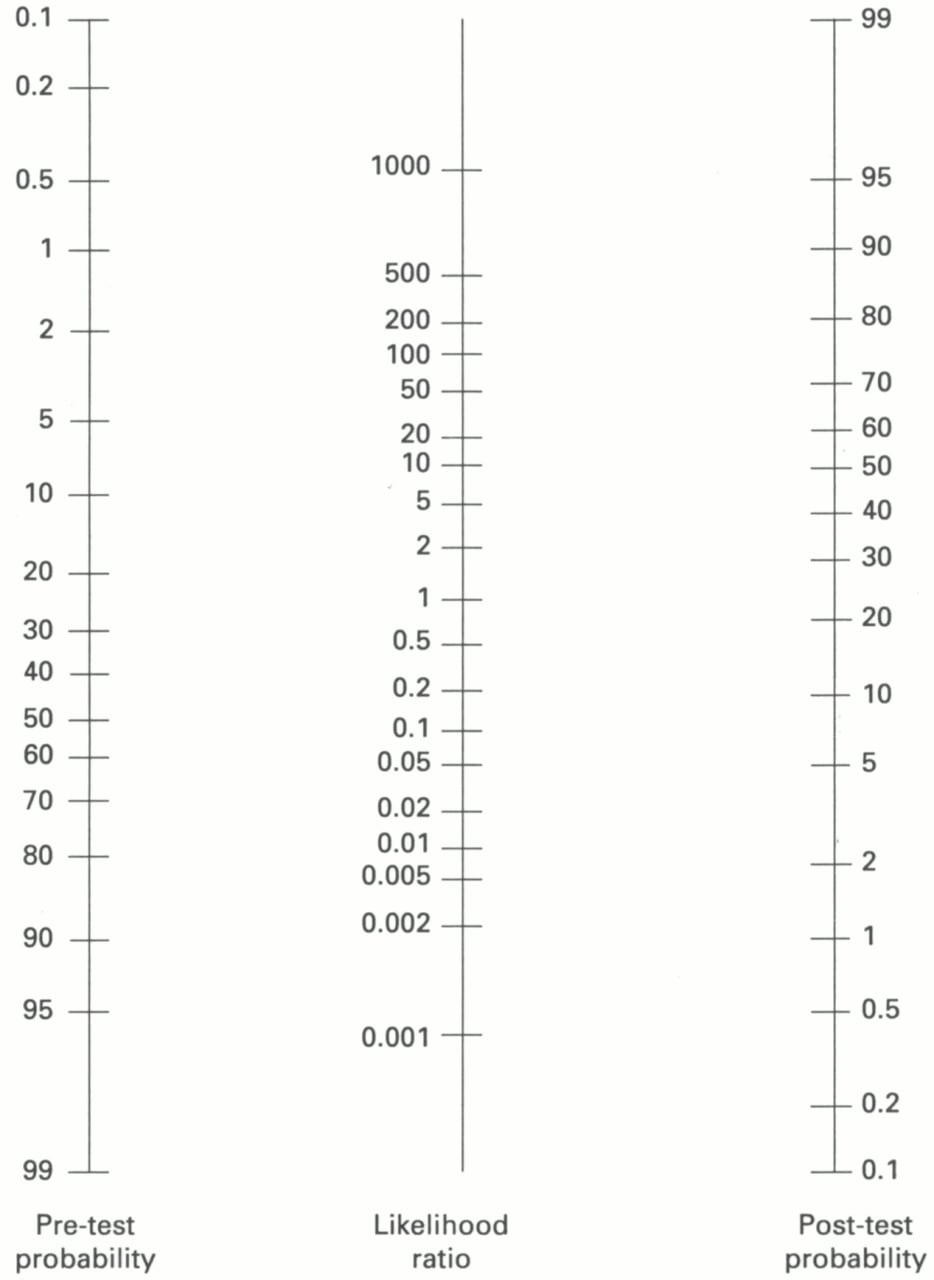
Paucis Verbis: CHF likelihood ratios
A 50 y/o man with a history of CHF and COPD is brought in by ambulance in severe respiratory distress. He is sitting upright with a RR 30 and O2 saturation of 79% on room air. Is this a CHF or COPD exacerbation? This is a common dilemma faced in the ED. Fortunately there are likelihood ratios to help you risk stratify using a Fagan nomogram. Note that there are 3 tables: All-comer Emergency Department (ED) patients1 ED patients WITH a known history of asthma or COPD2 Summative LRs for BNP are provided in ED patients with or without a history of asthma/COPD1 [+]
Filter it: Keeping up with digital information overload
I haven’t found a way of keeping up with all the information out there, even with textbook reading. I don’t know if there is way. Here are my thoughts. [+]
Director of Growth, Strategic Alliance Initiative, Center [+]

Trick of the Trade: Alternative to Word catheter for Bartholin abscess
Bartholin abscesses are challenging to manage, partly because of Word catheter insertion. Sometimes, the space is not large enough (unable to fit the catheter) or too large (catheter falls out). How else can you “pack” the abscess space? [+]