


MIA 2012: Samuels-Kalow ME et al. Effective discharge communication in the emergency department. Ann Emerg Med. 2012 Aug;60(2):152-9
Bottom Line 1 This study tells us what we might already suspect: in the busy, hectic and loud Emergency Department, patients we discharge often lack comprehension of their hospital course. Additionally, they are frequently unable to report their diagnosis, a discharge plan or reasons they should return to the ED. [+]
MIA 2012: Pearce MS et al. Radiation exposure from CT scans in childhood and subsequent risk of leukaemia and brain tumours: a retrospective cohort study. Lancet. 2012 Aug 4;380(9840):499-505.
Bottom Line 1 Interpret this data how you will: Exposure to 2-3 CT scans of the head will triple the risk of brain tumors; 5-10 head CT scans will triple the risk of leukemia. In absolute terms, this translates into approximately 1 excess case of leukemia and 1 excess brain tumor per 10,000 patients. [+]
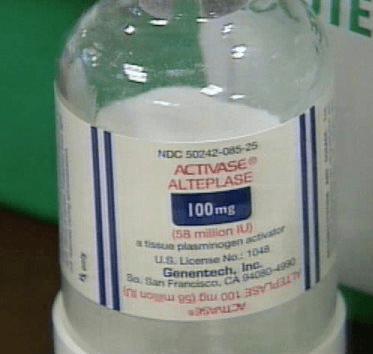
MIA 2012: IST-3 collaborative group et al. The benefits and harms of intravenous thrombolysis with recombinant tissue plasminogen activator within 6 h of acute ischaemic stroke (the third international stroke trial [IST-3]): a randomised controlled trial. Lancet. 2012 Jun 23;379(9834):2352-63.
Bottom Line 1 Giving tPA to stroke patients within 6 hrs of symptom onset does not improve mortality or independence at 6 months. However, patients might be a little “less disabled” while they are alive. Maybe. [+]

Director of [+]
MIA 2012: Weingart SD, Levitan RM. Preoxygenation and prevention of desaturation during emergency airway management. Ann Emerg Med. 2012 Mar;59(3):165-75.e1.
Bottom Line 1 [+]
Director of Growth, Strategic Alliance Initiative, Center for Innovation and Digital Health
Massachusetts General Hospital;
Chief Scientific Officer, Conductscience.com

MIA 2012: Than M et al. 2-Hour accelerated diagnostic protocol to assess patients with chest pain symptoms using contemporary troponins as the only biomarker: the ADAPT trial. J Am Coll Cardiol. 2012 Jun 5;59(23):2091-8.
Bottom Line 1 For ED patients presenting with undifferentiated chest pain, a TIMI score of 0, together with a non-ischemic EKG, and a negative cTnI at 0 hours and 2 hours, can identify patients at very low-risk for having a major adverse cardiac event (MACE) in 30 days. [+]
Trick of the Trade: Ossification centers of the elbow
Fracture or a normal ossification center? This is a common question heard when viewing an xray of a pediatric elbow. How do you remember the timing of normal ossification centers? FYI, the xray images above are normal and have no fractures. [+]
Most Interesting Articles of 2012
The following compilation of the Most Interesting Articles in 2012 is the work of the EM residents at the Jacobi/Montefiore Emergency Medicine Residency Program. INTRODUCTION Standing at the intersection of patient care and academics, we Emergency Medicine residents have overwhelming expectations. We’re the ones dropping NG tubes, popping abscesses, and pushing stretchers, while also expected to remain up to date with current research and trends in our field. With all these lofty expectations, not to mention the ever-present requirement of sleep and caloric intake, how does a resident pick which papers to read in this sea of literature? [+]
Physical exams: A relic of the past?
Why do most of us dread patients who complain of dizziness in the ED? Because it is so vague, and the differential is so broad from elusive posterior cerebellar strokes to ear wax clogging up our ear canals. And this is one of those diagnoses where the differential really depends upon performing a thorough physical examination. Think really hard, when is the last time you focused upon getting a complete and accurate physical examination? In medical school, there are courses dedicated to the art. I always laugh when I think of my neurology attending who just loved to bang on [+]
Twitter is the digital watercooler in Medicine
I just don’t have time to join Twitter. Are you serious, Twitter? Being in the minority of medical providers who use Twitter for work, these are common responses I hear. I would make the counter argument that it has given me opportunities to learn, collaborate, and share on a much more efficient level. [+]
Patwari Academy videos: ACLS and post-resuscitation care
This is the last installment of Dr. Rahul Patwari’s digital whiteboard video talks on ACLS, specifically focusing on post-resuscitation care and therapeutic hypothermia. Parts 1-3 (ACLS and airway) Parts 4-6 (ACLS: cardiac arrest) Parts 7-10 (ACLS: bradycardias and tachycardias) [+]