Diagnose on Sight: 6 year old with elbow pain
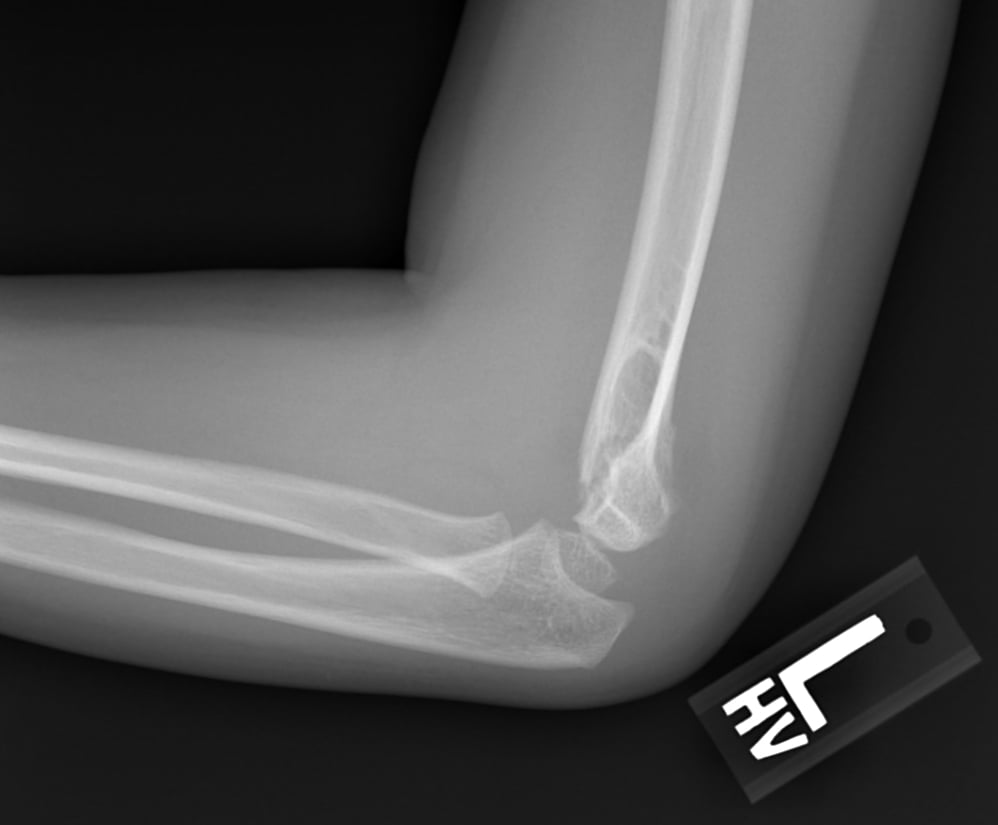 Case: A previously healthy 6 year old male presents with left elbow pain after wrestling with a friend. What is the diagnosis? Click on image for a larger view.



Case: A previously healthy 6 year old male presents with left elbow pain after wrestling with a friend. What is the diagnosis? Click on image for a larger view.
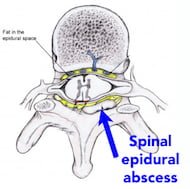 Spinal epidural abscess (SEA) is a rare but potentially catastrophic cause of back pain. Classically these patients are described as having back pain, fever, and clear neurologic deficits. In reality, patients often present with less obvious symptoms which often leads to a delay in diagnosis. Missed cases of SEA are a source of significant risk to both the patient and the provider. To improve outcomes and minimize risk, providers must identify and promptly evaluate patients who are at increased risk of developing a SEA.

A 16-year-old football player presents to the emergency department directly from a game. He was tackled, falling onto his right shoulder. The patient is complaining of right-sided chest pain. On exam, there is tenderness over the right sternoclavicular joint (SCJ) with a prominent medial clavicle. Range of motion is limited in the right arm. What diagnostic studies need to be performed? What treatment is warranted in the emergency department?
(more…)Separation of the acromioclavicular (AC) joint is a common injury encountered in the emergency department. Keys to optimal outcome and return of function in these patients include knowledge of injury mechanism, diagnosis and classification, and initial treatment.
 Cauda equina syndrome (CES), which occurs due to compression of the distal lumbar and sacral nerve roots, is a potentially devastating cause of back pain. CES is often missed on the patient’s initial visit which can lead to significant neurologic compromise in a matter of hours [1]. To improve patient outcomes and minimize medicolegal risk, providers need to understand the limitations of the history and physical and carefully consider the diagnosis of CES in any patient with back pain.
 To provide a resource for evidence-based Emergency Medical education, this list of must-read landmark articles was created to supplement the Emergency Medicine (EM) internship year of training. There are 52 articles so that one article can be read at leisure each week of the year. I searched national databases and polled faculty at the University of Washington to identify articles that faculty would expect any EM resident to be familiar with or that they felt were practice-changing in EM. Articles were selected for the final list based on the quality of study design, sample size, and relevance for EM residents.
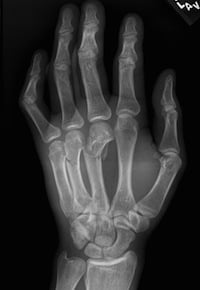
Metacarpal fractures are commonly present to the Emergency Department for care. The plain film shown here shows metacarpal neck fractures of the middle and ring finger shown. There are specific criteria requiring closed reduction in the ED (PV Card). Generally ANY rotational angulation requires reduction. Detection of such angulation depends on the clinical exam rather than the plain film. How does one diagnose it?