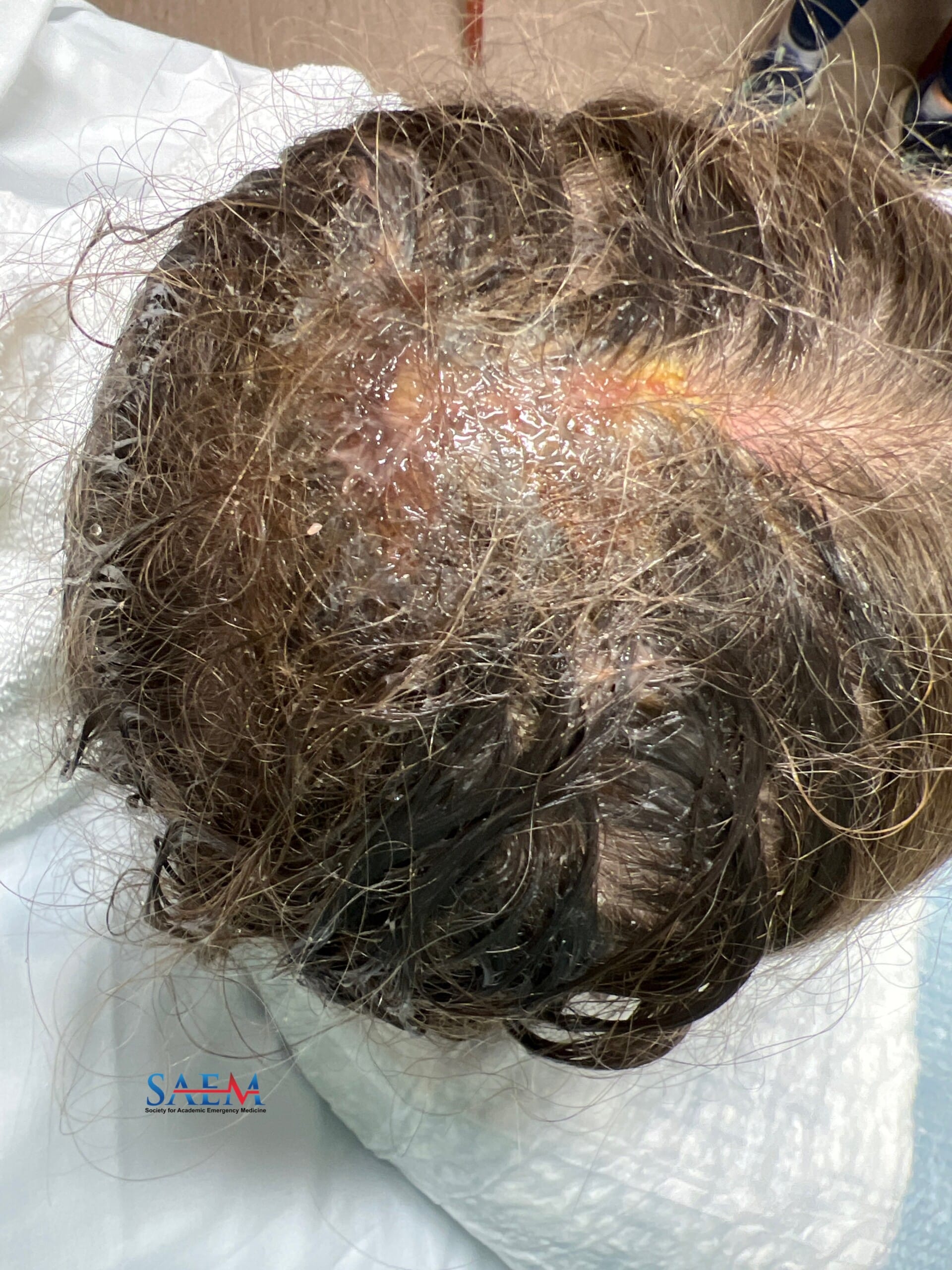
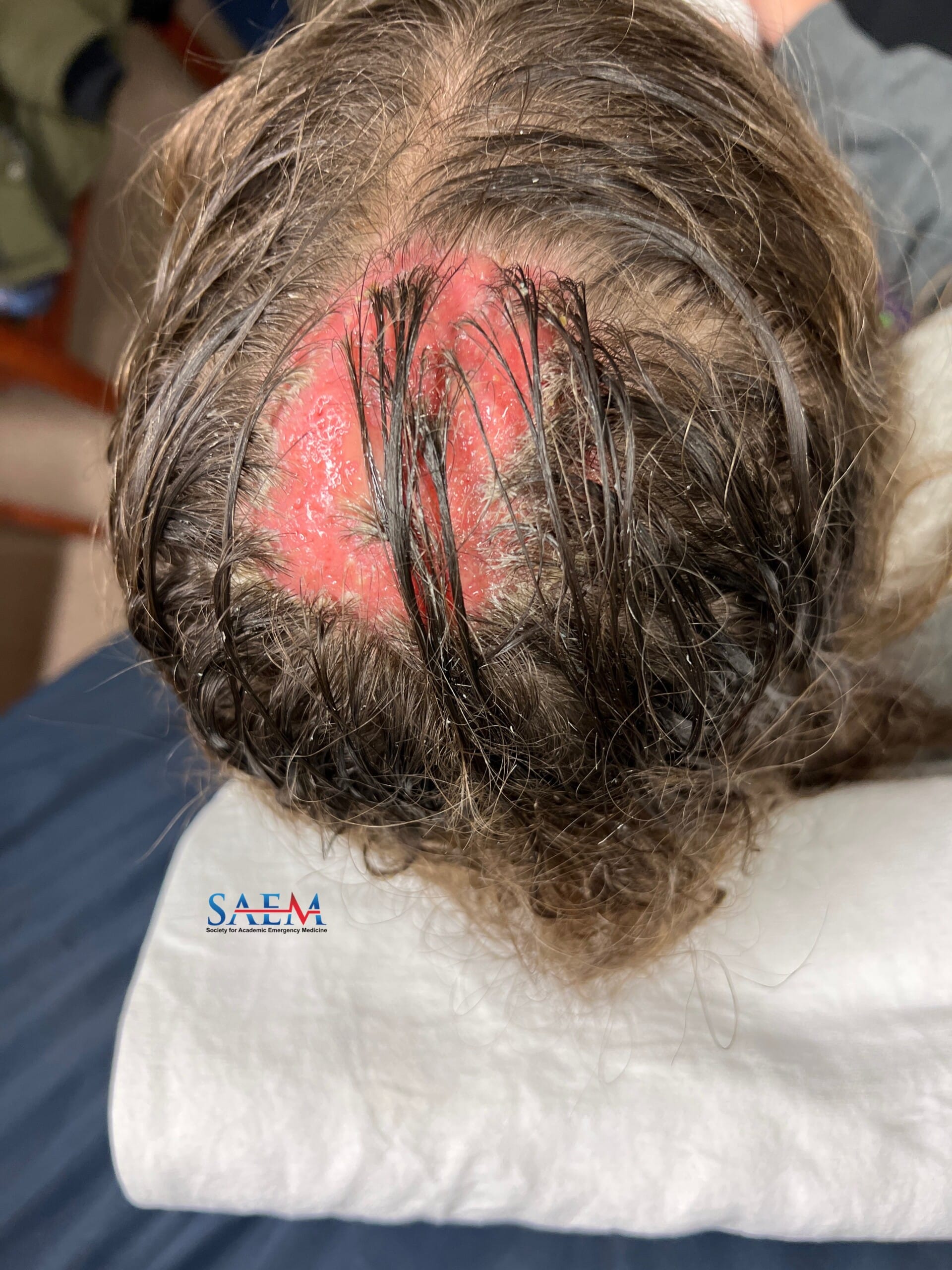
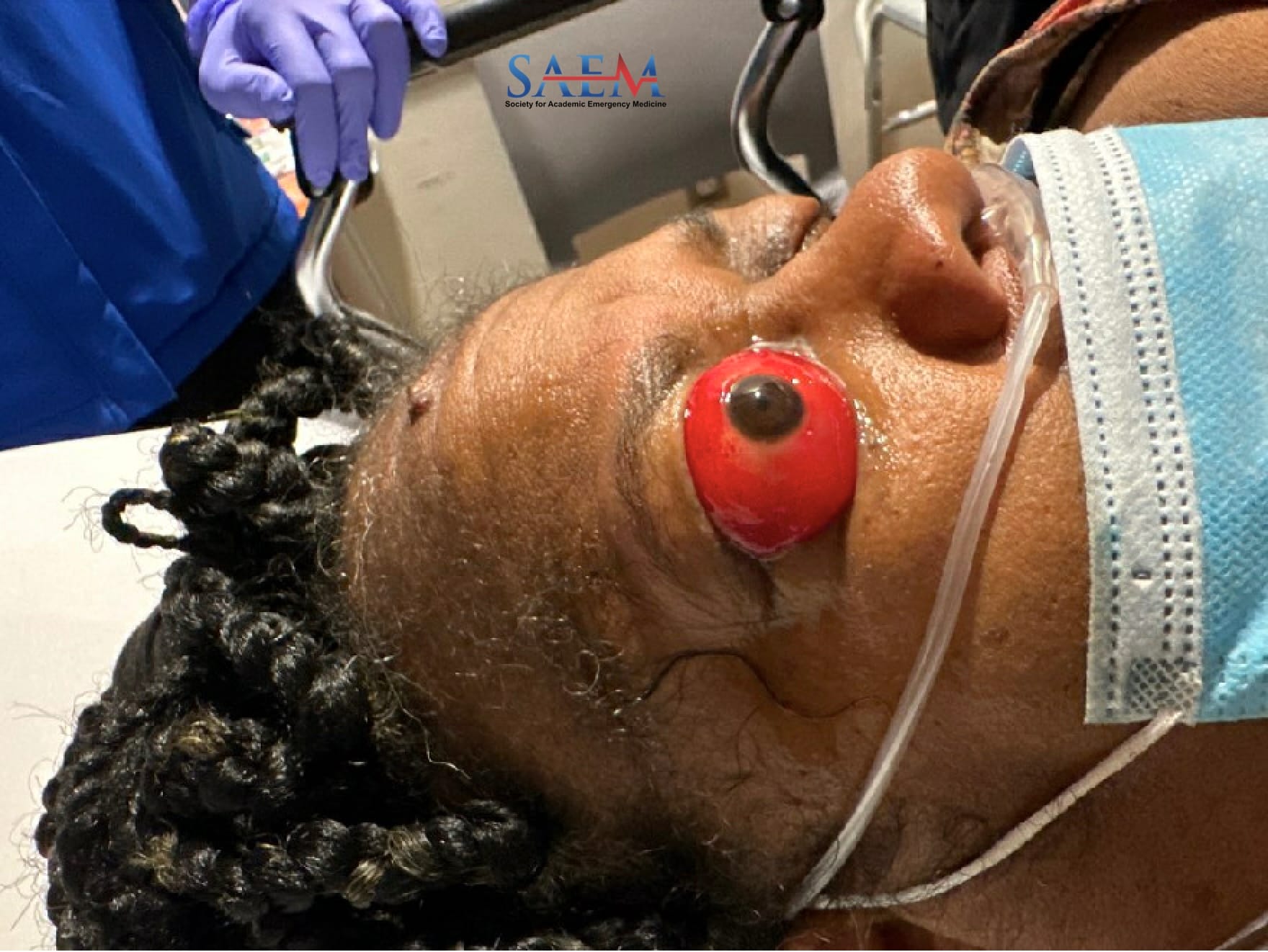
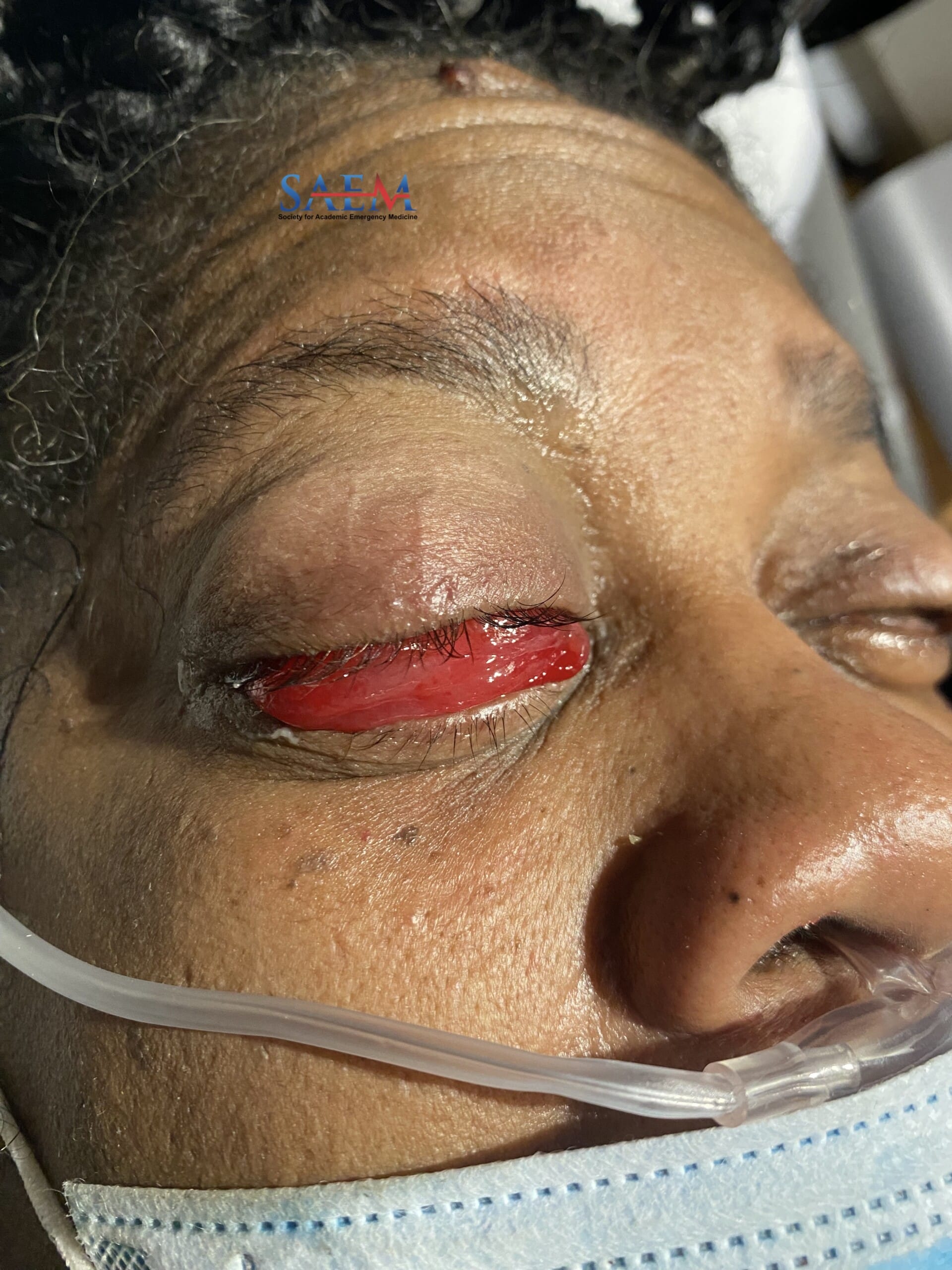
SAEM Clinical Images Series: A Blistery Mystery

blister

A 76-year-old female presented with a lingering cough and an oral lesion to the left lower cheek. She reported ten days of improving flu-like symptoms but had a persistent cough and nasal congestion. On the day of presentation, she developed a painful, intermittently bleeding “blood blister” to the left lower cheek that had increased in size, as well as new red spots on her arms and legs. She reported no recent trauma or history of similar lesions in the past.

Vitals: 98.3°F; HR 85; BP 178/89; RR 16; SpO2 98% on RA

HENT: Blood-filled pocket to the left lower vestibule

Skin: Diffuse petechial rash to extremities

CBC: Hb 13.6, Plt 6, WBC 10.3

PT: 12.2

INR: 1.05

PTT: 33

Immune thrombocytopenia (ITP) is an acquired autoimmune disorder caused by autoantibodies against platelet antigens. It is thought to be due to IgG directed against platelet membrane glycoprotein GPIIb/IIIa, leading to platelet destruction. Common inciting events include viral infections, autoimmune diseases, or immunodeficiency syndromes [1]. Patients typically present with bleeding or nonspecific symptoms such as fatigue or generalized weakness. The severity of bleeding can range from petechiae, purpura, and epistaxis, to (very rarely) life-threatening hemorrhage. It is important to perform a thorough skin and oral exam to evaluate for petechial rashes or mucosal bleeding. Initial diagnostics include a CBC which will show isolated thrombocytopenia, as well as hemolysis labs to exclude alternative etiologies.

Patients with life-threatening bleeding should be treated emergently with platelet transfusions, IVIG, and steroids. In all other cases, management decisions should be made in conjunction with Hematology. In general, those with mild/moderate bleeding and platelets <20,000/μL should be treated with a steroid course, with IVIG or platelet transfusions in special circumstances only [3]. Patients who receive any treatment or have diagnostic uncertainty should be admitted.

Take-Home Points

  • Immune thrombocytopenia is an acquired isolated thrombocytopenia that can be a primary disorder or secondary to viral illness, autoimmune syndrome, or immunodeficiency disease.
  • Patients typically present with minor bleeding and nonspecific symptoms such as fatigue, or, rarely, severe hemorrhage. Perform a thorough skin and oral exam to evaluate for petechial rashes or mucosal bleeds.
  • Life-threatening bleeding should be treated immediately with platelet transfusions, IVIG, and steroids. Treatment for mild/moderate bleeding is more nuanced. Consult Hematology early to guide management.

  • Cines DB, Bussel JB, Liebman HA, Luning Prak ET. The ITP syndrome: pathogenic and clinical diversity. Blood. 2009 Jun 25;113(26):6511-21. doi: 10.1182/blood-2009-01-129155. Epub 2009 Apr 24. PMID: 19395674; PMCID: PMC2710913.
  • Neunert C, Terrell DR, Arnold DM, Buchanan G, Cines DB, Cooper N, Cuker A, Despotovic JM, George JN, Grace RF, Kühne T, Kuter DJ, Lim W, McCrae KR, Pruitt B, Shimanek H, Vesely SK. American Society of Hematology 2019 guidelines for immune thrombocytopenia. Blood Adv. 2019 Dec 10;3(23):3829-3866. doi: 10.1182/bloodadvances.2019000966. Erratum in: Blood Adv. 2020 Jan 28;4(2):252. PMID: 31794604; PMCID: PMC6963252.
  • Provan D, Arnold DM, Bussel JB, et al. Updated international consensus report on the investigation and management of primary immune thrombocytopenia. Blood Adv. 2019;3(22):3780-3817. doi:10.1182/bloodadvances.2019000812

By |2024-09-28T21:40:15-07:00Oct 11, 2024|Heme-Oncology, SAEM Clinical Images|

SAEM Clinical Images Series: Doubly Double Vision

palsy

A 52-year-old female with a past medical history of hypertension and prediabetes presented to the emergency department with double vision that started one day prior to arrival. She stated that her double vision improved when she closed one eye. She denied trauma, headache, neck pain, dizziness, dysphagia, numbness, tingling, weakness, or gait instability.

Vitals: BP 181/119; HR 76; RR 18; T 98.4°F; O2 saturation 96% on room air

General: No acute distress, well-appearing

Neurologic: AOx3; Following commands. Speech without dysarthria. PERRLA. EOM: incomplete abduction of the L and R eye. No facial asymmetry. Tongue protrudes midline. No pronator drift. 5/5 strength in all extremities. Sensation is intact throughout. Finger to nose is normal. Gait is narrow and steady.

Cranial nerve 6 (CN VI), also known as the abducens nerve, is responsible for ipsilateral eye movement. CN VI palsy presents clinically with the inability to abduct the eye resulting in horizontal diplopia. Patients often present complaining of double vision that is worse with lateral gaze. Other symptoms on presentation may include headache, nausea, vomiting, hearing loss, and recent viral symptoms. CN VI is typically diagnosed clinically by an inability to abduct the eye. It is the most common oculomotor palsy in adults and can be caused by damage anywhere along the course of the abducens nerve. Etiologies in adults include ischemia, trauma, neoplasm, demyelinating lesions, increased intracranial pressure, and infection. Risk factors include microvascular disease such as hypertension and inflammatory conditions. Bilateral CN VI nerve palsy without associated intracranial abnormalities is rare. Importantly, abducens nerve palsy is the second most common oculomotor palsy in children and a frequent presenting sign of an intracranial tumor. Children with CN VI palsy should be evaluated for ataxia and other gait disturbances which may indicate a brainstem glioma.

Depending on the presenting symptoms and medical history, the workup should include an MRI/MRA brain to evaluate for microvascular ischemia and cerebrovascular accident. Treatment of CN VI palsy should be targeted at the underlying cause. In cases of CN VI palsy due to microvascular ischemia, symptoms often self-resolve. In children, treatment includes alternating patching of the eyes, but this has not been shown to be effective in adults.

Take-Home Points

  • CN VI palsy is the most common oculomotor palsy in adults and presents with an inability to abduct the eye.
  • Treatment of CN VI palsy should target the underlying pathology which may include infection, trauma, neoplasm, or increased intracranial pressure.
  • CN VI palsy in children may indicate an intracranial tumor and workup should include a full neurologic examination and intracranial imaging when appropriate.
  • Graham C, Gurnani B, Mohseni M. Abducens Nerve Palsy. 2023 Aug 24. In: StatPearls [Internet]. Treasure Island (FL): StatPearls Publishing; 2024 Jan–. PMID: 29489275.

    Merino P, Gómez de Liaño P, Villalobo JM, Franco G, Gómez de Liaño R. Etiology and treatment of pediatric sixth nerve palsy. J AAPOS. 2010 Dec;14(6):502-5. doi: 10.1016/j.jaapos.2010.09.009. PMID: 21168073.

By |2024-09-28T21:34:14-07:00Oct 7, 2024|Neurology, SAEM Clinical Images|

SAEM Clinical Images Series: Unidentified Intrauterine Object

IUP

A 31-year-old female G3P2 presented to the emergency department with vaginal spotting for one week and worsening lower abdominal cramping. She tested positive on a home pregnancy test one day prior to presentation. On the day of presentation, she passed a small blood clot and bled through one pad. She had not yet seen an OB for this pregnancy. Her last menstrual period was one month and three days prior. The current pregnancy is undesired. She denied fevers, chills, urinary symptoms, lightheadedness, palpitations, shortness of breath, nausea, or vomiting.

Vitals: BP 95/55; HR 75; Temp 98.4°F; Resp 16; SpO2 100% on room air

Abdomen: Soft; tender to palpation in the suprapubic region, no guarding or rebound tenderness

GU: Scant blood in the vaginal canal, no clots or tissue; os closed, no adnexal tenderness, no cervical motion tenderness

bHCG: 36,966

Rh Factor: Positive

Hgb: 9.2

Ectopic pregnancy needs to be ruled out. This patient has vaginal bleeding, a positive pregnancy test, and abdominal pain. She has not established care with an OB provider and has not had a confirmed intrauterine pregnancy. Specific ultrasound findings for an ectopic pregnancy include a gestational sac with a yolk sac outside of the uterus. Findings suggestive of an ectopic pregnancy include complex adnexal masses, free fluid with debris (suggestive of rupture), and an empty gestational sac within an adnexal mass.

Yes, this is a viable intrauterine pregnancy (IUP). Confirmation can be done with transabdominal ultrasound but in very early pregnancy may require a transvaginal ultrasound. Findings needed to confirm an IUP include a gestational sac containing a yolk sac within a thickened myometrium. The hyperechoic structure seen on transabdominal and transvaginal ultrasounds for this patient is an intra-uterine device (IUD) that is in place. The risk of pregnancy with an IUD in place is <1%; according to a database of 18 million hospital deliveries, the reports of retained IUD at birth was 12 per 100,000 births. For pregnancies with an IUD in place, the rate of ectopic pregnancy is higher. There is also a higher risk of maternal infection, miscarriage, preterm premature rupture of membranes, preterm birth, and intrauterine fetal demise. For desired pregnancies, if the strings are visible, the IUD is removed as soon as possible and a single dose of azithromycin is given due to increased risk of infection during pregnancy. There is limited evidence to guide management for desired pregnancies when strings are not visible. One option is hysteroscopic removal, although this increases the risk of pregnancy loss. More than 50% of pregnancies with in situ IUDs were found to end in spontaneous abortion.

Take-Home Points

  • A definite IUP requires an intrauterine gestational sac with yolk sac and/or embryo (with or without cardiac activity).
  • Pregnancy with an IUD is extremely rare and increases the risk of ectopic pregnancy, maternal infection, miscarriage, PPROM, preterm birth, and fetal demise.
  • Management for desired pregnancies with IUDs in place when IUD strings are visible consists of early IUD removal with a single dose of prophylactic antibiotics.

  • ACOG Practice Bulletin No. 121: Long-acting reversible contraception: Implants and intrauterine devices. Obstet Gynecol. 2011 Jul;118(1):184-196. doi: 10.1097/ AOG.0b013e318227f05e. PMID: 21691183.
  • Ganer H, Levy A, Ohel I, Sheiner E. Pregnancy outcome in women with an intrauterine contraceptive device. Am J Obstet Gynecol. 2009 Oct;201(4):381.e1-5. doi: 10.1016/j.ajog.2009.06.031. Epub 2009 Aug 29. PMID: 19716537.
  • Roline, C.E., Heegaard, W.G. & Anderson, K.S. Early pregnancy with an intrauterine device in place. Crit Ultrasound J 3, 91–92 (2011). https://doi.org/10.1007/s13089-011-0068-1

By |2024-09-28T21:27:46-07:00Oct 4, 2024|Ob/Gyn, SAEM Clinical Images, Ultrasound|

SAEM Clinical Images Series: Didn’t See That Coming

hyphema

A 23-year-old healthy male presented to the emergency department with left eye pain, soreness, and blurry vision after being hit in the left eye with a Nerf gun bullet two days prior. He had no prior ophthalmologic history and does not wear corrective lenses.

Left eye: Visual acuity 20/30. Intraocular Pressure 17. Pupil 3mm, irregular, minimally reactive. Slit lamp exam revealing 3+ RBCs, vertical layering of blood along the nasal aspect.

Vertical hyphema

Blunt trauma induces shearing forces upon the vasculature of the ciliary body and iris, resulting in the accumulation of red blood cells (RBCs) in the anterior chamber. This space normally contains only clear, aqueous humor. RBCs slowly settle to the bottom of the anterior chamber in a gravity-dependent manner. Classically this develops in a horizontal pattern, but patients who subsequently sleep on their side may experience vertical hyphema formation. Although trauma is the most common etiology, hyphema can occur due to any hematologic abnormality. It is a frequent complication of sickle cell disease. As in all cases of ocular trauma, globe rupture must be immediately ruled out before proceeding with a comprehensive ophthalmologic examination.

The patient had a Grade I hyphema.

Grade 0: No visible layering, but red blood cells within the anterior chamber (microhyphema)

Grade I: Layered blood occupying less than one-third of the anterior chamber

Grade II: Blood filling one-third to one-half of the anterior chamber

Grade III: Layered blood filling one-half to less than total of the anterior chamber

Grade IV: Total filling of the anterior chamber with blood (also known as 8-ball hyphema)

Take-Home Points

  • A hyphema is a collection of blood in the anterior chamber of the eye.
  • Before measuring intraocular pressure, remember to inspect the anterior ocular anatomy with consideration for globe rupture. If this is not excluded, avoid tonometry as it can cause extrusion of aqueous humor and further damage to the globe.
  • Blunt trauma is the most common cause of hyphema. However, non-traumatic hyphema should prompt investigation for hematologic disorders such as Sickle cell disease.

  • Brandt MT, Haug RH. Traumatic hyphema: a comprehensive review. J Oral Maxillofac Surg. 2001 Dec;59(12):1462-70. doi: 10.1053/joms.2001.28284. PMID: 11732035.
  • Gragg J, Blair K, Baker MB. Hyphema. 2022 Dec 26. In: StatPearls [Internet]. Treasure Island (FL): StatPearls Publishing; 2024 Jan–. PMID: 29939579.

By |2024-09-28T21:19:11-07:00Sep 30, 2024|Ophthalmology, SAEM Clinical Images|

Diagnosis on Sight: “Stabbing Belly Pain”

A 24-year-old male with a history of microscopic hematuria presented to the emergency department (ED) with left lower quadrant abdominal pain. His pain started about two weeks ago and has been intermittent. He describes the pain as stabbing. He decided to come to the ED today because of the persistent nature of the pain. He denies chest pain, cough, shortness of breath, fevers, nausea, vomiting, diarrhea, constipation, rectal bleeding, dysuria, and increased urinary frequency. His exam revealed a well-appearing male in no acute distress. His abdomen was soft with left lower quadrant tenderness on palpation but no rebound or guarding. A CT Abdomen/Pelvis with IV contrast was obtained with the following images:

Axial view.

Axial View

Coronal View

What is the diagnosis?

Intussusception

Explanation:

Intussusception is a telescoping of a proximal segment of the GI tract into the lumen of the adjacent distal segment of the GI tract.

The axial image of the left side of the abdomen shows a dilated small bowel loop with a target-like appearance, typical of intussusception.  Coronal imaging shows that the intussusception is approximately 4.5 cm long.

Intestinal intussusception is classically a diagnosis associated with childhood. Adult cases of intussusception are quite rare and only account for about 5% of all cases [1]. Only 1-5% of all cases of bowel obstructions are secondary to adult intussusception [1-2].

Etiologies of adult intussusception include [2]:

  • Inflammatory bowel disease
  • Adhesions due to past surgeries
  • Meckel’s diverticulum
  • Benign tumors
  • Malignant tumors
  • Iatrogenic (e.g., intestinal tubes, feeding tubes, gastric surgery)
  • Idiopathic (8-20% of cases)

CT Abdomen/Pelvis is the diagnostic modality of choice [3].

Treatment typically involves surgery with surgical resection. The possibility of a malignant lesion also needs to be assessed.

Case Conclusion:

Surgery was consulted.  The patient’s pain was resolved when they saw the patient in the emergency department.  Therefore, the surgeon did not believe that the patient needed urgent surgery.  However, surgery did recommend a fluoroscopic small bowel series for further evaluation, which ultimately came back unremarkable.  Subsequently, the surgeon’s recommendation was to discharge the patient home with a plan for an outpatient colonoscopy to assess for malignancy.  The colonoscopy was completed only a few days later which only revealed benign polyps.

Want more visual stimulation? Check out the Diagnosis on Sight archives!

References

  1. Marinis A, Yiallourou A, Samanides L, Dafnios N, Anastasopoulos G, Vassiliou I, Theodosopoulos T. Intussusception of the bowel in adults: a review. World J Gastroenterol. 2009;15(4):407.  PMID 19152443.
  2. Zubaidi A, Al-Saif F, Silverman R. Adult Intussusception: A Retrospective Review. Dis Colon Rectum. 2006 Oct;49(10):1546-51. PMID 16990978.
  3. Azar T, Berger DL. Adult intussusception. Ann Surg. 1997;226:134–138.  PMID 9296505.

SAEM Clinical Images Series: Below the Chin, Badness Lies Within

neck swelling

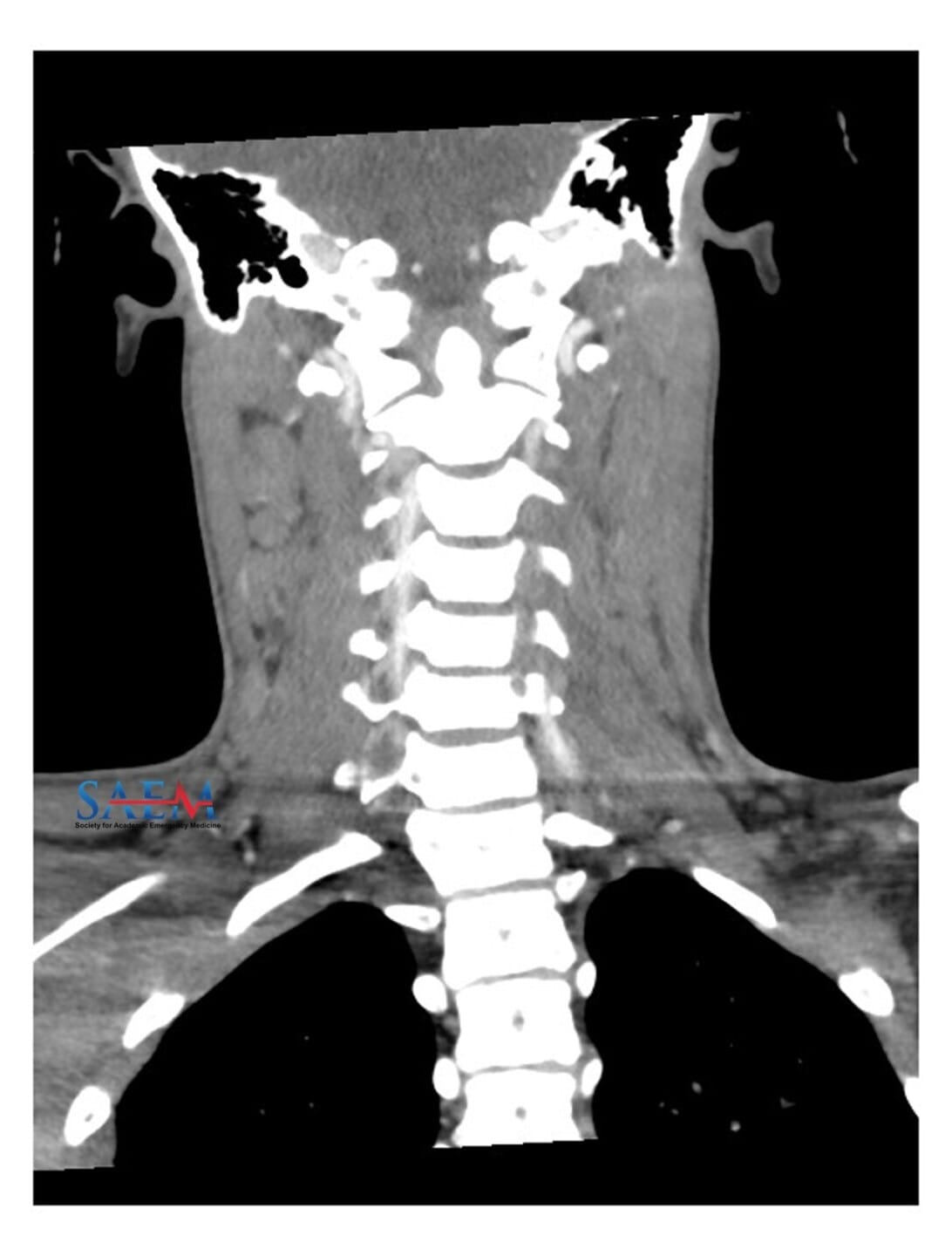
A 50-year-old male with insulin-dependent Type 2 Diabetes presented to the emergency department with three days of pain and swelling on the right side of his neck. He endorsed progression of his symptoms, reporting that he was now having fevers, myalgias, and intermittent difficulty swallowing solid foods.

Vitals: BP 153/96; HR 110; T 100.0°F; RR 16; O2 sat 97%

General: Appears uncomfortable

HEENT: Mild right-sided facial swelling. No trismus. No gingival inflammation or swelling or induration to suggest abscess. There is focal swelling and tenderness to palpation, without overlying erythema, throughout the right submandibular triangle, and along the sternocleidomastoid.

MSK: Limited active right shoulder range of motion secondary to pain

WBC: 10.4

Hgb: 14.4

Plts: 213

Na: 131

K: 3.7

A1C: 13

Lemierre syndrome (LS) is a rare complication of bacterial pharyngitis/tonsillitis and involves an extension of the infection into the lateral pharyngeal spaces of the neck with subsequent septic thrombophlebitis of the internal jugular vein (as seen on CT). Patients may present with trismus, dysphagia, and fever. Due to the possibility of widespread septic emboli, patients may experience sequelae of systemic infection with dyspnea, focal neurologic deficits, and abdominal pain. Treatment consists of prompt antibiosis and rapid source control.

Most cases of bacteremia in Lemierre syndrome are caused by Fusobacterium necrophorum, an anaerobic gram-negative rod that colonizes the oropharynx. This bacterium causes platelet aggregation and thrombus formation through hemagglutinin production and direct activation of the coagulation cascade. However, up to one-third of patients are found to have a polymicrobial infection with streptococcus and staphylococcus species frequently present.

Take-Home Points

  • Lemierre syndrome (LS) is a rare infection. However, the incidence of LS has been increasing in recent decades due to more judicious use of antibiotics for pharyngitis.
  • A high index of suspicion must be maintained to diagnose Lemierre syndrome, with special attention to alternative diagnoses such as Ludwig angina, retropharyngeal abscess, or meningitis.
  • A thorough investigation of associated symptoms is imperative as these may represent sequelae of septic emboli.

  • Foo EC, Tanti M, Cliffe H, Randall M. Lemierre’s syndrome. Pract Neurol. 2021 Oct;21(5):442-444. doi: 10.1136/practneurol-2021-002928. Epub 2021 May 7. PMID: 33963085.
  • Forrester LJ, Campbell BJ, Berg JN, Barrett JT. Aggregation of platelets by Fusobacterium necrophorum. J Clin Microbiol. 1985 Aug;22(2):245-9. doi: 10.1128/jcm.22.2.245-249.1985. PMID: 4031037; PMCID: PMC268368.

SAEM Clinical Images Series: Dusky Feet

dusky

A 94-year-old female with a past medical history of hypertension, coronary artery disease, chronic venous stasis, and permanent pacemaker placement initially presented to triage complaining of left hip pain in the setting of a fall shortly prior to arrival. Upon further evaluation, she endorsed developing sudden bilateral lower extremity weakness causing her to fall to the floor. She then experienced excruciating pain from her umbilicus down to her groin, hips, and legs (left greater than right), describing it as “being in labor.” She denied any recent fevers, chills, chest pain, shortness of breath, leg swelling, back pain, urinary symptoms, or bloody stools,

Vitals: BP 109/58; Temp 36°C; Pulse 89; RR 18; SpO2 96%

Constitutional: Uncomfortable

Abdominal: No tenderness to palpation or distension No visible or palpable hernias.

Neuro: Awake, alert, oriented x 3. 0/5 strength in bilateral lower extremities. 5/5 strength in bilateral upper extremities.

Extremities: Bilateral radial pulses intact and palpable. Bilateral feet with chronic venous stasis. They are dusky in appearance. They are cool to the touch with poor capillary refill. Palpable left dorsalis pedis pulse, absent right dorsalis pedis pulse. Within 10 minutes of initial exam, bilateral lower extremity pulses are no longer palpable or dopplerable.

Hemoglobin/Hematocrit: 13.2 g/dL, 41.5%

BUN/Creatinine: 27 mg/dL, 0.99 mg/dL

Troponin: 20 (reference range <40)

Lactic acid: 3.61

This is a case of a Type A aortic dissection. An aortic dissection is a vascular emergency that occurs when the inner wall of the aorta is weakened to the point where it tears and causes blood to accumulate between the inner and middle layers. The type of aortic dissection depends on the location of the tear; Type A dissections involve the ascending aorta whereas Type B dissections involve the descending portion of the aorta. Patients most commonly present with severe chest and back pain, however, a combination of these symptoms with abdominal and neurological complaints are sometimes seen. The exam can include hypertension, wide pulse pressure, diastolic murmur, muffled heart sounds, loss of pulses, and even neurological deficits. While a history and physical exam can strongly suggest the diagnosis, a Computed Tomography Angiography (CTA) of the chest, abdomen, and pelvis can confirm it.

Aortic dissection malperfusion syndromes imply end-organ ischemia to the vascular distributions being compromised. There can be renal, mesenteric, neurological, and even extremity malperfusion. If malperfusion is already present during the diagnosis of the aortic dissection, this can increase the patient’s mortality. In the case of this specific patient, there was lower extremity malperfusion and thus ischemia secondary to the extension of her dissection from the diaphragm to the bilateral external iliac arteries with likely occlusion of the vessels by the dissection flap. This explained her lower extremity discoloration and pulse deficits.

Take-Home Points

  • The diagnosis of an aortic dissection is made via a CTA of the chest, abdomen, and pelvis.
  • Aortic dissections with malperfusion syndromes have increased mortality.
  • Lower extremity malperfusion includes loss of extremity pulses with pain, paresthesias and/or paralysis.

  • Levy D, Goyal A, Grigorova Y, Farci F, Le JK. Aortic Dissection. StatPearls [Internet]. Treasure Island (FL): StatPearls Publishing. 2023 Jan.
  • Crawford TC, Beaulieu RJ, Ehlert BA, Ratchford EV, Black JH 3rd. Malperfusion syndromes in aortic dissections. Vasc Med. 2016 Jun;21(3):264-73. doi: 10.1177/1358863X15625371. Epub 2016 Feb 8. PMID: 26858183; PMCID: PMC4876056.
  • Harris C, Croce B, Cao C. Type A aortic dissection. Ann Cardiothorac Surg. 2016 May; 5(3):256. doi: 10.21037/acs.2016.05.04. PMID: 27386417; PMCID: PMC4893534.
  • Gargiulo M, Bianchini Massoni C, Gallitto E, Freyrie A, Trimarchi S, Faggioli G, Stella A. Lower limb malperfusion in type B aortic dissection: a systematic review. Ann Cardiothorac Surg. 2014 Jul; 3(4):351-67. doi: 10.3978/j.issn.2225-319X.2014.07.05. PMID: 25133098; PMCID: PMC4128931.
  • Hasan I, Brown JA, Serna-Gallegos D, Zhu J, Garvey J, Yousef S, Sultan I. Lower-extremity malperfusion syndrome in patients undergoing proximal aortic surgery for acute type A aortic dissection. JTCVS Open. 2023 May 6;15:1-13. doi: 10.1016/j.xjon.2023.04.015. PMID: 37808049; PMCID: PMC10556830.

By |2024-09-06T22:00:28-07:00Sep 16, 2024|Cardiovascular, SAEM Clinical Images|
Go to Top