SAEM Clinical Images Series: Snake it Off

snake

A 35-year-old male with no past medical history presented to the Emergency Department with eye redness. Two days prior, the patient reported he was cutting brush with a chainsaw when he felt something “spray” into his face. After inspecting the area, the patient found the remnants of a dead rattlesnake that unfortunately got in the way of his chainsaw. He subsequently developed bilateral eye redness without pain or vision changes, as well as a painless, pruritic facial rash. The patient denied any additional trauma, injury, snake bite, headache, fever, chills, cough, congestion, or other symptoms.

Vitals: T 36.8°F; BP 147/90 mmHg; HR 81; pulse ox 99% on room air; RR 20

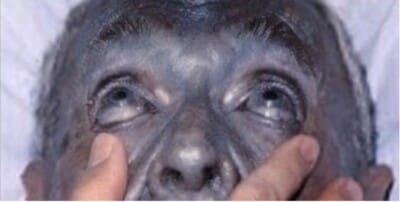
Ophthalmic: OD (right eye) – Visual acuity: 20/20. Tonometry: 18 mmHg. Pupil equal and reactive to light. Conjunctiva: Nasal subconjunctival hemorrhage with small area of fluorescein uptake on the nasal conjunctiva. OS (left eye) – Visual acuity: 20/20. Tonometry: 20 mmHg. Pupil equal and reactive to light. Conjunctiva: Nasal subconjunctival hemorrhage with small area of fluorescein uptake on the nasal conjunctiva. Pterygium on the nasal side.

HENT: Maculopapular, erythematous, blanching rash across the forehead and bilateral cheeks. The remainder of the body is spared.

No other abnormal findings on physical examination.

WBC: 8.97 x 10^9/L

Platelets: 280 x 10^9/L

Hemoglobin: 15.4 g/dL

Fibrinogen: 203 mg/dL

Diagnosis: Ophthalmic Envenomation.

This is a case of ophthalmic envenomation causing subconjunctival hemorrhage. The patient also exhibits irritant contact dermatitis of the face related to topical cutaneous venom exposure. Ophthalmic envenomation is extremely rare in North America but occurs more commonly in areas of the world where “spitting” cobras are native species. Snake venom consists of a complex mixture of cytotoxins, including metalloproteinases and hyaluronidases. Topical ocular venom exposure can cause pain, photophobia, conjunctivitis, subconjunctival hemorrhage, keratitis, uveitis, corneal ulceration, angle-closure glaucoma, retinal hemorrhage, and rarely, blindness. The classic patient is a snake handler who lacks proper eye protection when encountering “spitting” cobras. However, inadvertent ocular exposure, such as accidental venom aerosolization after cutting through a rattlesnake’s head and venom glands with a chainsaw, can also cause ophthalmic envenomation.

The treatment for suspected ophthalmic envenomation is copious ocular irrigation with neutral fluids to clear venom and reduce subsequent damage. Topical antibiotics and supportive care measures can then be applied to prevent infection and minimize irritation. Unlike venomous snake bites, there is usually no indication for antivenom unless the patient develops systemic symptoms.

Take-Home Points

  • Ocular envenomation from aerosolized snake venom can cause pain, photophobia, conjunctivitis, subconjunctival hemorrhage, keratitis, uveitis, corneal ulceration, angle-closure glaucoma, retinal hemorrhage, and rarely, blindness.

  • Dilution is the solution! Early ocular irrigation can decrease the morbidity of ophthalmic envenomation. There is no utility for antivenom for simple ocular envenomation. Save the CroFab for those with severe, systemic signs of envenomation.

  • Eye protection is strongly recommended for those working with power tools, as well as snake handlers (especially when working with spitters!).

  • Hoffman, R. S., Howland, M. A., Lewin, N. A., Nelson, L., Goldfrank, L. R., & Smith, S. W. (Eds.). (2019). Goldfrank’s toxicologic emergencies (Eleventh edition.). McGraw-Hill.

  • Chu ER, Weinstein SA, White J, Warrell DA. Venom ophthalmia caused by venoms of spitting elapid and other snakes: Report of ten cases with review of epidemiology, clinical features, pathophysiology and management. Toxicon. 2010 Sep 1;56(3):259-72. doi: 10.1016/j.toxicon.2010.02.023. Epub 2010 Mar 21. PMID: 20331993.

  • Chang KC, Huang YK, Chen YW, Chen MH, Tu AT, Chen YC. Venom Ophthalmia and Ocular Complications Caused by Snake Venom. Toxins (Basel). 2020 Sep 8;12(9):576. doi: 10.3390/toxins12090576. PMID: 32911777; PMCID: PMC7551025.

SAEM Clinical Images Series: Unusual Presentation of an Exophytic Tumor

cutaneous horn

A 60-year-old African American female without a past medical history presented to the emergency department with a complaint of a “hard, yellowish brown, growth” on her right upper abdomen. The patient reported that it had been present and slowly enlarging over a two-year period and was now causing pain when it “snags on clothing”.

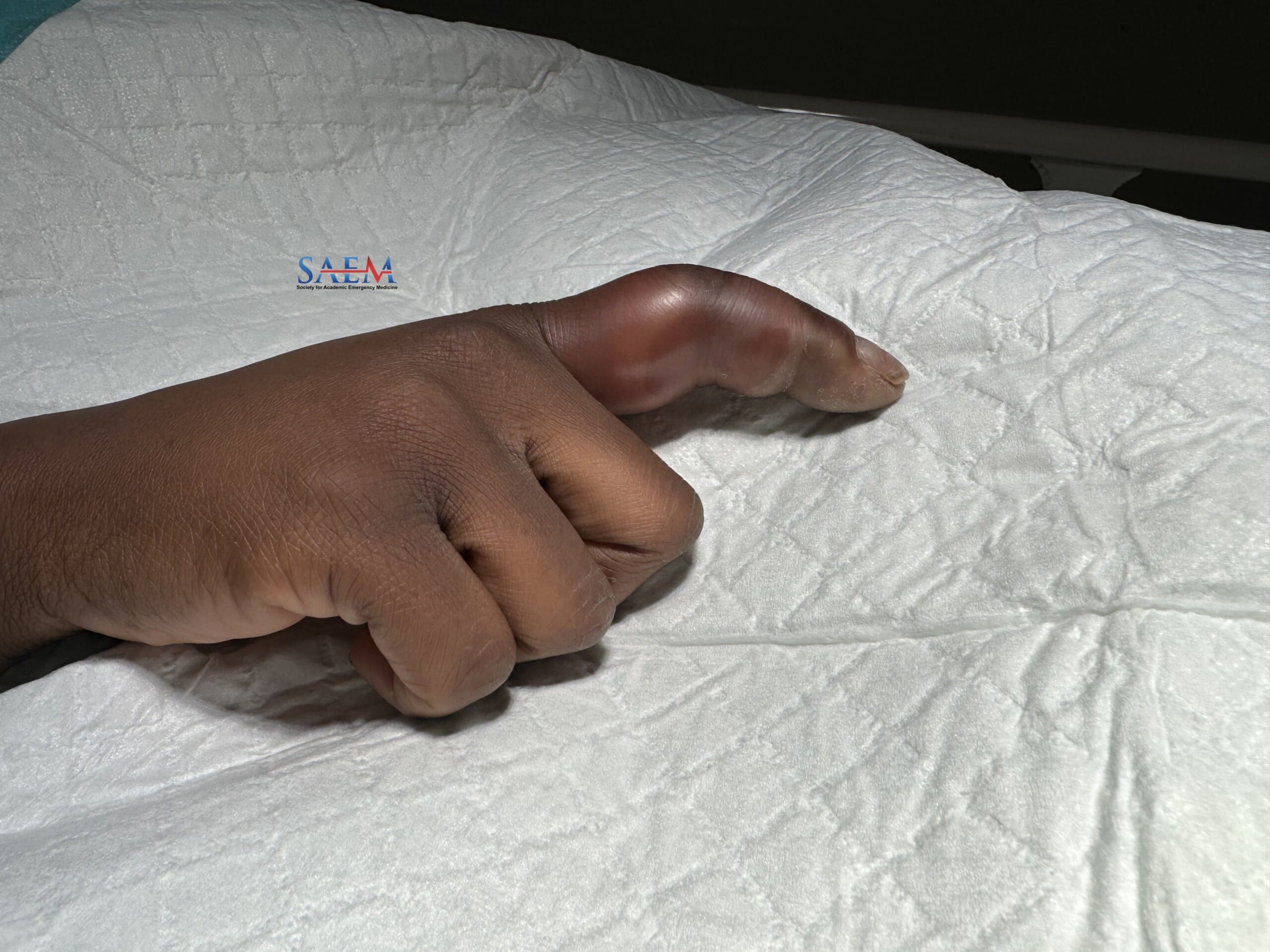
Skin: 9.5 cm, firm, curved, exophytic, keratotic, tumor protruding from the right upper abdominal wall.

Non-contributory

Histopathology confirmed a diagnosis of a benign Cutaneous Horn a.k.a. Cornu Cutaneum (latin). Cutaneous horns are yellow or white exophytic hyperkeratotic projections formed in reaction to a number of physical and disease processes. Defined by having a height more than one-half the size of their base in diameter, they are slow-growing and found in conical, cylindrical, pointed, or curved configurations. Their exact pathogenesis is unknown, they occur equally among genders, are more common in the elderly and fair-skinned individuals, and are predominant in sun-exposed areas of the body.

Cutaneous horns are formed in reaction to a number of underlying conditions and are most commonly (>60%) benign, however underlying premalignant and malignant diseases may exist. Histopathologic evaluation of the skin at the base of the lesion is necessary to establish any associated disease. Benign cutaneous horns may form from chronic irritation and are affiliated with numerous skin conditions, most commonly seborrheic keratosis. Links to multiple other skin diseases including psoriasis, discoid lupus erythematosus, sarcoidosis, molluscum contagiosum, and Bowen’s disease exist. Actinic keratosis is the most common premalignant etiology. Cutaneous horns reflecting a malignancy are predominantly associated with wider and erythematous bases in sun-exposed areas of the body in elderly males. Cutaneous horns arising from malignancy tend to occur from squamous cell carcinoma although associations with at least nine other malignancies including basal cell carcinoma, malignant melanoma, Paget’s disease of the breast, Kaposi’s sarcoma, and renal cell carcinoma exist.

Take-Home Points

  • Cutaneous horns occur most frequently with aging in fair-skinned individuals on areas exposed to ultraviolet radiation.

  • Cutaneous horns are hyperkeratotic epithelial lesions formed in reaction to multiple conditions.

  • Complete excisional biopsy including full thickness skin from the base is the treatment of choice and is required for histopathologic analysis.

  • Cutaneous horns, although most commonly benign, may reflect a premalignant or malignant disease process requiring further evaluation and surveillance.

  • Cohen PR. Cornu Cutaneum: Case Reports of Patients With a Cutaneous Horn Associated With Either a Verruca Vulgaris or an Inverted Follicular Keratosis and a Review of the Etiologies of Cutaneous Horns. Cureus. 2023 Oct 9;15(10):e46747. doi: 10.7759/cureus.46747. PMID: 38022343; PMCID: PMC10631572.

  • Thiers BH, Strat N, Snyder AN, Zito PM. Cutaneous Horn. 2023 Mar 7. In: StatPearls [Internet]. Treasure Island (FL): StatPearls Publishing; 2023 Jan–. PMID: 33085427.

  • Vanik S, Mehta S, Shah R, Trivedi P, Rathod P, Bhatt S. Giant Cutaneous Horn: Is It a Tip of An Iceberg? Two Case Reports and a Review of Literature. Indian J Otolaryngol Head Neck Surg. 2022 Dec;74(Suppl 3):5432-5435. doi: 10.1007/s12070-021-02719-1. Epub 2021 Jul 6. PMID: 36742859; PMCID: PMC9895721.

  • Copcu E, Sivrioglu N, Culhaci N. Cutaneous horns: are these lesions as innocent as they seem to be? World J Surg Oncol. 2004 Jun 3;2:18. doi: 10.1186/1477-7819-2-18. PMID: 15176977; PMCID: PMC421749.

By |2025-01-21T09:36:34-08:00Jan 31, 2025|Dermatology, SAEM Clinical Images|

SAEM Clinical Images Series: Bilateral Periorbital Edema

peri-orbital edema

A 20-year-old previously healthy student-athlete female presented with a 2-week history of bilateral periorbital swelling unresponsive to steroids and anti-histamines prescribed by her PCP. The edema had been worsening, and there was a new development of throat tightening and discomfort. She denied rash, allergies, fever, URI symptoms, urinary symptoms, or new medications.

General: No acute distress.

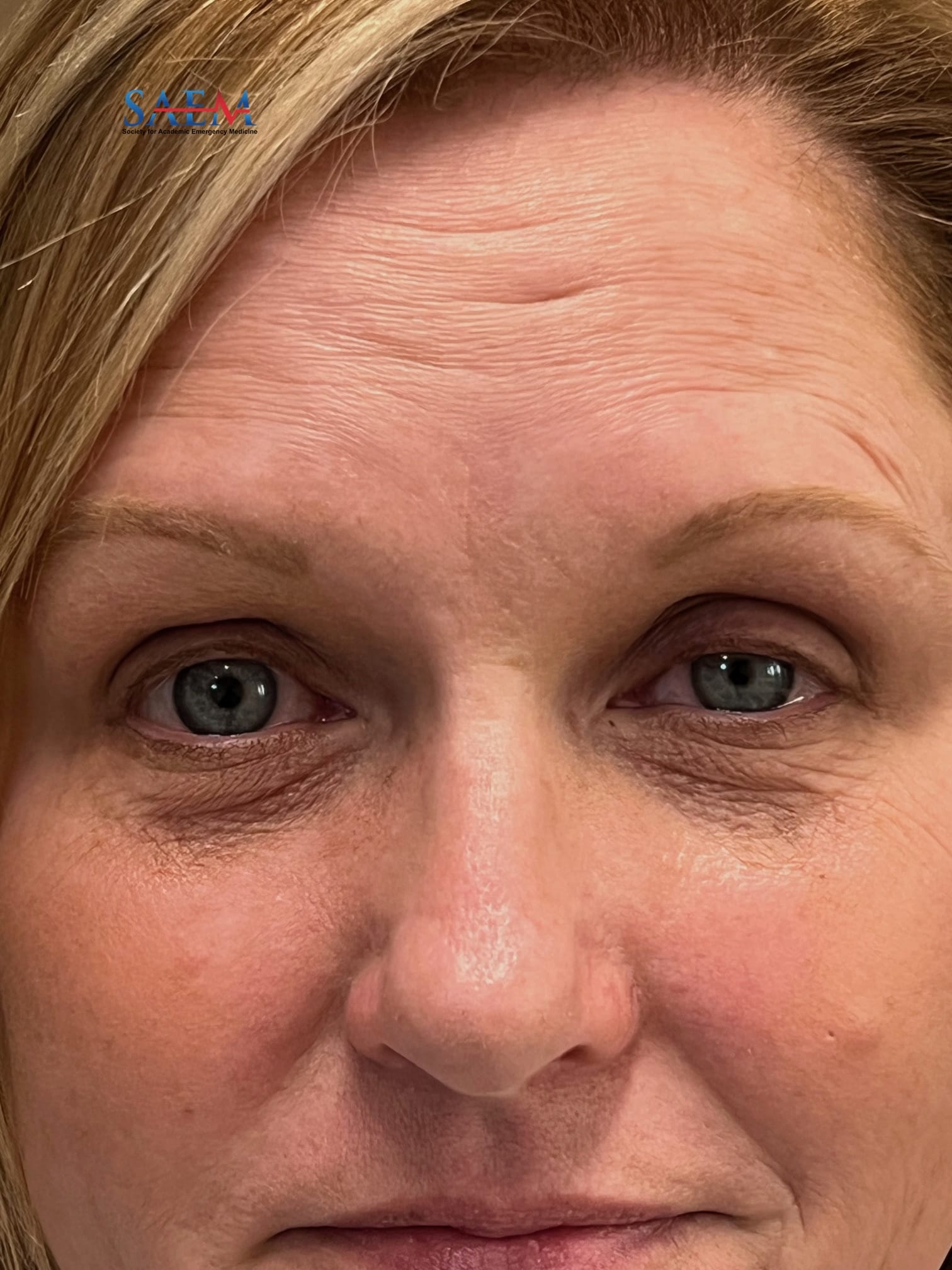
HEENT: Significant bilateral periorbital edema with an otherwise normal eye exam. 2+ bilateral tonsillar swelling and erythema, no exudates. No uvula swelling or deviation. No oral mucosal lesions.

Neck: Anterior and posterior cervical lymphadenopathy.

Respiratory: No stridor.

Skin: No rash.

Abdomen: No hepato/splenomegaly. Otherwise, exam WNL.

CBC: WBC 14 with 18% Neut, 63% Lymphs, 9% Reactive lymphs

BMP: Wnl

ALT: 194

AST: 121

UA: Wnl, no protein, no blood

Urine pregnancy: Negative

Strep: Negative

Flu/Covid: Negative

*Monospot and EBV titers returned next day positive

This case presentation is an impressive example of bilateral periorbital edema as a very early sign of mononucleosis, appearing two weeks before the classic triad of fever, tonsillitis, and cervical lymphadenopathy. Peri-orbital edema has been reported in the literature to be present in 10-30% of mononucleosis cases and when present, it is often the earliest sign/symptom. Common symptoms of mononucleosis are fever, tonsillitis, lymphadenopathy, and fatigue. Less common symptoms include periorbital edema, splenic pain/rupture, rash, and neurologic syndromes.

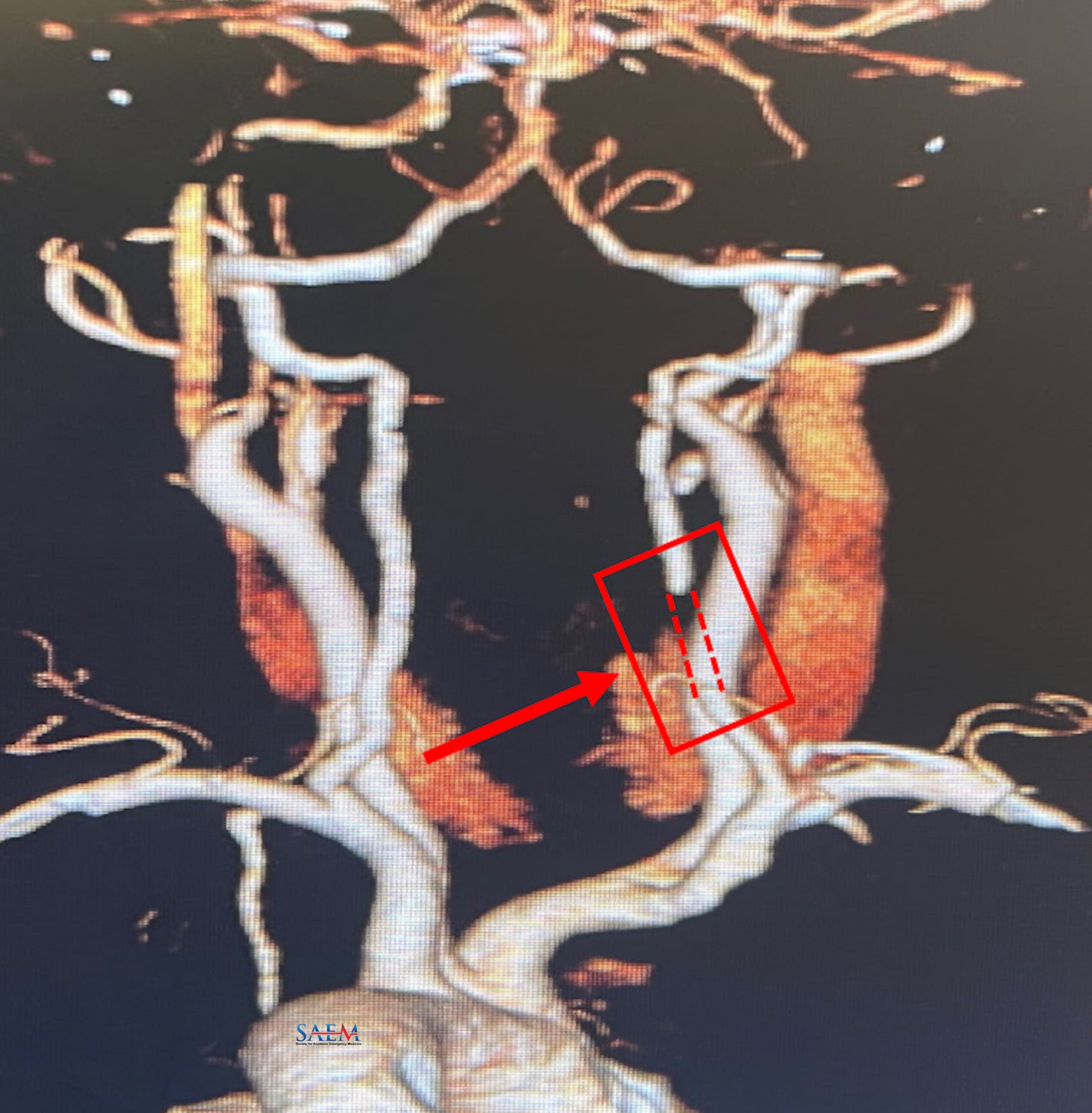
CT image shows bulky posterior cervical lymphadenopathy. Lab studies show hematologic abnormalities, including reactive lymphocytes and mild LFT elevation, suggestive of mononucleosis. Heterophile monospot and EBV titers often are not available as STAT labs and return after the ED evaluation.

Take-Home Points

  • Bilateral peri-orbital edema can be an early sign of mononucleosis.

  • Reactive lymphocytes and mild LFT elevations can be suggestive of mononucleosis.

  • HOAGLAND RJ. Infectious mononucleosis. Am J Med. 1952 Aug;13(2):158-71. doi: 10.1016/0002-9343(52)90154-x. PMID: 12976417.

  • Luzuriaga K, Sullivan JL. Infectious mononucleosis. N Engl J Med. 2010 May 27;362(21):1993-2000. doi: 10.1056/NEJMcp1001116. Erratum in: N Engl J Med. 2010 Oct 7;363(15):1486. PMID: 20505178.

  • Aronson A and Auwaeter P. Infectious mononucleosis In: Post TW, ed. UpToDate. UpToDate; 2021.

By |2025-01-21T09:24:19-08:00Jan 27, 2025|Infectious Disease, SAEM Clinical Images|

SAEM Clinical Images Series: Painful Weeping Scalp

An otherwise healthy 11-year-old female presented to the Emergency Department (ED) with one week of scalp pain and discharge. Her symptoms began as a dry and itchy rash in the scalp area that was unresponsive to triamcinolone 0.1% ointment. She was initially seen in clinic and was diagnosed with an abscess of the scalp and treated with Trimethoprim/ Sulfamethoxazole (TMP-SMX) for seven days. Two days before her presentation to ED, the rash started to increase in size and pain, and her mother noticed a purulent oozing coming from her scalp. The patient denied any trauma to her head or scalp. There is no history of rashes or other skin infections on her scalp. Review of systems is negative for any systemic symptoms including fever, chills, nausea, vomiting or diarrhea.

Vitals: BP 105/68; HR 113; T 99.7°F; RR 16, O2 sat 98%, RA

General: Patient has an irritable mood and scratches her head.

Head: Normocephalic, matted hair with dried yellow drainage at crown of scalp visible, no occipital lymphadenopathy.

Skin: Inspection reveals an erythematous, crusted, scaly, boggy plaque at the vertex of the patient’s scalp with significant yellow serosanguinous drainage and tenderness to palpation (Figure 1).

Eyes: Conjunctivae clear, EOM intact, PERRL, fundi normal.

Ears: External ears and canals normal, TM’s normal landmarks bilaterally.

Nose: Nares normal, mucosa normal, no drainage.

Mouth/Throat: Moist mucosa without lesions.

Neck: Supple, no cervical lymphadenopathy.

Bacterial aerobic swab with sensitivities

Fungal smear and sensitivities

Kerion is an inflammatory type of tinea capitis characterized by swelling and alopecia of the scalp, which could be mistaken as bacterial infection. It is caused by dermatophyte fungi found on animals and in the soil such as Trichophyton spp. and Microsporum spp. It occurs almost exclusively in children and is more common in patients of African descent and males. Secondary bacterial infection needs to be suspected if there is associated fever, pain, or occipital lymphadenopathy. If left untreated, scarring, and permanent alopecia can develop. Location and the presence of other signs of a fungal infection, such as scaling can distinguish it from cellulitis [1]. The diIerential diagnosis includes bacterial abscess, psoriasis, seborrheic dermatitis, contact dermatitis, pseudolymphoma and dissecting cellulitis of the scalp. The patient’s clinical image demonstrates a boggy, suppurative plaque consistent with kerion (Figure 2).

Initial management in the ER should focus on adequate pain control, debridement and obtaining bacterial and fungal cultures. Our patient was given ibuprofen and oxycodone for pain control and the area was cleansed and gently debrided. After irrigation and removal of matted hair, there was an erythematous boggy plaque with scaling and associated overlying hair loss (Figure 3). Fungal culture of hairs or biopsy will provide speciation but will take several weeks. In the ED setting, potassium hydroxide (KOH) preparation of infected plucked hairs or skin scrapings under the microscope can provide early diagnosis. When the diagnosis is uncertain, early antibiotics are prudent to prevent exacerbation and systemic spread. Treatment of suspected kerion should also include oral antifungal medication [2]. Our patient was transitioned from TMP-SMX to cefadroxil for better streptococcus coverage. Pediatric dermatology recommended dilute acetic acid soaks, oral terbinafine and ketoconazole shampoo for 12 weeks, and a one-week course of prednisone. Bacterial culture returned positive for three colonies of Streptococcus dysgalactiae, Acinetobacter parvus, and Staphylococcus epidermidis. Fungal cultures grew a filamentous fungus – Trichophyton verrucosum.

Take-Home Points

  • Superimposed bacterial infection should be suspected if a scalp lesion is painful and there is discharge.

  • Treatment should consist of both, an antifungal, and antibiotics.

  • Pain control and gentle debridement constitute the initial management of a suppurative scalp lesion.

  • Bacterial and fungal cultures should be obtained in the ER to optimize the management in outpatient setting.

  • John AM, Schwartz RA, Janniger CK. The kerion: an angry tinea capitis. Int J Dermatol. 2018 Jan;57(1):3-9. doi: 10.1111/ijd.13423. Epub 2016 Oct 1. PMID: 27696388.

  • Leung AKC, Hon KL, Leong KF, Barankin B, Lam JM. Tinea Capitis: An Updated Review. Recent Pat Inflamm Allergy Drug Discov. 2020;14(1):58-68. doi: 10.2174/1872213X14666200106145624. PMID: 31906842.

By |2025-01-06T21:27:38-08:00Jan 17, 2025|Dermatology, SAEM Clinical Images|

SAEM Clinical Images Series: Spontaneous Eye Luxation

eye

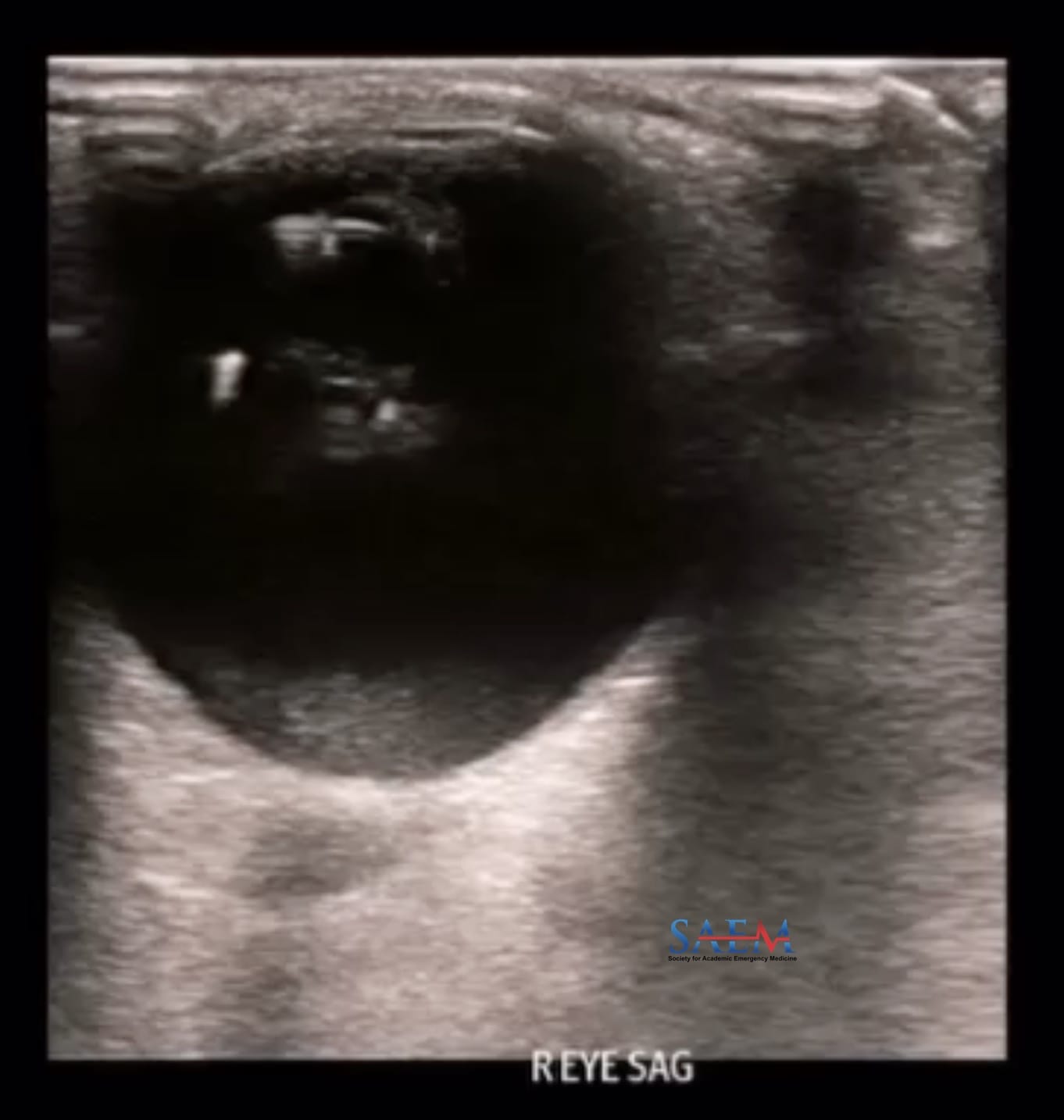
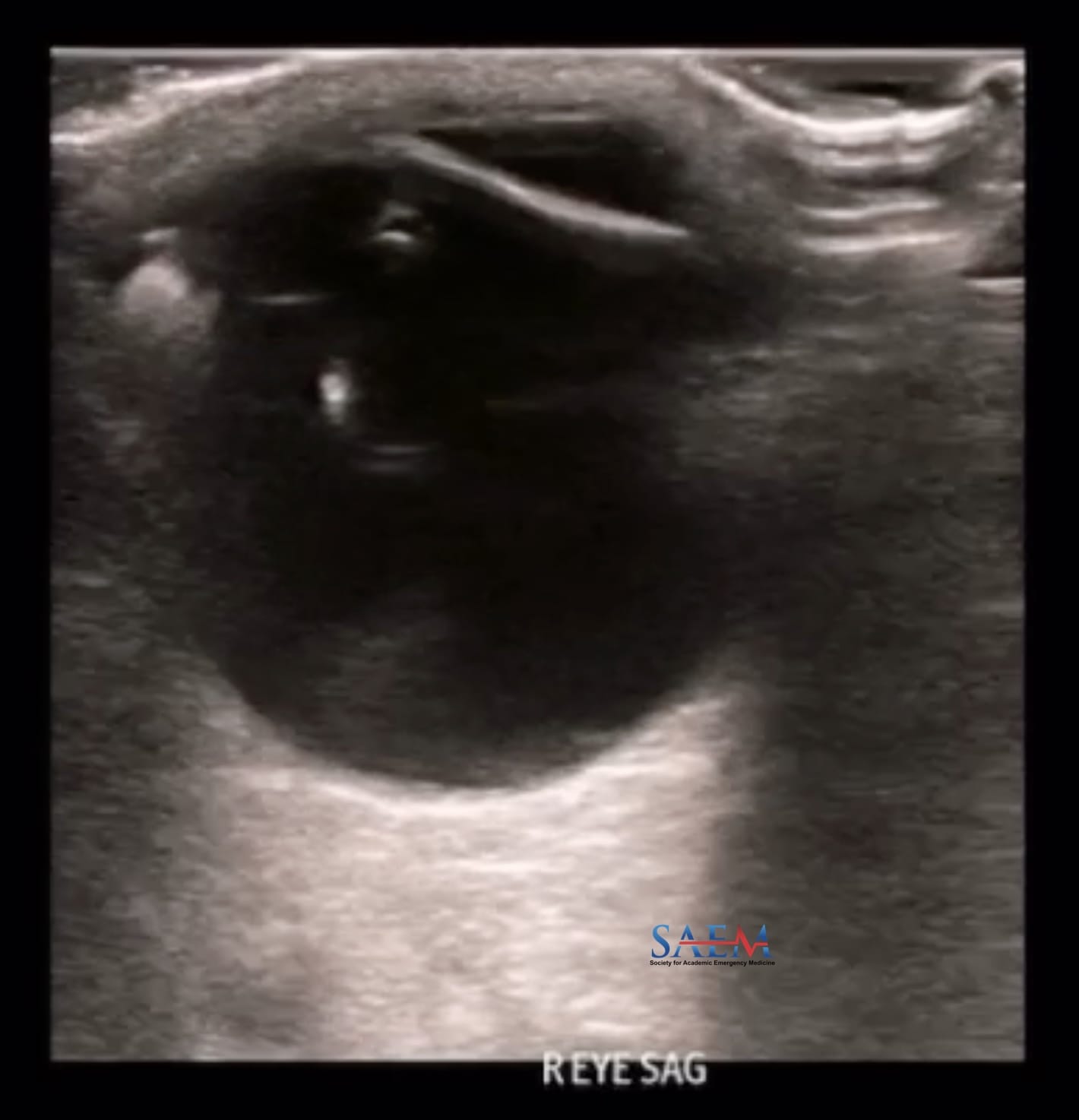
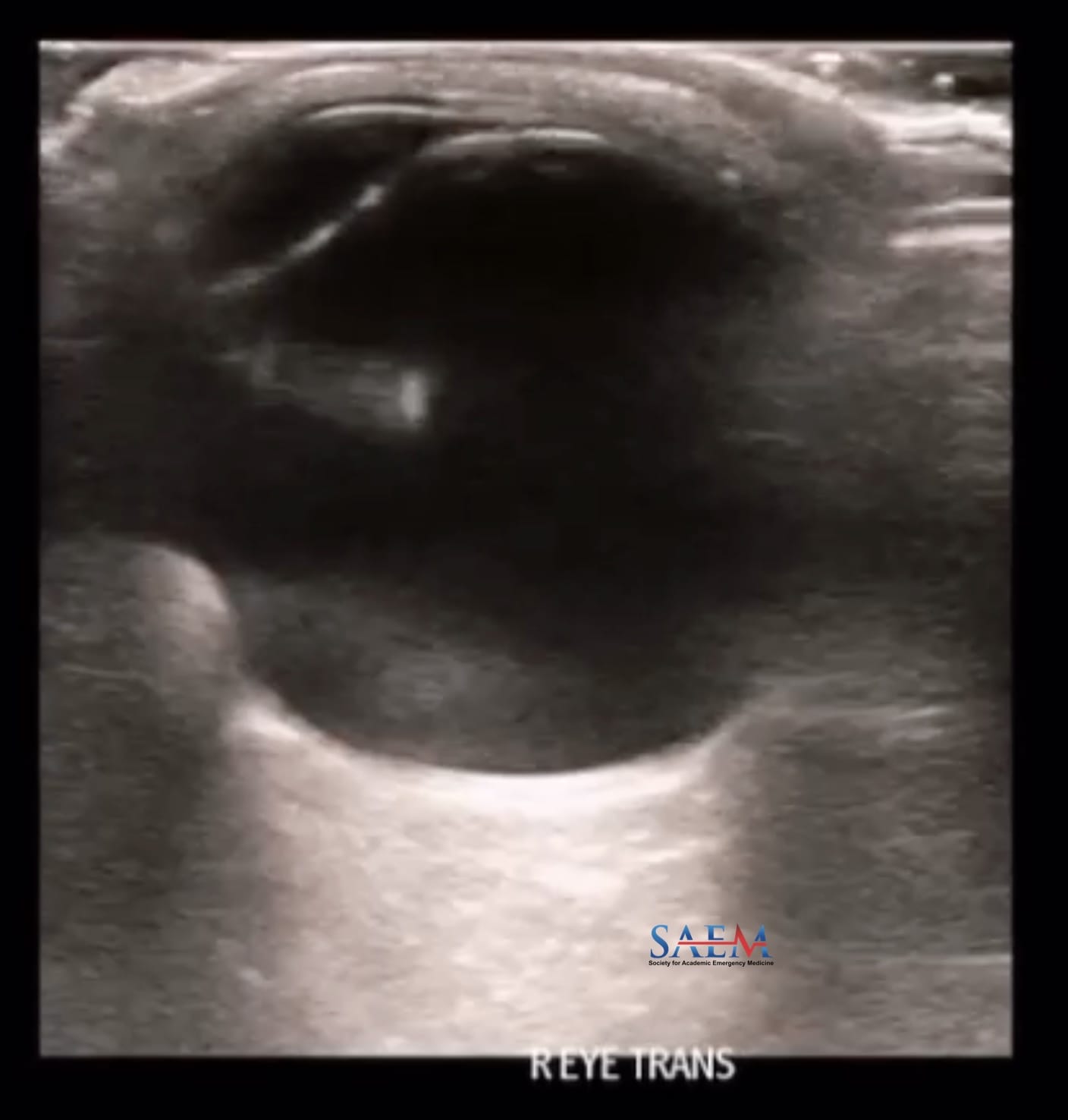
A 55-year-old female presented with the complaint of “my right eye popped out.” Symptoms started approximately seven hours prior to arrival and progressive, severe pain eventually prompted her visit to the ED. This happened once 10 years ago, requiring reduction in the ED. The patient denied preceding trauma, rubbing her eyes/eye-lids, or any history of thyroid disease. She endorsed right eye blurred vision and severe pain.

Vitals: HR 86; RR 16; SpO2 97% on room air; BP 179/111

General: Appears uncomfortable

Head: Atraumatic

Ocular:

OD: globe luxation with severe injection and chemosis. Severe corneal dryness. Pupil appears 3mm, minimally reactive, though poor view of pupil secondary to exposure keratopathy. Upper and lower lids inverted beneath globe. IOP 21. Unable to assess extraocular movements

OS: appears grossly normal. Pupil 3mm and reactive. Full extraocular movements.

Thyroid stimulating hormone and thyroxine within normal limits.

Spontaneous globe luxation (SGL). Luxation of the globe is characterized by the anterior displacement of the globe beyond the orbital rim [1], as seen in photo one. Though SGL is a rare condition, risk factors include proptosis, shallow orbits, or space-invading retrobulbar lesions [2]. Case study reports have also indicated trauma and frequent eyelid manipulation as causes of globe luxation [1].

After assuring adequate anxiolysis and analgesia with IV medications and tetracaine eye drops, the patient should be placed in a supine position. To reduce the globe, the eyelids should be extracted from behind the globe and retracted outwards while direct and even pressure is applied to the globe with damp gauze. For our patient, a lateral tarsorrhaphy was performed by ophthalmology at the bedside given severe keratopahy, lagopthalmos (as seen in photo two), and re-subluxation with Valsalva. Given the unknown etiology of the luxation, thyroid laboratory testing and orbit computed tomography were performed, which were unremarkable. The patient was discharged from the emergency department with tobradex ointment and ophthalmology follow-up in one week

Take-Home Points

  • Immediate reduction of a luxed globe is paramount.

  • Consider topical anesthetic drops and IV analgesia and/or anxiolytics to help assist with patient discomfort and dry eye.

  • Consider labs and imaging to assess for any underlying etiology of spontaneous globe luxation.

  • Kelly, E.W. and Fitch, M.T. (2013) Recurrent Spontaneous Globe Subluxation: A Case Report and Review of Manual Reduction Techniques. Available at: https://www.sciencedirect.com/science/article/abs/pii/S0736467911011462 (Accessed: 04 January 2024).

  • Yadete, T. et al. (2021) Spontaneous globe subluxation: A case report and review of the literature – international journal of emergency medicine, BioMed Central. Available at: https://intjem.biomedcentral.com/articles/10.1186/s12245-021-00398-x (Accessed: 04 January 2024).

By |2025-01-06T21:18:46-08:00Jan 13, 2025|Ophthalmology, SAEM Clinical Images|

SAEM Clinical Images Series: A Curious Case of Anisocoria

anisicoria

A 3-month-old male with no past medical history was brought to the emergency department for evaluation of newly asymmetric pupils. The infant appeared to be asymptomatic per parents, without any behavior changes or associated symptoms noted. The patient’s mother noticed her son’s left pupil was dilated and unresponsive to light the morning of presentation. The father had applied a prescription antiperspirant containing glycopyrronium to his axillae the previous evening but denied any known exposure to the infant.

Vitals: BP 85/66; HR 143; RR 42; SpO2 100%; T 98.3°F

Constitutional: No distress, well appearing.

HENT: Left pupil fixed and dilated to 7 mm in the light and the dark; right pupil 2 mm and reactive in the light, 5 mm in the dark. EOM intact bilaterally. No stigmata of trauma. Normal TMs bilaterally.

Neck: Normal range of motion.

Cardiovascular: Normal rate, regular rhythm and normal heart sounds.

Pulmonary: Breath sounds normal, no respiratory distress.

Abdominal: Soft, nontender, nondistended.

Neurological: Alert. Moving all 4 extremities spontaneously. Normal muscle tone. Normal suck and Moro reflexes.

Skin: Normal. No piloerection or sweating. No bruising or lesions.

No labs drawn. Head CT was obtained, which showed no acute intracranial pathology.

Ophthalmology consultation was sought, and an ophthalmologic exam demonstrated unremarkable slit lamp and fundal exams, with no afferent pupillary defect by reverse. The patient’s anisocoria was ultimately attributed to inadvertent glycopyrronium exposure from his father’s prescription antiperspirant, Qbrexza. The patient’s father later noted that he cradled the patient against his chest after applying the antiperspirant, and was not wearing a shirt at the time

Pilocarpine, a cholinergic antagonist that stimulates pupillary constriction, can be used to test mydriatic pupils. Pilocarpine drops will not reverse pharmacologically-induced anisocoria (1). Conversely, it will correct mydriasis caused by tonic pupil or third nerve palsy (2). In our patient’s case, pilocarpine administration did not result in pupillary constriction, supporting the diagnosis of drug-induced anisocoria.

Take-Home Points

  • Evaluation of acute anisocoria in the pediatric population can be challenging due to its wide range of potential etiologies including traumatic, neurologic, inflammatory, and pharmacologic causes. Though most commonly physiologic, anisocoria may represent a pediatric emergency due to the potential for underlying trauma or neurovascular compromise and thus a thorough neurologic exam and history is crucial (1, 20).

  • Inadvertent exposure to drugs such as glycopyrronium, a topical antiperspirant with anticholinergic properties, has been implicated in the pathogenesis of anisocoria in both adult and pediatric patients via inhibition of acetylcholine at the pupillary sphincter muscle (3-13). Other documented pharmacological causes of anisocoria include nebulized ipratropium bromide and scopolamine (14-19).

  • EM Clinicians should consider exposure-related anisocoria in the differential diagnosis of infant patients with acutely asymmetric pupils. In the absence of concerning neurologic findings, identification of potential drug exposures may help to minimize unnecessary testing and radiation exposure, sparing certain patients from time-intensive and costly interventions.

  • 1. Falardeau J. Anisocoria. Int Ophthalmol Clin. 2019;59(3):125-39.

  • 2. Payne WN, Blair K, Barrett MJ. Anisocoria. StatPearls. Treasure Island (FL): StatPearls Publishing Copyright © 2023, StatPearls Publishing LLC.; 2023.

  • 3. Pecha JD, Yen KG, Moisiuc A, et al. Anisocoria secondary to antiperspirant wipes in a pediatric population: a case series. J aapos. 2022;26(1):42-3.

  • 4. Chabicovsky M, Winkler S, Soeberdt M, et al. Pharmacology, toxicology and clinical safety of glycopyrrolate. Toxicol Appl Pharmacol. 2019;370:154-69.

  • 5. Coleman MJ, Tomsak RL. A 15-year-old girl with variable anisocoria. Digit J Ophthalmol. 2014;20(1):13-4.

  • 6. Micieli R, Micieli JA. Dilated Pupil in a Patient With Hyperhidrosis. JAMA. 2019;322(3):264-5.

  • 7. Radotra A, Baneke A, Paul B. Mydriasis secondary to use of glycopyrrolate cream. Br J Hosp Med (Lond). 2019;80(12):736.

  • 8. Pashaei-Marandi A, Assam JH, Arnold A, et al. Reversible anisocoria due to inadvertent ocular exposure to topical anticholinergic treatment for primary axillary hyperhidrosis. Can J Ophthalmol. 2019;54(6):e300-e2.

  • 9. Siscos SM, Figenshau K, Rajpara A. Use of gloves when applying topical glycopyrronium for treatment of primary axillary hyperhidrosis. J Am Acad Dermatol. 2020;83(4):e275.

  • 10. Kaufman AR, Gulati S, Curnyn KM. Pharmacologic anisocoria secondary to topical glycopyrronium for axillary hyperhidrosis: an emerging clinical presentation. Can J Ophthalmol. 2020;55(5):464.

  • 11. Al-Holou SN, Lipsky SN, Wasserman BN. Don’t Sweat the Blown Pupil: Anisocoria in Patients Using Qbrexza. Ophthalmology. 2020;127(10):1381.

  • 12. Kaufman AR, Gulati S, Pula JH, et al. Pharmacologic Mydriasis Secondary to Topical Glycopyrronium Tosylate Cloths: Clinical Characterization From a Multicenter Analysis. J Neuroophthalmol. 2022;42(4):530-4.

  • 13. Sandhu M, Eisenstein K. Mydriasis and anisocoria in a pediatric hyperhidrosis patient with interesting findings in the family cat. Pediatr Dermatol. 2023;40(1):210-1.

  • 14. Derinoz-Guleryuz O, Fidanci İ, Men-Atmaca Y. Nebulized Ipratropium Bromide-induced Anisocoria: Why Is Anisocoria Observed?. Iran J Allergy Asthma Immunol. 2021;20(1):125-128.

  • 15. Kokulu K, Öner H, Özen C, Eroğlu SE, Altunok İ, Akça HŞ. Pharmacologic anisocoria due to nebulized ipratropium bromide: A diagnostic challenge. Am J Emerg Med. 2019;37(6):1217.e3-1217.e4.

  • 16. Pejic R, Klaric B. Transient anisocoria in a patient treated with nebulized ipratropium bromide. Am J Ophthalmol Case Rep. 2017;7:11-13. Published 2017 Apr 12.

  • 17. Thiele EA, Riviello JJ. Scopolamine patchinduced unilateral mydriasis. Pediatrics. 1995;96(3 Pt 1):525.

  • 18. Rodor F, Cottin C, Jouglard J. Transdermal scopolamine and mydriasis. Therapie. 1989;44(6):447-448.

  • 19. Rubin MM, Sadoff RS, Cozzi GM. Unilateral mydriasis caused by transdermal scopolamine. Oral Surg Oral Med Oral Pathol. 1990;70(5):569-570.

  • 20. Gross JR, McClelland CM, Lee MS. An approach to anisocoria. Curr Opin Ophthalmol. 2016;27(6):486-492.

SAEM Clinical Images Series: Xylazine Wounds

A 32 year-old male with PMH significant for opioid use disorder, a prior admission in 2021 for left-sided empyema s/p thoracotomy and decortication, gas bacteremia, and tricuspid endocarditis presented for a left leg wound. The patient reported a wound to his left leg that had become larger over the past 5 months. The pain worsened today, prompting him to come to the emergency department for evaluation. His mother, who was at his bedside, reported that the same type of wound occurred on his right arm “many months ago” and resulted in his arm “falling off”. He injects heroin into his leg and denies licking his needles. He reported intermittent subjective fevers for the few days prior to presentation. He last used heroin 2 hours prior to arrival.

General: Patient appears very pale, cachectic, chronically ill.

HEENT: Mucus membranes dry.

Extremity: Right arm with exposed bone, wet gangrene noted to stump. Left calf with large wound, exposed muscle, and tendon noted. Movement of numerous maggots also noted throughout wound site. Patient unable to move leg secondary to pain.

CBC: Hgb 2.74 (compared to baseline of 9.0); WBC count 17.39

BMP: Na 126; K+ 5.9; Cr 2.7 (up from 0.69)

ESR: >100

CRP: 15.94

No, xylazine is a non-narcotic drug and is not an opioid, thus, Narcan will not specifically reverse acute xylazine intoxication. However, fentanyl is the most common drug combined with xylazine. Thus, Narcan is reasonable to administer in the setting of a suspected overdose since the patient’s presentation can be due to combined use.

Xylazine, commonly known as “tranq”, is causing an emerging public health concern that is not only associated with severe respiratory and central nervous system depression but as illustrated by this case, is infamous for disfiguring and life-threatening skin ulcers. Xylazine is a non-narcotic drug mainly utilized for sedation, pain relief, and muscle relaxation in veterinary medicine. In more recent human use, it can be injected into muscles and veins, insufflated, ingested, or smoked. It has a large volume of distribution due to its lipophilicity and is rapidly concentrated in the CNS and kidney, with an elimination half-life of approximately 23-50 minutes.

In regard to treating resulting wounds, antibiotic coverage for secondary infection of xylazine wounds must cover MRSA and coverage for group A streptococci should also be considered.

For managing xylazine withdrawal symptoms, the Philadelphia Department of Public Health’s most recent recommendations include replacement therapy with alpha-2-adrenergic agonists such as clonidine, dexmedetomidine, tizanidine, or guanfacine paired with symptom management for pain using short-acting opioids, ketamine, gabapentin, ketorolac, acetaminophen, or NSAIDs.

Take-Home Points

  • When treating xylazine wounds, assess for potential secondary infection including necrotizing fasciitis.

  • Use medications such as clonidine (alpha 2 receptor agonists) to manage symptoms of withdrawal, along with symptom management agents like short-acting opioids, ketamine, and NSAIDs.

  • Papudesi, Bhavani Nagendra, et al. Xylazine Toxicity – Statpearls – NCBI Bookshelf, www.ncbi.nlm.nih.gov/books/NBK594271/. Accessed 14 Dec. 2023.

Go to Top