SAEM Clinical Images Series: What’s Coming Out of Your Eye?

open globe

A 32-year-old male with no significant past medical history presented to the emergency department (ED) from an outside hospital for further management of right eye pain and vision loss sustained after he was struck by a metal wire while at work. The patient presented to an outside “eye doctor” and was told to go to the nearest hospital for evaluation. At the outside hospital, he was given analgesia, antiemetics, and a tetanus booster, and transferred to our hospital for ophthalmologic evaluation. On arrival to our emergency department, the patient expressed continued eye pain with bloody discharge as well as blurry vision from his right eye. He had no other complaints and denied any other trauma or loss of consciousness during the event.

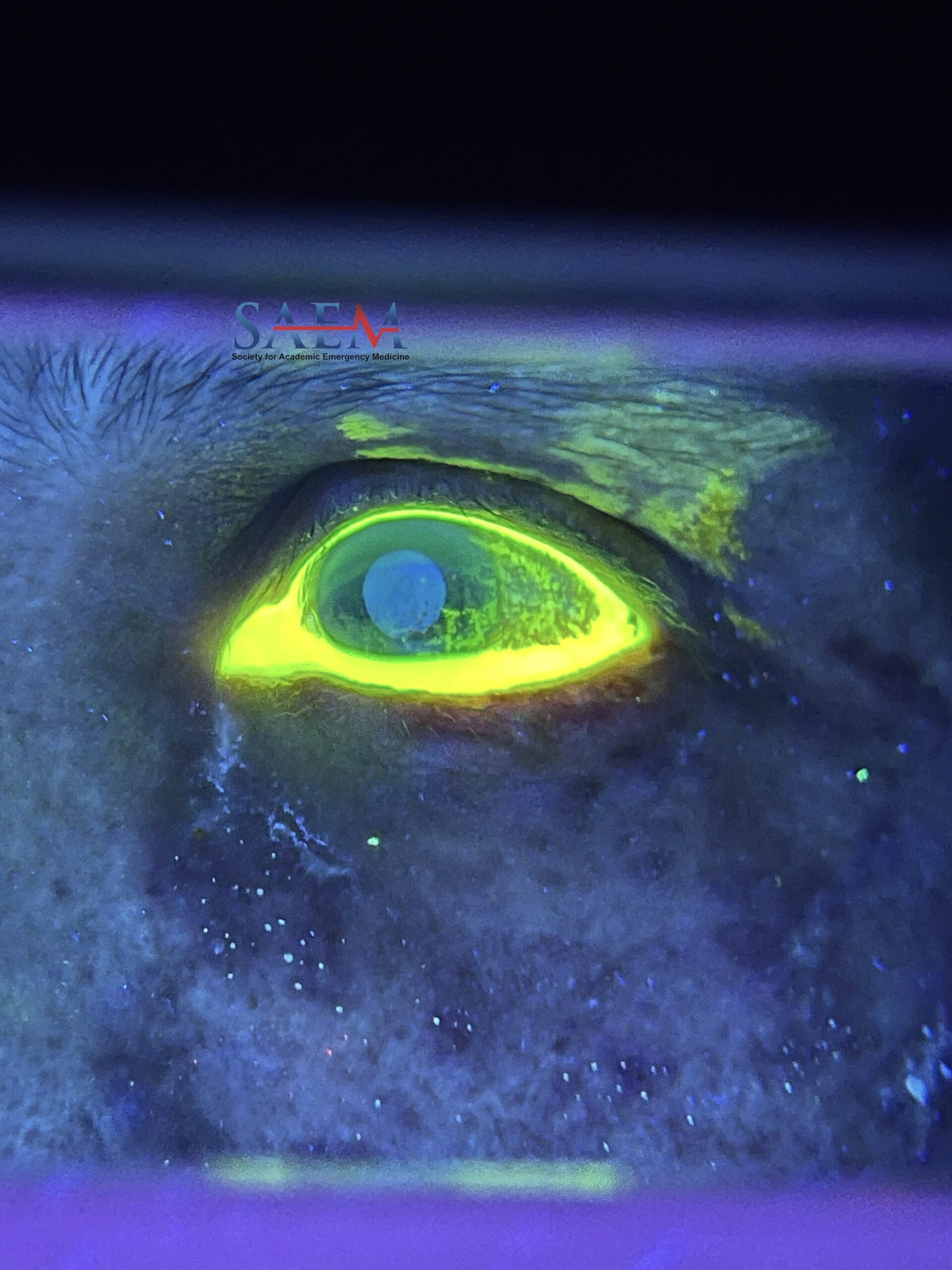
Right Eye: 12 mm corneoscleral laceration with superior iris prolapse through the laceration at the 12 o’clock position, approximately 6 mm in length. Pupil 3 mm, teardrop shaped, and reactive without relative afferent pupillary defect. Seidel test positive on fluorescein stain. Conjunctival injection superiorly. Visual acuity: able to count fingers. Extraocular movements intact. Ocular pressure deferred. 1 mm superior eyelid laceration.

CT Orbits/Sella w/ IV Contrast: No acute orbital fracture. No evidence of retrobulbar hematoma or emphysema. Intraconal and extraconal fat planes are preserved. Extraocular muscles are symmetric and normal in position. The globes are grossly unremarkable. Absent right lens.

Open Globe Injury

In the photo, you can see the teardrop shape of the pupil, conjunctival injection, corneal laceration, and superior iris prolapse.

Tonometry and ocular ultrasound (US) are generally not recommended as you could squeeze more liquid out of the eye or increase the intraocular pressure even more, pushing the iris further out. An emergent ophthalmology consult is needed to plan for operative repair. The patient should be given an eye shield, IV antibiotics, and tetanus prophylaxis. Avoid increasing intraocular pressure by using anti-emetics, analgesia, and bed elevation. Recommended antibiotics are vancomycin and a third-generation cephalosporin to prevent endophthalmitis. Postoperatively, these patients need IV antibiotics x 48 hours, steroid eye drops, antibiotic ointment, an eyepatch, and recommendations for no heavy lifting, bending, or strenuous activity, and head of bed should be elevated at 45 degrees.

Take-Home Points

  • Open globe injuries present as eye pain, vision loss, teardrop pupil, afferent pupillary defect, and a corneal laceration.
  • Avoid ocular US or tonometry in these patients as these could increase intraocular pressure further and worsen the injury.
  • Management includes an eye shield, head of bed elevation, avoiding ocular manipulation, analgesia, and antiemetics. Update tetanus and start IV antibiotics – vancomycin and a third-generation cephalosporin. Consult ophthalmology emergently.
  • Open globe injury: Assessment and preoperative management. American Academy of Ophthalmology. (2023, March 23). https://www.aao.org/eyenet/article/open- globe-injury
  • Ahmed Y, Schimel AM, Pathengay A, Colyer MH, Flynn HW Jr. Endophthalmitis following open-globe injuries. Eye (Lond). 2012 Feb;26(2):212-7. doi: 10.1038/eye.2011.313. Epub 2011 Dec 2. PMID: 22134598; PMCID: PMC3272210.

By |2024-09-06T22:03:57-07:00Sep 13, 2024|Ophthalmology, SAEM Clinical Images|

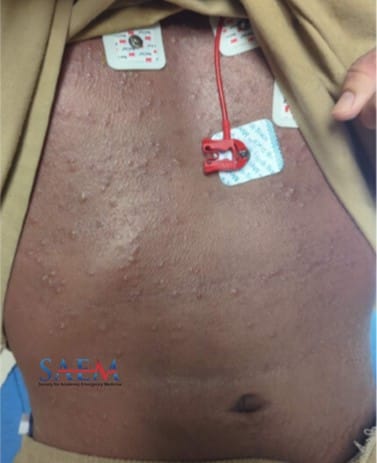
SAEM Clinical Images Series: An Unusual Foreign Body

vp shunt

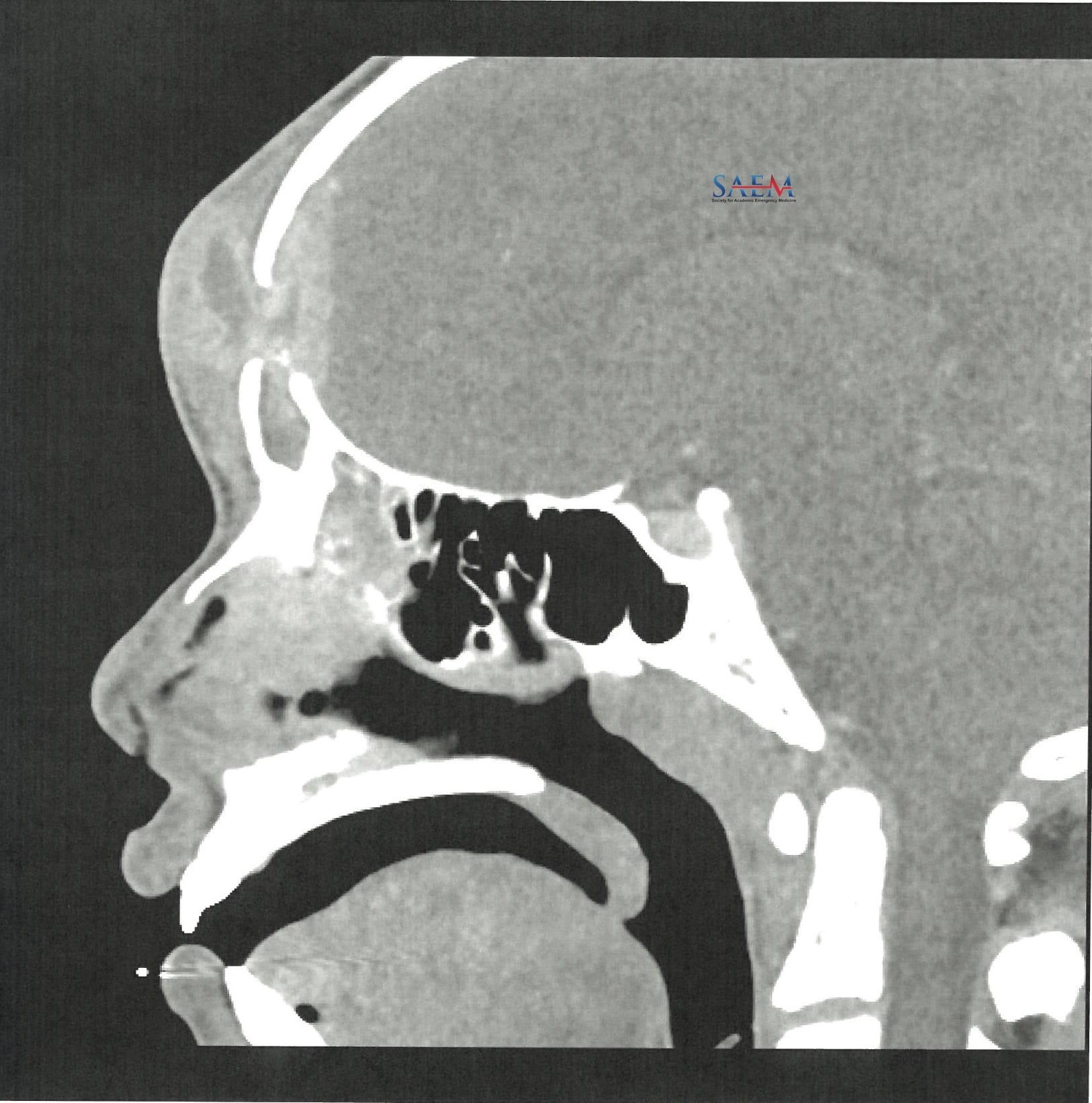
A 61-year-old female with a past medical history of hypertension, hyperlipidemia, type 2 diabetes, and normal pressure hydrocephalus s/p VP shunt (last revision nine months ago) presented to the Emergency Department (ED) for evaluation after noticing a “string” coming out of her anus today. Associated symptoms included nausea and a mild headache for one day, and one episode of vomiting prior to arrival. The patient denied abdominal pain, dizziness, fever, chills, diarrhea, and constipation. She had no other complaints on a complete review of systems. Past surgical history was significant for laparoscopic ventral hernia repair with mesh and lysis of adhesions (three years ago), as well as prior appendectomy, cholecystectomy, c-section, and right nephrectomy.

Vitals: Temp 98.4°F (36.9°C); BP 110/56; HR 64; RR 16; SpO2 100%

General: No acute distress, well appearing.

Neck: Supple, non-tender, no meningismus, full and painless range of motion.

Abdomen: Soft, nontender, nondistended. No peritoneal signs.

Neuro: Awake, alert and oriented x3, no focal neurologic deficits.

Rectum: Narrow lumen tube-like structure protruding from anus. Soft stool present at anus with no blood or melena. Non-tender rectal exam.

Complete Blood Count (CBC): No leukocytosis, no anemia

Comprehensive Metabolic Panel (CMP): Within normal limits

Ventriculoperitoneal shunt erosion into the intestinal tract

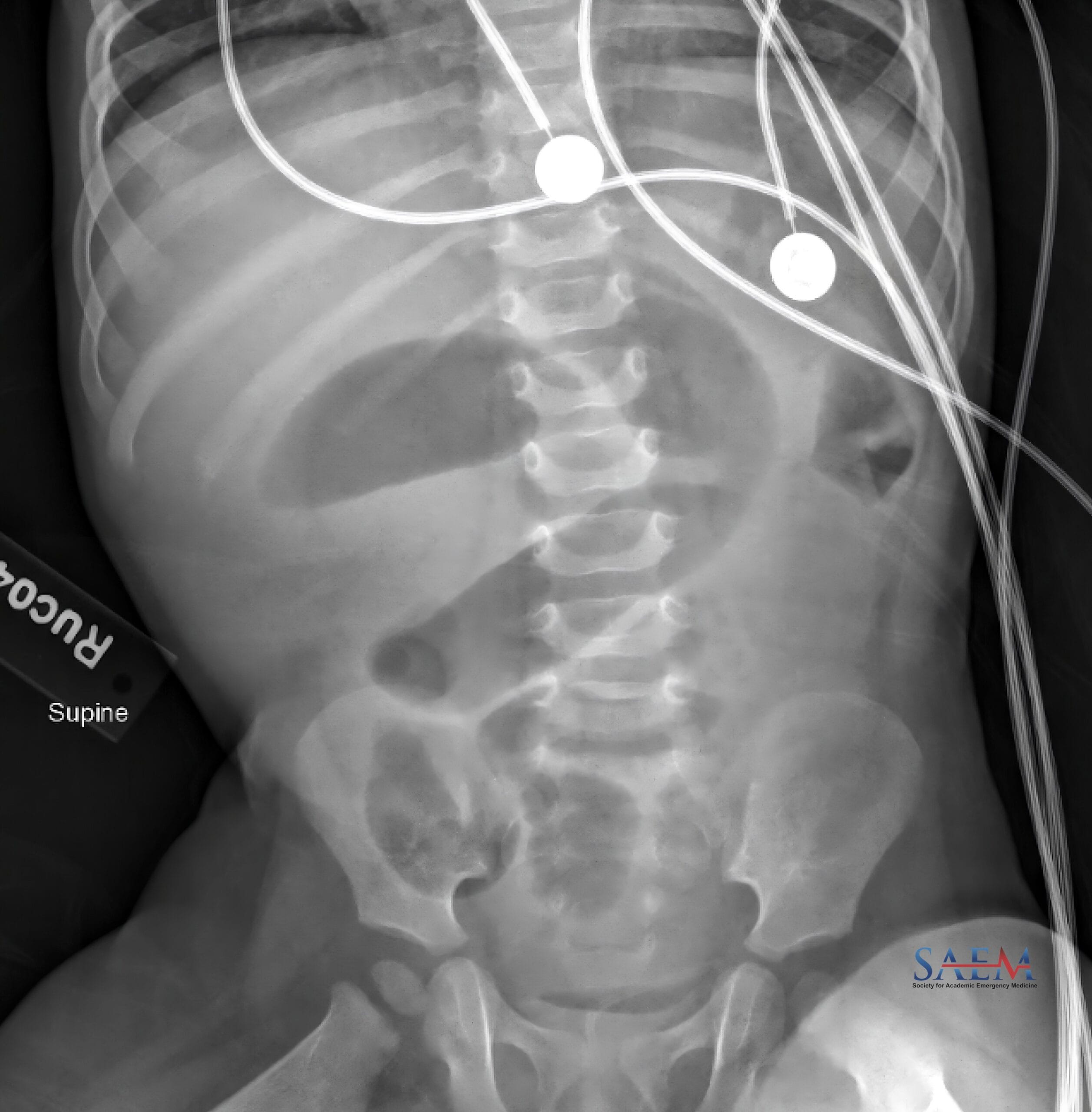
Diagnosis can be established with abdominal imaging including VP Shuntogram X-ray series. A CT abdomen/pelvis would also be confirmatory imaging while assisting in ruling out other intra-abdominal complications such as bowel perforation, abscesses or other diseases.

Broad-spectrum empiric antibiotics with CNS coverage should be started for treatment of presumed intra-abdominal, bloodstream, and/or CNS infection. General surgery and neurosurgery should be consulted emergently for evaluation. Bloodwork and a full infectious workup including blood cultures should be done. CSF cultures should be considered as well, in consultation with a neurosurgeon. Patients are at high risk of bacterial spread to the abdomen or retrograde spread up the ventriculoperitoneal shunt leading to peritonitis, peritoneal abscess, ventriculitis, meningitis, or sepsis. Further indicated invasive/surgical interventions should be deferred to general surgery and neurosurgery consultants. Our patient had a confirmatory CT abdomen/pelvis showing the VP shunt catheter perforation into the sigmoid colon and exiting through the rectum. The patient was started on vancomycin, cefepime, and flagyl. General surgery and neurosurgery were consulted and the patient was taken the same day to the OR for laparoscopy and externalization of VP shunt from bowel.

Take-Home Points

  • Bowel perforation is a rare but serious complication of ventriculoperitoneal shunts.
  • Diagnosis should be considered even in patients who present with no meningeal or peritonitic signs.
  • Imaging should be obtained to confirm diagnosis, and broad-spectrum antibiotics with CNS coverage should be started early.
  • General surgery and neurosurgery should be consulted emergently for further operative interventions.

  • Paff, M, Alexandru-Abrams, D, Muhonen, M, Loudon, W. (2018). Ventriculoperitoneal shunt complications: A review. Interdisciplinary Neurosurgery, 13, 66-70.
  • Bales J, Morton RP, Airhart N, Flum D, Avellino AM. Transanal presentation of a distal ventriculoperitoneal shunt catheter: Management of bowel perforation without laparotomy. Surg Neurol Int. 2016 Dec 28;7(Suppl 44):S1150-S1153. doi: 10.4103/2152-7806.196930. PMID: 28194303; PMCID: PMC5299151.

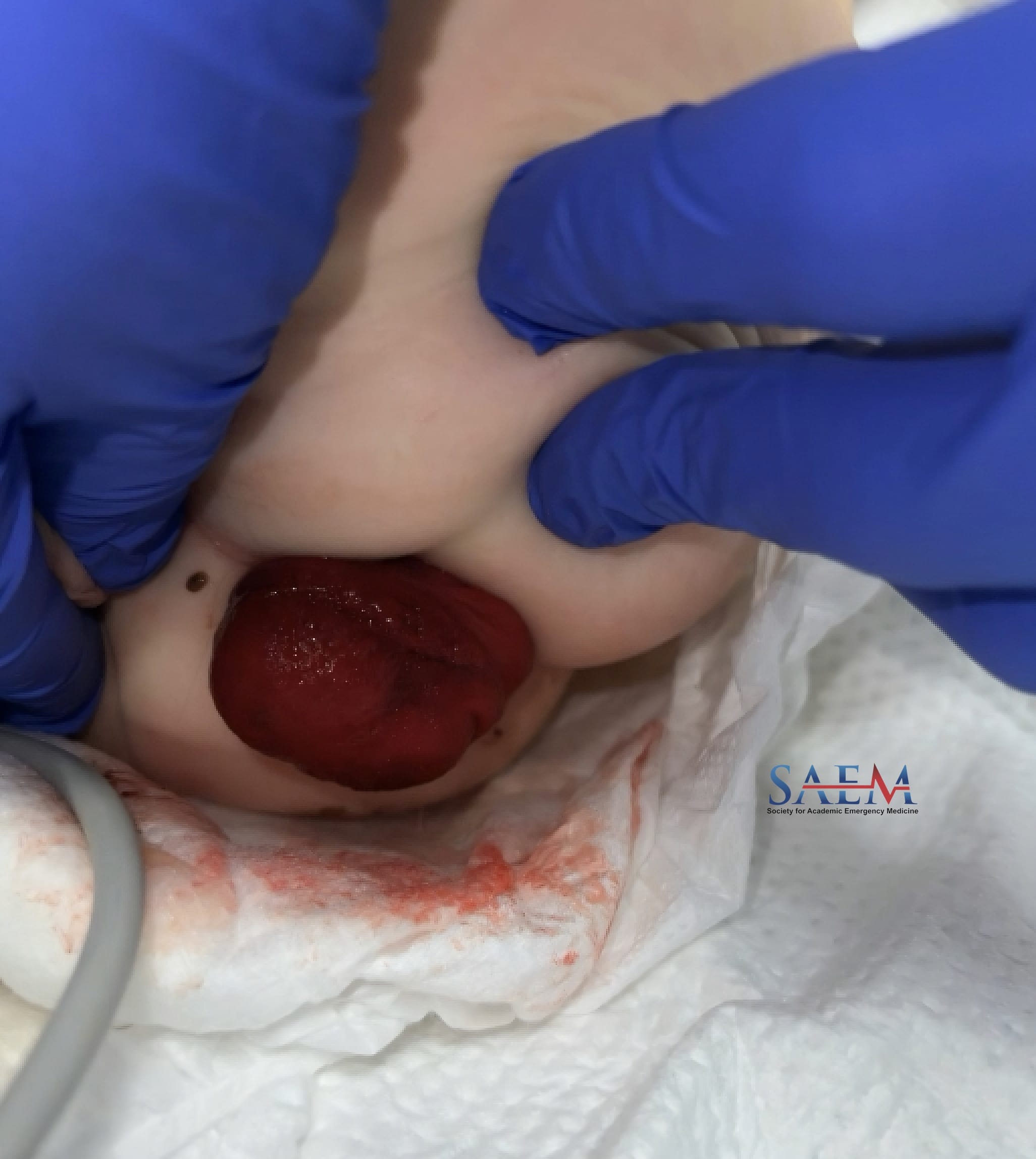
SAEM Clinical Images Series: Pediatric Neck Mass

neck mass

A 5-year-old female presented to the emergency department (ED) with a one-year history of gradually increasing anterior neck swelling. The patient had no significant past medical history. She also endorsed three weeks of cough and congestion, and one day of muffled voice. She denied difficulty swallowing, fatigue, cold intolerance, or hair and nail changes.

Vitals: BP 87/62; Pulse 80; Temp 36°C (96.8°F); Resp 21; SpO2 99%

Constitutional: No distress. Able to speak in full sentences

HEENT: Normocephalic and atraumatic. Right Ear: External ear normal. Left Ear: External ear normal. Congestion present. Mucous membranes are moist. Tonsils 4+ bilaterally with no exudate.

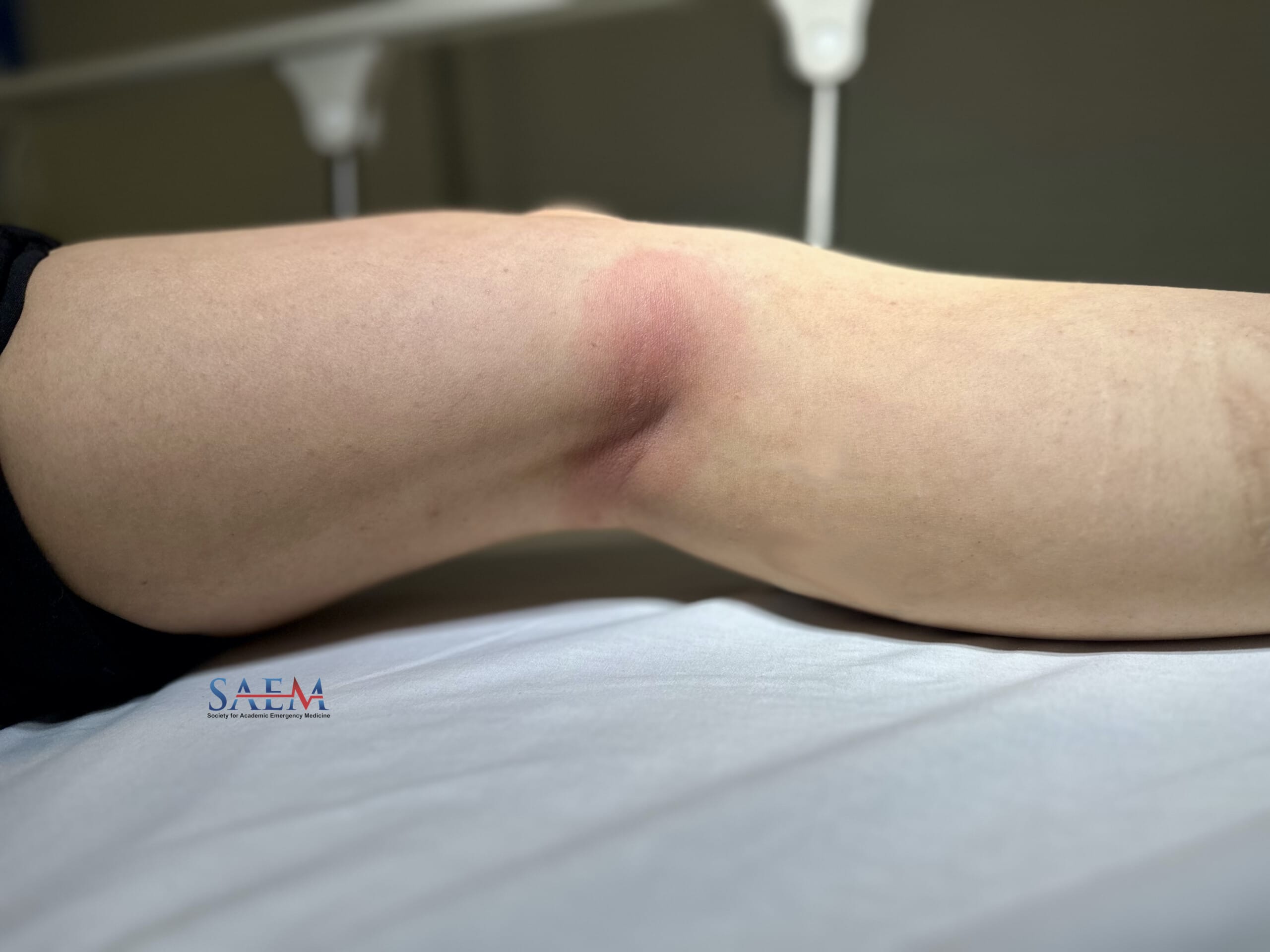
Neck: Approximately 3 cm x 4 cm mass on the anterior neck that does not move on protrusion of the tongue. Mass is midline and inferior to the laryngeal prominence. No associated erythema, tenderness to palpation, or drainage. No enlarged surrounding lymph nodes on palpation.

Cardiovascular: Normal rate, regular rhythm, and normal heart sounds.

Pulmonary: Breath sounds normal, no stridor, no respiratory distress, no decreased breath sounds, and no wheezes.

Abdominal: Soft. No distention or tenderness.

Neurological: Alert and normal muscle tone.

Thyroid stimulating hormone (TSH): > 100 (ref 0.50 – 4.50 MCU/ML).

Free T4: 0.5 (ref 0.8-2.0 NG/DL)

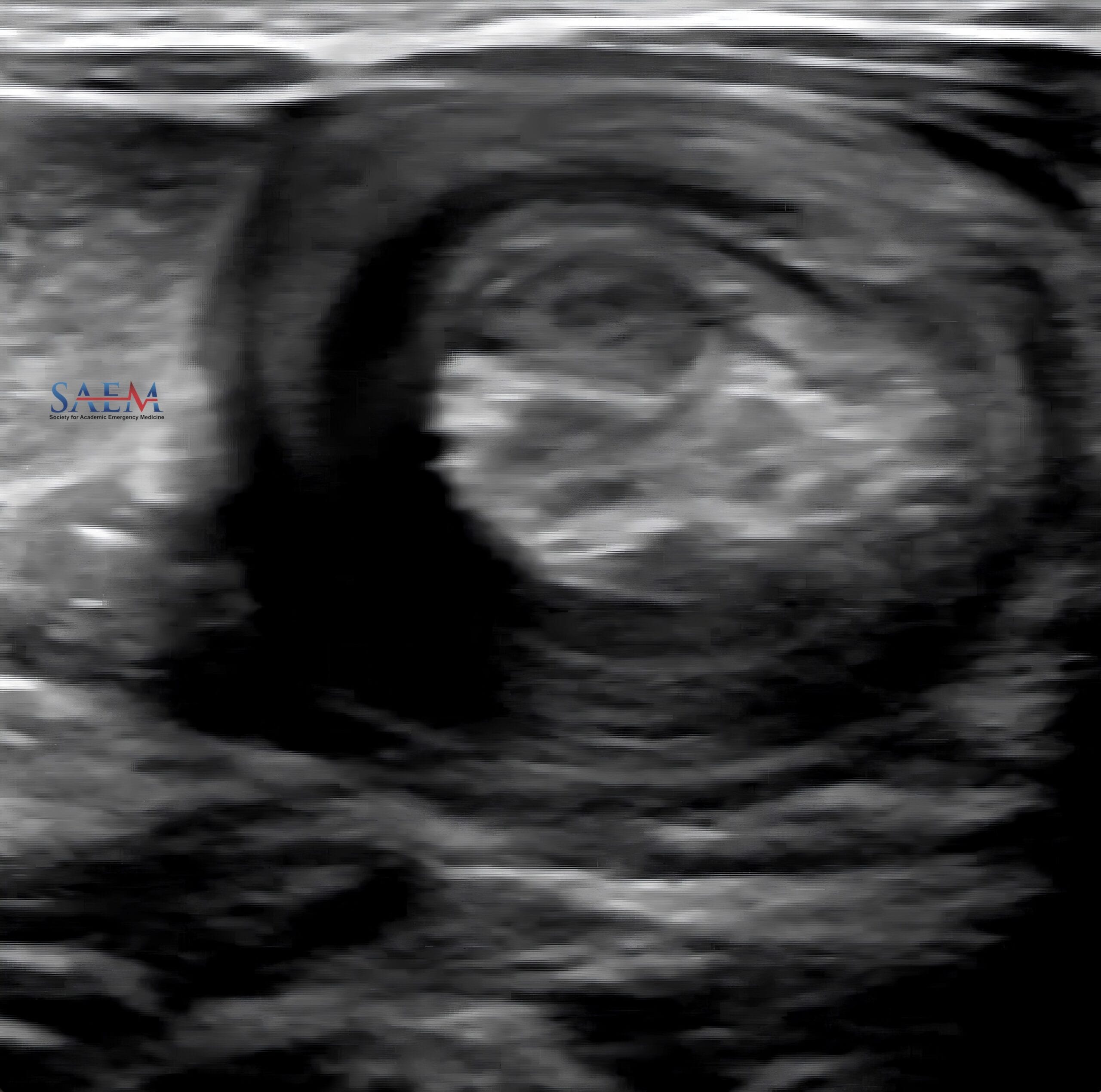
Ultrasound of the neck revealed an enlarged thyroid gland with lobular contours and diffuse hypoechoic echogenicity, without noticeable nodules, fluid collection, or lymphadenopathy.

Differential diagnosis of a neck mass in a pediatric patient includes branchial cleft cyst, thyroglossal duct cyst, cystic hygroma, laryngocele, dermoid cyst, teratoma, thymic cyst, hemangioma, ranula (mucocele), thyroid mass, enlarged lymph node, lymphoma, rhabdomycosarcoma, neuroblastoma, and melanoma [1]. When evaluating a neck mass, reviewing whether the mass is congenital vs acquired and midline vs lateral will help with narrowing down the differential diagnosis. The photo reveals a prominent anterior lower neck mass with the outline of right lobe of the thyroid gland clearly visible.

The patient was diagnosed with hypothyroidism with goiter, likely Hashimoto’s thyroiditis. She was discharged from the ED on levothyroxine 25 mcg daily with endocrinology outpatient follow-up. Levothyroxine monotherapy is the standard of care in hypothyroidism management [2]. Thyroid peroxidase and thyroglobulin antibodies were found to be positive on subsequent labwork, which confirmed diagnosis.

Take-Home Points

  • Enlarged goiter in the setting of hypothyroidism should be considered in a pediatric patient with a midline lower neck mass.
  • When suspecting hypothyroidism, thyroid stimulating hormone (TSH) and free T4 should be included in the evaluation. An ultrasound and thyroid antibodies may also be helpful to confirm diagnosis.

  • Geddes G, Butterly MM, Patel SM, Marra S. Pediatric neck masses. Pediatr Rev. 2013 Mar;34(3):115-24; quiz 125. doi: 10.1542/pir.34-3-115. PMID: 23457198.
  • Jonklaas J, Bianco AC, Bauer AJ, Burman KD, Cappola AR, Celi FS, Cooper DS, Kim BW, Peeters RP, Rosenthal MS, Sawka AM; American Thyroid Association Task Force on Thyroid Hormone Replacement. Guidelines for the treatment of hypothyroidism: prepared by the american thyroid association task force on thyroid hormone replacement. Thyroid. 2014 Dec;24(12):1670-751. doi: 10.1089/thy.2014.0028. PMID: 25266247; PMCID: PMC4267409.

SAEM Clinical Images Series: An Interesting Case of Ocular Trauma

ocular trauma

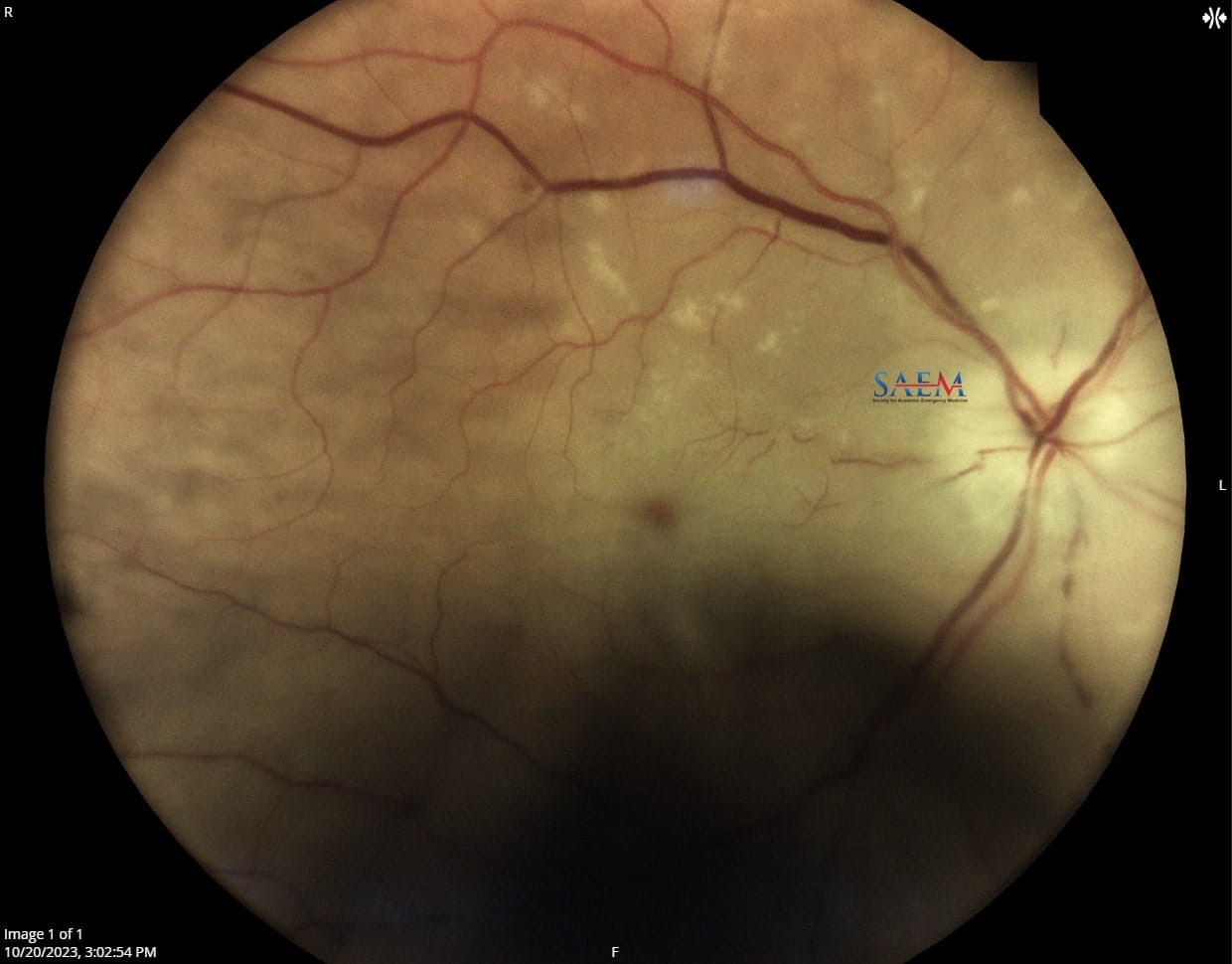
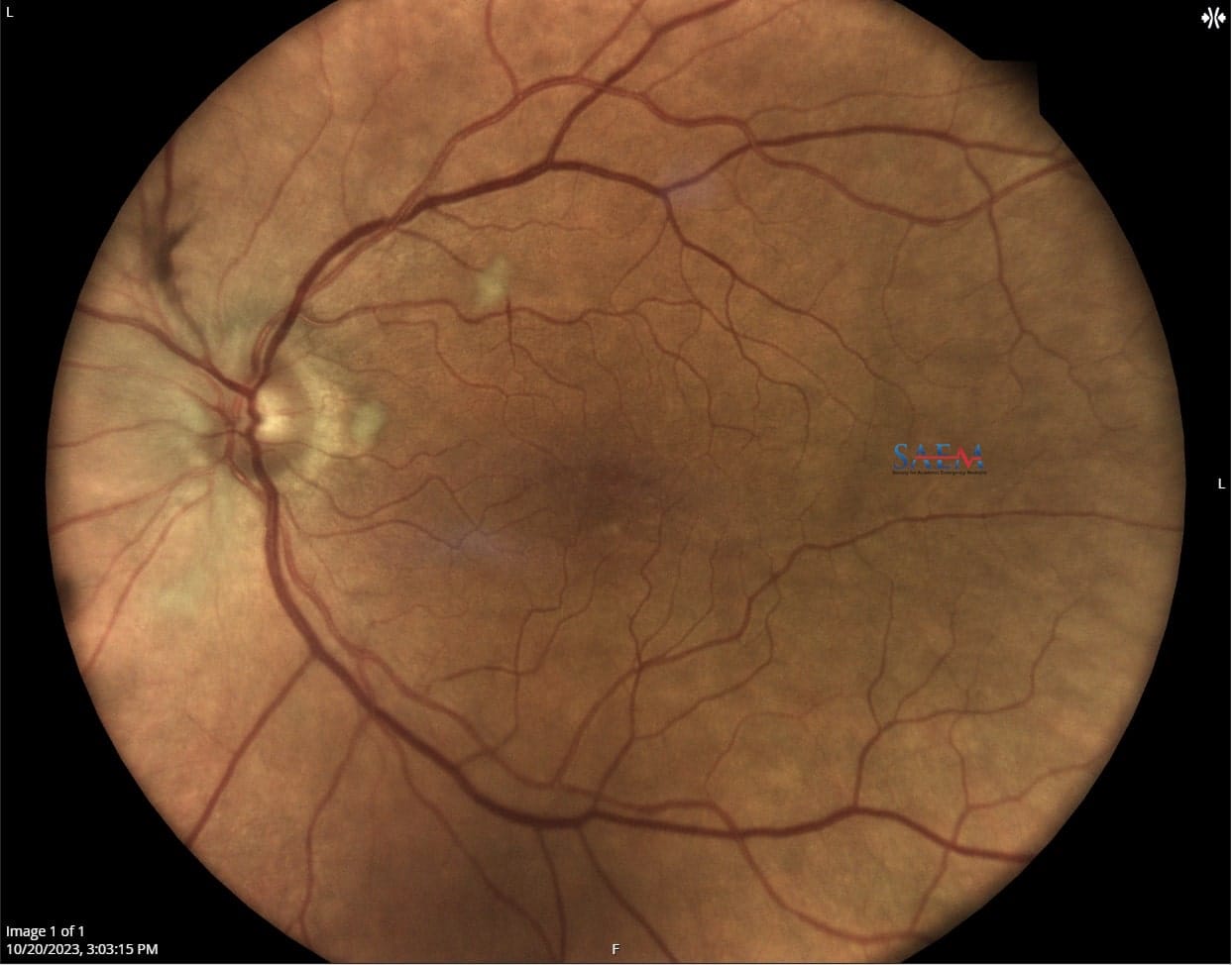
A 27-year-old male with no past medical history presents to the Emergency Department with right eye pain. He states that approximately one week prior, he was working on a wire fence when he lost hold of a wire under tension, and it subsequently hit him in his right eye. He had immediate pain in his affected eye and was unable to see anything but light for the next three days. His vision slowly improved though it never normalized. He continued to have pain, so he presented for evaluation. He also reported seeing floaters and denied pain with eye movement, increased light sensitivity, or eye discharge.

Eyes: Lids without injury. Visual acuity was 20/50 OD, 20/30 OS. Intact visual fields to finger confrontation. Extraocular muscle movements were intact and without pain. Right pupil was oval-shaped and reactive, and an evident defect at the iris from the 9 to 11 o’clock position was noted. On fluorescein stain, there was no uptake, with a negative Seidel sign. Tonometry was normal (13 OD, 12 OS). On slit lamp examination, the patient had a clear cornea, an appropriately deep anterior chamber with no hyphema or hypopyon, and 1+ mixed cells. The lens was clear, with no movement or vibration (phacodonesis) noted. A vitreous hemorrhage OD was also identified on bedside ultrasound.

Non-contributory

Iridodialysis

Traumatic iridodialysis is an uncommon ocular emergency with very distinct findings that we can encounter in the Emergency Department. It is most commonly seen with blunt trauma but can also occur with penetrating injury to the eye. This injury appears as a crescent-shaped defect at the peripheral area of the iris. Blunt trauma causes an acute globe compression, which temporarily increases intraocular pressure. This increased pressure is dissipated throughout the eye, leading to forceful fluid shifts that cause increased tension along the pupillary sphincter muscle. The weaker area of the sphincter muscle can subsequently tear, resulting in separation of the iris from the ciliary body.

Iridodialysis can be managed conservatively if it is asymptomatic and uncomplicated. Complicating factors, which include elevated intraocular pressures refractory to medical therapy, the presence of a large hyphema, rupture from blunt trauma, or the need for exploration secondary to penetrating trauma, require an Ophthalmology consult and may require emergent surgical repair.

Take-Home Points

  • Patients with iridodialysis are at risk for globe rupture, so a fluorescein exam must be performed prior to measuring intraocular pressure.
  • Ophthalmology should be consulted if the patient has complicating factors, which include elevated intraocular pressures refractory to medical therapy, the presence of a large hyphema, rupture from blunt trauma, or the need for exploration secondary to penetrating trauma.
  • Knoop, K. J., Knoop, K. J., & Stack, L. B. (n.d.). Chapter 2: Ophthalmic Conditions. In The Atlas of Emergency Medicine (p. 89). essay, McGraw-Hill Medical.
  • Pujari, A., Agarwal, D., Kumar Behera, A., Bhaskaran, K., & Sharma, N. (2019). Pathomechanism of iris sphincter tear. Medical hypotheses, 122, 147–149. https:// doi.org/10.1016/j.mehy.2018.11.013

By |2024-08-19T10:01:53-07:00Aug 26, 2024|Ophthalmology, SAEM Clinical Images|

ALiEM AIR Series | Immune Module (2024)


Welcome to the AIR Immune Module! After carefully reviewing all relevant posts in the past 12 months from the top 50 sites of the Digital Impact Factor [1], the ALiEM AIR Team is proud to present the highest quality online content related to related to immune emergencies in the Emergency Department. 7 blog posts met our standard of online excellence and were approved for residency training by the AIR Series Board. More specifically, we identified 2 AIR and 5 Honorable Mentions. We recommend programs give 4 hours of III credit for this module.

AIR Stamp of Approval and Honorable Mentions

In an effort to truly emphasize the highest quality posts, we have 2 subsets of recommended resources. The AIR stamp of approval is awarded only to posts scoring above a strict scoring cut-off of ≥30 points (out of 35 total), based on our scoring instrument. The other subset is for “Honorable Mention” posts. These posts have been flagged by and agreed upon by AIR Board members as worthwhile, accurate, unbiased, and appropriately referenced despite an average score.

Take the Immune Module at ALiEMU

Interested in taking the AIR quiz for fun or asynchronous (Individualized Interactive Instruction) credit? Please go to the above link. You will need to create a free, 1-time login account.

Highlighted Quality Posts: Immune 2024

SiteArticleAuthorDateLabel
EM DocsKawasaki DiseaseMaha KhalidJuly 1, 2023AIR
EM DocsDRESSKatey OsborneNovember 27, 2023AIR
Rebel EMPalace trial: direct oral PCN challenge in patients with low-risk PCN allergySalim RezaieAugust 3, 2023HM
Rebel EMAngioedema Anand SwaminathanSeptember 13, 2023HM
Rebel EMCetirizine vs Diphenhydramine for treatment of acute urticaria in the EDNadia AdsideJanuary 23, 2024HM
EM DocsLiver transplant complicationsJacob KirklandNovember 18, 2023HM
EM DocsErythrocyte Sedimentation Rate and C-Reactive Protein in the EDRachel KellyMay 29, 2023HM

(AIR = Approved Instructional Resource; HM = Honorable Mention)

If you have any questions or comments on the AIR series, or this AIR module, please contact us!

Reference

  1. Lin M, Phipps M, Chan TM, et al. Digital Impact Factor: A Quality Index for Educational Blogs and Podcasts in Emergency Medicine and Critical Care. Ann Emerg Med. 2023;82(1):55-65. doi:10.1016/j.annemergmed.2023.02.011, PMID 36967275


Go to Top