SAEM Clinical Images Series: A Rash with Cranial Nerve Deficits

rash

A 48-year-old male with no significant past medical history presented to the Emergency Department with a left-sided facial rash and associated burning left eye pain that started four days prior. He was seen at an ophthalmology clinic when his symptoms started and given oral valacyclovir which he took for three days without improvement. He also endorsed left-sided facial weakness and diplopia for the last eight days. He denied fevers, chills, nausea, vomiting, ear pain, tinnitus, hearing changes, blurry vision, photophobia, history of malignancy or HIV, history of stroke. He reported remote use of tobacco nine months prior, cocaine use that stopped three weeks prior, and alcohol use only on weekends.

Vitals: Temp 36.8°C; BP 148/85; HR 80; RR 18; O2 Sat 96% on room air

General: Alert, no acute distress.

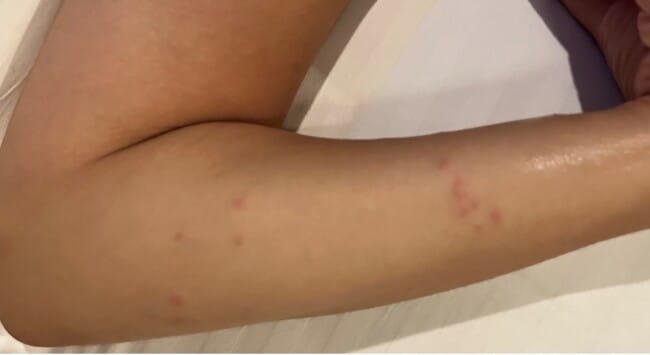
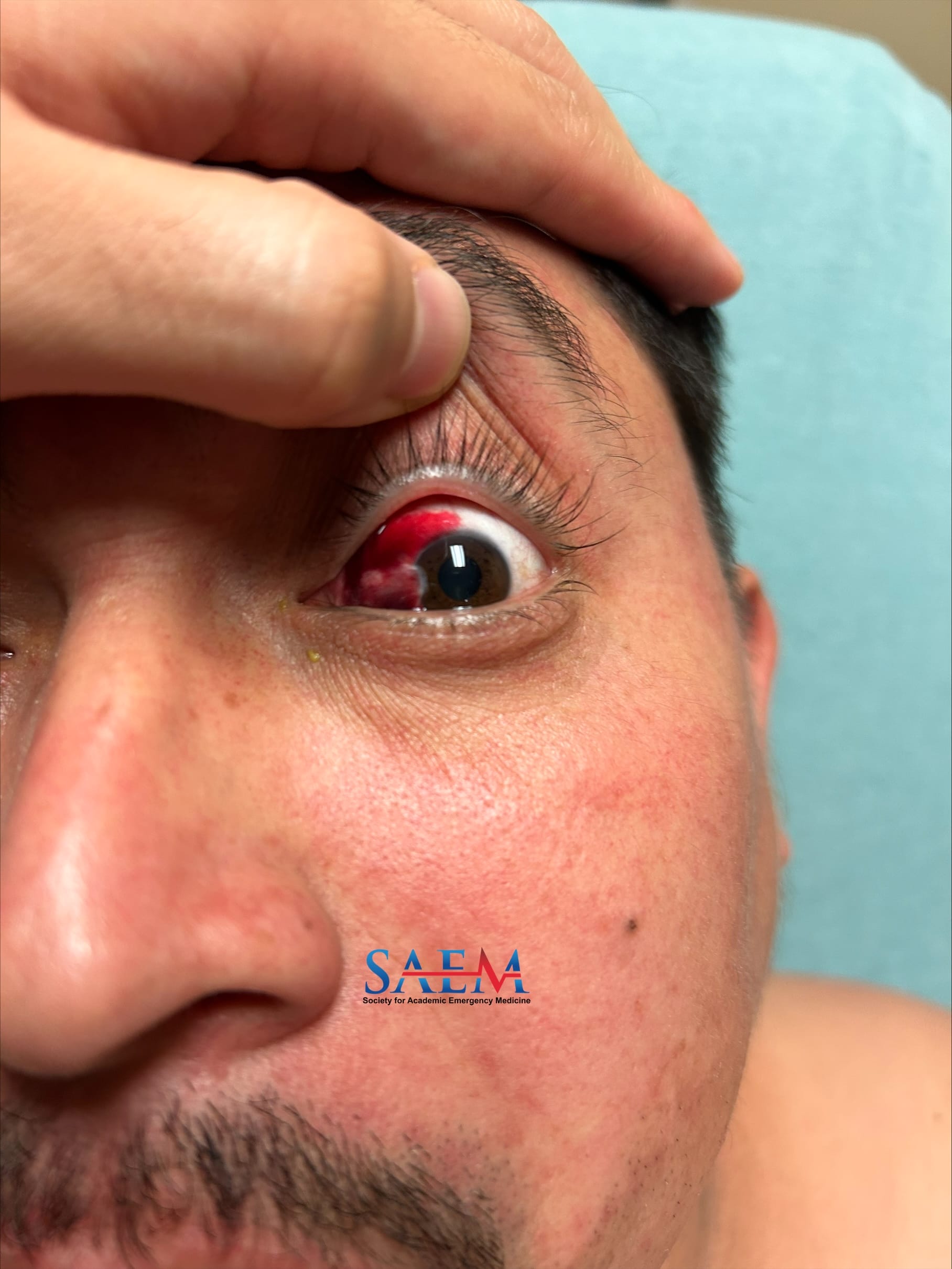
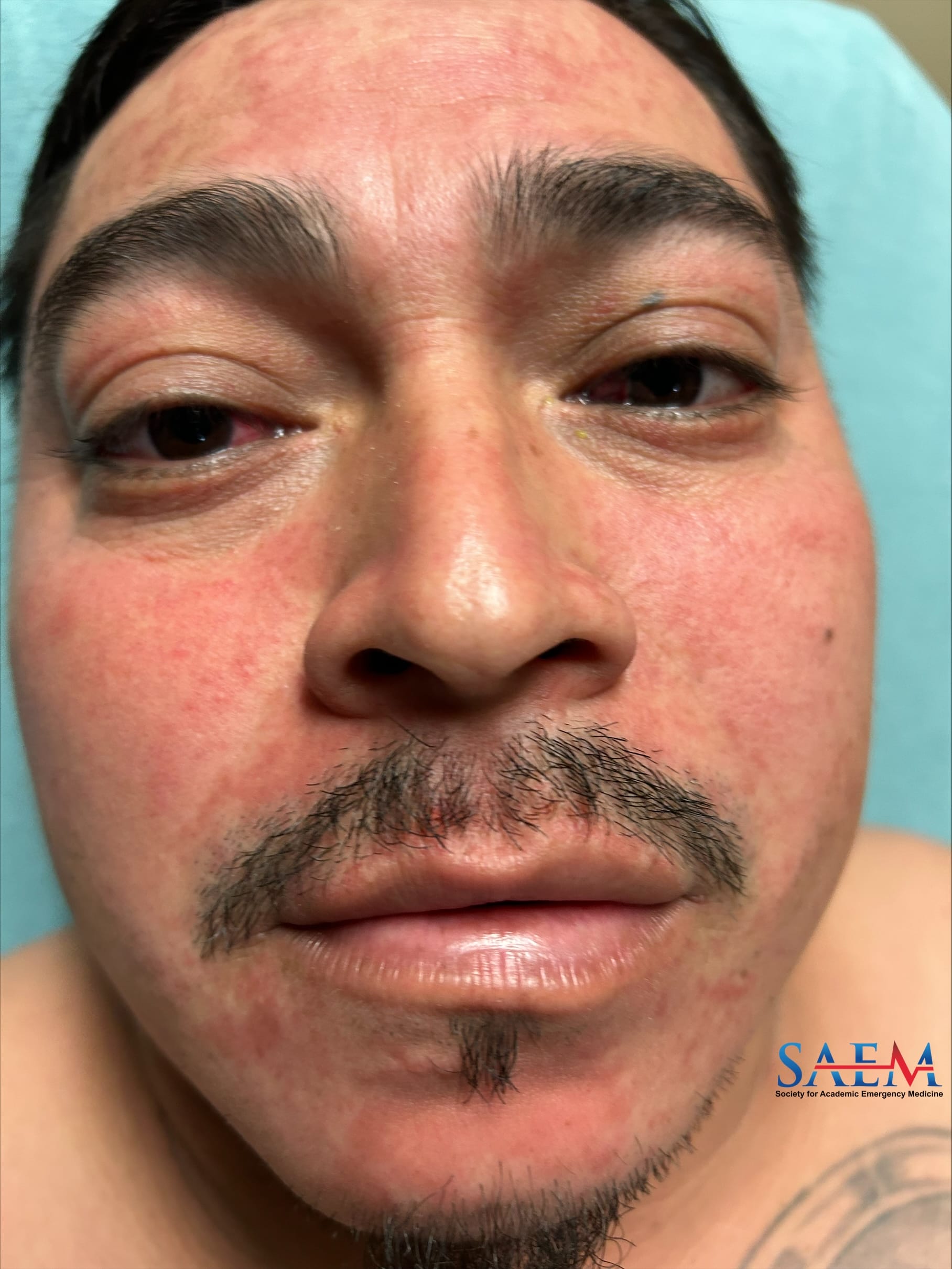
Skin: Healed vesicular rash along V2 distribution of trigeminal nerve.

Head: Normocephalic, atraumatic.

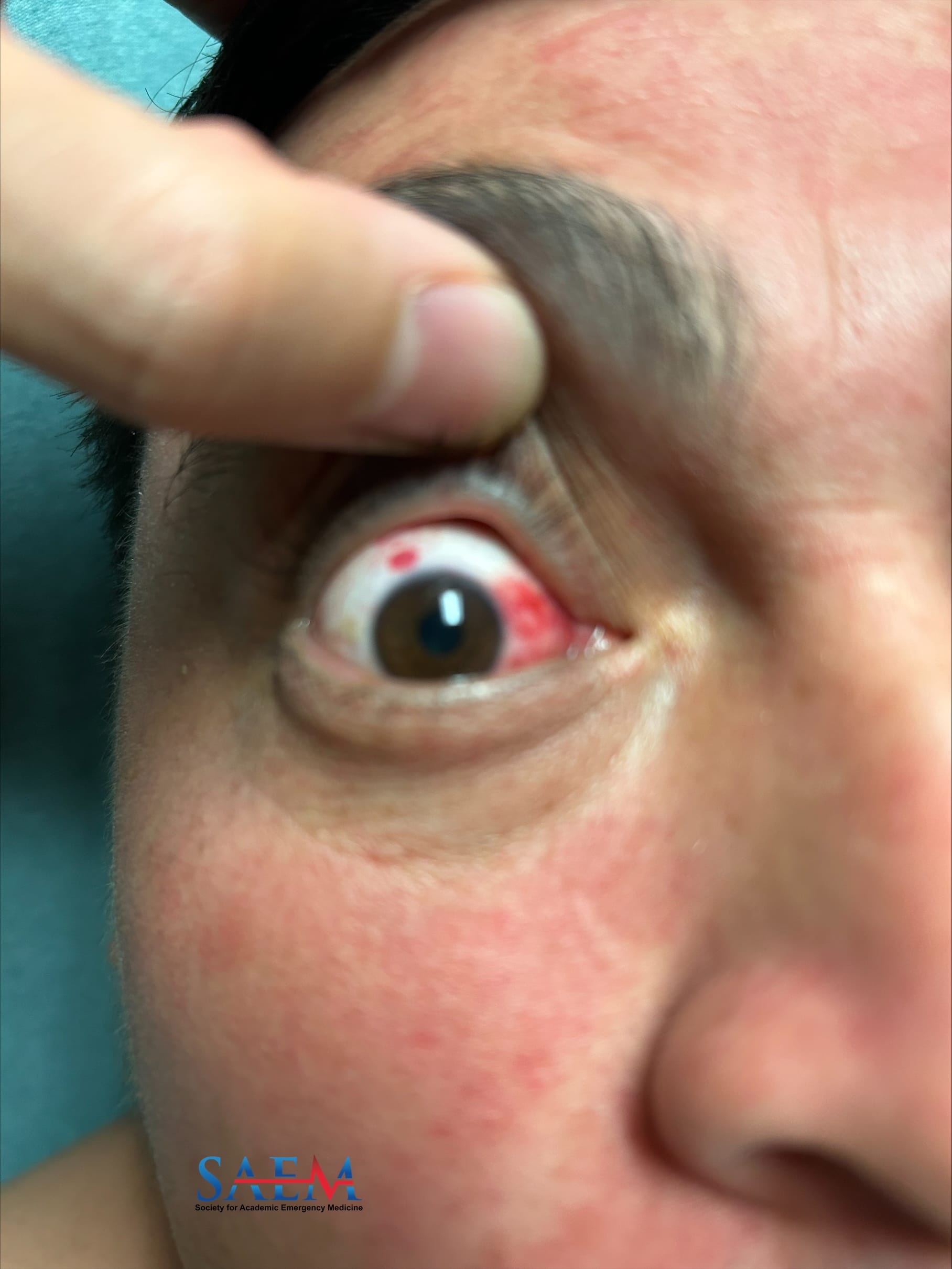
Eye: Visual acuity – right 20/40, left 20/70 without correction (at baseline per patient). Left eye viewed with fluorescein showing dendritic lesions. EOM: right intact, impaired abduction of left eye. Unable to close the left lid. Pupils: R pupil 3mm, briskly reactive to light, L pupil 3mm not briskly reactive

Ears: Without vesicular lesions bilaterally

Cardiovascular: Normal peripheral perfusion.

Respiratory: Respirations are non-labored.

Neurological: Alert and oriented to person, place, time, and situation. Cranial nerves: CN II grossly intact, CN III: left pupil reactive to light but sluggish, CN V: facial sensation to light touch intact, CN VI: impaired abduction of left eye, CN VII: left facial droop with left forehead involved, CN VIII – XII intact. 5/5 motor strength to bilateral upper and lower extremities, no sensory deficits, has a steady gait.

CBC, BMP, and ESR all within normal limits.

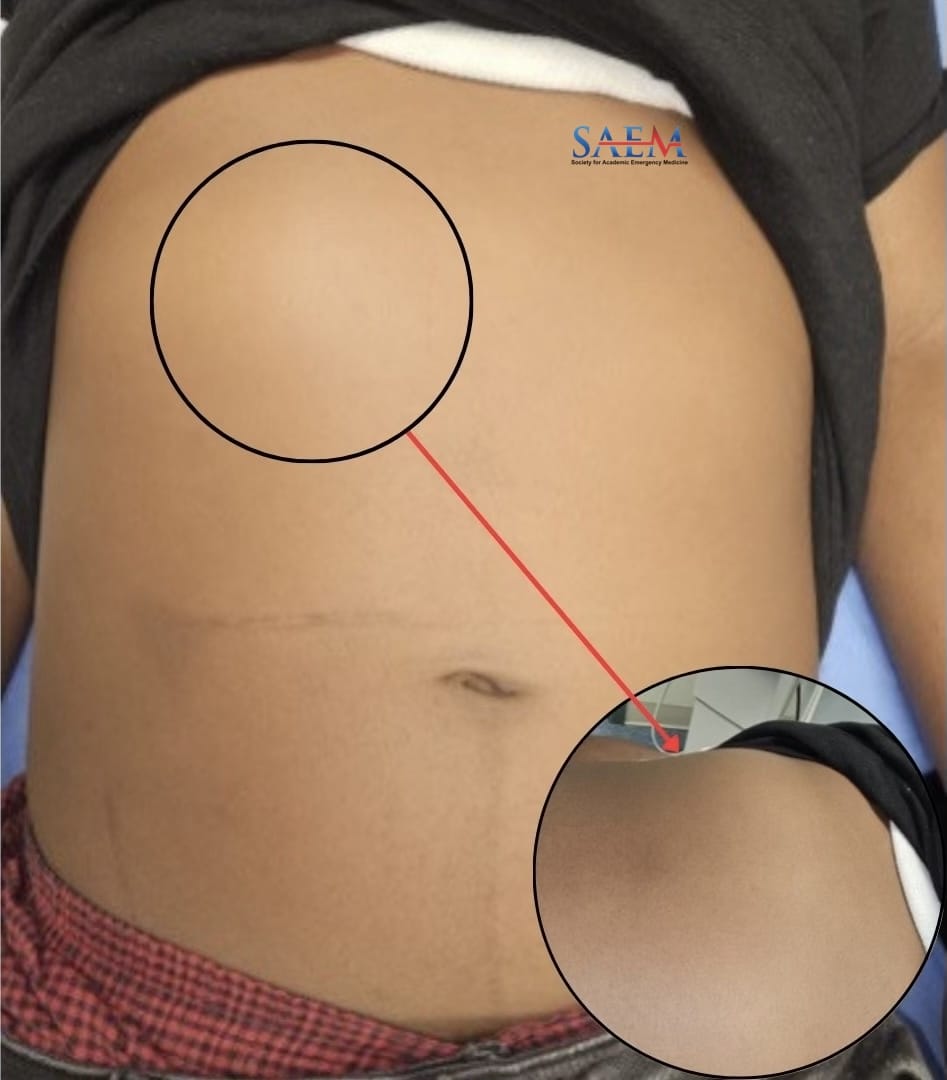
The patient has a left-sided painful vesicular rash in the V2 distribution of the trigeminal nerve and dendrites on fluorescein-stained exam of the left eye, concerning for herpes zoster ophthalmicus. Hutchinson sign (involvement of the tip or side of the nose, as seen in the images) indicates involvement of the nasociliary branch of the trigeminal nerve, and patients with this finding have an increased risk of ocular involvement [1]. Although this patient did not have auditory canal involvement, Ramsay Hunt Syndrome is also important to consider. The image also shows impaired abduction of the left eye, concerning for a CN VI palsy, and the physical exam showed sluggish left pupil reactivity to light, concerning for a CN III palsy. Given the patient reported diplopia and had multiple cranial nerve deficits, cavernous sinus syndrome was also a differential diagnosis.

The recommended treatment for herpes zoster ophthalmicus is oral Valacyclovir, however, if there is any concern for disseminated zoster (3 or more dermatomes involved, CNS involvement, or other extradermal complications), patients should be treated with IV Acyclovir 10 mg/kg based on ideal body weight every 6 hours [1]. Since this patient underwent a trial of Valacyclovir without improvement and there was concern for possible CNS involvement with multiple cranial nerve deficits on exam, the patient was started on IV Acyclovir. Consultation with ophthalmology is also recommended for management of zoster ophthalmicus. The presence of diplopia, CN III and CN VI palsies was also concerning for possible cavernous sinus syndrome, which can be caused by a broad range of infectious, inflammatory, neoplastic, and vascular pathologies. It can have varying presentations based on the affected neurovascular structures however the constellation of symptoms includes diplopia, ophthalmoplegia, Horner syndrome, facial sensory loss, and CN III, VI, and VI deficits. If it is suspected, MRI with and without contrast is the preferred imaging modality to determine the location and extent of disease [2]. Neurology consultation is also helpful in co-management.

Take-Home Points

  • In a patient with a facial vesicular rash, it is important to perform a full cranial nerve exam to evaluate for deficits that may indicate CNS involvement, inspect the anterior chamber to evaluate for zoster ophthalmicus, and examine the ears to evaluate for Ramsay Hunt Syndrome.
  • Start antivirals early if zoster ophthalmicus is suspected since this disease process can be vision-threatening.

  • Anderson Erik, Do-Nguyen Amy. Varicella-Zoster Virus (VZV). In: Mattu A and Swadron S, ed. CorePendium. Burbank, CA: CorePendium, LLC. https://www.emrap.org/ corependium/chapter/recV6PonFTQbz5R9c/Varicella-Zoster-Virus-VZV#h.q140vny9bkbo. Updated August 16, 2023. Accessed January 11, 2024.
  • Munawar K, Nayak G, Fatterpekar GM, et al. Cavernous sinus lesions. Clinical Imaging. 2020;68:71-89. doi:https://doi.org/10.1016/ j.clinimag.2020.06.029

SAEM Clinical Images Series: Clot in Transit

clot

A 67-year-old male with a past medical history of CHF, MI, hypertension, and diabetes presented to the ED with complaints of headache, chest pain, and dyspnea for the past four days. He stated that he has been without his medications for the past few months due to cost. He denied any past surgical history. He stated that he primarily presented because he felt like “my blood pressure is high”.

Cardiovascular: Tachycardic, 2+ pedal edema bilaterally

Respiratory: Tachypneic, decreased breath sounds bilaterally, ronchi/wheezes bilaterally

Skin: Diaphoretic

Troponin I: 0.13 (elevated)

BNP: 1,504

The findings in this picture are of a phenomenon called clot in transit. Via point-of-care ultrasound we were able to visualize part of a thrombus as it journeyed from the right side of the heart to the lungs, becoming a pulmonary embolism. In studies regarding the subject, clot in transit has been found in 3-18% of patients with acute PE. Unfortunately, clot in transit is associated with higher mortality in patients with acute PE. While not fully understood, part of the reason for this may be related to the fact that the patient population that this finding is found in tends to be sicker with higher rates of CHF, cancer, and immobilization. Additionally, increased mortality may be related to PE size given that the clot must be large enough to be seen by ultrasound. Studies have recorded clot in the 30-day mortality rates for patients with acute PE and visualized clot in transit to be 9-45%.

Take-Home Points

  • Point of care US is an essential tool for quickly assessing and appropriately treating patients. This patient’s story was very consistent with a CHF exacerbation but POCUS allowed us to quickly identify a PE and get the patient on track to definitive management.
  • Clot in transit once identified requires immediate action because it is associated with such high mortality in patients.
  • There remains more research to be done on the matter but it appears that clot in transit signifies a need for advanced forms of PE management (thrombolysis or thrombectomy ) to improve mortality in comparison to normal systemic anticoagulation.

  • Athappan G, Sengodan P, Chacko P, Gandhi S. Comparative efficacy of different modalities for treatment of right heart thrombi in transit: a pooled analysis. Vasc Med. 2015 Apr;20(2):131-8. doi: 10.1177/1358863X15569009. PMID: 25832601.
  • Barrios D, Rosa-Salazar V, Jiménez D, Morillo R, Muriel A, Del Toro J, López-Jiménez L, Farge-Bancel D, Yusen R, Monreal M; RIETE investigators. Right heart thrombi in pulmonary embolism. Eur Respir J. 2016 Nov;48(5):1377-1385. doi: 10.1183/13993003.01044-2016. Epub 2016 Oct 6. PMID: 27799388.
  • FREY J, BROWNBACK K. Clot in transit: A dilema of medical or surgical management. Chest. 2021;160(4):A2190. doi: 10.1016/j.chest.2021.07.1932.
  • Garvey S, Dudzinski DM, Giordano N, Torrey J, Zheng H, Kabrhel C. Pulmonary embolism with clot in transit: An analysis of risk factors and outcomes. Thromb Res. 2020;187:139-147. doi: 10.1016/ j.thromres.2020.01.006.

Tranq dope (fentanyl-xylazine combination): A new horizon in opioid withdrawal treatment

tranq dope xylazine syringe opioid

‘Dope’ is no longer heroin in an increasing number of our communities. The biggest change has been the gradual replacement of diacetylmorphine (heroin) by fentanyl and other synthetic opioids. Due in large part to the proliferation of anonymous chemical factories able to produce industrial volumes of inexpensive synthetic opioids without opium or other controlled precursors, fentanyl spilled into the United States, Canada, and Europe, heroin soon fell to market forces [1, 2]. Along the same time, a veterinary sedative, xylazine, became popular in Puerto Rico in individuals who used injection drugs [3]. An alpha-2 receptor agonist mechanistically similar to clonidine, dexmedetomidine, and tetrahydrozoline, xylazine made its way to the U.S. and settled in the metropolitan areas of the Northeast, especially my community, Philadelphia. The combination of the two now represents more than 98% of samples tested by the City of Philadelphia and has been given the moniker ‘tranq dope’ [4]. 

Case

A patient arrives via EMS from the bus station complaining of fever, vomiting, and back pain. Their back has worsened significantly over the past 24 hours with radiation down the left leg. They report insufflating ‘a bundle’ of tranq dope per day. They report occasional cocaine and amphetamine use more than 72 hours ago, but no other substances. They report an allergy to ‘bupe,’ describing a prior episode of ‘precipitated withdrawal’ when given buprenorphine, despite already withdrawing.

Vital signs

  • T 39.5C
  • BP 180/90
  • HR 140
  • RR 24 (oxygen saturation 99% room air)

Exam

  • General: Diaphoresis, piloerection, psychomotor agitation, and actively vomiting
  • Eyes: Dilated pupils
  • Cardiac: No murmur
  • Back: Focal tenderness at L1 and L2
  • Neurologic: L hip flexion weakness
  • Extremities:
    • Several necrotic, ulcerative wounds on their arms and legs without secondary signs of infection
    • Lymphedema of distal arms and legs with early venous stasis changes

Breaking down the case

“A Bundle”

  • Understanding how much patients use can help us understand how likely their withdrawal is to be severe.
  • Our experience: A Philadelphia Bundle is 14 bags, most other cities are 10 bags. One bag has been approximated anywhere from 25-100 morphine milligram equivalents (MME), meaning use of a bundle (or two) a day is equivalent to use of hundreds to thousands of MME, vastly more than has ever been encountered in human history. Anyone using “bundles” (or more than a few bags per day) is at risk of significant withdrawal if they abruptly stop.
  • Clinical impact: This patient is likely having severe symptoms of withdrawal from cessation of their regular use.

The Wounds

  • Common among patients who use xylazine, the necrotic and exudative wounds are still not fully understood [5-8], but are likely due in part to direct cytotoxic effects of the drug and its impurities, as well as possible nutritional deficiencies common in those with dependence.
  • Our experience: Oddly, though injection drug use is certainly associated with wound location, injection use is not required for their development, and they have been noted in patients who solely insufflate or smoke their substances. While superinfection is common due to the myriad social determinants of health challenges individuals who use these drugs face in trying to care for them — when the wounds look uninfected, they typically are and respond better to local wound care, nutritional support, and long-term monitoring than obligatory IV antibiotics or surgical debridement. The wounds themselves may not be infected or require surgical management themselves, but can act as an entry point to deeper infections. We treat with wound care and reserve surgical management only for limbs that are no longer viable. IV antibiotics do not help treat the wounds unless there is evidence of other skin/soft tissue infection (City of Philadelphia’s excellent wound care guide).
  • Clinical impact: The case patient’s wounds were cleaned and dressed with petroleum jelly based wound ointments and enzymatic salves for the necrotic portions. Inpatient wound care teams provided long-term support and a nutrition consult ordered protein, micronutrient, and vitamin supplementation.

Lymphedema (Puffy Hands & Feet)

  • Our experience: After we noted a cohort of admissions for suspected endocarditis were found to be reassuringly negative, we noted this physical exam finding as strikingly common. Evaluation for nephrotic syndrome due to viral hepatitis, endocarditis, venous thromboembolism or other cause of chronic lymphedema is reasonable.
  • Clinical impact: The patient’s DVT ultrasounds were negative. A trans-esophageal echocardiogram showed a normal ejection fracture, normal right ventricular function, and no vegetations.

Bupe Allergy

  • Buprenorphine induction has been the mainstay of emergency department treatment of opioid use disorder for more than a decade [11, 12].
  • Our experience: It was not long ago that we instructed our staff that: ‘COWS >8, give ’em 8 (mg of buprenorphine).’ We witnessed our prior protocols become ineffective, even at very large doses (16 mg over 2 hours with adjuncts) in patients who were already in severe withdrawal. Similarly, dramatic but idiosyncratic episodes of ‘precipitated withdrawal’ were noted in some patients who had used tranq dope in the past 48-72 hours. Patients with moderate withdrawal became dramatically worse within short periods, noted both in the community and in our department [13, 14]. Confounding this is a high-quality analysis in an area with high fentanyl and unknown xylazine intensity not demonstrating this phenomenon [15]. Akin to real-life ghost stories told by patients, the risk is not insignificant, and the concern warranted by patients. We have seen cases of esophageal rupture from vomiting and stress cardiomyopathy in association with these phenomena. While fentanyl is more lipophilic than other opioids, and a depot effect may play a role in long term users, this condition, its pathophysiology, and its relation to xylazine or other contaminants remains unknown.
  • Clinical impact: Rather than arguing with the patient about the likelihood of this phenomenon occurring and whether this is a true allergy, the patient is informed that they do not need to immediately start treatment to receive care in the hospital. That discussion can be deferred until the patient is stable, the risk of such an event is mitigated, and other medications can be given for their withdrawal symptoms and pain.

Multi-Substance Use

  • Substances such as cocaine, amphetamines, and benzodiazepines often are used concurrently, which can confound the management plan. Urine/serum toxicology screening can show additional substances that they don’t know they’ve been using, which can help them receive recovery services when medically stable. Of note, screening is often required for insurance approval for substance use treatment.
  • Our experience: Traditionally, ED physicians do not like ordering urine drug screens (UDS). Whether due to the non-specific nature of the results, a low likelihood of changing management, or a genuine concern that ordering UDS is a form of stigmatizing patients, it has been a change of practice for us to encourage ordering (and provide EHR decision support) for UDS testing in patients who use drugs. Bundled ordering has not only opened our eyes to the use patterns in our community, but has streamlined the referral to substance use treatment for thousands of patients in our health system. Pairing fentanyl screening to our standard UDS has also allowed us to see the ubiquity of its use; patients are now routinely screening negative for conventional opiates despite using enormous amounts of tranq dope.
  • Clinical impact: For the patient case, the UDS was negative for conventional opiates but positive for cocaine. You call the lab and request fentanyl testing, which is a send-out test. A social worker stops you in the hall and thanks you for ordering the UDS as they go see the patient.

How to Think About This Case of Tranq Dope Withdrawal

The patient is likely experiencing opioid withdrawal [MDCalc Clinical Opioid Withdrawal Scale (COWS) score] and some degree of xylazine withdrawal. We recently published a retrospective observational study of a novel implementation medication order set for fentanyl & xylazine withdrawal, which provide insights into managing this case [16].

1. Xylazine withdrawal is controversial.

There are no prospectively developed or articulated xylazine withdrawal scales. Some experts wonder if what we deem xylazine withdrawal is actually due in large part to the large doses of synthetic opioids consumed, or due to coexisting stimulant withdrawal. We have certainly seen patients who have pain which is controlled and still have psychomotor agitation and sympathetic activation, leading some to require ICU admission for dexmedetomidine and/or ketamine infusion. In our study, we used COWS alone in the ED, which does utilize restlessness, anxiety, and tachycardia as part of the formula, as the sole evaluation tool for tranq dope withdrawal.

2. Medication opioid use disorder (MOUD) induction needs to be done carefully.

We advocate for an approach that uses low dose (or micro-induction) of buprenorphine. We use a product that contains solely buprenorphine at a range of low doses, called Belbuca. This allows us to administer a safe dose of buprenorphine. This low dose initiation strategy did not result in any cases of precipitated withdrawal, and still provided kappa opioid receptor antagonism, which is postulated to help modulate psychological components of dependence.

Alternatively, one can cut the 2 mg Suboxone (buprenorphine + naloxone combination) strips into 4 pieces after waiting for a longer washout period (72-96 hours of abstinence from non-medical opioids) before starting the induction. Or one can start methadone induction.

3. Short-acting, full mu agonist opioids are part of the solution.

In our study, we administer full mu agonists for tranq dope withdrawal, but others in our community also use a combination of short and long-acting full mu agonists.

In our study protocol, dosing started at oxycodone 10 mg PO (update: I now recommend 20 mg) or hydromorphone 2 mg IV for more severe cases. These doses do not come close to replacing their daily opioid use. Some patients require re-dosing in the ED. Most admitted patients end up on patient-controlled analgesia (PCA) pumps early in their course of admission when their use patterns are severe (≥ 1 bundle/day).

4. Acknowledge that short-acting opioids are insufficient on their own.

In our study order set, we intentionally incorporated the concepts of potentiation and synergism to stretch the effects of short-acting opioids (oxycodone PO or hydromorphone IV) while also treating the associated symptoms of opioid and xylazine withdrawal. We also incorporated:

  • Ketamine
  • Neuroleptic medications (droperidol IV and olanzapine ODT)
  • Alpha 2 agonists (tizanidine and guanfacine)
  • Diphenhydramine
  • Lactated ringers IV solution

Differentiation was based on severity, presence of an IV, and concern for prolongation of the QTc >450 msec (Table 1).

We did not use clonidine, despite its known alpha agonist utility in opioid withdrawal, due to the undifferentiated nature of our patients receiving the pathways, not wanting to give an antihypertensive agent to patients who sometimes are experiencing shock and other critical illness. Clonidine is often added back to their regimens inpatient as their vital signs tolerate.

When patients received treatment with one of our four our pathways, there was an association with a significant decrease in post-treatment COWS scores and the risk of patient-directed discharge (renamed from ‘against medical advice’ disposition to remove the stigmatizing connotation [17]) .

Pathway ConditionBupre-norphineOpioidAnti-psychoticAlpha 2 AgonistKetamineDiphen-hydramineLactated Ringers IV Fluids
1. Mild (or no IV) AND normal QTc150 mcg buccalOxycodone 10 mg PO liquidOlanzapine 5 mg PO ODTTizanidine 4 mg PO
2. Mild (or no IV) AND prolonged/ unknown QTcGuanfacine 2 mg PO
3. Severe AND normal QTcHydromorphone 2 mg IVDroperidol 2.5 mg IVPTizanidine 4 mg PO0.15 mg/kg up to 15 mg (rounded to nearest 5 mg) IVP over 2 minutes25 mg IVP1L bolus
4. Severe AND prolonged/ unknown QTcOlanzapine 10 mg PO ODTGuanfacine 2 mg PO
Table 1. Multimodal medication options for fentanyl-xylazine withdrawal management in London et al. 2024 study [16]. Prolonged QTc was defined as >450 msec.

5. Treatment protocol update: Adding gabapentin with concurrent stimulant use

In our study, more than 70% of our patients used multiple substances, including cocaine and amphetamines [16]. Because the withdrawal syndromes from stimulants can also produce anxiety and sympathetic activation, we have now added GABAergic medications (gabapentin 300 mg PO) to our pathways, given the commonality of coexisting stimulant use disorders.

6. When all else fails, choose harm reduction.

Even in the best-case scenarios, some patients may not be able or willing to stay for their full treatment. While we may not convince them, it does not mean we cannot make a positive contribution to their health. Consider the following discharge adjuncts to give the patient:

  • Nasal naloxone
  • Fentanyl test strips
  • Wound care supplies
  • Safe injection equipment
  • Connection to syringe service programs or other community groups (which are both likely less expensive than the hospital and less traumatizing for patients)

Case Conclusion: Tranq dope withdrawal and spinal epidural abscess

For the patient with back pain and severe tranq dope withdrawal symptoms, you order the following:

  • Buprenorphine 150 mcg buccal
  • Hydromorphone 2 mg IV
  • Ketamine 10 mg IV
  • Olanzapine 10 mg ODT
  • Tizanidine 4 mg PO
  • Diphenhydramine 25 mg IV
  • Gabapentin 300 mg PO (given UDS being for cocaine)
  • IV fluids 1 L bolus

With an unknown QTc interval, you avoid droperidol IV. Your patient ultimately is diagnosed with a spinal epidural abscess requiring operative care. Post-operatively, the care team includes an addiction medicine consultant and certified recovery specialist (an individual with lived experience of addiction, who advocates for and connects others to recovery services; also called peer recovery specialists or recovery coaches [20, 21]).

The patient’s buprenorphine doses are titrated up as their pain stimulus decreases. They are also given screening exams for viral hepatitis, HIV and STIs, and are offered PrEP (pre-exposure prophylaxis for HIV). Despite myriad challenges due to out of state insurance, the patient is connected with a rehabilitation center that provides both physical and substance recovery services. A dedicated addiction and medical bridge clinic is available to the patient following their rehabilitation stay, connecting them to long term care, including treatment for their newly diagnosed hepatitis C. They reconnect with family and community members who were lost to them, building a sustainable support system.

Last Words

Substance use disorders (SUD) are similar to other chronic relapsing medical conditions such as diabetes mellitus, congestive heart failure/cardiomyopathy, chronic obstructive pulmonary disorder, and cancer. While all share a combination of genetic, developmental, and cognitive risk factors, only SUD has been demonized societally as a behavioral failure, rather than just another consequence of cascading social and medical determinants of health.

Treating patients with SUD can be incredibly challenging, especially without a foundation in trauma-informed care principles [20]. Stigma occurs on both sides of the therapeutic relationship, and the poor coping strategies that lead individuals to use injection drugs can malign even tolerant clinicians in such highly charged situations. Strategies to mitigate these challenges include adding certified recovery specialists to care teams, standardizing/improving withdrawal management, and having a holistic addiction medicine team that can provide patient-centered, tailored MOUD and comorbidity guidance.

We are now seeing further contamination in our drug supply, such as other veterinary sedatives (such as medetomidine), novel benzodiazepines (such as bromazolam) and even an industrial solvent (called BTMPS or Tinuvin 770). Psychosis is now being witnessed with naloxone reversal in some cases, and the impact of these novel contaminants on withdrawal syndromes and wounds remain unknown.

If this is reaching your community and you have additional questions, feel free to contact me. I am happy to help how I can.

References

  1. Reuter P, Pardo B, Taylor J. Imagining a fentanyl future: Some consequences of synthetic opioids replacing heroin. International Journal of Drug Policy. 2021 Aug 1;94:103086. PMID 33423915
  2. Pesce A, Bevins N, Tran K, Thomas R, Jensen K. Changing Landscape of Fentanyl/Heroin Use and Distribution. Annals of Clinical and Laboratory Science. 2023 Jan 1;53(1):140-2. PMID 36889767
  3. Torruella RA. Xylazine (veterinary sedative) use in Puerto Rico. Substance Abuse Treatment, Prevention, and Policy. 2011 Dec;6:1-4. PMID 21481268
  4. Education, T.C.F.F.S.R. Drug Checking Quarterly Report (Q3 2022). Philadelphia, Pennsylvania, USA. 2022; 06/26/2023.
  5. Wei J, Wachuku C, Berk-Krauss J, Steele KT, Rosenbach M, Messenger E. Severe cutaneous ulcerations secondary to xylazine (tranq): a case series. JAAD Case Reports. 2023 Jun 1;36:89-91. PMID 37274146
  6. Sloan B. This month in JAAD Case Reports: August 2023: Xylazine and skin necrosis. Journal of the American Academy of Dermatology. 2023 Aug 1;89(2):231. DOI:
  7. Papudesi BN, Malayala SV, Regina AC. Xylazine toxicity. 2023 [book]. PMID 37603662
  8. Rose L, Kirven R, Tyler K, Chung C, Korman AM. Xylazine-induced acute skin necrosis in two patients who inject fentanyl. JAAD Case Reports. 2023 Jun 1;36:113-5. PMID 37288443
  9. Bishnoi A, Singh V, Khanna U, Vinay K. Skin ulcerations caused by xylazine: A lesser-known entity. Journal of the American Academy of Dermatology. 2023 Aug 1;89(2):e99-102. PMID 37054812
  10. Janardan A, Ayoub M, Khan H, Jha P, Dhariwal MS. Mysteriously puffy extremities: an unintended consequence of intravenous drug abuse. Cureus. 2022 May;14(5). PMID 35774687
  11. D’Onofrio G, Chawarski MC, O’Connor PG, et al. Emergency department-initiated buprenorphine for opioid dependence with continuation in primary care: outcomes during and after intervention. Journal of general internal medicine. 2017 Jun;32:660-6. PMID 28194688
  12. D’Onofrio G, O’Connor PG, Pantalon MV, et al. Emergency department–initiated buprenorphine/naloxone treatment for opioid dependence: a randomized clinical trial. JAMA. 2015 Apr 28;313(16):1636-44. PMID 25919527
  13. Sue KL, Cohen S, Tilley J, Yocheved A. A Plea From People Who Use Drugs to Clinicians: New Ways to Initiate Buprenorphine Are Urgently Needed in the Fentanyl Era. J Addict Med. 2022;16(4):389-391. PMID 35020693.
  14. Starting Bupe From Fentanyl Can Be a Nightmare. Microdosing Methods Help, 2020.
  15. D’Onofrio G, Hawk KF, Perrone J, et al. Incidence of precipitated withdrawal during a multisite emergency department–initiated buprenorphine clinical trial in the era of fentanyl. JAMA Network Open. 2023 Mar 1;6(3):e236108-. PMID 36995717
  16. London K, Li Y, Kahoud JL, et al. Tranq Dope: Characterization of an ED cohort treated with a novel opioid withdrawal protocol in the era of fentanyl/xylazine [published correction appears in Am J Emerg Med. 2024 Oct 8:S0735-6757(24)00523-0. doi: 10.1016/j.ajem.2024.10.006]. Am J Emerg Med. Published online September 4, 2024. doi:10.1016/j.ajem.2024.08.036. PMID 39260041.
  17. Lee CD, Mello MM, Bradfield O, Beach MC. Discharging Patients Against Medical Advice. N Engl J Med. 2023;388(13):1230-1232. doi:10.1056/NEJMclde2210118. PMID 36988605
  18. Vakkalanka P, Lund BC, Arndt S, et al. Association Between Buprenorphine for Opioid Use Disorder and Mortality Risk. Am J Prev Med. 2021;61(3):418-427. doi:10.1016/j.amepre.2021.02.026. PMID 34023160
  19. London K, Matsubara J, Christianson D, Gillingham J, Reed MK (September 12, 2024) Descriptive Analysis of Emergency Department Patients With Substance Use Disorders As Seen by Peer Recovery Specialists in Philadelphia. Cureus 16(9): e69274. DOI
  20. Bartholow LAM, Huffman RT. The Necessity of a Trauma-Informed Paradigm in Substance Use Disorder Services. J Am Psychiatr Nurses Assoc. 2023;29(6):470-476. PMID 34334012
By |2024-10-24T12:19:35-07:00Oct 30, 2024|Beyond the Abstract, Tox & Medications|

SAEM Clinical Images Series: Wilma, Take a Look at This!

A 2-year, 11-month-old female with a history of constipation was brought to the ED by her mother for abdominal pain. The mother noticed that the patient’s abdomen had been enlarging for months. When they visited the pediatrician several months ago, the pediatrician also noticed a mildly enlarged abdomen but the patient was asymptomatic at that time. She was well during the interval until more recently, the patient began to complain of persistent abdominal pain and would point to the epigastric area. The patient had two episodes of unprovoked, non-bloody, non-bilious vomiting the morning prior to the ED visit. The patient had been tolerating oral intake well, passing adequate urine, having normal bowel movements, and behaving at baseline. No associated fever, diarrhea, bloody stool, dysuria, hematuria, or weight loss.

[/fusion_text]

Vitals: Temp 97.9 °F (36.6 °C); BP 103/68; Pulse 121; RR 26; SpO2 99% on room air

Constitutional: Active, well-developed, and in no distress.

HEENT: Normocephalic and atraumatic. No scleral icterus. TMs intact, no erythema. No rhinorrhea, no erythema. Moist mucous membranes, oropharynx is clear, no exudates or erythema.

Cardiovascular: Normal rate, regular rhythm and normal heart sounds.

Pulmonary: Breath sounds normal. No wheezing, no stridor, no decreased breath sounds. Normal effort, no acute respiratory distress.

Abdomen: Protuberant, distended abdomen with mild generalized tenderness to palpation. Rigid mass palpated in the upper right quadrant. Normal bowel sounds are heard.

Genitourinary: Normal anatomy. No hernias visualized, no erythema.

Skin: No jaundice or rashes visualized.

Neurological: Awake and alert. No focal deficits present.

CBC: No leukocytosis, leukopenia, anemia, or thrombocytopenia.

CMP: Electrolytes, kidney, and liver function tests were within normal limits.

The most common pediatric renal malignancy is a Wilms tumor, also known as nephroblastoma. It is an embryonal tumor due to disrupted nephrogenesis. It affects approximately 1 in 10,000 children with the median age of onset being 3.5 years (1). The most common chief complaint is abdominal pain, as in this case.

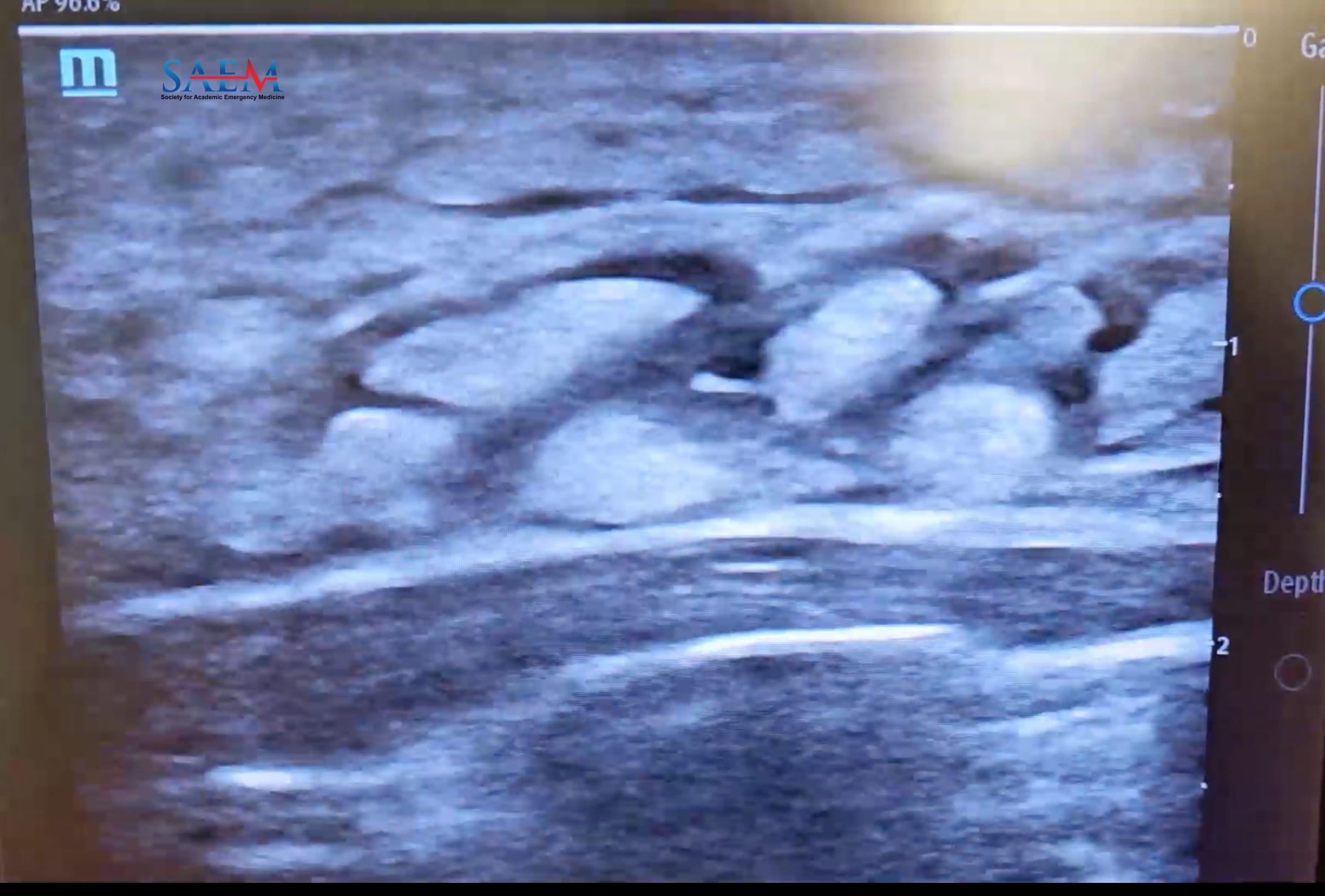
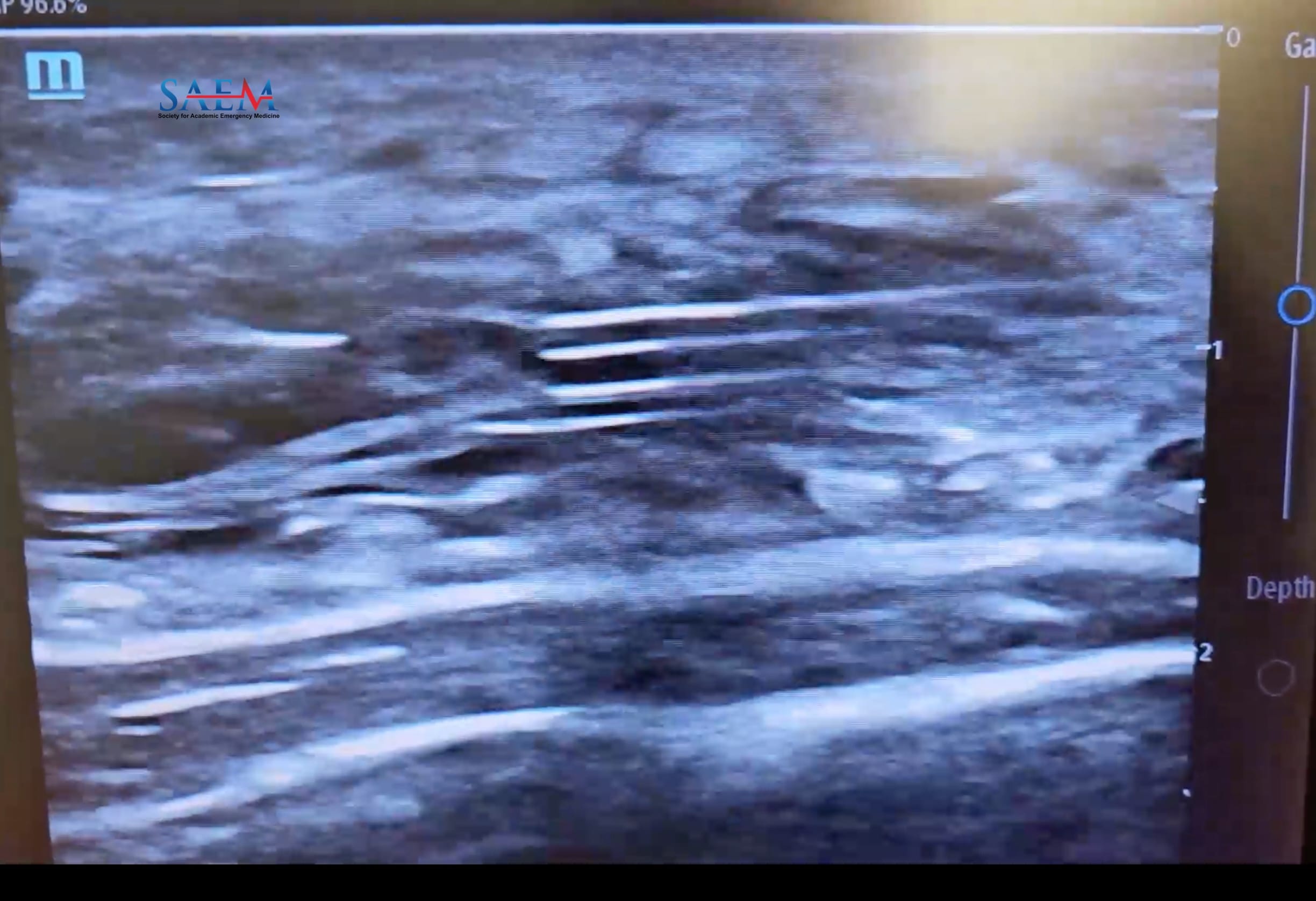
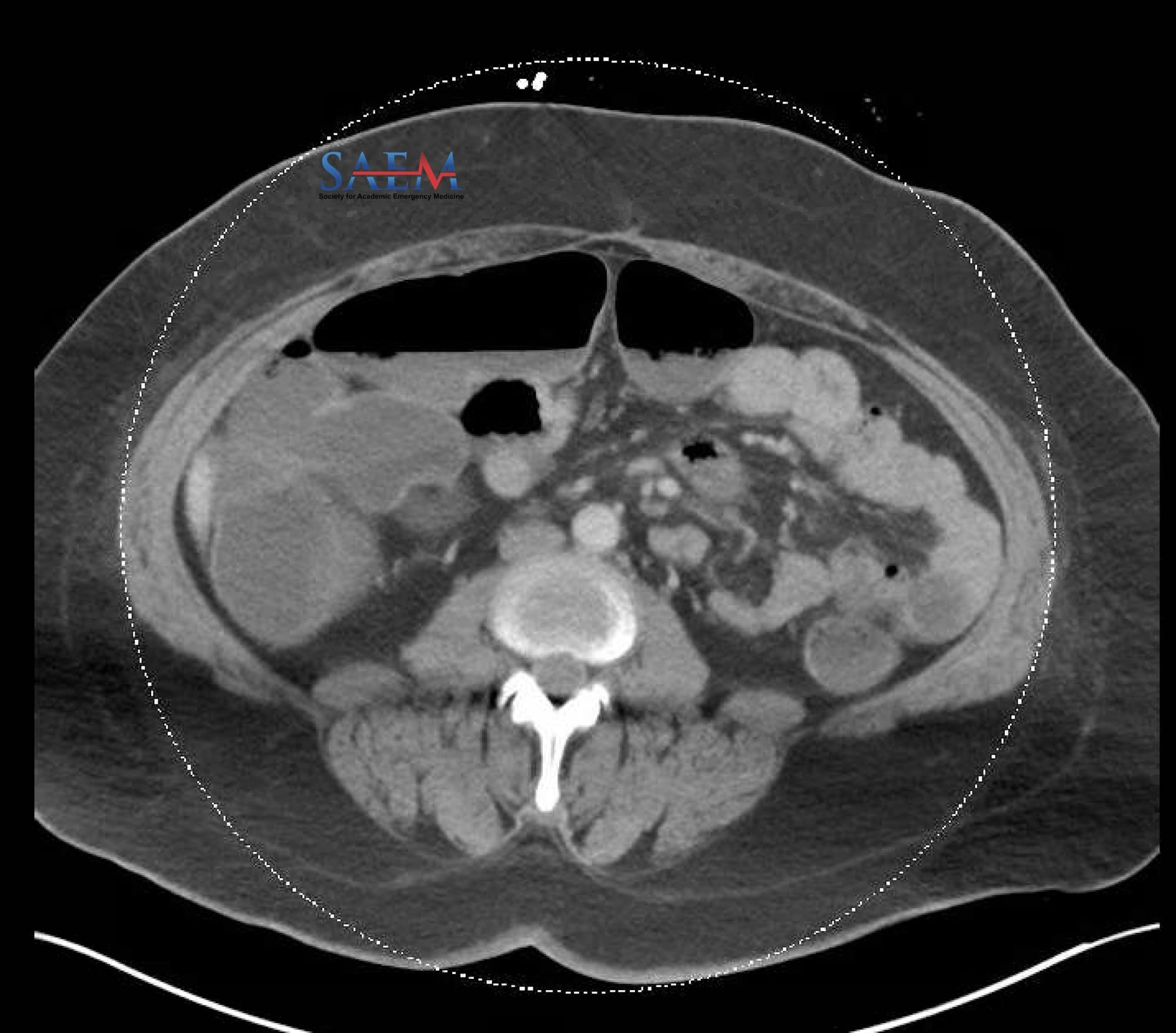
Here a large homogenous mass initially appears to be projecting from the liver, but it can also be seen protruding out of the right kidney. Pediatric abdominal organs commonly overlap so it is essential to note the origination of a mass, primarily for surgical planning. If ultrasound imaging is equivocal, CT is the next best step in differentiating the mass origination. Here, a 12 cm x 9.5 cm x 9 cm mass was noted to originate from the right kidney. If the mass becomes big enough, patients can present with vomiting due to the direct compression of the alimentary tract, such as in this case. Other presenting signs and symptoms may be fever, hypertension, anemia, hematuria, or dysuria (2).

In the US, the National Wilms Tumor Study Group recommends primary nephrectomy followed by a chemotherapy regimen that is tailored to the individual patient and tumor staging. With modern multidisciplinary management, curative therapy is achievable in approximately 90% of affected patients (2). This patient had a successful nephrectomy performed by general surgery and initiated chemotherapy on the medical floor. The patient was eventually discharged home with pediatric oncology follow-up.

Take-Home Points

  • Think of pediatric malignancy if the patient presents with chronic abdominal distention and pain.
  • Pediatric abdominal structures commonly overlap. Knowing the origination of an abdominal mass is essential for surgical planning. If ultrasound is equivocal, CT imaging is the next best step.
  • The definitive management of a Wilms tumor is a multidisciplinary approach, with primary nephrectomy followed by a tailored chemotherapy regimen as the gold-standard treatment in the US.

  1. Spreafico F, Fernandez CV, Brok J, Nakata K, Vujanic G, Geller JI, Gessler M, Maschietto M, Behjati S, Polanco A, Paintsil V, Luna-Fineman S, Pritchard-Jones K. Wilms tumour. Nat Rev Dis Primers. 2021 Oct 14;7(1):75. doi: 10.1038/s41572-021-00308-8. PMID: 34650095.
  2. Sonn G, Shortliffe LM. Management of Wilms tumor: current standard of care. Nat Clin Pract Urol. 2008 Oct;5(10):551-60. doi: 10.1038/ncpuro1218. PMID: 18836464.
  3. Leslie SW, Sajjad H, Murphy PB. Wilms Tumor. 2023 May 30. In: StatPearls [Internet]. Treasure Island (FL): StatPearls Publishing; 2023 Jan–. PMID: 28723033.

[/fusion_builder_column][/fusion_builder_row][/fusion_builder_container]

SAEM Clinical Images Series: When Needles Go Beyond Sewing and Acupuncture

needles

A 64-year-old male with a history of bipolar 1 disorder, PTSD, anxiety, depression, obsessive-compulsive disorder, GERD, and HTN presented to the ED with the chief complaint of foreign body and self-injury. He reported years of sticking sewing needles into his right arm, most recently yesterday. He explained that inserting needles makes him feel better with mild associated pain. He endorsed suicidal ideas, elaborating that he did not want to stop injuring himself. He also reported depression and wished that he was not alive. He stated that he had told his therapist that he didn’t want to present to the ED today and added that he wanted to leave the ED and did not want to be seen by the psych team. He denied homicidal ideation.

Extremities: When palpating the right forearm, multiple linear hard objects are felt in the subcutaneous tissue. The patient can flex/extend the wrist, supinate and pronate, and flex/extend the elbow without issue. No erythema or fluctuance. No obvious insertion site noted.

Numerous linear metallic foreign bodies are present throughout the right forearm; several new foreign bodies are noted. Bony exam is significantly limited due to the presence of numerous (greater than 50) linear metallic densities throughout the forearm. Mild to moderate degenerative changes of the wrist and elbow are noted.

Take-Home Points

  • Removal of metallic foreign bodies is an individualized risk vs benefit decision based on the following: signs of infection, suspected level of contamination, type of metal, cooperativeness of the patient, location nearby vital structures, cosmetic deformity, and pain. When the risk of removal outweighs the benefits or if the patient does not desire removal, foreign body removal is not always needed.
  • Regarding prophylaxis, antibiotics need not be routinely administered if the wound is clean. Tetanus vaccination status should be reviewed, and the vaccine (Tdap) and/or potentially tetanus immune globulin should be administered if indicated.

  • Rupert J, Honeycutt JD, Odom MR. Foreign Bodies in the Skin: Evaluation and Management. Am Fam Physician. 2020 Jun 15;101(12):740-747. PMID: 32538598.
  • Lane JC, Mabvuure NT, Hindocha S, Khan W. Current concepts of prophylactic antibiotics in trauma: a review. Open Orthop J. 2012;6:511-7. doi: 10.2174/1874325001206010511. Epub 2012 Nov 30. PMID: 23248721; PMCID: PMC3522105.

By |2024-10-15T10:59:39-07:00Oct 25, 2024|Psychiatry, Radiology, SAEM Clinical Images|

Trick of the Trade: Cut IV extension tubing for 2-person ultrasound guided nerve block

illustration nerve block ultrasound guided needle

Ultrasound-guided procedures are difficult enough just identifying the anatomy. Performing a nerve block with the ultrasound in one hand and the needle in the other hand adds extra challenges. The simplest 1-person approach involves attaching a syringe with local anesthetic directly to the end of the procedural needle. A 2-person approach involves attach the syringe to a custom tubing-needle setup such as below. However, this custom setup may not be readily available.

IV and extension tubing attached to needle

Trick of Trade: Cut Standard IV Extension Tubing

Required equipment:

  • Ultrasound linear probe
  • 10 cc syringe
  • IV tubing
  • Procedural needle
  • Shears

IV extension injection port

Almost all standard IV extension tubing that connects IV fluid bags to a peripheral IV have an injection port near the downstream end.

  1. Clamp the IV tubing just upstream from the injection port and cut off all the unused upstream IV tubing.
  2. Attach a 10 cc syringe with local anesthetic to the injection port.
  3. Attach the other end of this IV tubing (Luer lock attachment) to the procedural needle.
  4. Prime the IV line with the anesthetic.
  5. Perform the nerve block with one person advancing the needle under ultrasound guidance, while the other person aspirates and injects the anesthetic when needed.

Video: 2-person ultrasound-guided nerve block with cut IV tubing

Bonus Tip: This approach is applicable to many procedures requiring aspiration or instillation of anesthetic, such as peritonsillar abscess aspiration.

Read more from the Tricks of the Trade series.

By |2024-10-23T07:23:46-07:00Oct 23, 2024|Neurology, Tricks of the Trade, Ultrasound|

SAEM Clinical Images Series: Not Your Average Ear Infection

ear infection

A 5-year-old generally healthy fully immunized boy presented to the ED with worsening left ear redness, swelling, and tenderness that his family noticed the day before presentation. His family had also recently noticed an abrasion over that ear. The patient was on amoxicillin for strep throat, which was diagnosed a week before the onset of his symptoms and was improving.

Vitals: BP 130/68; HR 105; Temp 98.9°F; RR 22; O2 Sat 100% RA

General: Alert, interactive, well-appearing

HEENT: Left ear with moderate redness, swelling, warmth, and tenderness of the auricle sparing the lobule. Superficial lineal abrasion over concha, hemostatic. Ear canal and tympanic membrane normal.

Neck: Shotty left posterior cervical lymphadenopathy

Cardiovascular: Regular rate and rhythm, brisk capillary refill

Pulm: Clear to auscultation bilaterally

Abdomen: Soft, non-tender, non-distended

MSK/extremities: No edema

Skin: No rash except as noted

This is a case of perichondritis of the auricle, or a bacterial infection of the ear’s cartilage. It often occurs in the setting of trauma, which may be occult. Findings suggestive of perichondritis (versus cellulitis) include sparing of the ear’s lobule. It is most commonly caused by p. aeruginosa and requires treatment with antibiotics providing anti-pseudomonal coverage to prevent permanent ear deformity.

Take-Home Points

  • Consider the diagnosis of perichondritis when evaluating skin and soft tissue infections of the auricle.
  • Treat this condition with anti-pseudomonal antibiotics.

  • Davidi E, Paz A, Duchman H, Luntz M, Potasman I. Perichondritis of the auricle: analysis of 114 cases. Isr Med Assoc J. 2011 Jan;13(1):21-4. PMID: 21446231.
  • Klug TE, Holm N, Greve T, Ovesen T. Perichondritis of the auricle: bacterial findings and clinical evaluation of different antibiotic regimens. Eur Arch Otorhinolaryngol. 2019 Aug;276(8):2199-2203. doi: 10.1007/s00405-019-05463-z. Epub 2019 May 11. PMID: 31079204.

By |2024-10-15T10:24:35-07:00Oct 21, 2024|HEENT, SAEM Clinical Images|
Go to Top