ACMT Toxicology Visual Pearl: Not Very A-peel-ing
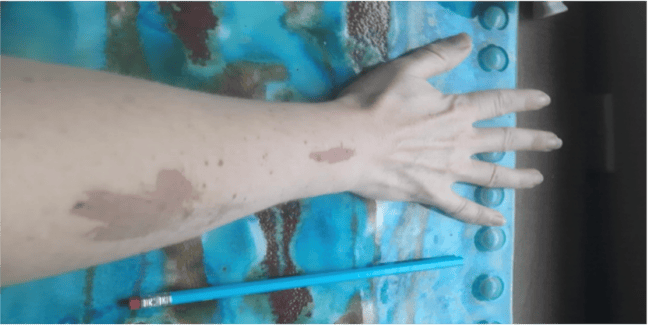
Which of the following chemicals, commonly used in chemical peels, can cause severe, gray colored skin burns upon direct contact?
- Acetone
- Hydrogen peroxide
- Phenol
- Salicylic acid
[Author’s own image]



Which of the following chemicals, commonly used in chemical peels, can cause severe, gray colored skin burns upon direct contact?
[Author’s own image]

Read this tutorial on the use of point of care ultrasonography (POCUS) for pediatric cardiac evaluation. Then test your skills on the ALiEMU course page to receive your PEM POCUS badge worth 2 hours of ALiEMU course credit.
You are in the emergency department evaluating a 2-month-old full-term male infant presenting with worsening respiratory distress over the past few days. He has had no fever, rhinorrhea, congestion, or cough. He is feeding poorly and has only had two wet diapers in the past 24 hours.
On arrival, his vital signs are:
| Vital Sign | Finding |
|---|---|
| Temperature | 36.4 C |
| Heart rate | 190 bpm |
| Blood pressure | 97/63 |
| Respiratory pate | 62 |
| Oxygen saturation (room air) | 95% |
Cardiac POCUS can help providers rapidly identify significant cardiac pathology and drastically change management. The major POCUS questions are qualitative evaluation of:
In the context of cardiac arrest, POCUS can assess the presence of cardiac activity. Additionally, performing repeat cardiac POCUS exams can help providers gauge response to interventions.
Cardiac POCUS is NOT a replacement for comprehensive echocardiography. A number of applications are beyond the scope of cardiac POCUS and should be evaluated by comprehensive echocardiography, including:
Like other POCUS applications, sonographer skill and experience can influence the sensitivity/specificity of the exam to detect abnormalities.
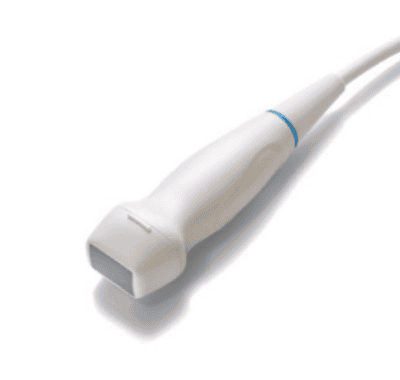
Figure 1. Phased array ultrasound probe
A cardiac POCUS includes five standard views of the heart and inferior vena cava (below). Sonographers should recognize each of the ideal views and limitations of suboptimal views.
Probe marker orientation varies across pediatric disciplines, including cardiology, pediatric emergency medicine, critical care, and neonatology. This especially differs for the parasternal long axis view (discussed in more detail below). This may result in an image that appears “flipped,” or rotated 180 degrees, on the screen. Practice obtaining the views in your local environment, but also gain comfort interpreting a flipped image.
(Although all views can be used to evaluate gross ventricular function and for pericardial effusion, highlights of each view are listed below.)
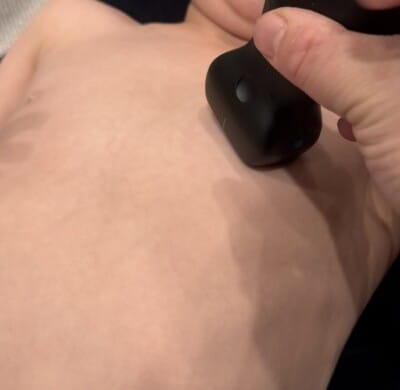
Figure 2. PSLA probe placement with phased array probe. (Image from Dr. Margaret Lin-Martore)
In this image and the ones below, note that the probe is larger than a typical phased-array probe (Figure 1).
Note: The direction of the probe marker, especially for the parasternal long axis, may vary across specialties and institutions. Some specialties point the probe marker towards the left hip and others towards the right shoulder. This may result in an image that appears “flipped” (or rotated 180 degrees) on the screen.
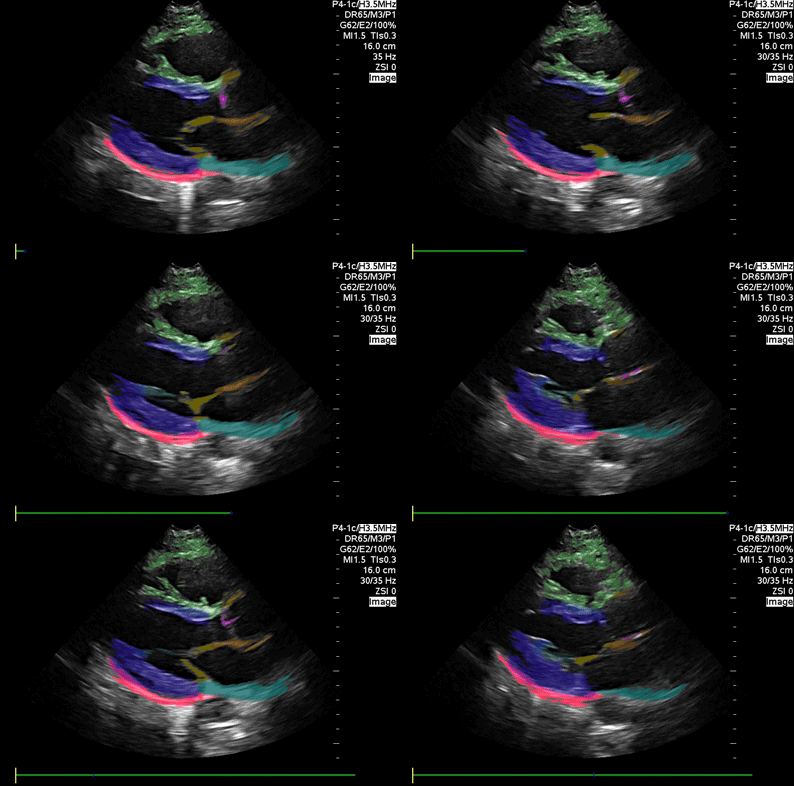
Video 1: Normal PSLA cardiac view (Image from thepocusatlas.com. Images: Dr. Lindsay Davis, Dr. Hanna Kopinski. Image Editing: Michael Amador and Dr. Matthew Riscinti)
Color labels in video:
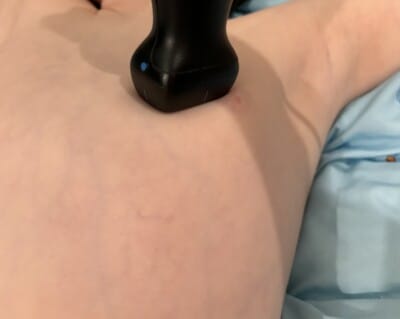
Figure 3. Probe placement for PSSA. From the PLSA view, center the left ventricle (LV) on the screen then rotate the probe 90° clockwise towards the right hip.
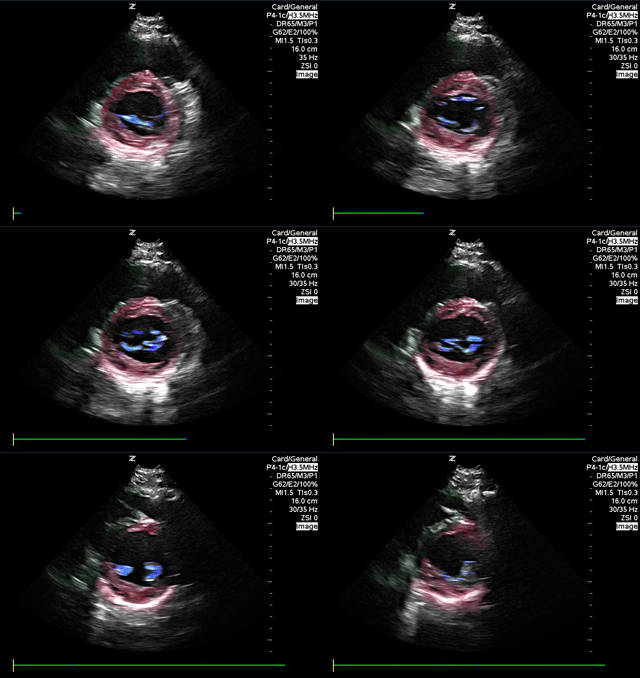
Video 3: Normal PSSA view (Image from thepocusatlas.com – Dr. Lindsay Davis, Dr. Hanna Kopinski. Image editing: Michael Amador and Dr. Matthew Riscinti.)
Color labels in video:
The ideal view is at the mid-papillary level, meaning both papillary muscles are visible in the LV at approximately 4 and 8 o’clock. Note that this video starts with the “fish mouth” view of the mitral valve and ends with the mid-papillary view.
Additional views: Fanning through the PSSA view, starting at the apex → mid-papillary view → “fish mouth” view of the mitral valve → “Mercedes-Benz” view of the aortic valve (video 3A).
Additional Uses:
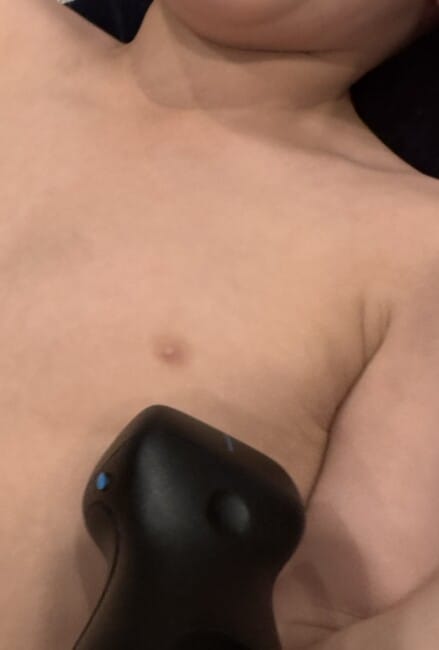
Figure 4. Probe placement for apical 4-chamber view (A4CH). Image from Dr. Margaret Lin-Martore.
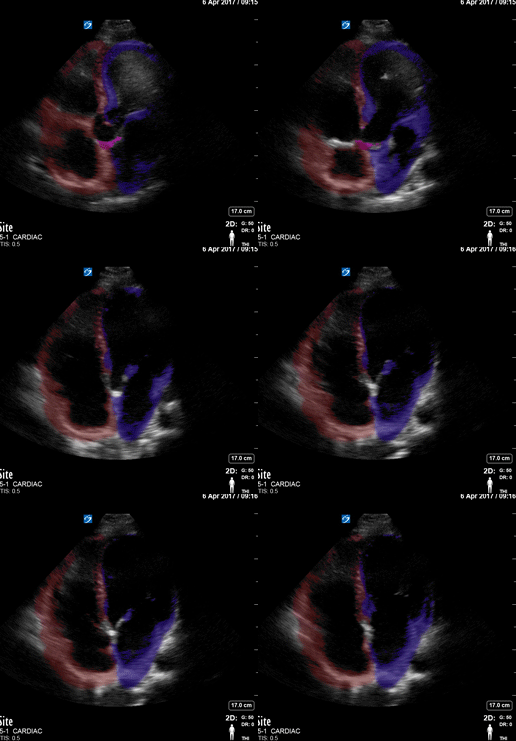
Video 5: Normal A4CH view (Image from thepocusatlas.com. Images: Dr. Lindsay Davis, Dr. Hanna Kopinski. Image Editing: Michael Amador and Dr. Matthew Riscinti.)
Color labels in video:
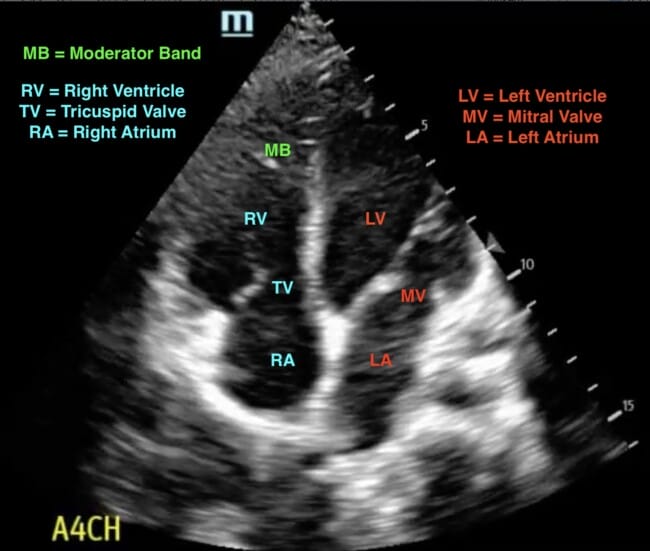
Figure 5. Normal A4CH view with labels
Ventricle differentiation: Regardless of probe marker orientation, you can still differentiate the 2 ventricles in a number of ways:
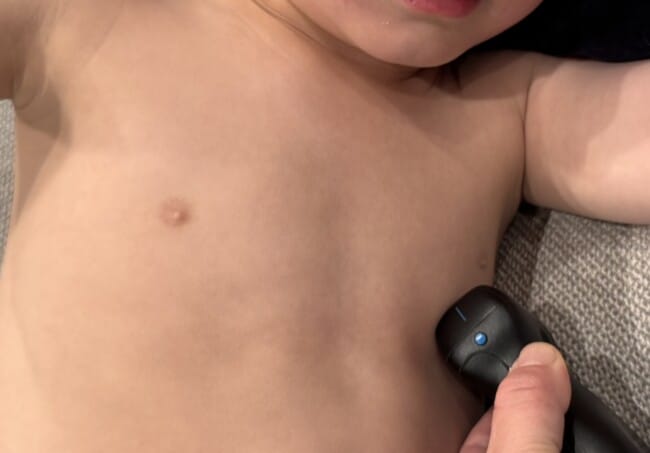
Figure 6. Left lateral decubitus positioning for A4CH probe positioning
Optimize views:
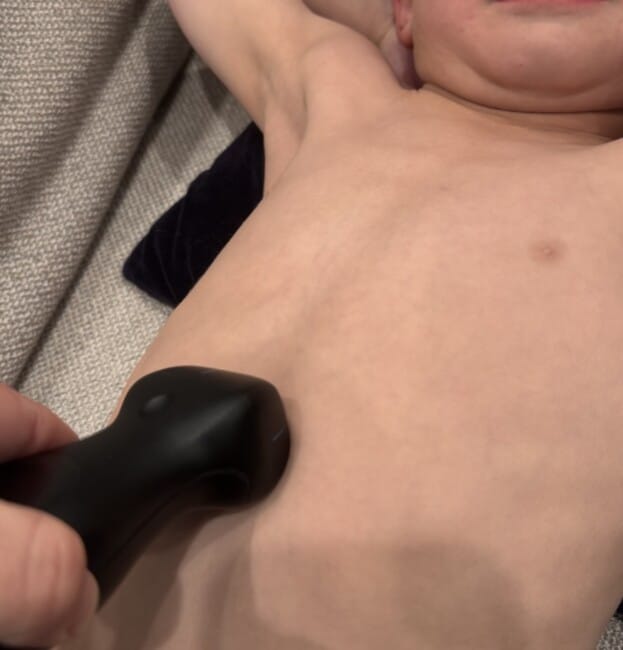
Figure 7. Subxiphoid view probe placement (Image from Dr. Margaret Lin-Martore)
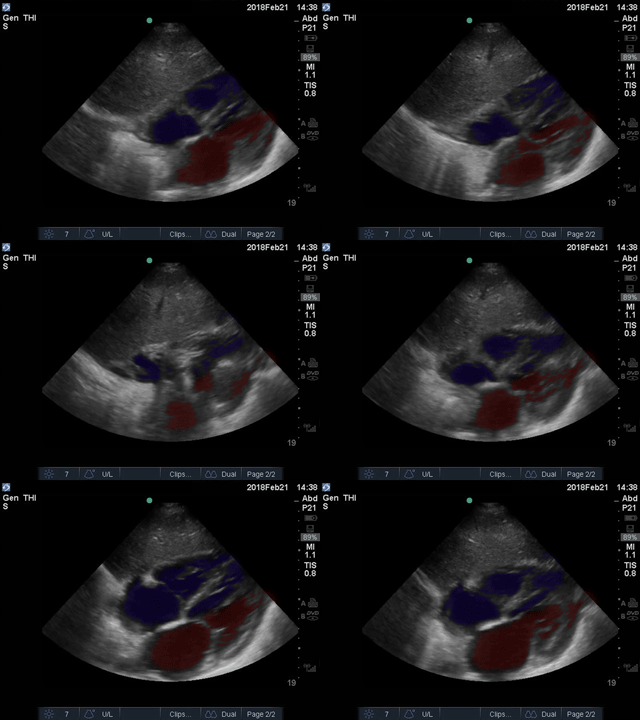
Video 7. Normal subxiphoid view (Image from thepocusatlas.com by Dr. Lindsay Davis, Dr. Hanna Kopinski. Image Editing: Michael Amador and Dr. Matthew Riscinti)
Anatomy in video:
Pro tip: Sweeping through this view can allow further assessment for pericardial effusions
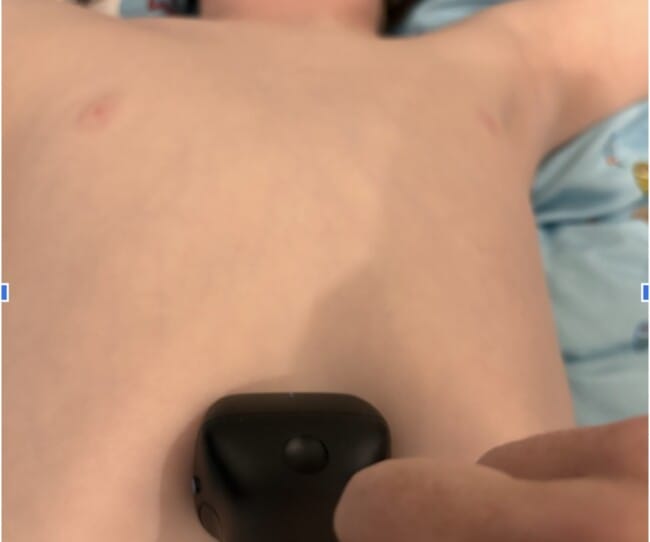
Figure 8. Probe placement for IVC transverse view. Tilt the probe perpendicular to the patient in a similar location as the subxiphoid view with probe marker to patient’s right. (Image from Dr. Margaret Lin-Martore)
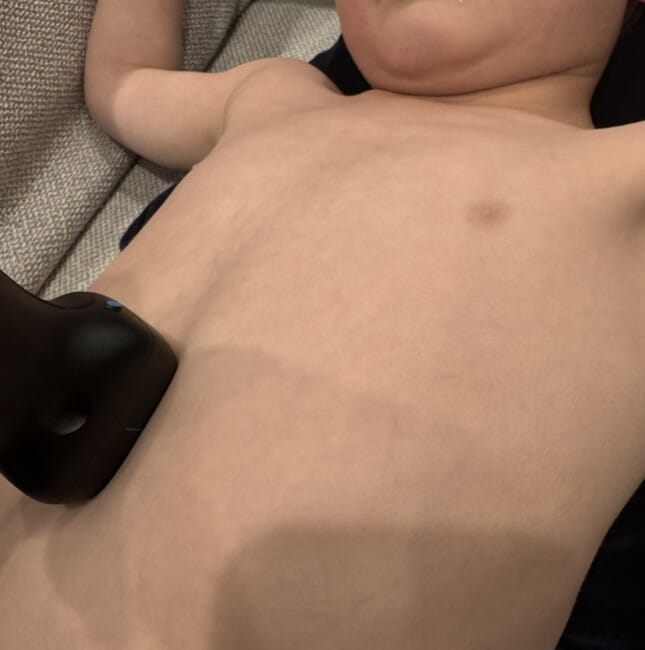
Figure 9. Probe placement for IVC sagittal view. Center the IVC on the screen, then rotate the probe 90 degrees with probe marker to patient’s head. Slide the probe cephalic until you see the IVC entering the right atrium. (Image from Dr. Margaret Lin-Martore)
Notes:
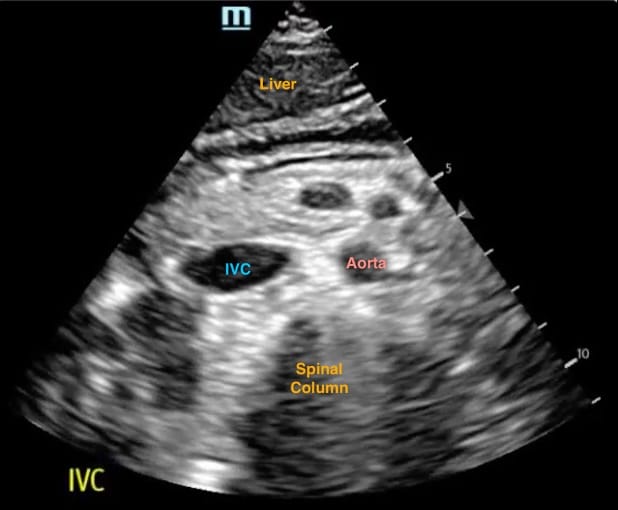
Figure 10. IVC transverse view with anatomy labels. Locate the spinal column (shadowing posteriorly). This shadowing can be seen even in a patient with a larger body habitus. Just anterior to the spinal column, locate the IVC (screen left, patient right) and abdominal aorta (screen right, patient left).
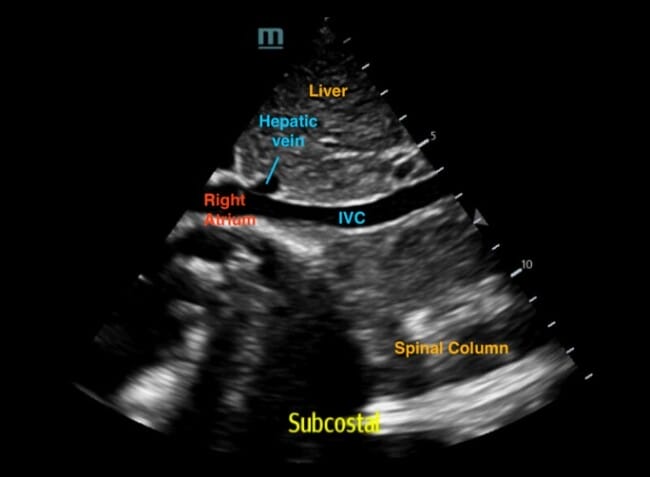
Figure 11. IVC sagittal view with anatomy labels. Visualize the IVC entering into the right atrium (note the hepatic vein draining into the IVC). Examine for collapsibility just distal to the hepatic vein.
Various IVC measurements exist, including IVC collapsibility index and IVC-aorta ratio.
In the sagittal plane at the level of the IVC just distal to the entry of the hepatic vein, measure the maximum and minimum IVC diameters. A collapsibility index of >50% may represent volume responsiveness.
In the transverse plane near the entry of the renal vein, measure the maximum IVC and aorta diameters. Numerous cutoffs for IVC/Ao ratio exist, and can vary by patient age. An IVC/Ao ratio < 0.8 may be suggestive of dehydration.
Please see Facts and Literature Review section for more information on IVC and volume status.
Cardiac POCUS is used primarily to detect significant abnormalities, including:
Note: Lung POCUS views may show diffuse B-lines. These vertical white lines originating from the pleura can suggest pulmonary edema in the presence of heart failure. Please see ALiEM PEM POCUS Series: Pediatric Lung Ultrasound for more information.
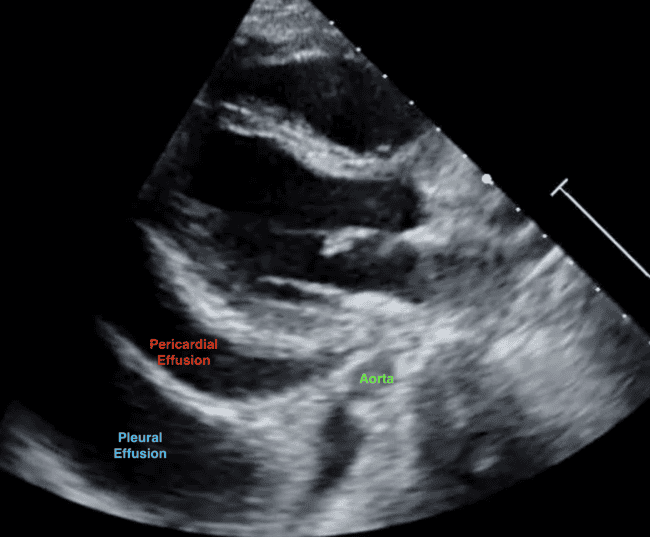
Figure 12. Pericardial and pleural effusion on PSLA view
Beware of 2 potential false positives when evaluating for pericardial effusion.
In the PSLA view, this looks like a hypoechoic rim anterior to the heart (closest to probe marker) but NOT posterior to the heart. Typically a fat pad will move in sync with the heart while an effusion does not.
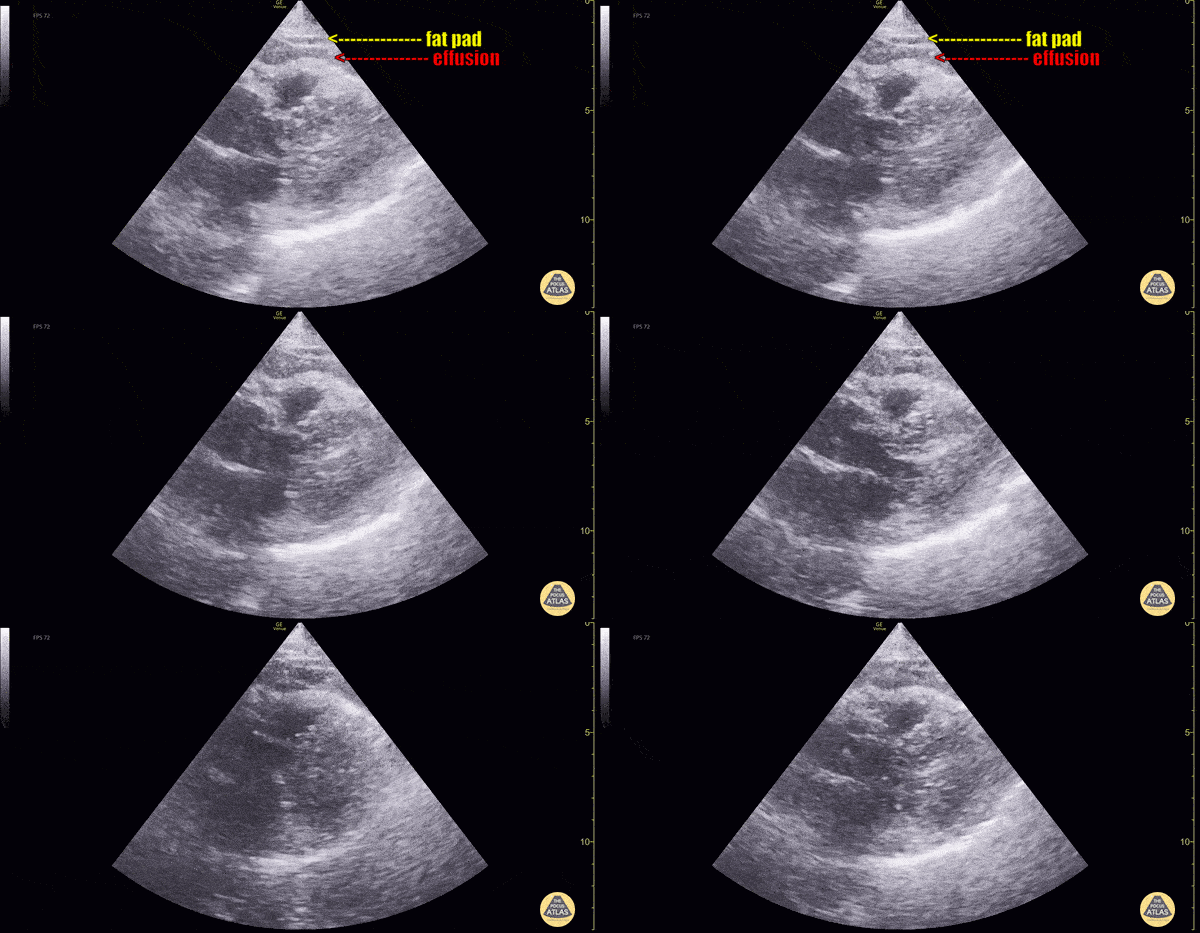
Video 15. Pericardial fat pad and effusion (From thepocusatlas.com by Dr. Dimitri Livshits; Dr. Jane Belyavskaya; Dr. Chris Hanuscin)
Myocardial dropout occurs when ultrasound waves strike cardiac muscle fibers at specific angles, causing alterations in echogenicity. This acoustic phenomenon can result in the myocardium appearing as a hypoechoic rim. It’s important to note that this rim represents actual myocardial tissue rather than an external collection such as a pericardial effusion. By adjusting the probe angle during the examination, the echogenicity of the myocardium will correspondingly shift, confirming that the hypoechoic area is indeed myocardial tissue rather than a fluid collection (e.g., pericardial effusion).
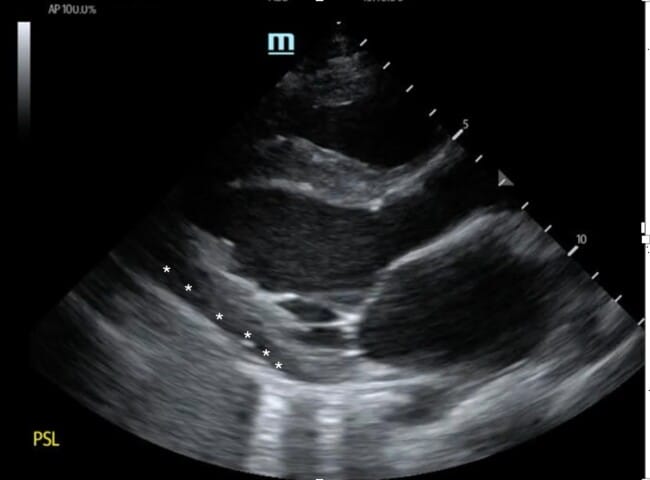
Figure 13. “Myocardial dropout” effect with asterisks marking drop out area – Changes in echogenicity of the myocardium can sometimes look like a hypoechoic rim. This rim is within the myocardium and not external to the heart as expected for a pericardial effusion. (Image: Dr. Margaret Lin-Martore)
Definitive diagnosis of cardiac tamponade is beyond the scope of this module, and immediate specialist consultation is recommended if there is clinical concern. However, some concerning ultrasound features would include:
Right ventricular function assessment is beyond the scope of this module and typically cardiac POCUS is used as a general assessment. If there is clinical concern for this, specialist consultation is recommended.
Etiologies include pulmonary hypertension, pulmonary embolism, and right heart failure.
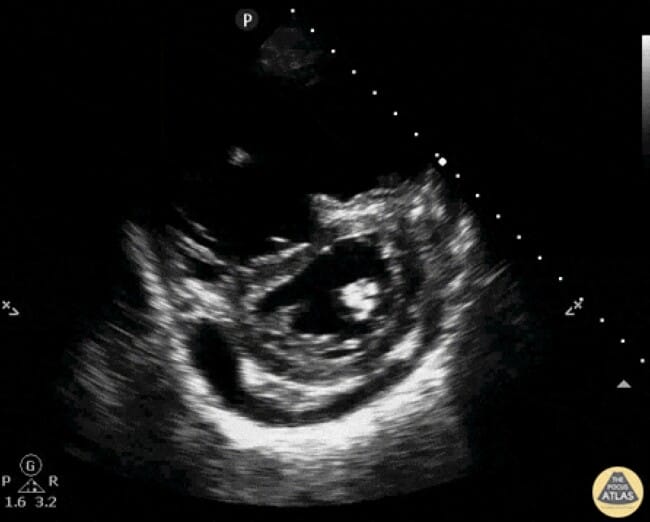
Figure 13. The D-sign (Image from thepocusatlas.com by Drs. Ronald Rivera, Elizabeth Hanson, Melanie Malloy, Kelly Maurelius, Kings County/SUNY Downstate Emergency Medicine.)
Beware the “Pseudo D-Sign”. If only one papillary muscle is in view due to probe rotation, the interventricular septum may appear artificially flattened.
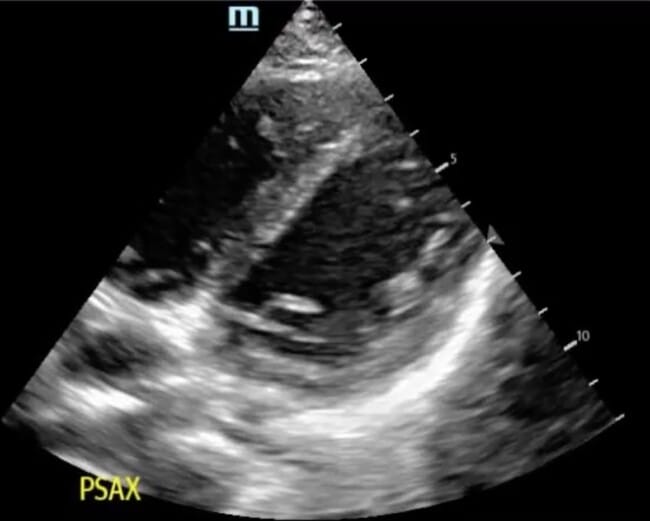
Figure 14. Pseudo D-Sign
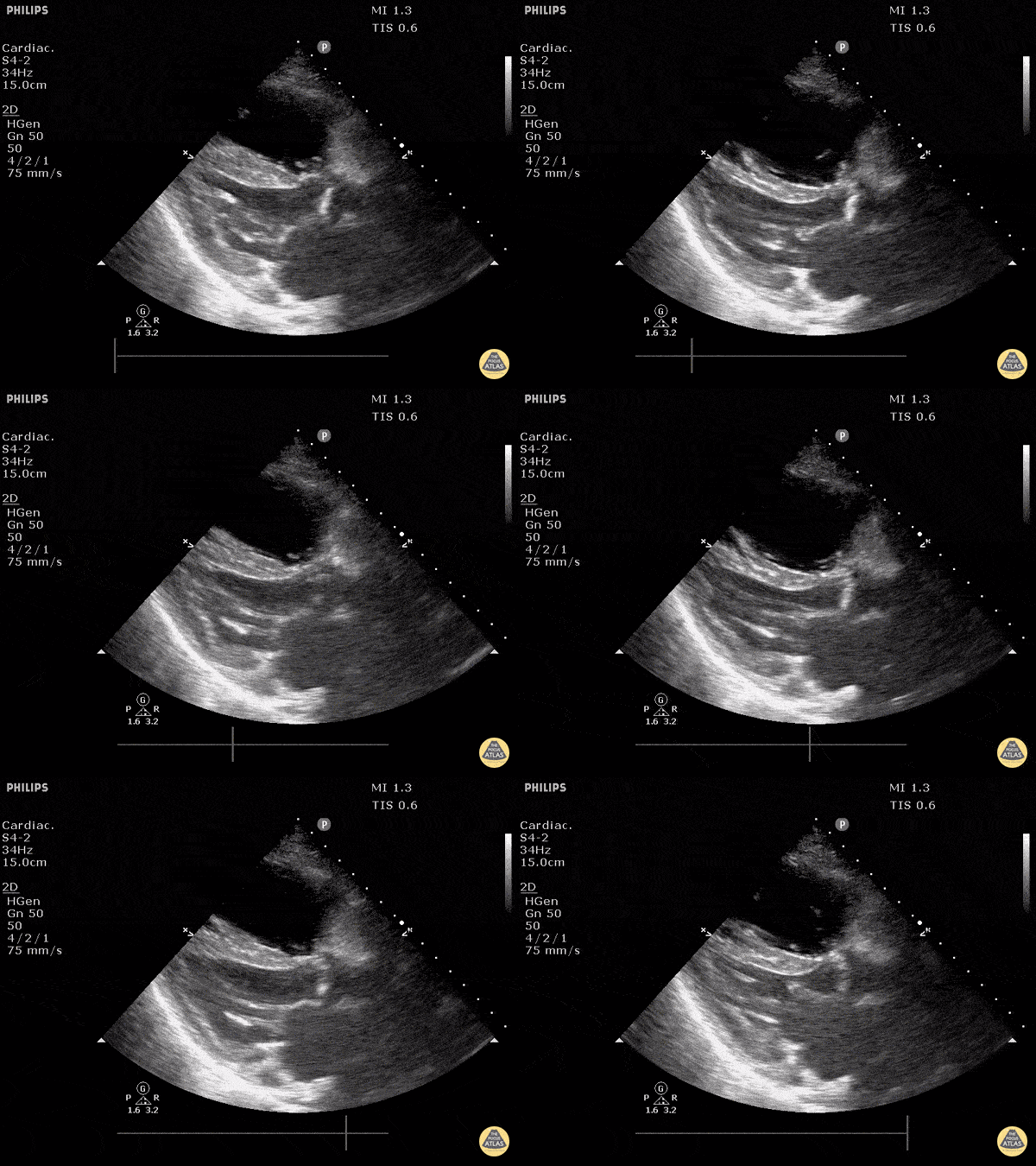
Video 26. RV dilation (PSLA view) – Note the enlarged right ventricle at the top of the screen.
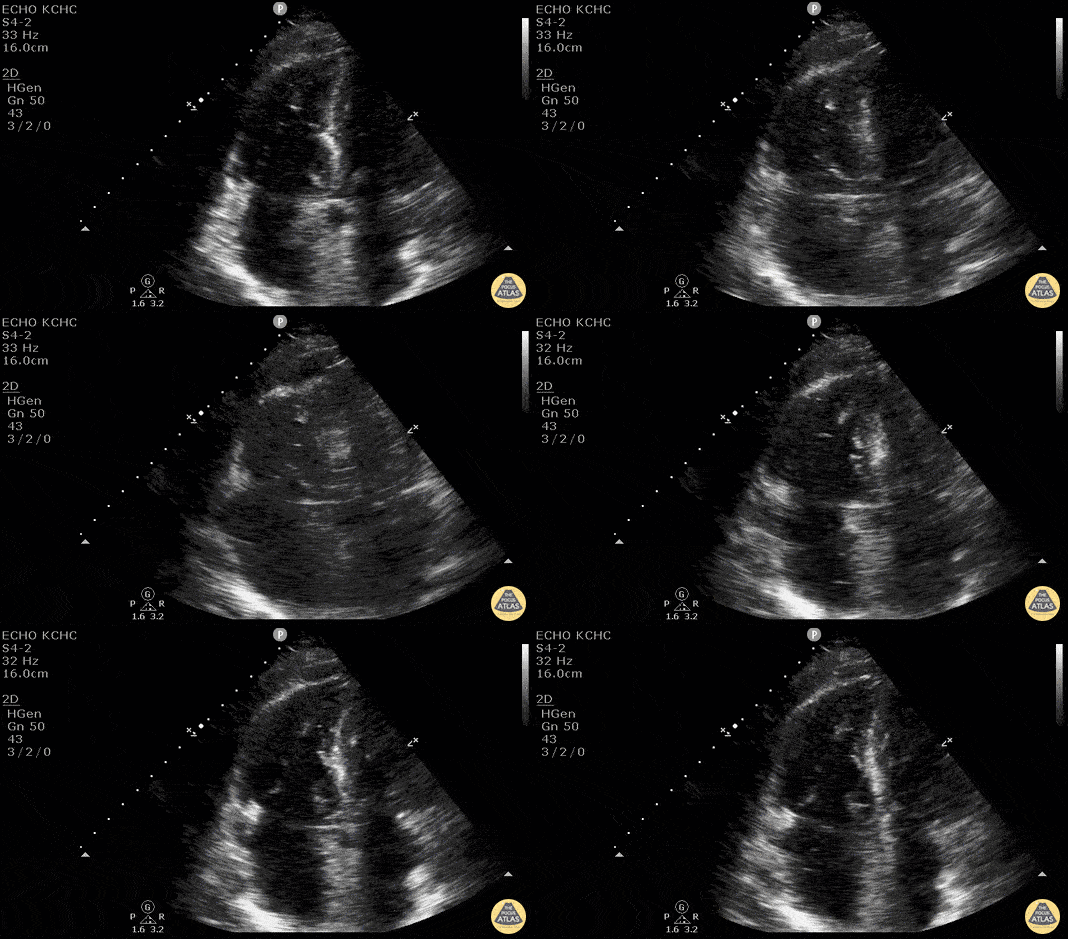
Video 27. McConnell’s sign in acute massive pulmonary embolism, showing akinesia of the lateral wall of the right ventricle and hypercontractility of the apical wall. (Image from thepocusatlas.com by Dr. Kelly Maurelus, Matthew Riscinti – Kings County Emergency Medicine)
In general, IVC assessment is most useful at the extremes:
When evaluating the IVC, it is important to interpret in the overall context of the patient’s presentation. For example, a plethoric IVC with minimal XXX
Much of the foundation for pediatric cardiac POCUS use is extrapolated from adult studies. Marbach et al. provide an excellent summary of the adult literature and highlights that cardiac POCUS improves clinicians’ bedside diagnostic accuracy, which influences management decisions, expedites time to diagnosis, and decreases resource use [2].
Pediatric-specific studies are summarized below. In general, cardiac POCUS demonstrates adequate sensitivity and specificity in evaluating for pericardial effusion and left ventricular systolic dysfunction [3]. POCUS may even be a promising adjunct to cardiology consultation for children with a variety of preexisting cardiac conditions [4]. These studies are primarily retrospective and warrant further future study.
In pediatric septic shock, cardiac POCUS can help clinicians characterize hemodynamics and often changes clinical management [5].
When it comes to interpretation errors, learners struggle more with evaluation for cardiac dysfunction and ventricle abnormalities than for pericardial effusion [6]. Additionally, novice trainees are more likely to make interpretation errors in real-time at the bedside than when reviewing images remotely [7]. These studies may inform future educational curricula surrounding pediatric cardiac POCUS.
| Year | Authors | Study Type, N, Ages | Findings |
|---|---|---|---|
| 2021 | Hamad et al. [9] | Case series
|
Examples of acute heart failure in children |
| 2022 | Miller et al. [3] | Retrospective review, single center (2015-2017)
|
Test characteristics for cardiac POCUS interpretation by pediatric emergency medicine (PEM) physicians for detection of pericardial effusion (16 cases) and LV systolic dysfunction (18 cases)
PEM physicians compared to POCUS experts:
PEM physicians compared to echocardiography done within 96 hours:
|
| 2024 | Hoffman et al. [4] | Retrospective review, single center (2015-2017)
|
Test characteristics for cardiac POCUS interpretation by (PEM physicians for detection of pericardial effusion and LV systolic dysfunction in children with preexisting cardiac disease, including:
PEM physicians compared to POCUS experts:
PEM physicians compared to echocardiography done within 96 hours:
Test characteristics were lower when including technically limited studies (5/104 studies). Limitations:
|
| 2024 | Scott et al. [9] | Retrospective review (pilot study)
|
Examined time-based metrics if POCUS used in ED for pediatric heart failure.
|
The evidence is highly variable for using IVC measurements (size, collapsibility index, IVC/Ao ratio) in isolation for predicting fluid responsiveness or central venous pressure [11-13]. A systematic review and meta analysis suggested IVC respiratory variation did not seem to reliably predict fluid responsiveness (AUC 0.71, Sn 71%, Sp 75%) [14]; however, this review also acknowledged high study heterogeneity.
Below are a few best practices when using the IVC assessment in your clinical care:
Your cardiac POCUS (5 videos below) shows severe left ventricular dysfunction and dilation.
|
|
|
|
|
The chest X-ray shows cardiomegaly with pulmonary edema. Labs are notable for severe hypocalcemia to 4.2 mg/dL (thought to be secondary to congenital hypoparathyroidism in the setting of 22q11 syndrome). The labs are otherwise unremarkable.
You suspect his cardiac dysfunction is secondary to severe hypocalcemia, give him calcium gluconate, and emergently transfer him to the nearest pediatric center with cardiac intensive care.
Note: The IVC view does have some respiratory variation, although we more commonly see a plethoric IVC in the setting of heart failure. This is a reminder to avoid making decisions based solely on the IVC view. It’s an extra data point in the overall context of the other POCUS views.
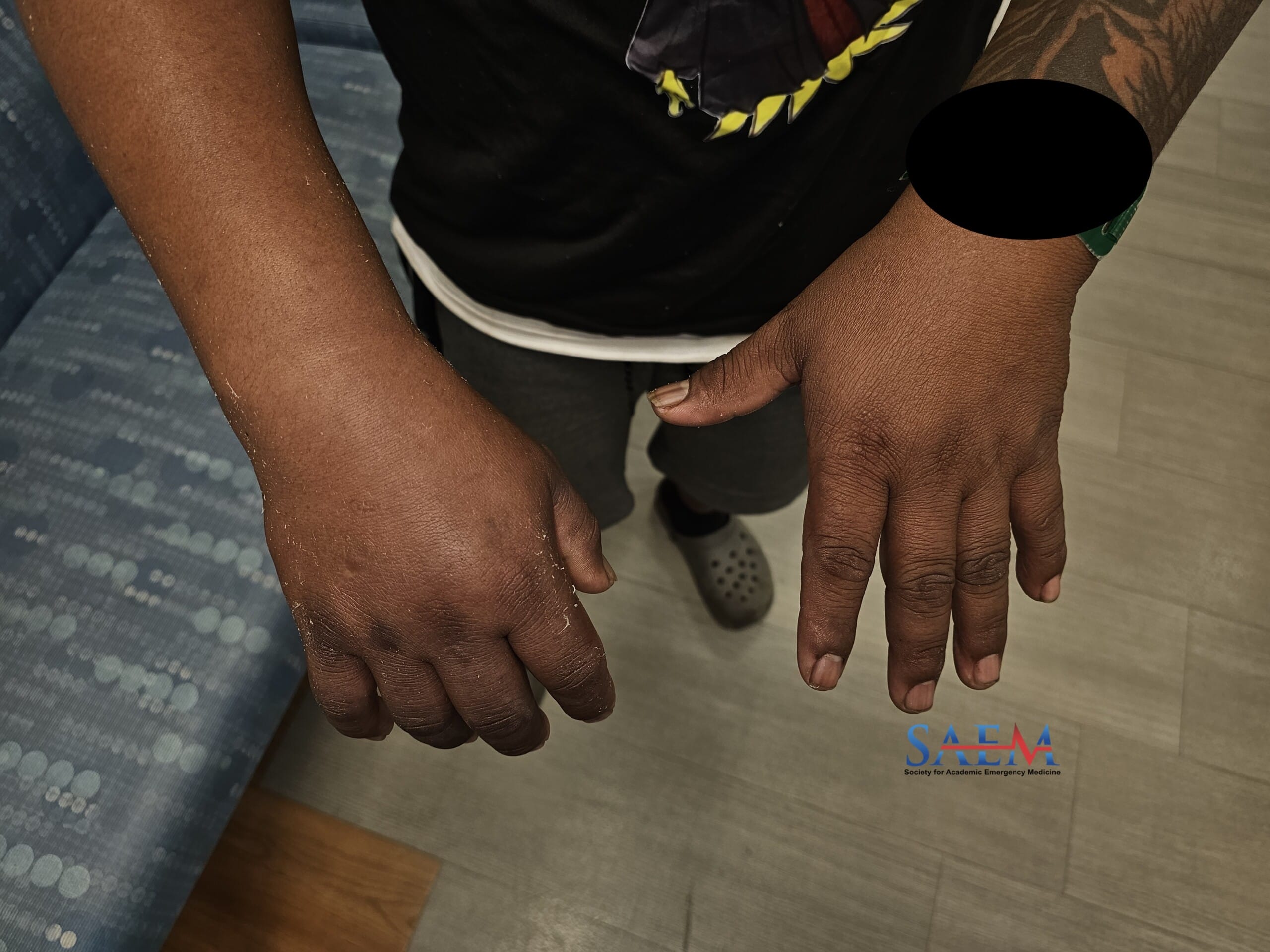
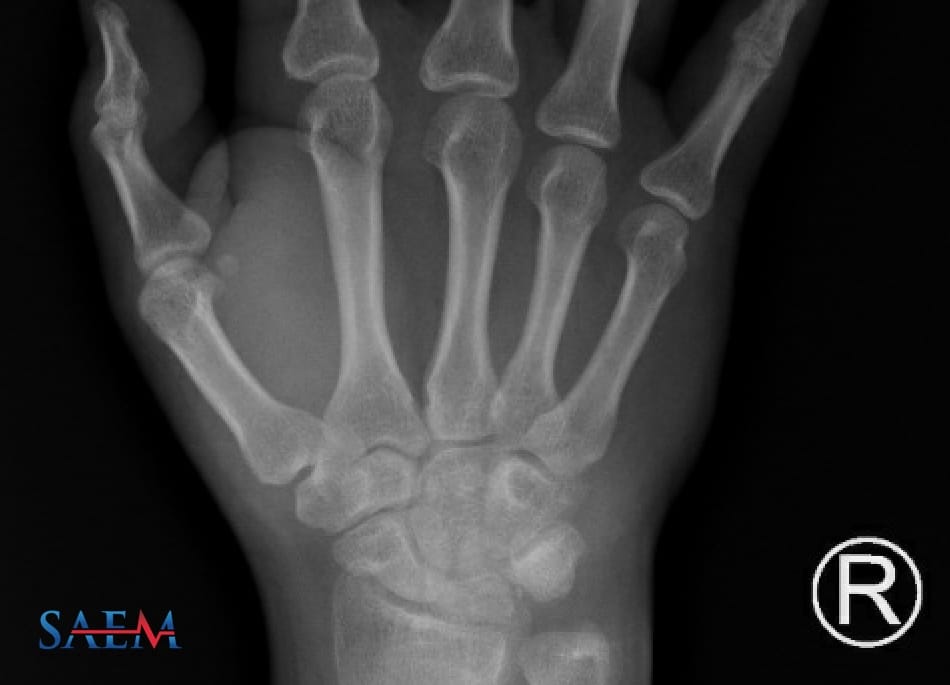
A 27-year-old male with no significant past medical history presented to the ED due to right hand pain and swelling. The patient reported that he works as a roofer and felt severe, sharp pain in his right hand immediately after using a nail gun this morning. The pain was followed by gradual swelling of the right wrist and hand. There was no loss of sensation or bleeding from the injury site. He additionally denied any injury from the nail itself. The patient was in moderate pain but hemodynamically stable while in the ED.
Vitals: Temp 36.6 °C; BP 155/99; HR 71; RR 18; SpO2 99%
General: Alert, mild distress.
Musculoskeletal: No gross deformities to right hand, reduced right hand flexion/extension due to pain, normal ROM of right shoulder and elbow, pain with right forearm supination/pronation, swelling of right hand and fingers and diffusely tender carpal bones.
Non-contributory
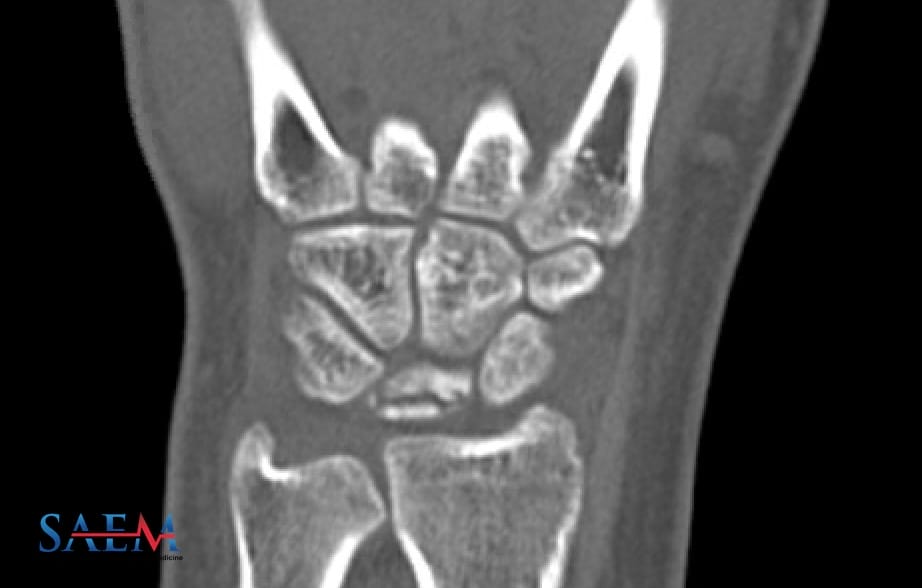
Comminuted lunate fracture. Lunate fractures, especially comminuted lunate fractures, usually result from high-energy trauma, with an incidence ranging from only 0.5% to 6.5% of carpal fractures. Up to one-third of wrist fractures appear to be overlooked on traditional radiography. Further imaging should be warranted for patients who are clinically suspicious of wrist fractures in the ED. Multidetector Computed Tomography (MDCT) with multiplanar reformat capability is a useful method to identify occult wrist fractures.
The blood supply of the lunate bone comes from the palmar and medial arteries of the carpometacarpal branch of the radial artery. Damage to the artery may lead to avascular necrosis (Kienböck disease). Comminuted lunate fractures may result in severe intraosseous destruction of vasculature, increasing the risk of lunate bone necrosis. An at-risk nerve is the median nerve, which runs through the carpal tunnel. If the lunate is fractured or displaced, it may compress or damage the median nerve, resulting in pain, paresthesia, or sensory loss in the palmar surface of the thumb, index, and middle fingers and radial half of the ring finger.
Associated risk factors for a lunate fracture include occupations or sports involving repetitive pressure to the base of the hand with the wrist in extension (eg, roofer, gymnast, jack-hammer operator).
Due to complex carpal anatomy, traditional radiography may not be sufficient to detect lunate fractures.
At-risk structures that require evaluation in the case of lunate fracture include the palmar and medial branches of the radial artery and the median nerve.
Li, Jun, et al. “Comminuted lunate fracture combined with distal radius fracture and scaphoid fracture: A case report.” Medicine, vol. 102, no. 29, 2023, https://doi.org/10.1097/md.0000000000034393.
Balci, Ali, et al. “Wrist fractures: Sensitivity of radiography, prevalence, and patterns in MDCT.” Emergency Radiology, vol. 22, no. 3, 2014, pp. 251–256, https://doi.org/10.1007/s10140-014-1278-1.
Geissler, William B. “Carpal fractures in athletes.” Clinics in Sports Medicine, vol. 20, no. 1, 2001, pp. 167–188, https://doi.org/10.1016/s0278-5919(05)70254-4.
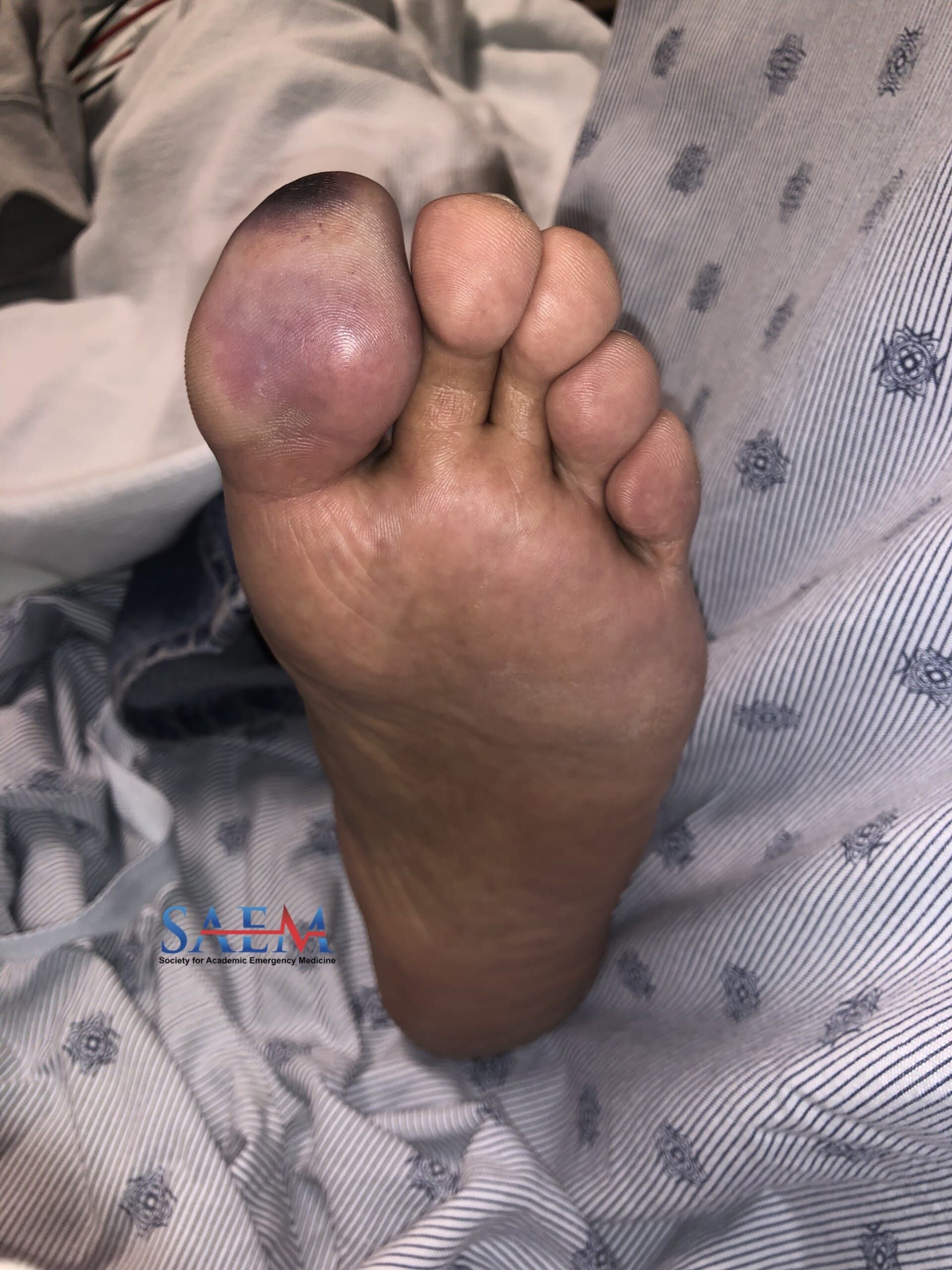
A 63-year-old-male with a past history of hypertension, renal failure with dialysis three times per week, and prior infective endocarditis appropriately treated with a regimen that ended four weeks ago presented with left great toe pain that started three weeks ago. The toe began swelling two weeks ago with continued pain and tenderness, becoming discolored approximately one week ago. He noted subjective fever and chills, but had no other complaints.
Vitals: Heart Rate 104, BP 111/69 mmHg, Temperature oral 38.1°C, Respiratory Rate 16; SpO2: 99% on room air
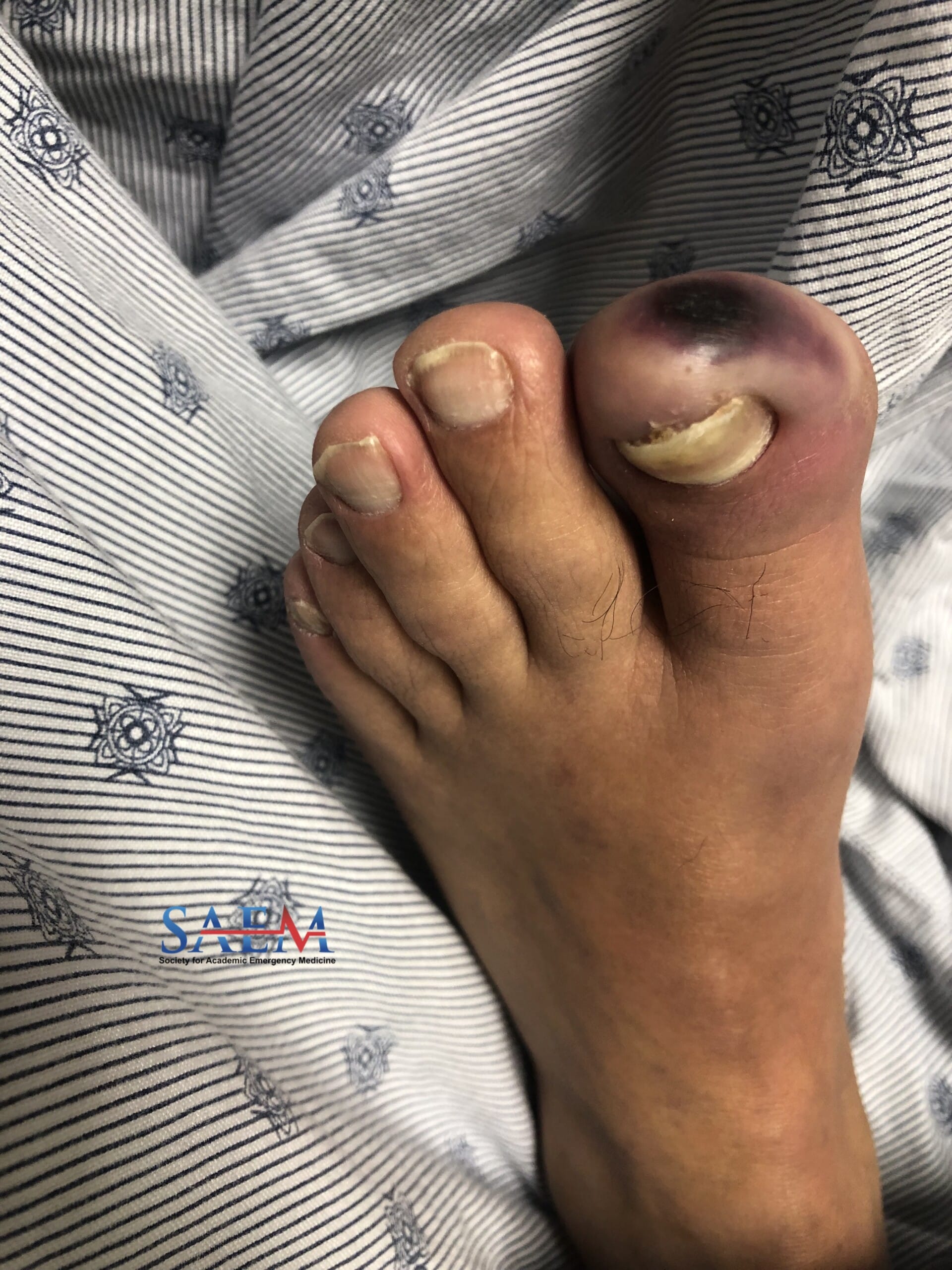
Skin: The plantar surface of the left great toe has violaceous discoloration extending to the dorsum of the distal phalanx around the nail. It is tender to touch at the plantar surface only. There is dark brown to black discoloration 16 mm x 8 mm at the distal medial aspect of the toe without ulceration.
Musculoskeletal: Good range of motion at all joints without pain.
Cardiovascular: 3/6 systolic murmur noted at the right sternal border.
The rest of the examination is normal.
BMP: BUN 19 mg/dL, Creatinine 5.21 mg/dL
Hemoglobin: 12.3 g/dL
WBC: 12.28 x 10^9/L
Imaging: X-ray of the left foot is unremarkable
Yes, the patient should be admitted; an Osler node or Janeway lesion is indicative of active endocarditis. An Osler node is a painful, tender, nodular lesion that is bluish-purple and is located on the distal phalanx of the fingers or toes. Classically, pain precedes any swelling, with subsequent discoloration occurring with skin pigmentation being described as reddish, cyanotic, bluish-purple, vivid pink, or erythematous. The skin may desquamate or darken, but ulceration is rare. Histologic evaluation reveals necrotizing vasculitis and inflammatory infiltration of the vascular channels. Aspiration and culture of the lesions typically yields no organisms, though several case reports note positive bacterial growth with organisms that match the underlying endocarditis bacteria. Whether an Osler node is caused by micro-septic emboli or by an immune response is a controversy that has not yet been settled. Janeway lesions, also seen in endocarditis, are similar discolored macules on the palms or soles. However, Janeway lesions are normally painless, which is a key factor that differentiates them from Osler nodes. Osler nodes or Janeway lesions are indicative of active endocarditis. Patients with these lesions, such as the patient in this case, should be admitted for blood cultures, echocardiography, and intravenous antibiotics. This patient was admitted, and his echo confirmed multiple vegetative lesions with severe aortic valvular disease. The patient was subsequently transferred for valve replacement surgery after three weeks of intravenous antibiotics.
Osler nodes are tender, violaceous nodules located on the finger or toe pads.
Janeway lesions, located on the palms or soles, have similar discoloration but are not tender.
Osler nodes and Janeway lesions are uncommon but important manifestations of infective endocarditis.
Farrior JB, Silverman ME. A consideration of the differences between a Janeway’s lesion and an Osler’s node in infectious endocarditis. Chest. 1976 Aug;70(2):239-43. doi: 10.1378/chest.70.2.239. PMID: 947688.
Philip J, Bond MC. Emergency Considerations of Infective Endocarditis. Emerg Med Clin North Am. 2022 Nov;40(4):793-808. doi: 10.1016/j.emc.2022.07.001. Epub 2022 Oct 7. PMID: 36396222.

Welcome to the AIR Environmental Module! After carefully reviewing all relevant posts in the past 12 months from the top 50 sites of the Digital Impact Factor [1], the ALiEM AIR Team is proud to present the highest quality online content related to related to Environmental emergencies in the Emergency Department. 5 blog posts met our standard of online excellence and were approved for residency training by the AIR Series Board. More specifically, we identified 1 AIR and 4 Honorable Mentions. We recommend programs give 3 hours of III credit for this module.
In an effort to truly emphasize the highest quality posts, we have 2 subsets of recommended resources. The AIR stamp of approval is awarded only to posts scoring above a strict scoring cut-off of ≥30 points (out of 35 total), based on our scoring instrument. The other subset is for "Honorable Mention" posts. These posts have been flagged by and agreed upon by AIR Board members as worthwhile, accurate, unbiased, and appropriately referenced despite an average score.
Want asynchronous Individualized Interactive Instruction (III) credit?
Take the AIR quiz at ALiEMU. Free, 1-time login required.
| Site | Article | Author | Date | Label |
|---|---|---|---|---|
| EM Ottawa | The Deep Freeze: A Review of Frostbite Management | Dr. Maria Doubova and Dr. Amanda Mattice | November 2, 2023 | AIR |
| EM Ottowa | Don't Sweat It! Heat Related Illness | Dr. Steven Sanders | July 6, 2023 | HM |
| EMDocs | ToxCard: Crotalid Envenomation Part 2 – CroFab vs. AnaVip: What's the Difference? | Dr. Sean Trostel | August 31, 2023 | HM |
| Taming the SRU | Mastering Minor Care: Dog Bites | Dr. Melanie Yates | July 12, 2023 | HM |
| Kings County | It's Getting Hot in Here: Exertional Heat Stroke | Dr. Esteban Davila | February 27, 2024 | HM |
(AIR = Approved Instructional Resource; HM = Honorable Mention)
If you have any questions or comments on the AIR series, or this AIR module, please contact us!
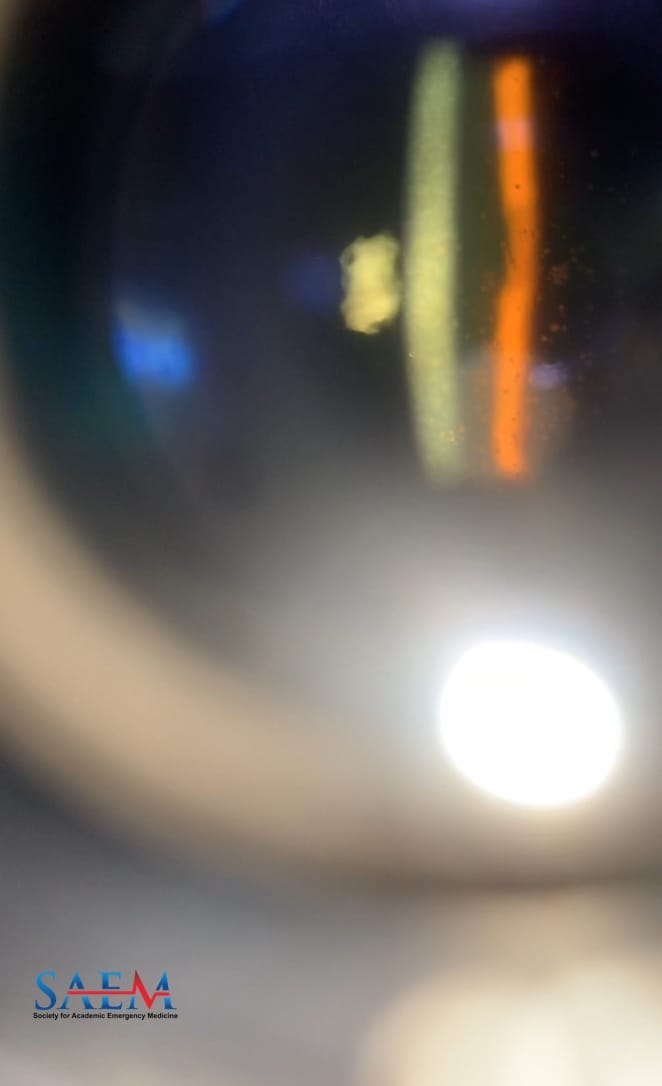
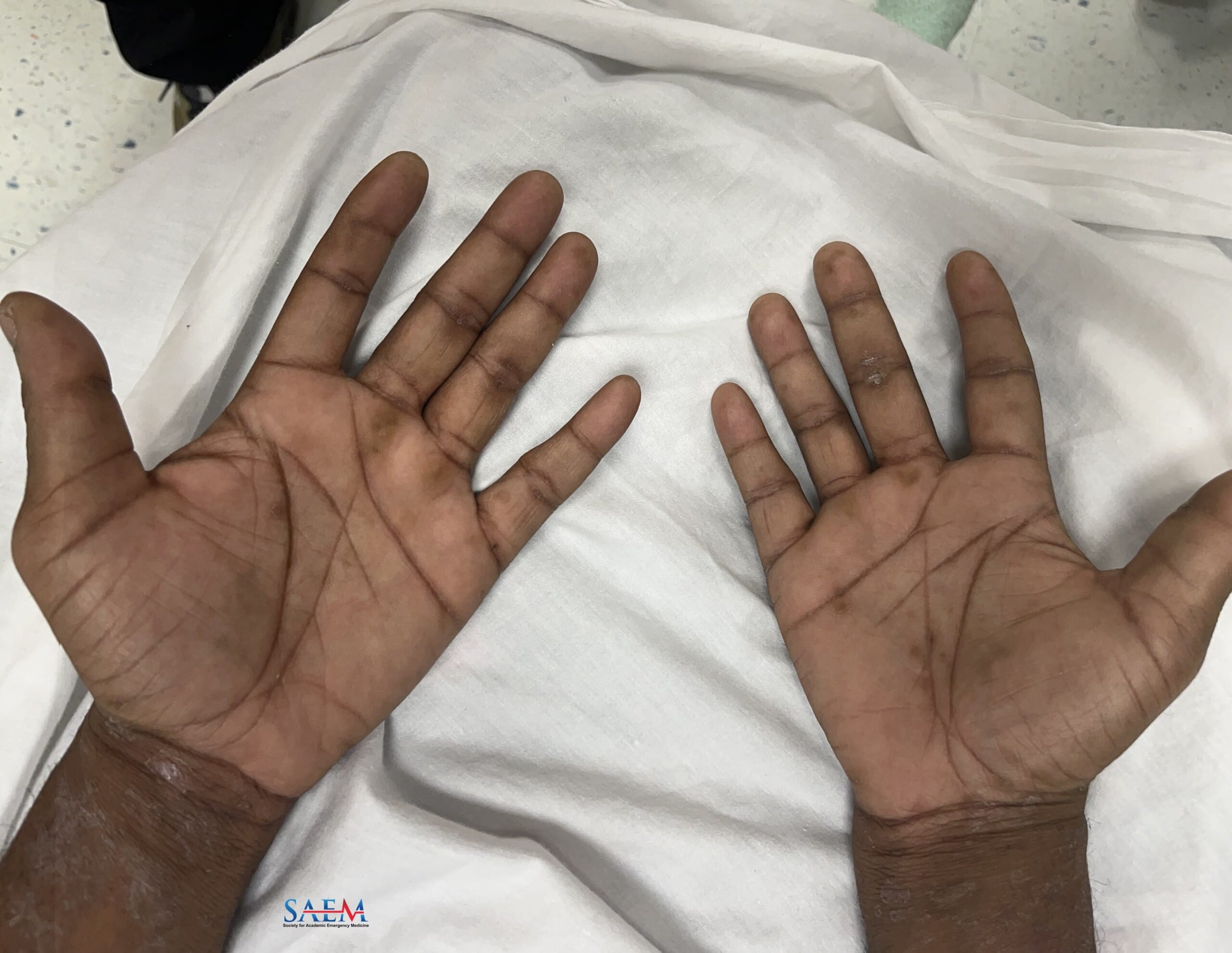
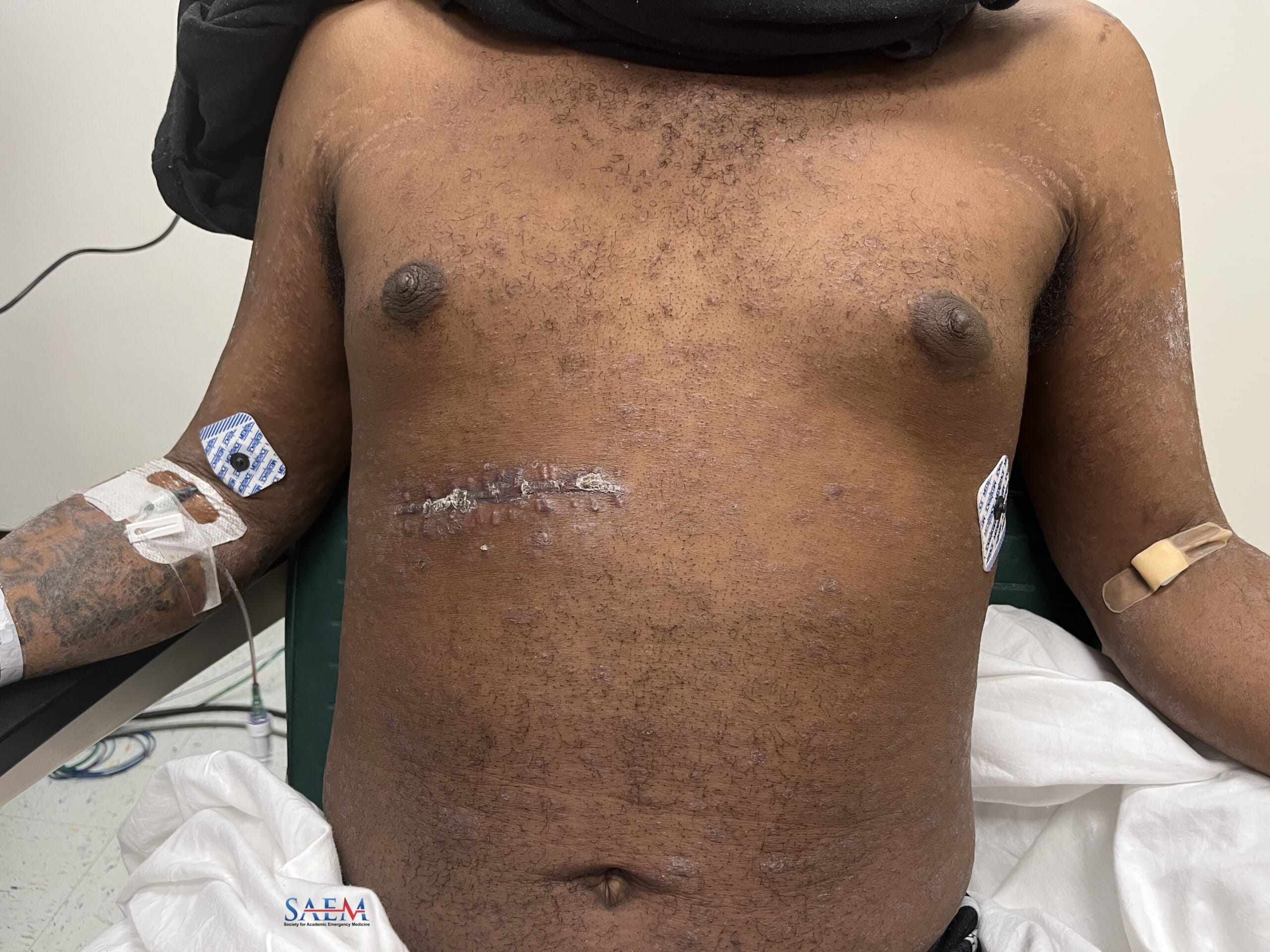
A 37-year-old African-American transgender patient presented with progressive, bilateral painful vision loss. The symptoms began acutely in the right eye two weeks prior to presentation, eventually extending to the left eye. Symptoms were worse in the right eye and included headache, blurry vision, photophobia, and pain with eye movement. Additionally, the patient reported the appearance of a diffuse, generalized, non-pruritic, non-tender rash of unknown duration or timeline. The rash was hyperpigmented and located on the trunk, face, genitalia, palms, and soles. The patient denied any recent trauma, using eye drops, wearing glasses, recent new detergents, soaps, illness, nausea, vomiting or sick contacts.
Vitals: HR 114; Temp 101.4 °F; BP 120/77; Resp 16; O2 98%
HEENT: Erythematous eyelids, bilateral conjunctival injection with a hazy cornea. Dilated and poorly reactive pupils, and overlying corneal edema without abrasion. Slit-lamp examination showed keratic precipitates in the anterior chamber. Visual acuity RE 20/200, LE 20/70. Intraocular Pressure (IOP) notable for OD 52, LOS 32.
Respiratory: Good bilateral air entry, clear breath sounds.
Cardiovascular: Normal rate, regular rhythm, S1,S2, no added sounds.
Skin/Extremities: Disseminated maculopapular rash all over the body, not itchy/crusty, nontender.
Neuro: At baseline mental status, AO X 3
WBC: 11.6
Hgb: 11.2
Platelets: 507
ALT: 70
AST: 80
ALK PHOS: 1449
HIV: Non-reactive
Hepatitis B: Non-reactive
Orthopoxvirus DNA: Not-detected
If emergency medicine physicians consider glaucoma due to syphilitic uveitis on their differential for patients presenting with skin and ocular symptoms, this can result in more rapid diagnosis and aggressive treatment. The CDC reported 176,713 cases of syphilis in 2021, showing an annual increase and a collective surge of 28.6% from 2020 to 2021. While the frequency of confirmed syphilis cases can vary, the global trend reveals a consistent rise in reported incidences, suggesting continued transmission of the infection. This is especially concerning because some individuals may not exhibit noticeable symptoms due to its challenging diagnosis and presentation. As a result, not all cases of syphilis are diagnosed or confirmed. Prompt recognition and treatment are crucial to save the patient’s vision and quality of life. The patient was empirically started on IOP-reducing medications, intravenous penicillin and admitted with a presumptive diagnosis of ocular syphilis. During admission, both Rapid Plasma Reagin (RPR) and trepanomal tests confirmed the syphilis diagnosis. Subsequently, the patient’s IOP normalized and vision improved to 20/200 in the right eye and 20/70 in the left.
High suspicion, improved awareness, increased testing, and effective surveillance systems are essential for accurately assessing the prevalence of syphilis in a given population.
Beginning treatment early on and before confirmatory testing in the ED will only help improve patient outcomes throughout hospitalization.
Centers for Disease Control and Prevention. Sexually Transmitted Disease Surveillance 2021 – Syphilis. Centers for Disease Control and Prevention. https://www.cdc.gov/std/statistics/2021/overview.htm#Syphilis. Accessed January 10, 2024.
Mathew D, Smit D. Clinical and laboratory characteristics of ocular syphilis andneurosyphilis among individuals with and without HIV infection. Br J Ophthalmol.2021;105:70-74.
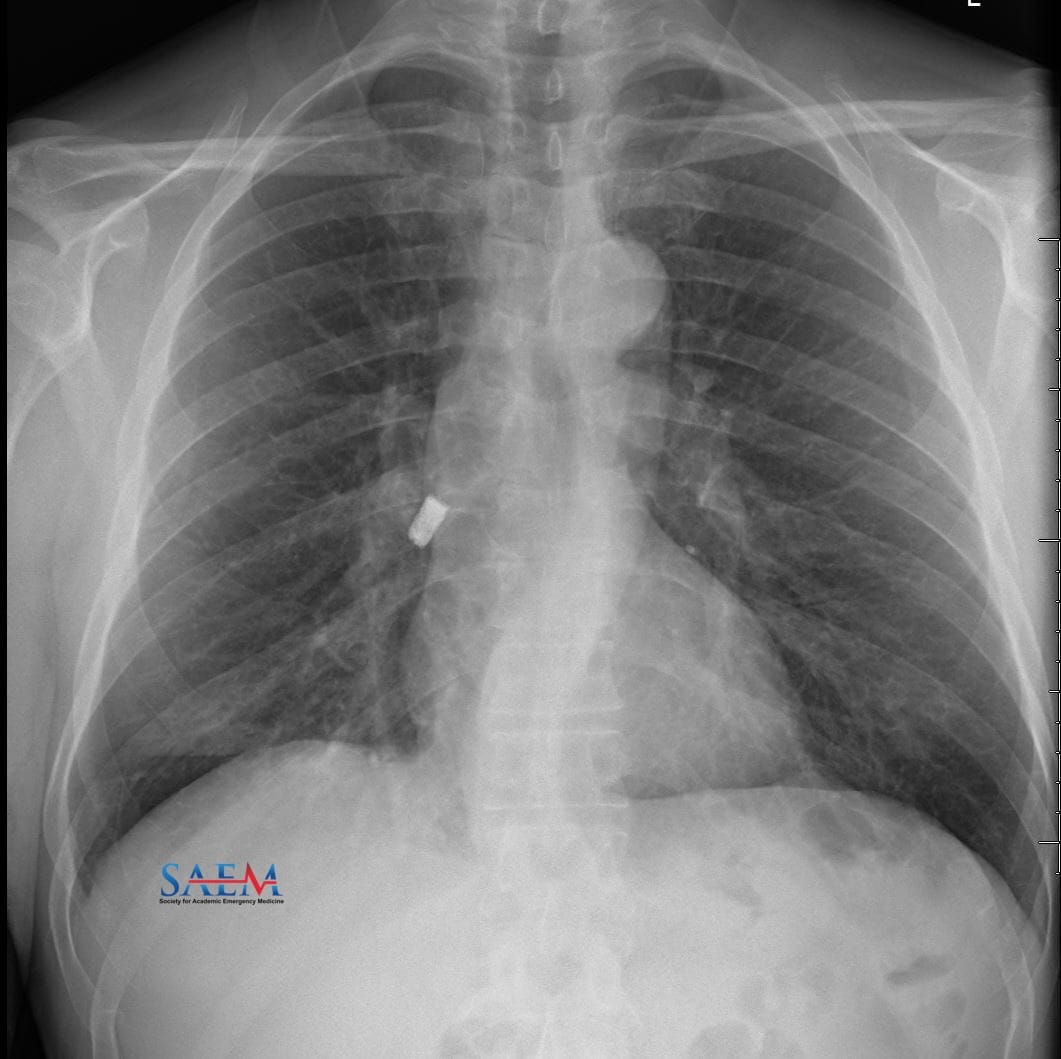
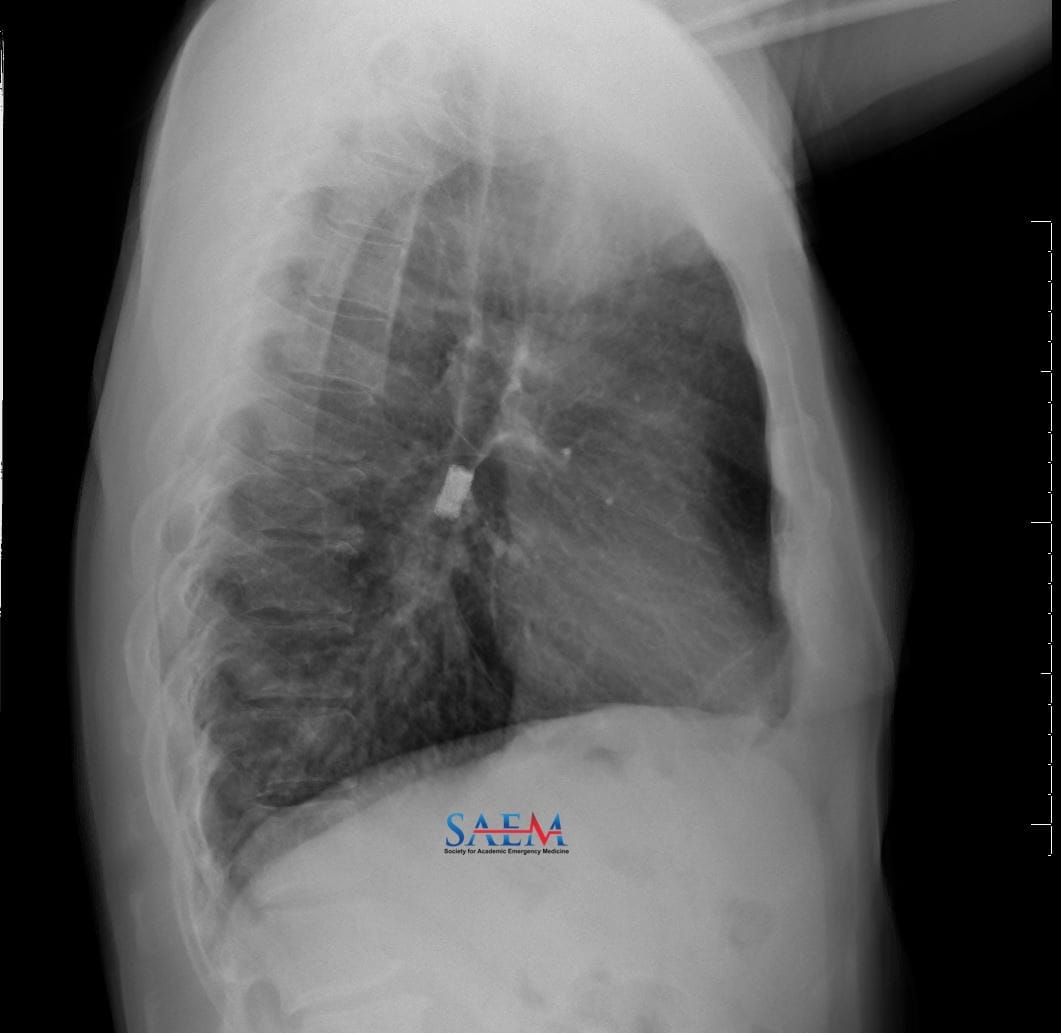
A 56-year-old male with a history of crack cocaine and opiate drug use presented to the Emergency Department (ED) with concerns about a persistent dry cough for seven days. The cough started after smoking cocaine from a homemade glass pipe. The day before arrival, he developed sharp chest pain with coughing associated with shortness of breath and a sore throat. The patient denied fevers, chills, or shortness of breath. He denied hemoptysis, nausea, vomiting, and diarrhea. A chest x-ray was obtained with the findings seen below.
Vitals: Temp: 36.6°C; HR: 78 bpm; RR: 18; BP: 128/85 mmHg; SpO2: 98% RA
General: Disheveled male who is alert in no acute respiratory distress.
Neck: Supple, no crepitus.
Cardiovascular: Regular rate and rhythm, No murmur, gallop, rubs.
Respiratory: Decreased air movement in the right lower lobe without wheezes, rales, rhonchi.
Chest wall: No tenderness.
Gastrointestinal: Soft, Nontender, Non distended, Normal bowel sounds.
WBC: 16.59 x10(3)/mcL
Images 1 and 2 show a radiopaque object in the right bronchus intermedius. By age 15 the aorta makes a prominent indent on the trachea and left mainstem bronchus, increasing the acute angle of the left bronchus compared to the trachea. This results in a relative straightening of the right mainstem bronchus in relation to the trachea and left mainstem bronchus. Thus, foreign bodies are more commonly found in the right bronchial tree of adults and children over 15 years old. In children younger than 15 years of age the angle of the left and right bronchus are symmetrical thus bronchial aspirated foreign bodies are equally likely to be found in either lung. In younger children the relative anatomical narrowing of the tracheobronchial tree results in more proximal airway obstructions at the level of the glottis, larynx, or trachea. (1)
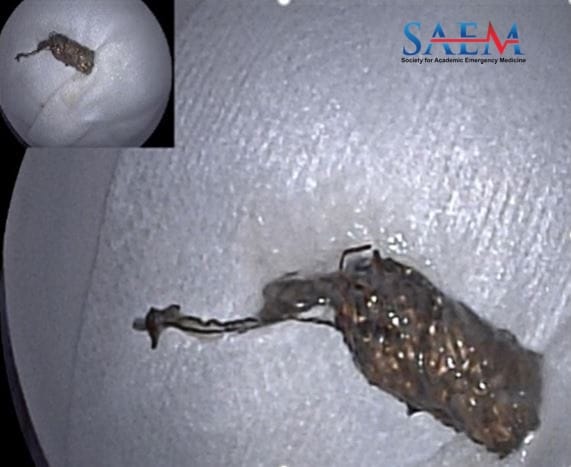
Picture 3 shows a steel wool plug after it was removed from the right bronchus by flexible bronchoscopy. The patient had used the steel wool as a filter for smoking cocaine and accidentally inhaled it during use. Steel wool, like most foreign bodies, causes direct trauma to the tracheobronchial tree as well as post-obstructive pneumonia. Steel wool filters present an added hazard in crack cocaine smoking due to thermal injury to the upper airway (2). Flexible bronchoscopy is the preferred modality for evaluation and treatment of tracheobronchial tree foreign bodies in adults. It has several advantages over rigid bronchoscopy. Flexible bronchoscopy allows better visualization of the distal airways and may be performed using local anesthesia under procedural sedation. (3) In one meta-analysis the procedure had a 90% success rate for foreign body removal. (4) The use of flexible bronchoscopy in children is less clear. A comparison of rigid verses flexible bronchoscopy in children showed a lower rate of respiratory complication in the rigid bronchoscopy group. However, there was no statistically significant overall complication rate for the two modalities. (5)
Right bronchial foreign bodies are more common after age 15.
Steel wool used as a filter in a glass pipe may lead to thermal or mechanical injuries to the upper airway, and post obstructive pneumonia due to aspiration of the entire steel wool plug.
Flexible bronchoscopy is the procedure of choice for the removal of bronchial foreign bodies in adults.
Cramer N, Jabbour N, Tavarez MM, et al. Foreign Body Aspiration. [Updated 2023 Jul 31]. In: StatPearls [Internet]. Treasure Island (FL): StatPearls Publishing; 2023 Jan-.Available from: https://www.ncbi.nlm.nih.gov/books/NBK531480/
Alda Moettus, Dan Tandberg, Brillo® pad crack screen aspiration and ingestion. The Journal of Emergency Medicine, Volume 16, Issue 6, 1998, Pages 861-863, ISSN 0736-4679, https://doi.org/10.1016/S0736-4679(98)00099-7. (https://www.sciencedirect.com/science/article/pii/S0736467998000997)
Bajaj D, Sachdeva A, Deepak D. Foreign body aspiration. J Thorac Dis. 2021 Aug;13(8):5159-5175. doi:10.21037/jtd.2020.03.94. PMID: 34527356; PMCID:PMC8411180.
Sehgal IS, Dhooria S, Ram B, Singh N, Aggarwal AN, Gupta D, Behera D, Agarwal R. Foreign Body Inhalation in the Adult Population: Experience of 25,998 Bronchoscopies and Systematic Review of the Literature. Respir Care. 2015 Oct;60(10):1438-48. doi: 10.4187/respcare.03976. Epub 2015 May 12. PMID: 25969517.
Wiemers A, Vossen C, Lücke T, Freitag N, Nguyen TMTL, Möllenberg L, Pohunek P, Schramm D. Complication rates in rigid vs. flexible endoscopic foreign body removal in children. Int J Pediatr Otorhinolaryngol. 2023 Mar;166:111474. doi: 10.1016/j.ijporl.2023.111474. Epub 2023 Feb 1. PMID: 36753891.