SAEM Clinical Images Series: Not Your Average Eczema

eczema

A 3-year-old male with a history of severe atopic dermatitis presented for facial rash and hand pain. Mom had been applying Aquaphor and Vaseline several times a day. On the day of presentation, he woke up with a new rash over his face and hands which prompted the ED visit. He is up to date on childhood immunizations and is not prescribed any oral medications.

Vitals: BP 103/61; HR 156; Temp 102.9°F; RR 30; SpO2 99%.

General: He appears in no acute distress, acting appropriately for age. Interacts and follows commands. Scratching himself all over.

Skin: Diffuse, itchy, dry skin throughout and findings noted in the attached images most notably erythematous pustules on the dorsal hands and peri-oral lesions in addition to punched-out ulcerations on the philtrum. Lesions are tender to palpation and spare mucous membranes and palms/soles. Nikolsky sign negative.

WBC: 12.96

Skin scraping: +VZV

This patient has Eczema herpeticum as demonstrated by multiple grouped pustules on an erythematous base.

Ophthalmology should be consulted to rule out ocular involvement most notably herpes zoster ophthalmicus.

Take-Home Points

  • Eczema herpeticum is typically caused by superinfection of Herpes Simplex Virus due to a diminished skin barrier from atopic dermatitis. It is commonly misdiagnosed as impetigo. Grouped vesicles/pustules on an erythematous base and tenderness to palpation should prompt the physician to suspect herpetic skin infection.
  • Eczema herpeticum may be potentially life-threatening if it has spread to multi-system involvement such as HSV keratitis or encephalitis.
  • Treatment includes acyclovir in addition to gram positive coverage such as TMP/SMX or cephalexin.

  • American Academy of Pediatrics: Herpes simplex. In: Kimberlin DW, Brady MT, Jackson MA, Long SS, eds. Red Book: 2015 Report of the Committee on Infectious Diseases. 30th ed. Elk Grove Village, IL: American Academy of Pediatrics; 2015:432–445.
  • Studdiford JS, Valko GP, Belin LJ, Stonehouse AR. Eczema herpeticum: making the diagnosis in the emergency department. J Emerg Med. 2011 Feb;40(2):167-9. doi: 10.1016/j.jemermed.2007.11.049. Epub 2008 Jun 27. PMID: 18584994.

By |2024-12-02T22:01:54-08:00Dec 20, 2024|Dermatology, SAEM Clinical Images|

SAEM Clinical Images Series: Pediatric Forehead Swelling

puffy

A 12-year-old male with a history of autism spectrum disorder and chronic sinusitis presented for forehead swelling. His mother reported that she noticed progressive forehead swelling for about one month. She had followed up with the patient’s pediatrician and ENT and was given oral cephalexin and fluticasone nasal spray which did not make any changes in his symptoms. The patient denied any fevers or headaches.

Vitals: Temp 97.4°F; BP 100/58; HR 90; RR 18; SpO2 98%.

General: Patient is comfortable appearing, in no acute distress.

ENT: 3×3 cm area of fluctuance centrally located over the forehead with no drainage or surrounding erythema that is minimally tender to palpation. No nasal drainage.

Neuro: Intact with no deficits.

WBC: 14.35

ESR: 23 mm/h

CRP: 0.74 mg/dL

CT demonstrates osteomyelitis of the frontal bone with osseous destruction with a 5 cm bifrontal complex loculated anterior epidural abscess as well as a 3 cm midline frontal subgaleal extracranial scalp abscess.

Findings are consistent with Pott’s Puffy Tumor.

Take-Home Points

  • Pott’s puffy tumor is a rare, life-threatening complication of frontal sinusitis characterized by osteomyelitis of the frontal bone with associated subperiosteal abscess causing swelling and edema over the forehead and scalp. It can be found in all age groups but is most common in adolescents.
  • MRI brain with and without contrast is the preferred imaging modality due to increased sensitivity to detect early intracranial and osseous abnormalities.
  • Treatment is typically surgical intervention with at least 6 weeks of intravenous antibiotics. The infection is typically polymicrobial warranting gram-positive, gram-negative, and anaerobic antibiotic coverage.

  • Sharma P, Sharma S, Gupta N, Kochar P, Kumar Y. Pott puffy tumor. Proc (Bayl Univ Med Cent). 2017 Apr;30(2):179-181. doi: 10.1080/08998280.2017.11929575. PMID: 28405074; PMCID: PMC5349820.
  • Masterson L, Leong P. Pott’s puffy tumour: a forgotten complication of frontal sinus disease. Oral Maxillofac Surg. 2009 Jun;13(2):115-7. doi: 10.1007/s10006-009-0155-7. PMID: 19352731.

SAEM Clinical Images Series: My Mom Could Not See

retinal

An 87-year-old female with a history of hypertension, hyperlipidemia, chronic kidney disease stage IIIB, type 2 diabetes mellitus, and schizophrenia presented for evaluation due to sudden visual loss in her right eye, which began 12 hours before she arrived at the emergency department. She has experienced a sudden loss of vision in her right eye for more than six hours. She reports no eye pain or redness, nor has she experienced any flashing lights. Additionally, there have been no symptoms of numbness, tingling, headache, double vision, facial droop, slurred speech, temporal tenderness, jaw claudication, or localized weakness/numbness. Over the past one to two months, the patient has lost 30 pounds and has noted increasing weakness over the last several weeks.

Vitals: BP 136/46; Temp 97.2°F; HR 54; RR 16; SpO2 96% RA

Constitutional: Alert but doses off frequently, no acute distress, appeared weak.

Neuro: No facial droop, no tongue deviation, no dysarthria, strength 4+/5 throughout, normal finger to nose

HEENT: Normocephalic/atraumatic. No mass palpable. Conjunctiva normal on both eyes. EOMI. Decreased right eye light flex compared to the left eye, visual acuity on the left side can count fingers on the right side only seeing a light. No orbital swelling. Normal ear canal bilaterally, normal TM both sides. Septum midline. Oropharynx is clear and moist and mucous membranes are normal. No lymphadenopathy, no bruit.

CV: Regular rate and rhythm with normal S1 and S2, no murmurs.

MSK: Moves all extremities, no deformity, normal muscle tone.

Skin: Warm and dry. No skin rash.

CBC: WBC 9

Hgb: 8.8

Hct: 29.5

Plt: 394

CMP: Na 137, K 4.7, Cl 101, CO2 25, BUN 25, Cr 1.56

PT: 14.2

INR: 1.1

The fundoscopy of the right eye reveals a Central Retinal Artery Occlusion (CRAO), characterized by a pale retina with a cherry-red macula and “box-carring” of the blood vessels.

The potential causes of CRAO in elderly patients include Giant Cell Arteritis (GCA), atherosclerosis, or embolism. It is advisable to measure inflammatory markers, such as the erythrocyte sedimentation rate (ESR) and C-reactive protein (CRP), particularly in patients over the age of 50. Despite the absence of temporal tenderness and jaw claudication, this patient’s non-specific systemic symptoms like weight loss and weakness, combined with elevated ESR (105) and CRP (6.8), heighten the suspicion of GCA as the etiology of the CRAO. Consultations with ophthalmology and rheumatology are warranted. Administering high-dose pulse steroids is crucial for preventing further complications, such as CRAO in the left eye. Additionally, evaluating non-arteritic causes of CRAO, including carotid artery imaging and echocardiography, should also be considered.

Take-Home Points

  • With acute painless vision loss, fundoscopy can aid in determining the differential diagnosis and further workup.
  • In CRAO, remember arteritic and non-arteritic causes.
  • Age cut off in CRAO will help to guide further work up.

  • Diagnosis and management of Central Retina Artery Occlusion. (2017). American Academy of Ophtalmology Eyenet magazine. [Online] Available at: https://www.aao.org/eyenet/ article/diagnosis-and-management-of-crao [Accessed 22 Dec 2023]
  • Guluma K, Lee JE. Ophtalmology. Rosen’s Emergency Medicine: Concepts and Clinical Practice 10th-ed. Edited by Ron Walls. Elsevier. 2023. 57, 750-780.e4

By |2024-12-02T21:51:58-08:00Dec 13, 2024|Ophthalmology, SAEM Clinical Images|

SAEM Clinical Images Series: An On-Target Diagnosis

erythema

A 25-year-old female with no pertinent past medical history presented to an emergency department in Massachusetts with four days of generalized malaise, myalgias, congestion, low-grade fever, and a rash behind her left knee. The patient denied cough, shortness of breath, chest pain, abdominal pain, nausea, vomiting, and diarrhea. She lives with three roommates, none of whom were sick, and she denied any other known sick contacts. She also denied any occupational exposures or recent travel, although did endorse some recent hiking in the area.

Vitals: BP 128/84; HR 88; Temp 98°F; RR 18; SpO2 (on RA) 100%

General: Well appearing

HEENT: No conjunctival injection

Cardiovascular: S1, S2; no murmurs, rubs, or gallops

Skin: Erythematous patch with central clearing in left popliteal fossa

WBC: 5.1

Hgb: 12.6

Platelets: 223

Sodium: 139

Creatinine: 0.8

ALT/AST: 22/22

COVID/Influenza/RSV: negative

This clinical image depicts erythema migrans (EM), the classic rash seen in 70- 80% of early localized Lyme disease infections. Lyme disease is a bacterial infection caused by the spirochete Borrelia burgdorferi, transmitted through bites from Ixodes scapularis (Blacklegged Tick). Lyme disease is endemic to the northeastern part of the United States but is also commonly reported in the upper Midwest region of the country. There are three stages of Lyme disease: early localized infection, early disseminated infection, and late disseminated infection. Early localized infection starts 3-30 days after a tick bite. This stage is characterized by the EM rash as well as fatigue, low-grade fevers, malaise, myalgias, and lymphadenopathy. EM develops at the site of the tick bite, although only 25% of patients with the characteristic rash recall being bitten by a tick. Over the next several days, the rash will expand and may develop a central clearing. Thus, the rash is often described as appearing like a “bull’s eye” or a “target.” Serological testing may be negative in early Lyme disease thus diagnosis at this stage is usually clinical.

Treatment for early localized infection is typically Doxycycline 100mg PO BID x 10-14 days. Cefuroxime 500mg PO BID x 14 days is another option. Amoxicillin 500mg PO TID x 14 days is the preferred antimicrobial in patients who are pregnant and/or breast-feeding. As when treating infections caused by other spirochetes such as Treponema pallidum, a Jarisch- Herxheimer reaction may occur. Left untreated, disseminated disease will develop in 60% of patients. Most symptoms will occur within days to months, although late disseminated disease may take months to years to present. A wide range of clinical presentations are possible with early disseminated disease including diffuse annular skin lesions, meningoencephalitis, cranial nerve palsies (most commonly Bell’s Palsy), peripheral neuropathies, and AV nodal blocks. Late disseminated infection can present with transient, migratory oligoarticular arthritis and non-focal nervous system symptoms such as mild encephalopathy and fatigue. Serological studies in disseminated disease are highly sensitive and the CDC recommends two-step testing such as an enzyme immunoassay or immunofluorescent antibody assay followed by a Western blot if the initial testing is positive or equivocal. Treatment of disseminated Lyme depends on the systems involved. Given the ambiguity of early serologic testing and the potential for development of disseminated disease, erythema migrans is a clinical “can’t miss” dermatologic diagnosis in the emergency department.

Take-Home Points

  • Lyme disease is caused by bites from the Blacklegged Tick and is endemic to the northeastern United States.
  • Early localized Lyme infection often presents with the erythema migrans rash, a large targetoid or bull’s eye area of erythema with central clearing at the site of the tick bite.
  • The diagnosis of early Lyme is usually clinical and the three first-line antibiotics are Doxycycline, Cefuroxime, or Amoxicillin.

  • Kowalski TJ, Tata S, Berth W, Mathiason MA, Agger WA. Antibiotic treatment duration and long-term outcomes of patients with early lyme disease from a lyme disease- hyperendemic area. Clin Infect Dis. 2010 Feb 15;50(4):512-20. doi: 10.1086/649920. PMID: 20070237.
  • Lyme Disease. Centers for Disease Control and Prevention. 2022, Jan 19. https:// www.cdc.gov/lyme/
  • Steere AC. Lyme disease. N Engl J Med. 2001;345(2):115-125. doi:10.1056/NEJM200107123450207 4. Torbahn G, Hofmann H, Rücker G, Bischoff K, Freitag MH, Dersch R, Fingerle V, Motschall E, Meerpohl JJ, Schmucker C. Efficacy and Safety of Antibiotic Therapy in Early Cutaneous Lyme Borreliosis: A Network Meta-analysis. JAMA Dermatol. 2018 Nov 1;154(11):1292-1303. doi: 10.1001/jamadermatol.2018.3186. PMID: 30285069; PMCID: PMC6248135.

SAEM Clinical Images Series: Rash and Fever in a Returned Traveler

A 21-year-old otherwise healthy female presented to the Emergency Department with a fever after recently returning from Ghana. She reported intermittent fever, headache with photophobia, diarrhea, joint pains, and generalized weakness. She also noticed a diffuse, intermittently pruritic rash on her trunk and extremities. While in Ghana, she volunteered at a refugee hospital, ate street food, and was exposed to local animals. Prior to her stay in Ghana, she spent a week in Bali. She reported receiving vaccines before leaving but was unsure which vaccines she received.

Vitals: Temp 102.9°F; HR 126; BP 114/78; RR 18; O2 sat 98% on room air

General: Uncomfortable-appearing with her eyes closed on initial exam.

HEENT: PERRL, EOMI, Normal conjunctiva without erythema; Full ROM of neck without neck stiffness/rigidity.

GI: Abdomen soft, non-tender, nondistended. No palpable masses, hepatomegaly or splenomegaly.

MSK: No evidence of joint effusion, erythema or tenderness.

Skin: Diffuse maculopapular rash to all four extremities and chest with confluent erythema noted in some areas intermixed with small areas of spread skin, scattered papules around the ankles consistent with mosquito bites.

White Blood Cell (WBC) Count: 2.78 k/mm3

Hemoglobin: 12.9 gm/dL

Hematocrit: 38 %

Platelets: 125.3/mm3

ESR: 10 mm/hr

CRP: 9.37 mg/L

AST: 42 U/L

ALT: 58 U/L

This is a case of Dengue Fever. This diagnosis should be considered in a returning traveler from an endemic region (i.e., Asia, India, Latin America, Africa) with a fever above 40°C, retro-orbital headache, myalgias, nausea, vomiting, and/or rash. The characteristic rash associated with dengue is described as “islands of white in a sea of red”, with confluent erythema and small areas of spared skin. A bedside tourniquet test can also be performed by inflating a blood pressure cuff around the upper arm for five minutes at a pressure halfway between the patient’s systolic and diastolic blood pressure. This test is deemed positive if more than 10 petechiae are present within a square inch of skin, suggesting capillary fragility.

Although mild cases of dengue can be treated supportively, more severe cases typically require hospitalization. Some warning signs of severe disease include abdominal pain or vomiting, hepatomegaly, signs of volume overload including ascites or pleural effusion, and an increase in hematocrit with rapid thrombocytopenia. Severe dengue can present with shock, volume overload, severe bleeding, encephalopathy, and liver failure. Emergency physicians must keep a broad differential when evaluating fever in return travelers and prioritize history and physical exam findings to help narrow the diagnosis and provide appropriate management and supportive care while awaiting further confirmatory testing.

Take-Home Points

  • Consider Dengue Fever in patients returning from endemic regions with classic symptoms including fever, retro-orbital headache, nausea, vomiting, myalgias, and rash.
  • Gold standard diagnostic testing such as ELISA is often unavailable in resource-limited settings and even when available, this confirmatory result won’t be available in the acute care/emergency setting.
  • In patients for whom a diagnosis of Dengue Fever is suspected based on history and physical exam, the tourniquet test provides a rapid beside analysis to aid in patient diagnosis and management.

  • Schaefer TJ, Panda PK, Wolford RW. Dengue fever. StatPearls. Updated November 14, 2022. Accessed August 5, 2023. https://www.ncbi.nlm.nih.gov/books/NBK430732/? report=reader.
  • Kenzaka T, Kumabe A. Skin rash from dengue fever. BMJ Case Rep. 2013: bcr2013201598.

By |2024-12-02T21:29:46-08:00Dec 6, 2024|Infectious Disease, SAEM Clinical Images|

SAEM Clinical Images Series: This Rash Came Out of No Where

crusting

A 26-year-old male with a past medical history of eczema presented to the Emergency Department with a rash for two days. The patient stated he first noticed a rash on his right arm that rapidly spread to his face, chest, and left arm. He reported having similar rashes before but never to this extent. The patient stated he was given Bactrim and amoxicillin about one month ago for another rash, though he was unsure of the diagnosis. He denied any known allergies or exposures to new foods or hygiene products. He had no chest pain, SOB, nausea, or diarrhea. He lives in a correctional facility and does not know of anyone with any rashes.

Vitals: Temp 102.7°F; BP 134/81; HR 137; RR 17; O2 100% on room air

Cardiac: Tachycardic, no murmurs

Lungs: CTABL

Skin: Pustular vesicles with scattered areas of confluency on face, upper extremities and torso. Yellow crusting on face, no mucosal involvement.

WBC: 17

Platelets: 261

Blood cultures: One of two positive

CMP and UA WNL

Non-bullous Impetigo

Impetigo is a rash that effects the epidermis. There are two main types, bullous and non-bullous. S. Aureus and S. Pyogenes are the most common causes of non-bullous impetigo with S. Aureus accounting for up to 80% of cases. Impetigo is highly contagious and patients often self-inoculate other areas of their skin after the initial lesion develops. As papules develop, they fill with pus and once ruptured a classically characterized honey-colored crust is left on the skin. It is more common in immunocompromised patients, diabetics, patients with poor hygiene, and those patients who spend time in crowded dwellings such as daycare or prison. Systemic antibiotics are recommended in all cases of bullous impetigo and in non-bullous impetigo if there are more than five lesions, signs of deeper tissue involvement, or systemic symptoms as was the case with this patient. Beta-lactamase-resistant antibiotics such as Keflex or Augmentin are often the first line and if the patient resides in an area with a high prevalence of MRSA, doxycycline or clindamycin are recommended. Once diagnosed, it is important to wash any clothing, bedding, or infected surfaces to prevent further household or community spread. In the case of this patient, he developed systemic symptoms ultimately becoming septic, and required admission with IV antibiotics. He made a full recovery.

Take-Home Points

  • Suspect in patients who are immunocompromised or have contact with crowded dwellings such as daycare or jail.
  • The classic skin finding is a honey-colored crust.
  • Patients with systemic symptoms or more than five lesions need systemic antibiotics.

  • Nardi NM, Schaefer TJ. Impetigo. [Updated 2023 Jul 31]. In: StatPearls [Internet]. Treasure Island (FL): StatPearls Publishing; 2023 Jan-. Available from: https:// www.ncbi.nlm.nih.gov/books/NBK430974/
  • Group A Strep Infection. (n.d.). Group a Strep Infection. https://www.cdc.gov/group-a-strep/?CDC_AAref_Val=https://www.cdc.gov/groupastrep/diseases-%2520hcp/impetigo.html

SAEM Clinical Images Series: Rectal Bulge

rectal bulge

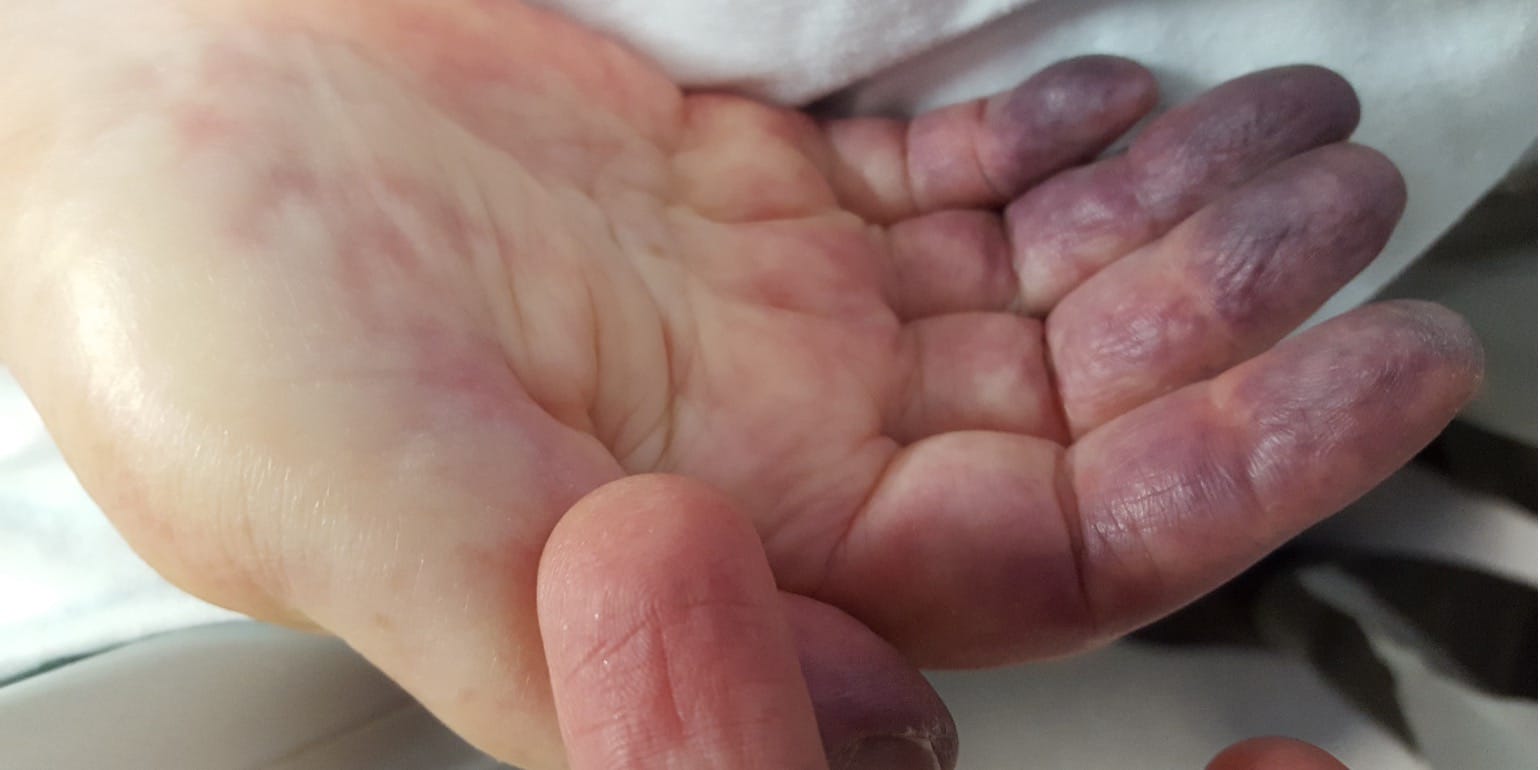
A 13-month-old, full-term male presented due to intermittent emesis over a 3-week period. He and his parents had COVID one week prior to presentation. He had multiple episodes of non-bloody, non-bilious vomit the day before and the day of presentation. Parents noted he had been listless and unable to tolerate food. The mother was also concerned that he was straining to have bowel movements and that a mass was coming out of his bottom on the ride to the hospital. Parents reported decreased activity, decreased appetite, and decreased urine output. He was born via cesarean section due to breech presentation but had an otherwise uncomplicated prenatal history.

Constitutional: Fatigued.

Gastrointestinal: Diffuse abdominal tenderness. Reducible rectal bulge.

Skin: Pale.

Anion Gap: 19

COVID-19: Positive

WBC: 11.9

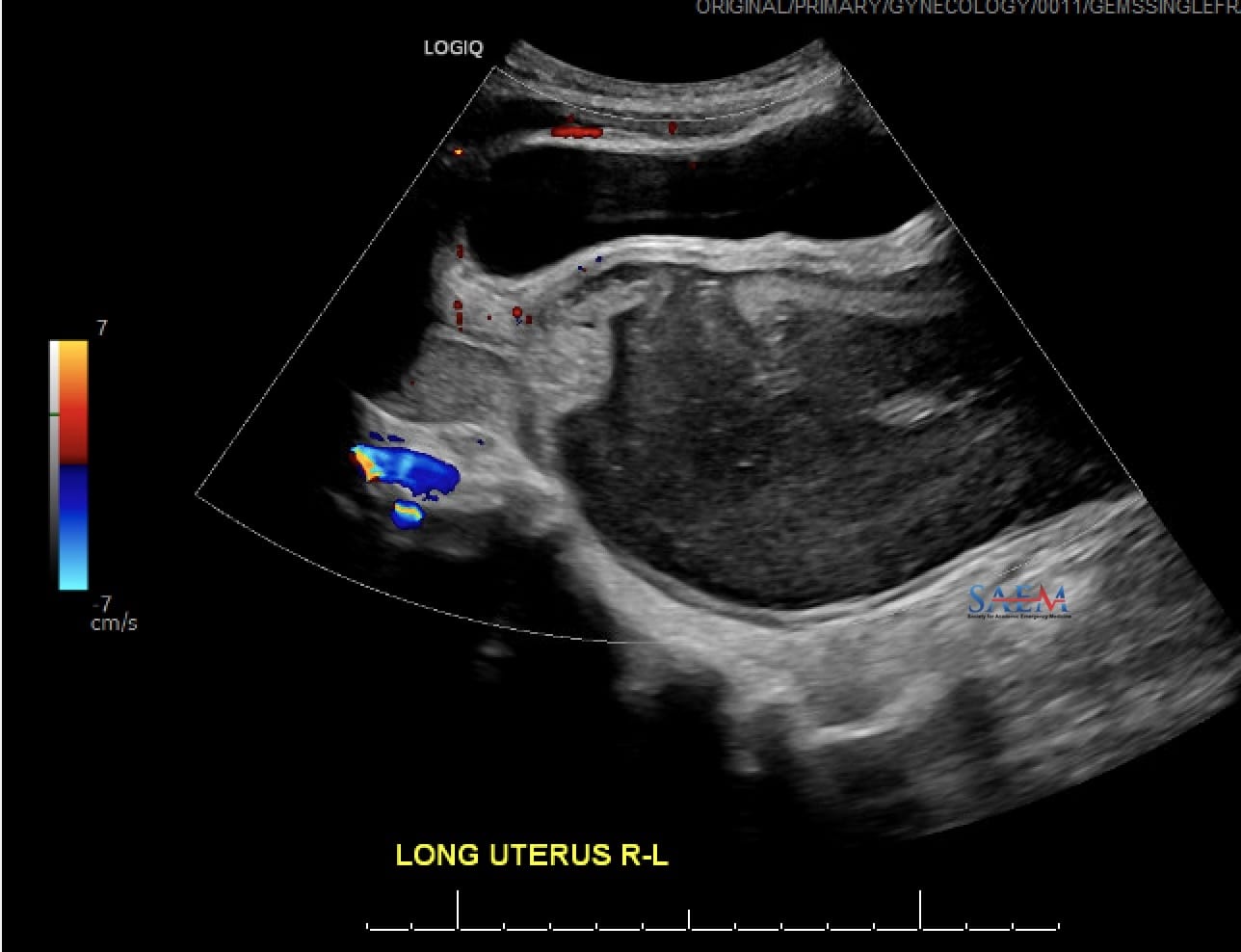
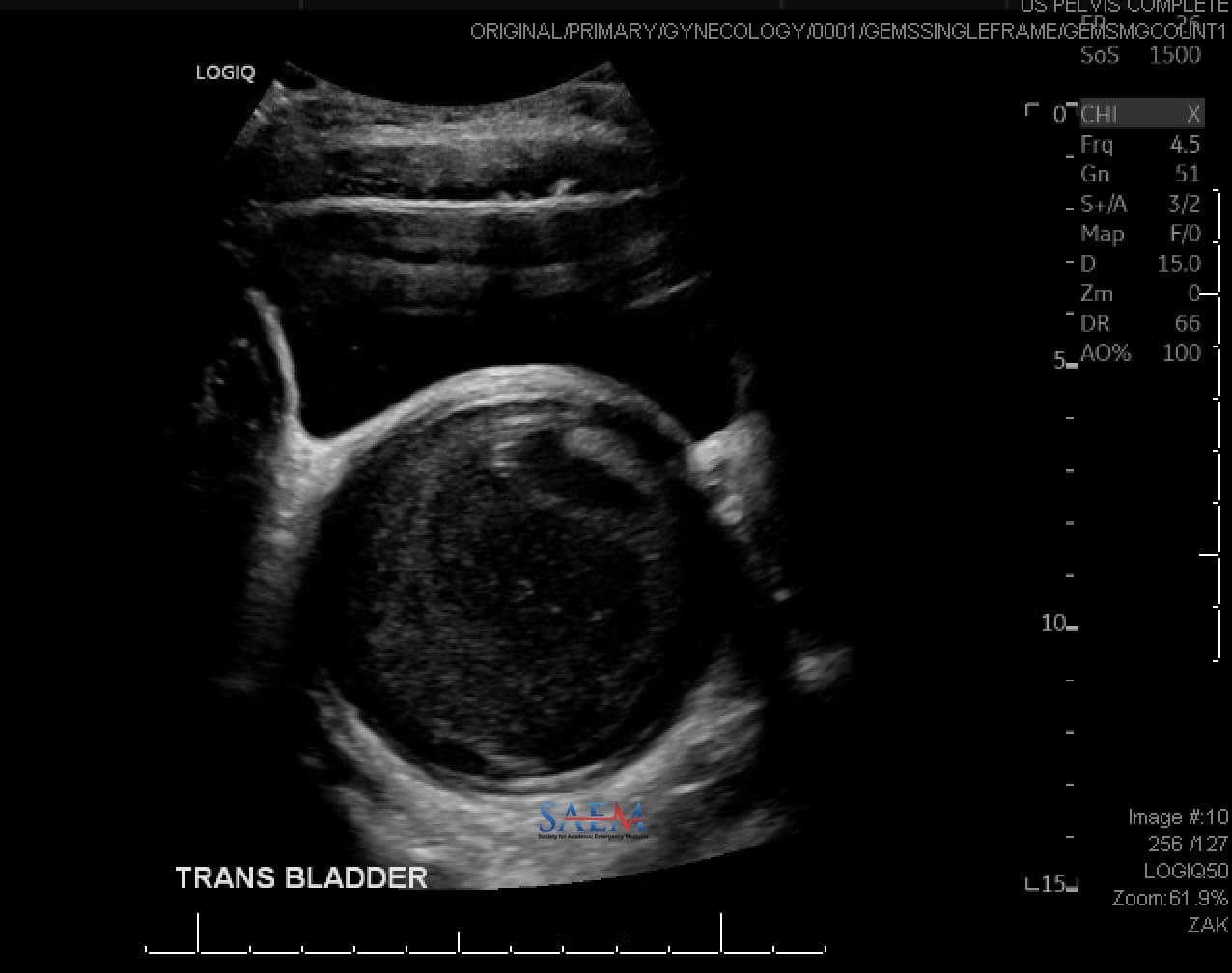
Limited Abdominal Ultrasound: A large intussusception is noted, which appears to extend at least to the descending/sigmoid colon.

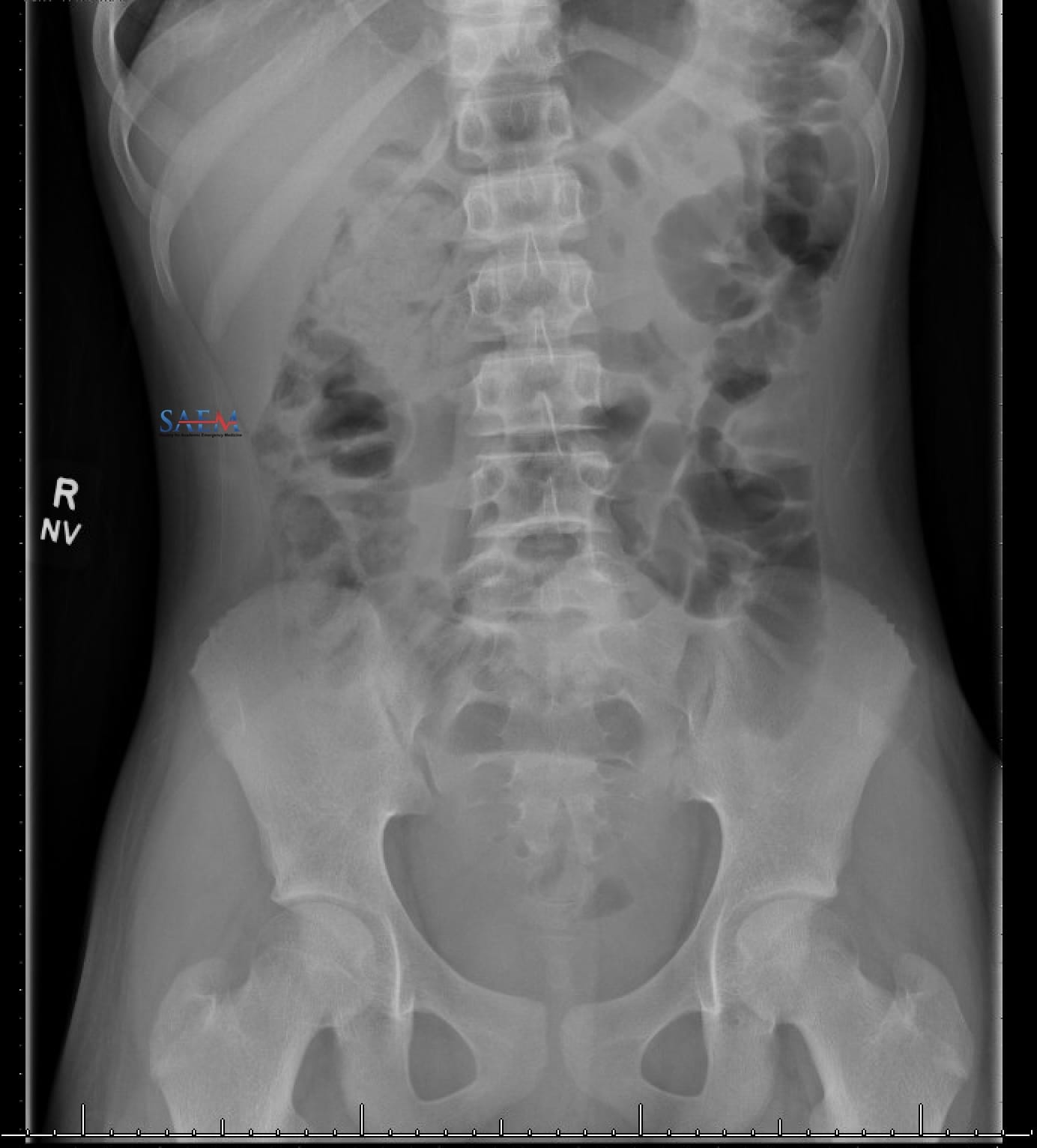
XR Abdomen: Few prominent, featureless bowel loops with air-fluid levels. No gastric distention.

Air or hydrostatic enemas have a 70-85% success rate in current literature. These are often done under either fluoroscopic or ultrasound guidance. A delayed repeat enema can be done in cases where the initial enema resolved some of the intussusception. If the initial measures are unsuccessful, the patient is unstable, or the patient is exhibiting signs of peritonitis or bowel perforation, surgical management is the next step. This can either be done laparoscopically or open. In this patient’s case, an air enema was attempted but he ultimately required surgery. The surgery was laparoscopic, and he was discharged the same day.

Take-Home Points

  • Consider intussusception in any child with a URI (including COVID-19) and a rectal bulge.
  • Although this patient had a formal ultrasound, POCUS can be a useful tool in the ED to identify and expedite intussusception treatment. The classic “bullseye sign” was seen on this patient’s ultrasound.

  • Mandeville K, Chien M, Willyerd FA, Mandell G, Hostetler MA, Bulloch B. Intussusception: clinical presentations and imaging characteristics. Pediatr Emerg Care. 2012 Sep;28(9):842-4. doi: 10.1097/PEC.0b013e318267a75e. PMID: 22929138.
  • Siafakas C, Vottler TP, Andersen JM. Rectal prolapse in pediatrics. Clin Pediatr (Phila). 1999 Feb;38(2):63-72. doi: 10.1177/000992289903800201. PMID: 10047938.

Go to Top