


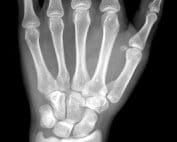
SplintER Series: Case of a First Metacarpal Fracture
Click image to enlarge view A 22 year-old male was playing football when he fell, landing on his outstretched left arm with his thumb flexed. He now has pain at the base of his thumb. This AP view of the hand best demonstrates the injury (photo credit). What is this fracture, what additional imaging is needed, and what should be the management plan? [+]

ALiEM AIR | Neurology 2019 Module
Welcome to the Neurology Module! After carefully reviewing all relevant posts from the top 50 sites of the Social Media Index, the ALiEM AIR Team is proud to present the highest quality online content related to neurological emergencies. 6 blog posts within the past 12 months (as of January 2019) met our standard of online excellence and were curated and approved for residency training by the AIR Series Board. We identified 1 AIR and 5 Honorable Mentions. We recommend programs give 3 hours (about 30 minutes per article) of III credit for this module. [+]
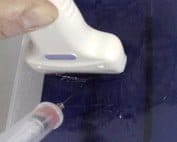
DIY Ultrasound Model Compendium in Emergency Medicine
As the use of point-of-care ultrasound expands in emergency medicine, phantoms offer an attractive training solution for new learners and continuing education. Unfortunately, commercially available products are expensive and likely cost-prohibitive for individual practitioners to purchase. Luckily, there are a number of quality, low cost do-it-yourself (DIY) models published in journals and on the Internet. To help you navigate your options, I have created a compendium of DIY ultrasound models relevant to emergency medicine. The models are divided by system or application with a cost estimate for each model, if provided, as well as a list of materials and a [+]
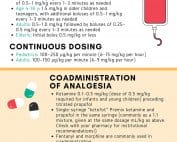
Guideline Review: ACEP 2018 – ED Procedural Sedation with Propofol
The last American College of Emergency Physicians (ACEP) guideline recommendations regarding the use of propofol for ED procedural sedation was in 2007. Much research has since demonstrated its safety in adults and children. Furthermore, many clinicians are co-administering ketamine or fentanyl in conjunction. This 2018 ACEP update1 addresses these issues and much more. The following infographic summarizes the key points. [+]
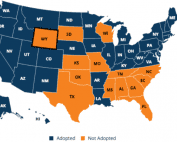
Health Insurance 101 for the Emergency Physician
A 28 year-old single man with type I diabetes mellitus presents to your busy Texas emergency department in diabetic ketoacidosis (DKA). This is his third hospitalization for DKA in 5 months. When you ask the patient about his current medication regimen, he admits that he frequently skips doses as a cost-savings measure. He shares that he works 45 hours a week at a small local grocery store, makes minimum wage ($15,660 pretax), and has no health insurance. His prescribed insulin regimen, consisting of Lantus at bedtime and Humalog with meals, costs approximately $600 a month. [+]
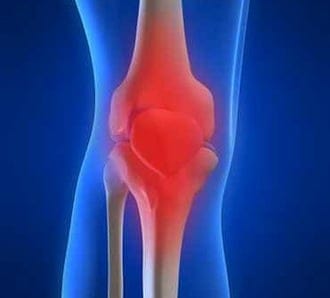
SplintER Series: 2-Minute Knee Exam | Leg Day #3 | MSK Exam Series
Welcome to Leg Day #3 of the SplintER Series! Performing a fast and focused history and physical examination of a patient with an acute knee injury is an important skill that has the potential to be overlooked in our busy Emergency Departments. Our hope is that after reviewing this post and with enough practice you will be able to complete your exam within 2 minutes! These are can't-miss points and expert tips on the knee exam for your next shift in the ED. Read more
ALiEM AIR | Stroke Module
Welcome to the Stroke Module! After carefully reviewing all relevant posts from the top 50 sites of the Social Media Index, the AIR Team is proud to present the highest quality online content related to Stroke emergencies. 7 blog posts within the past 12 months (as of October 2018) met our standard of online excellence and were curated and approved for residency training by the AIR Series Board. We identified 0 AIR and 7 Honorable Mentions. We recommend programs give 3.5 hours (about 30 minutes per article) of III credit for this module. [+]

Beyond the Abstract: A Return to Work Policy for New Resident Parents
More women than men entered medical school in the United States for the first time in 2017. Will this generation also set new trends in parenting during their training? One study suggests that 40% of female residents plan to have a child while in residency.1 Can our graduate medical education system withstand even a modest increase in the number of resident parents? Can your hospital? [+]
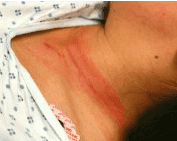
Guideline Review: EAST Blunt Cerebrovascular Injury
Blunt Cerebrovascular Injury (BCVI) can be difficult to diagnose and potentially devastating to miss because of the risk of a potential ischemic stroke. The most recent (2010) Eastern Association for the Surgery of Trauma (EAST) guidelines reviewed 68 journal publications to create the following recommendations based on the best available evidence.1 We summarize the imaging and management recommendations most pertinent to the ED as an infographic for quick and easy reference.1,2 Of note: an isolated neck seat belt sign is NOT an indication for imaging! [+]

ALiEMU Capsules 12: Pharmacology of Intracranial Pressure Management
The newest installment in the popular ALiEMU Capsules series is live. This module focuses on the critical care topic of intracranial pressure management. Specific topics include hyperosmolar therapy with mannitol versus hypertonic saline and blood pressure management. Go to the ALiEMU Capsule and take the quiz for your Capsules certificate. [+]

Director of Growth, Strategic Alliance Initiative, Center for Innovation and Digital Health
Massachusetts General Hospital;
Chief Scientific Officer, Conductscience.com
Latest posts by Shuhan He, MD (see all)
- The Discharge Severity Index: Early Research on ED Readmission Risk Assessment - August 14, 2025
- Suboxone and the Emergency Physician: Get Waivered Training - August 12, 2022
- A Tale of Two Epidemics: COVID-19 and the Opioid Crisis - April 23, 2020