



SplintER Series: Hip Dislocation | Leg Day #2
Welcome to Leg Day #2 of the SplintER Series. Following up with the Leg Day #1’s primer on tibial plateau fractures, another key orthopedic injury of the leg is hip dislocation. A hip dislocation occurs when there is separation of the head of the femur from the acetabulum of the pelvis in either an anterior or posterior direction.1 [+]
![William Denq, [+]</p></body></html>](https://www.aliem.com/wp-content/uploads/2017/09/Will-Denq.png)

Algorithm for ED Evaluation and Management of Pediatric UTI
When should urinary tract infections (UTI) be included in the differential diagnosis for febrile infants and young children? The EM Committee on Quality Transformation in the American Academy of Pediatrics (AAP) thoughtfully outlines a clinical algorithm to help guide clinicians towards a standardized, evidence-based approach. Thanks to the expert content team (Drs. Shabnam Jain, Anne Stack, Scott Barron, Pradip Chaudhari, and Kathy Shaw) for sharing this clinical algorithm. [+]

Top 10 ALiEM Clinical Posts in 2018
Happy 2019 from the ALiEM team. We have published so many posts this year that you may have missed a few. Did you at least catch the top 10 ALiEM clinical posts in 2018? These are the most-viewed posts in the past calendar year. From can’t-miss ECGs, to common splint techniques, and new strategies for managing alcohol withdrawal – check these out as you keep celebrating the New Year! [+]

2018 ACEP Clinical Policy for Patients with Suspected Non-ST Elevation ACS
A patient presents to your ED with an all too common complaint – chest pain. After a focused history and physical exam, you have an extremely low clinical suspicion for thoracic aortic dissection, pulmonary embolism, pneumonia, pneumothorax, pericarditis/myocarditis, and Boerhaave’s syndrome. When the labs (including a troponin), an ECG, and chest x-ray yield normal results, questions often arise. Can you discharge her with a single troponin if she is low risk? How do you define low risk? And lastly, does she need urgent provocative testing after discharge? [+]
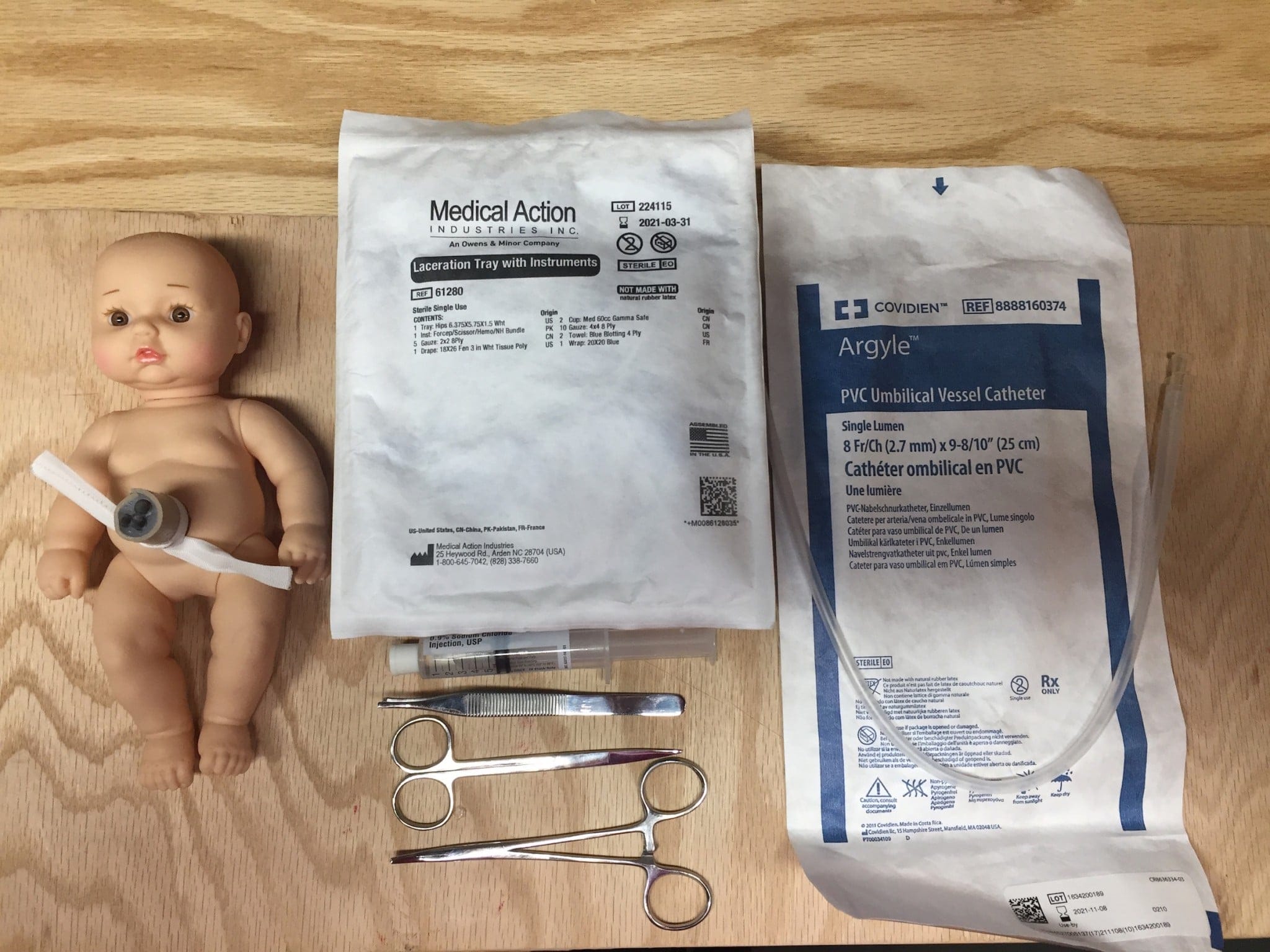
IDEA Series Highlights JETem Innovations: A Low Cost Trainer for Neonatal Umbilical Catheterization
The Problem Although umbilical catheterization can be a lifesaving technique in the emergent management of a critically ill neonate, it is performed infrequently in the ED.1 Simulation has emerged as a key teaching modality for residents to gain both proficiency and competency with this important procedure.2,3 Commercially available umbilical catheterization models are available, but costly, and often require an expensive investment (over $1,000 for a single trainer).4 This expense may discourage residency programs from acquiring the trainer and offering it to learners. In an effort to minimize this barrier to learning, a team from Kings County Hospital “home built” their own umbilical [+]
Accidental Hypothermia and Cardiac Arrest: Physiology, Protocol Deviations, and ECMO
Accidental hypothermia is a life threatening condition that can lead to a challenging resuscitation. The very young, old, and intoxicated patient are at high risk to developing hypothermia, even in temperate climates. The pathophysiologic changes from hypothermia make the standard ACLS approach insufficient to care for the hypothermic patient. This article will discuss the physiology of hypothermia and how you should alter your approach in the hypothermic patient, including early consideration of extracorporeal membrane oxygenation (ECMO). [+]

ACMT Toxicology Visual Pearls: Blue Urine
A bedside urine test for a pesticide is positive as shown in the photo. What pesticide is being detected? Chlorpyrifos Diquat Glyphosate Paraquat [+]


ALiEM AIR Acute Coronary Syndrome Module
Welcome to the Acute Coronary Syndrome (ACS) Module! After carefully reviewing all relevant posts from the top 50 sites of the Social Media Index, the AIR Team is proud to present the highest quality online content related to ACS emergencies. 13 blog posts within the past 12 months (as of July 2018) met our standard of online excellence and were curated and approved for residency training by the AIR Series Board. We identified 2 AIR and 11 Honorable Mentions. We recommend programs give 5.5 hours (about 25 minutes per article) of III credit for this module. [+]

Case of a Lethargic Child: Developing a Differential Diagnosis
A 2-year-old previously healthy boy presents to the emergency department (ED) acting sleepier than usual. Yesterday, he was in his usual state of health, but this morning he didn’t wake up at his usual time of 6 am. When his father went to his room at 7 am, the child was lying in bed. He opened his eyes to look at his father, but did not get out of bed. The mother and father deny any trauma, fever, or seizure activity. [+]

ALiEMU Capsules Module 11: Acute Agitation
We are proud to present Capsules Module 11: Acute Agitation, now published on ALiEMU. We present a summary of the module with key points from a stellar module by PharmDs Jenny Koehl, Kyle DeWitt, Gabrielle Procopio, and Zlatan Coralic. When you’re finished, head over to the Capsules page for even more practical pharmacology for the EM provider. [+]

Director of Growth, Strategic Alliance Initiative, Center for Innovation and Digital Health
Massachusetts General Hospital;
Chief Scientific Officer, Conductscience.com
Latest posts by Shuhan He, MD (see all)
- The Discharge Severity Index: Early Research on ED Readmission Risk Assessment - August 14, 2025
- Suboxone and the Emergency Physician: Get Waivered Training - August 12, 2022
- A Tale of Two Epidemics: COVID-19 and the Opioid Crisis - April 23, 2020