



The Myth of Vasopressors and Ischemia
Despite the widespread clinical use, and their well-documented life-saving properties, vasopressors are often maligned, accused of causing ischemia to fingers, toes, mesentery, kidneys, and so forth. Not only is the evidence that this happens poor, but, a fear of this dreaded complication can unwarrantedly lead good clinicians to limit or withhold potentially life- and organ-saving medications. This article showcases the importance of end-organ perfusion and explains how vasopressors may in fact be one of the most important therapies in an emergency physician’s armamentarium. [+]

IDEA Series: Implementing an Integrative Longitudinal Online Ultrasound Curriculum
The Problem Emergency ultrasound (EUS) has quickly become a fundamental aspect of emergency medicine (EM) residency training. While still relatively novel to the field, there has been a significant focus on curriculum development in accordance with the core ultrasound application guidelines set forth by the American College of Emergency Physicians (ACEP).1 Currently, there is no consensus on the optimal approach to EUS education that will provide learners with true clinical competence post-matriculation. Furthermore, a recent survey demonstrated that there is conflict between what ACEP guidelines consider to be competence in EUS and resident opinion on the matter.2 One potential identified [+]
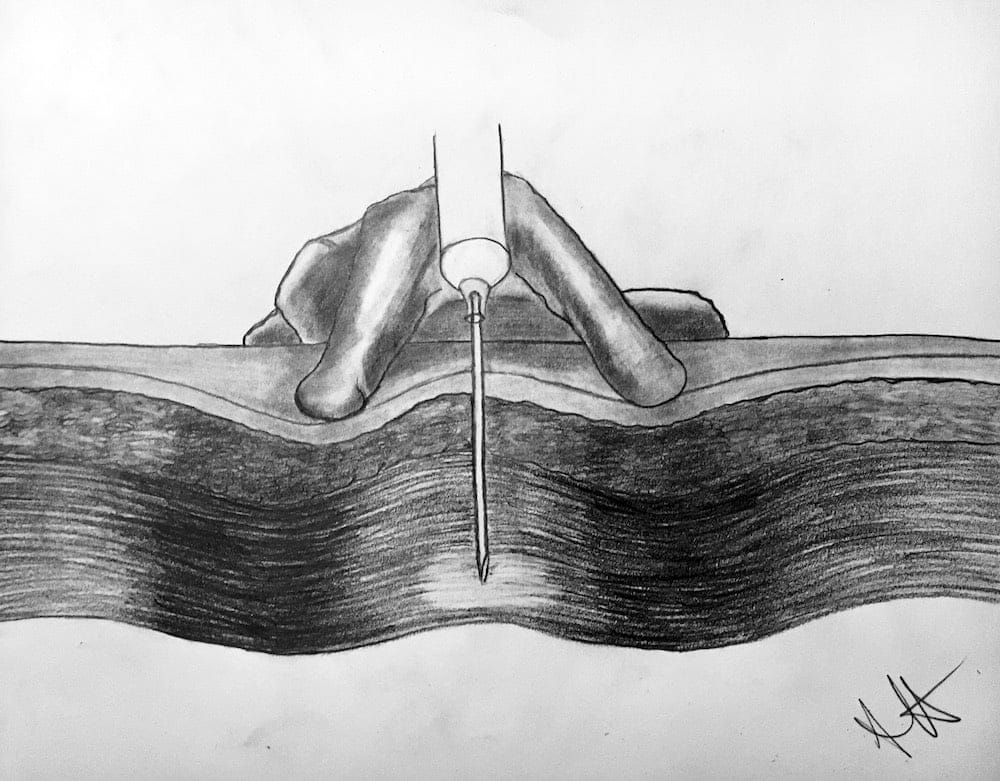
Trigger Point Injection for Musculoskeletal Pain in the ED
Musculoskeletal pain is a common ED presentation and emergency providers can often manage it with NSAIDs alone.1 On the other hand, when patients present with small localized areas of intense muscle spasm called trigger points, NSAIDs won’t cut it. A trigger point injection (TPI), however, is a safe and easy way to treat the underlying cause of trigger point pain, and requires only basic equipment already available in most the EDs. [+]

Nuclear Attack: What Emergency Physicians Working in the ED Need to Know
Ever wonder what would happen if you were working in the emergency department (ED) when a nuclear attack happens? We’ve all had questions on boards or inservice exams about the long-term effect of radiation exposure, but would you know what to ACTUALLY DO if a nuclear attack happened? What do you do in the first few minutes? First few hours? We know that if you are in the immediate bomb vicinity, there is not much you can do. But what if you are 5 miles away? Or 10 miles? If you look for information regarding nuclear attacks, there are no [+]

ECMO for ARDS: Key Pearls for Emergency Physicians from the EOLIA Trial
The role of extracorporeal membrane oxygenation (ECMO) in the management of acute respiratory distress syndrome (ARDS) has been a source of debate within the critical care community.1 The use of ECMO has steadily increased over the past decade;2 however, evidence to support the widespread adoption of this expensive and invasive technology is limited. As advances in ECMO technology have rapidly outpaced evidence, clinicians have been left to speculate as to ECMO’s true value. Is ECMO a promising tool to advance the care of patients with respiratory failure3 or an expensive distraction that has inappropriately supplanted evidence-based strategies?4 All who care [+]
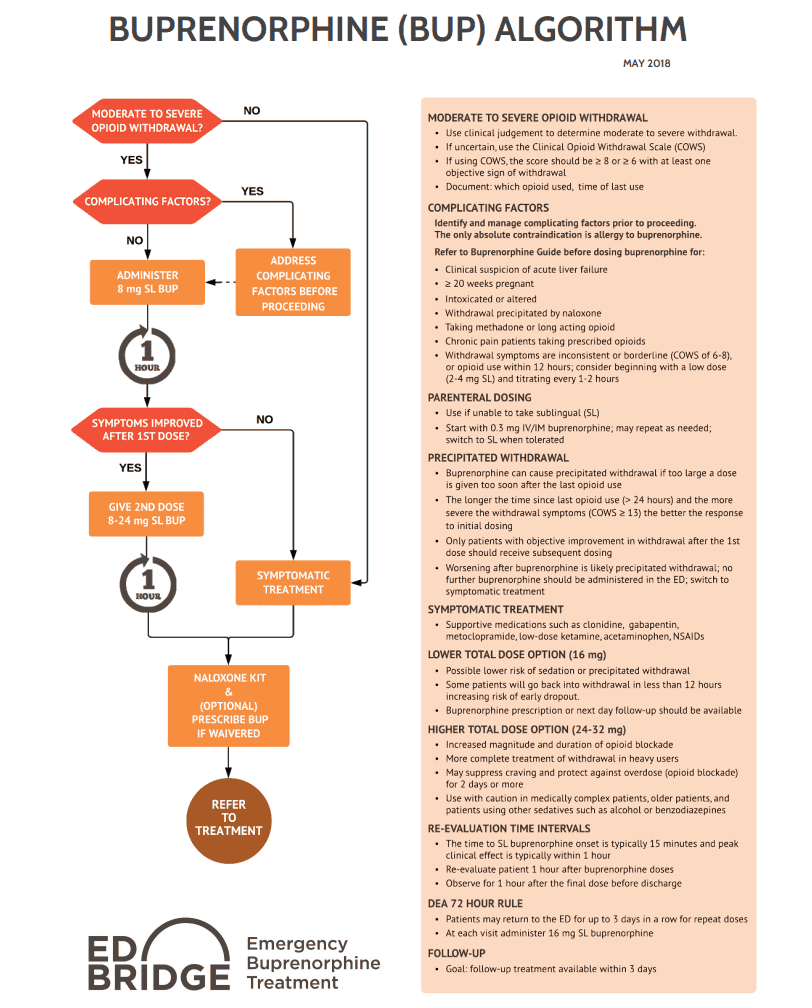
Treating Opioid Withdrawal in the ED with Buprenorphine: A Bridge to Recovery
The Emergency Department (ED) is the frontline of the opioid crisis, treating patients with opioid-related infections, opioid withdrawal, and overdose. These encounters can be difficult or even downright confrontational. But that does not have to be the case! With the use of buprenorphine, we can “flip the script” for these encounters, encouraging patient-provider collaboration in the treatment of opioid addiction as medical disease. [+]

Mac [+]
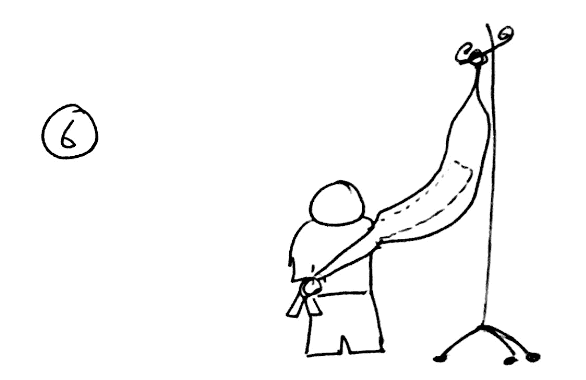
Trick of the Trade: DIY Skyhook for Upper Extremity Swelling
A 25 year-old male presents to the ED complaining of left upper extremity pain, redness, and swelling. His cat bit him 2 days ago and his symptoms started today. On exam he has impressive induration, erythema, and warmth to the dorsum of the hand and forearm. He is neurovascularly intact and able to range his joints freely. In addition to IV antibiotics, you would like to keep his arm elevated while in the hospital. What is an easy and simple way help ensure that this patient keeps his arm elevated? [+]

PEM Pearls: Red Flags for Child Abuse – Case 2
Fractures are a common sign of abuse. It is impossible to tell from an x-ray alone whether or not a fracture is due to abuse. Fractures of the extremities are the most common skeletal injury in children who have been abused and approximately 80% of fractures due to abuse occur in children under 18 months old.1 In non-mobile children, rib fractures, long bone fractures, and metaphyseal fractures have a high correlation with child abuse. An understanding of the motor development of young children can aid physicians in the identifying fractures due to abuse. [+]
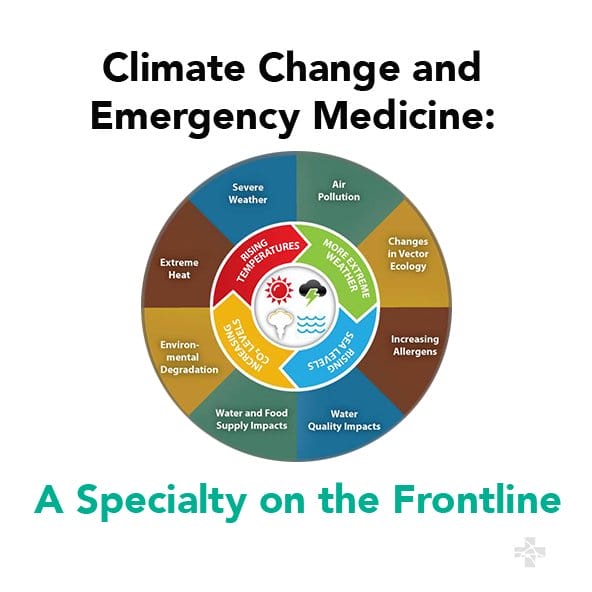
Climate Change and Emergency Medicine: A Specialty on the Frontline
Emergency medicine (EM) is on the frontlines of climate change, which the Lancet Commission declared “the biggest global health threat of the 21st century” with “potentially catastrophic risk to human health.”1,2 Climate change is having broad and profound negative impacts on the health of our patients, especially for the vulnerable populations. It is also affecting our healthcare systems and mandating the creation of climate-resilient emergency departments (ED) with robust disaster preparedness. EM needs to engage climate change advocacy efforts for 2 key reasons. It has a profound impact on our specialty, and it is built into the moral fiber of [+]

Ketamine for Severe Ethanol Withdrawal: A New Hope?
Ethanol withdrawal is a complex disease state. Two of the main players are GABA (an inhibitory neurotransmitter) and glutamate (an excitatory transmitter that can act on NMDA receptors). Simplistically, chronic ethanol use leads to a down-regulation of GABA receptors and an up-regulation in glutaminergic receptors, such as NMDA. When ethanol is abruptly discontinued, we are left with a largely excitatory state with less ability for GABA-mediated inhibition and more capacity for NMDA/glutamate-mediated excitation. While much of the treatment of severe ethanol withdrawal is focused on GABA, there are agents, such as phenobarbital and propofol, that can suppress the glutaminergic response. [+]

Director of Growth, Strategic Alliance Initiative, Center for Innovation and Digital Health
Massachusetts General Hospital;
Chief Scientific Officer, Conductscience.com
Latest posts by Shuhan He, MD (see all)
- The Discharge Severity Index: Early Research on ED Readmission Risk Assessment - August 14, 2025
- Suboxone and the Emergency Physician: Get Waivered Training - August 12, 2022
- A Tale of Two Epidemics: COVID-19 and the Opioid Crisis - April 23, 2020