


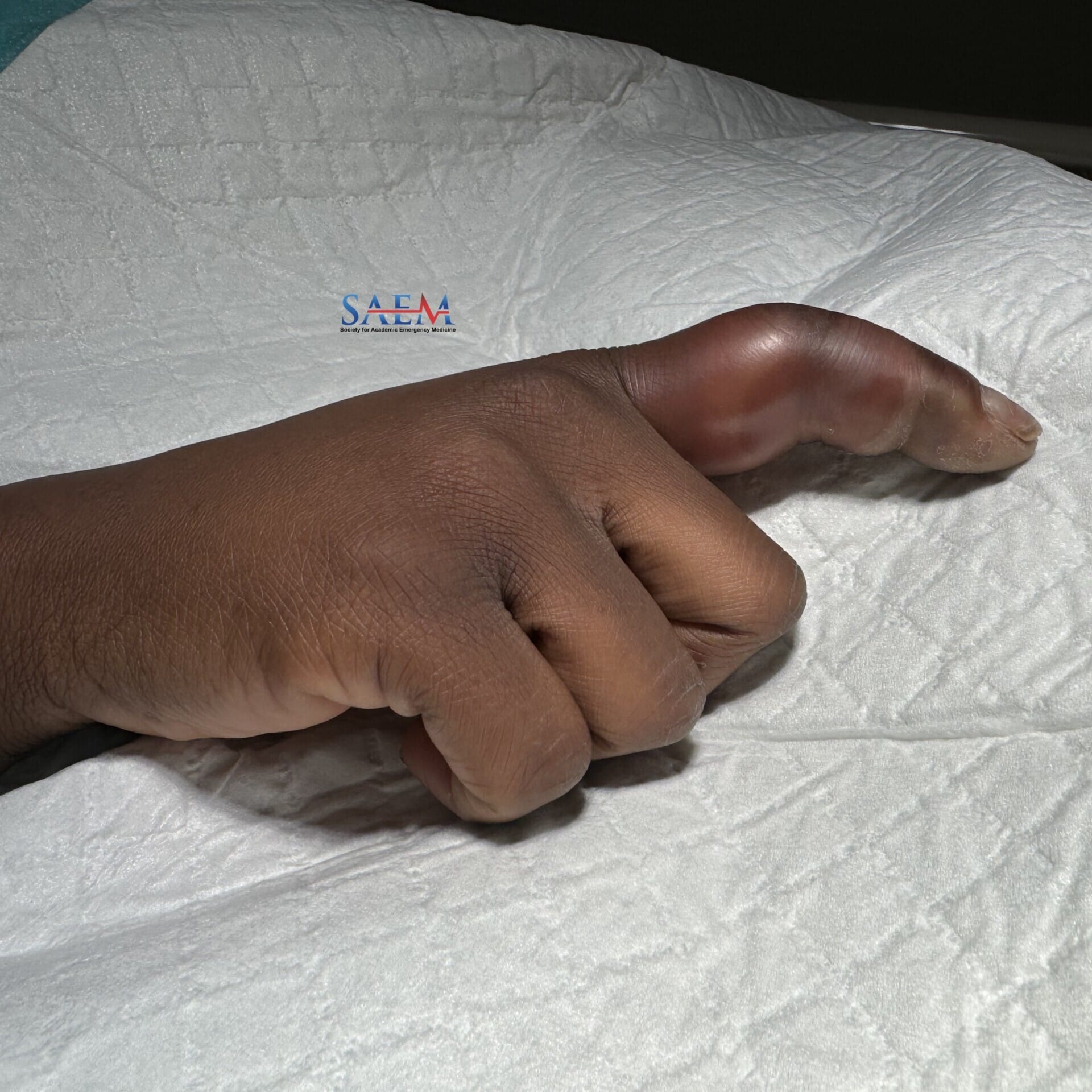
SAEM Clinical Images Series: Weird Flex
A 29-year-old female with a history of depression, anxiety, and tobacco use disorder presented with worsening right index finger pain, swelling, and redness for the previous three days. Additionally, she reported that she was unable to further flex or extend her finger. She denied fevers, chills, rashes, or recent illness. There was no history of trauma, aquatic or other environmental exposures, insect bites, or intravenous drug use. She did note that she uses a copper brillo pad to clean her dishes at home which often causes small abrasions to her fingers. Vitals: [+]

SAEM Clinical Images Series: Ptosis? A Don’t Miss Diagnosis!
A 50-year-old female with no past medical history presented to the emergency department for a headache. She developed progressive dull, left-sided head pain with sinus pressure one week prior, associated with sleep disturbance. In addition, she described two days of left eyelid drooping. She had no fever, chills, cough, difficulty breathing, neck pain, jaw claudication, vision changes, dizziness, numbness, or recent weight loss. She also denied any recent trauma to the head or neck. Vitals: BP 119/59; PR 92; Temp 37°C; RR 16; SpO2 100% on RA General: Well-appearing, no acute [+]
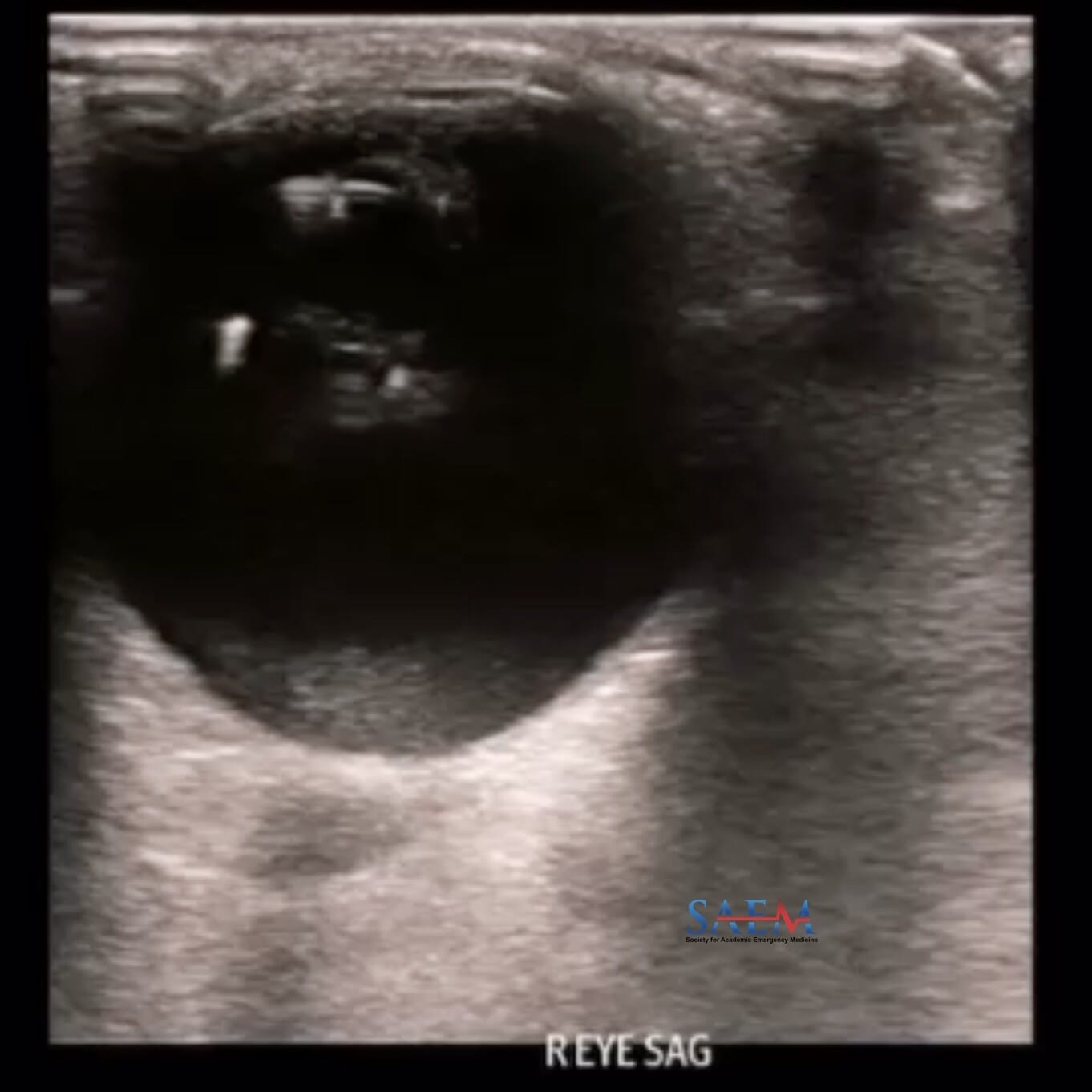
SAEM Clinical Images Series: Case of Painless Vision Changes
A 62-year-old female presented to the emergency room with a chief complaint of atraumatic painless blurry vision. She reported a medical history of bilateral lens replacements in 1999 and a prior history of bilateral retinal detachments and expressed concern that she may have detached her retina again. The patient first noted floaters starting 3 days ago, that progressed yesterday to sudden onset blurry vision of her right eye. She denied any sensation of “a curtain falling. The patient clarified that this presentation is different in nature to her prior bilateral retinal detachments. [+]
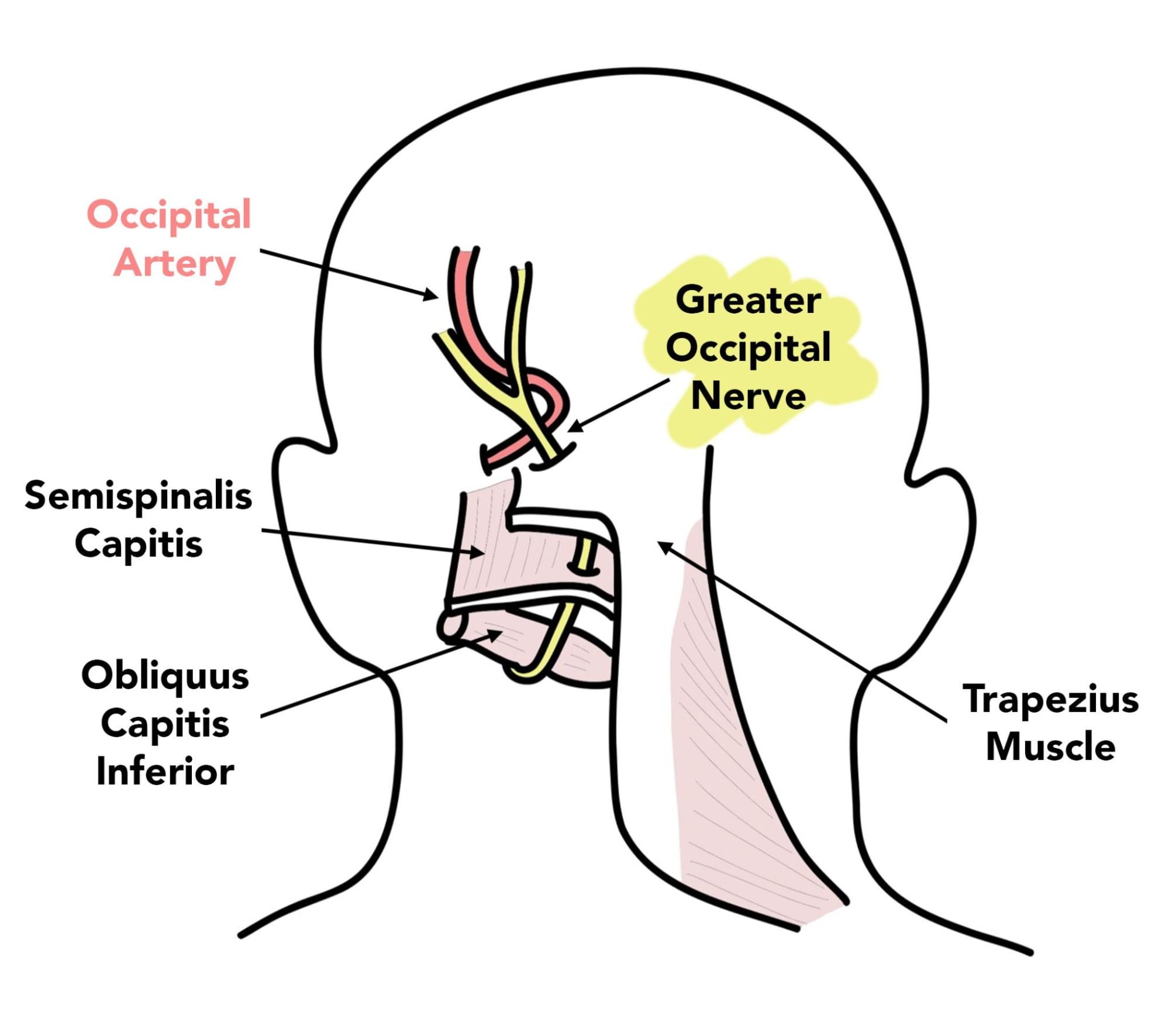
Greater Occipital Nerve Block in the Emergency Department
Chief complaints of non-traumatic headaches represent approximately 2% of emergency department (ED) visits in the United States [1]. Headaches are classified as primary (standalone condition) or secondary (a symptom of another medical condition), with primary headaches being the more common type [2]. In the ED, it is critical to rule out life-threatening causes of headaches such as subarachnoid hemorrhages, stroke, or meningitis. Headaches such as migraines, occipital neuralgia, cervicogenic headaches, and cluster headaches while more benign may still be debilitating for patients (Figure 1). Figure 1. Headaches that may benefit from greater occipital nerve blockade [illustration by Dr. [+]

ACMT Toxicology Visual Pearl: A Toxic Tuber
Improper preparation of this food causes poisoning from which toxic compound? Atropine Cicutoxin Cyanide Oxalic acid Image from Wikimedia Commons [1] [+]

John Michael Sherman, MD
Carolinas Medical Center, Charlotte, NC
Latest posts by John Michael Sherman, MD (see all)
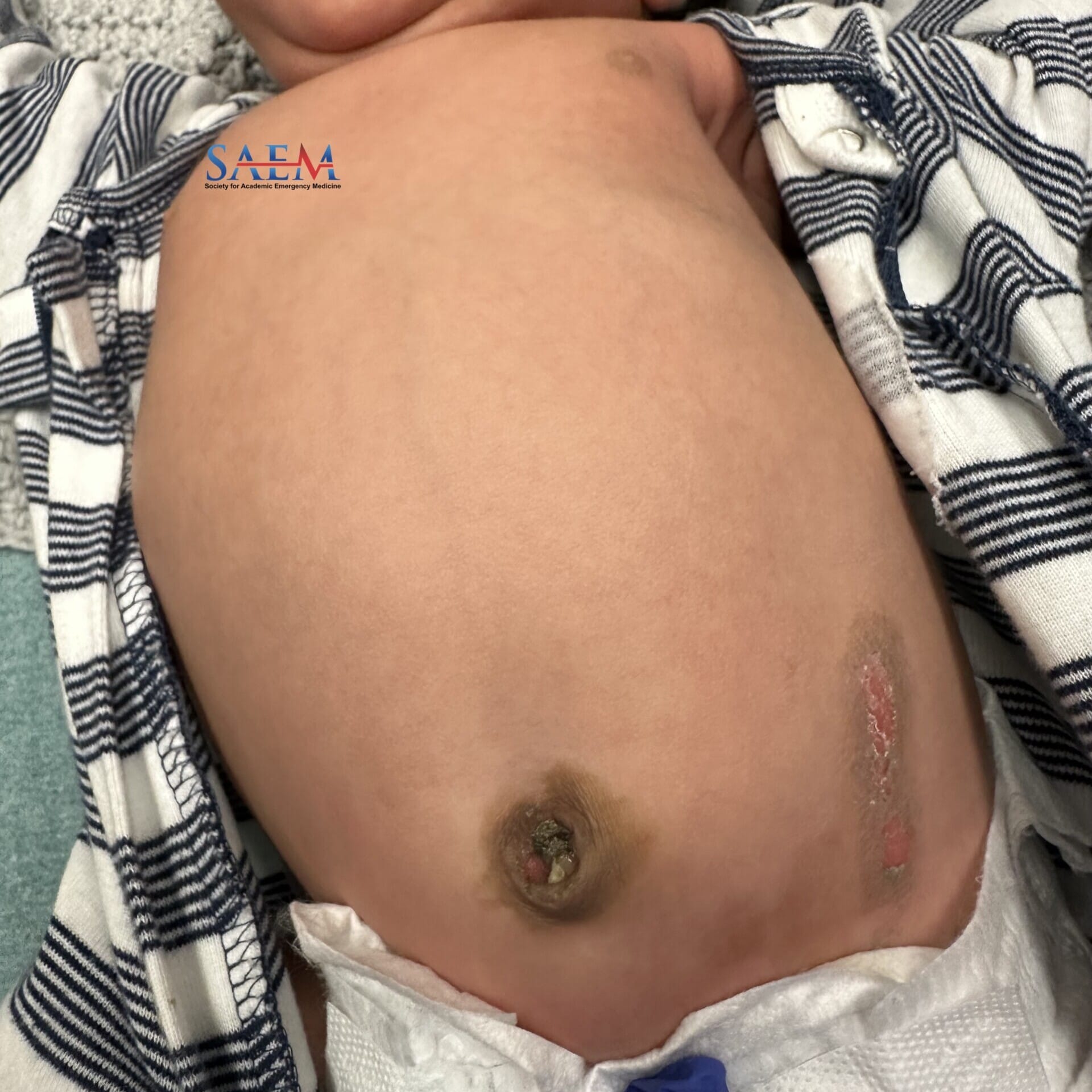
SAEM Clinical Images Series: Infantile Enigma
A previously healthy 4-week-old born full-term presented to the emergency department with possible umbilical drainage and a new onset rash in the left lower abdominal region. The patient had an uncomplicated newborn stay with a mother with negative maternal serologies other than GBS positive, which was appropriately treated intrapartum. The patient had been gaining weight well without fevers or sick symptoms. Parents reported that their pediatrician had seen the patient earlier in the day for a routine check-up. Notably, a “cream” was applied to a small remnant of the umbilical cord that was still present. [+]

SAEM Clinical Images Series: What is in my Child’s Mouth?
A 16-month-old male with no significant past medical history presented with a chief complaint of bleeding from the mouth. The patient’s mother looked inside his mouth and described a "black ball of flesh” near the right side of his lower gum. The mother noted that he had been more fussy than usual and appeared to have a decreased appetite over the past few days. The mother was unsure how long the lesion had been present. The mother denied any recent witnessed falls, trauma, or injury. The mother denied any recent fever, emesis, skin rashes, or [+]
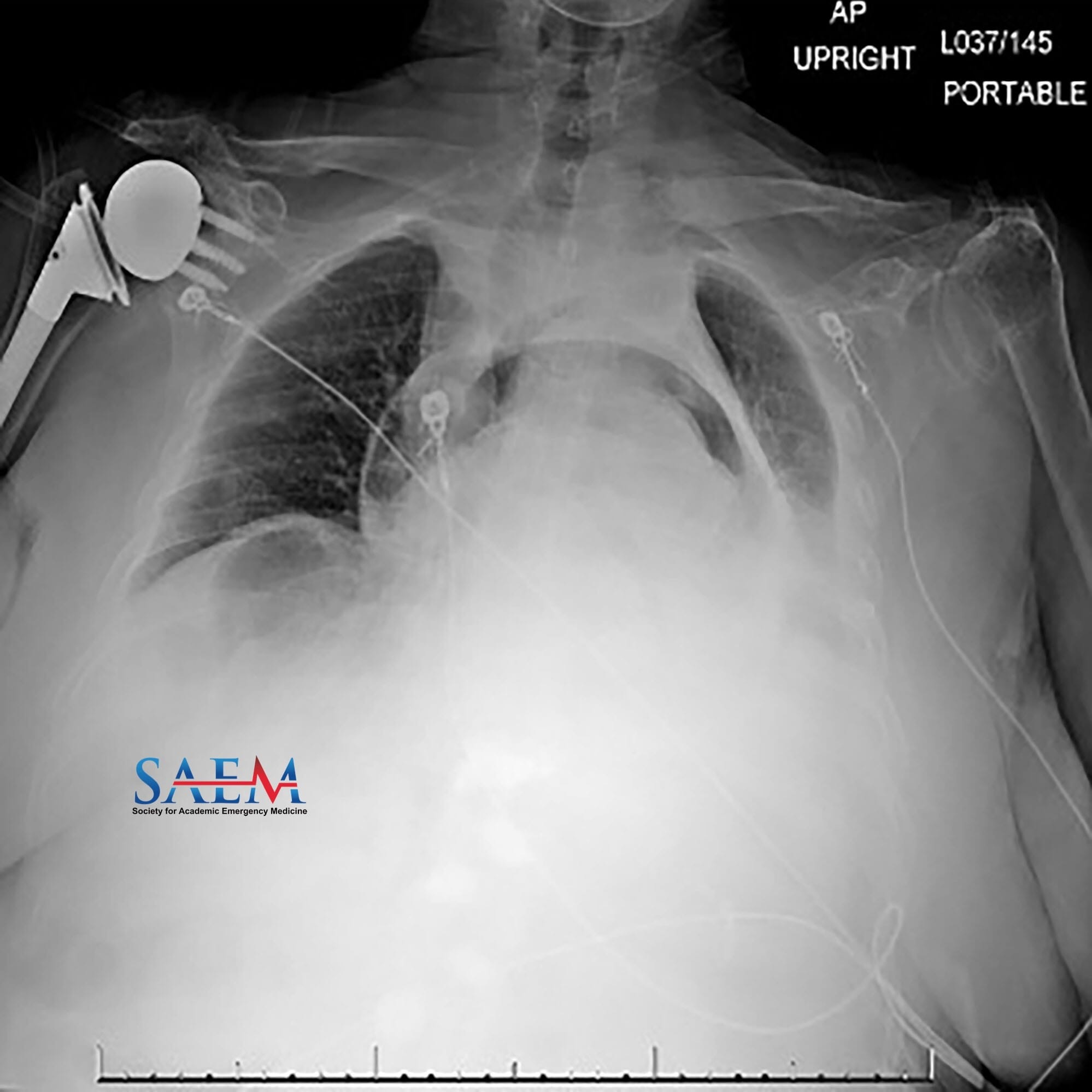
SAEM Clinical Images Series: A Rare Cause of Dyspnea
A 73-year-old female with past medical history significant for Roux-en-Y gastric bypass 14 years prior complicated by gastro-jejunal ulcers, rheumatoid arthritis on daily prednisone for six months, coronary artery disease, history of remote pulmonary embolism no longer on anticoagulation, GERD, non-insulin dependent type 2 diabetes, morbid obesity, and chronic obstructive pulmonary disease, presented with two-week progression of dyspnea after a ground level fall. She endorsed pain to her neck, back, and stomach. She denied any chest pain, cough, hemoptysis, fevers, chills, leg pain, leg swelling, wheezing, recent surgeries or hospitalizations, recent travel, or history of [+]

SAEM Clinical Images Series: An Unusual Arm Conundrum
A 58-year-old female with a past medical history significant for osteoporosis presented with right shoulder pain after a witnessed mechanical fall down two stairs. She sustained no headstrike or loss of consciousness. She endorses severe right shoulder pain without numbness/tingling over any part of her arm. Since the fall, she has been unable to move her arm, which remains abducted overhead. General: Right arm fixed, abducted position and elevated over her head. Vascular: 2-second capillary refill in all nail beds, strong palpable radial pulse. Neuro: Sensation intact to light touch on [+]
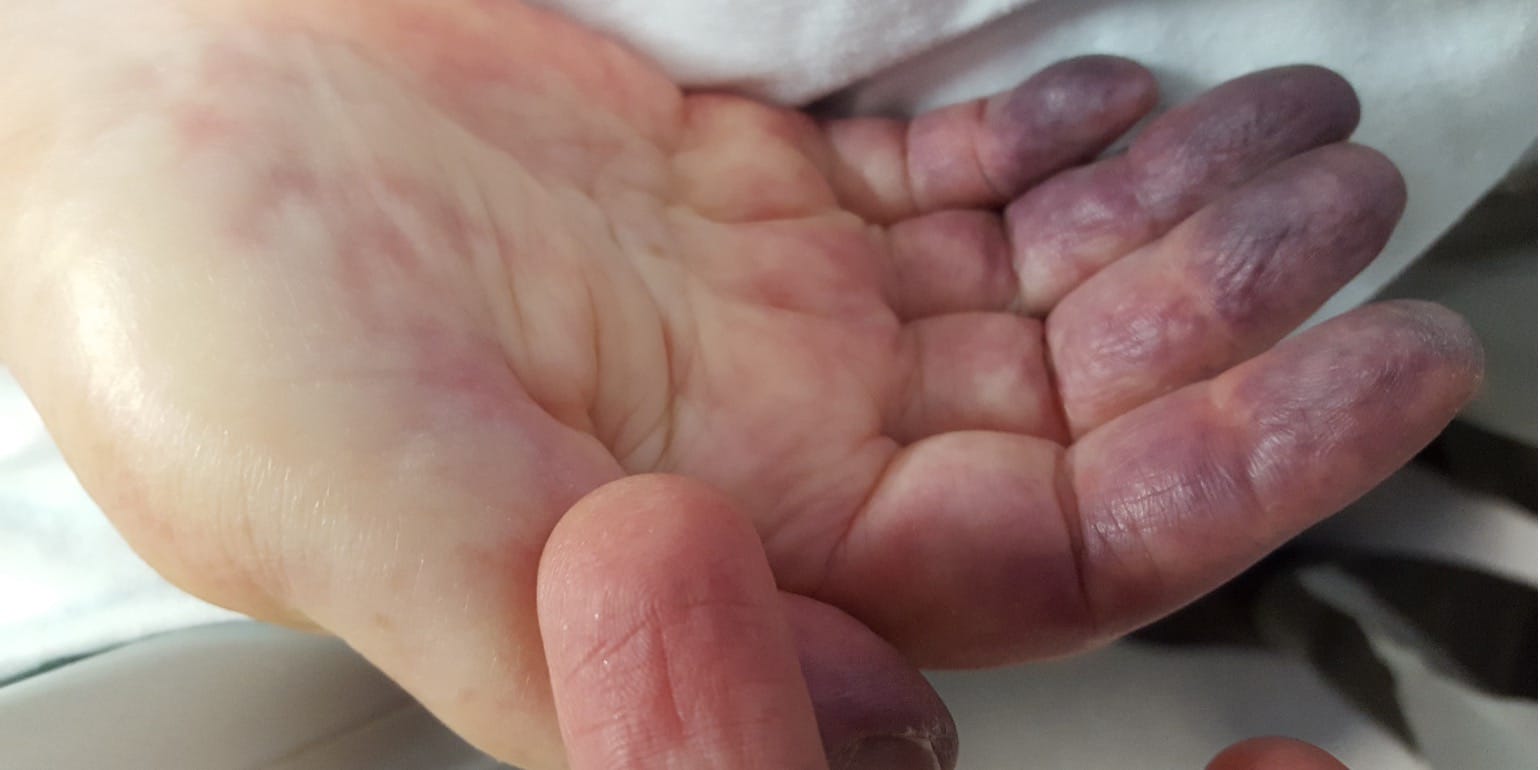
ACMT Visual Pearl: If the Glove Fits
What medication given intravenously can cause the pictured finding? Carbamazepine Levetiracetam Phenytoin Valproic Acid Image from Dr. Fabio Corsi, MD [1] [+]

Olivia Paradis, MD
Carolinas Medical Center, Charlotte, NC