


Pediatric Appendicitis: CT or Ultrasound?
Appendicitis is the most common pediatric surgical emergency accounting for 5% of urgent pediatric outpatient visits for abdominal pain. Computed tomography (CT) and ultrasonography (US) are two imaging modalities used in the diagnostic evaluation of acute pediatric appendicitis. Both have decreased the incidence of negative appendectomy results. It is well known that CT has greater diagnostic accuracy than US for diagnosing acute appendicitis, but there is concern over long-term cancer risk, with routine use of CT in children. What modality should be used for pediatric patients who are suspected of appendicitis? [+]
App Review: EMRA Basics of Emergency Medicine
The app EMRA Basics of Emergency Medicine covers the 20 most common EM complaints in a concise manner. I first heard about it from Dr. Rob Orman’s (@emergencypdx) podcast (ERCast) where he endorsed it when it was only in book format. The book is great, thin, and it fits in a white coat pocket. Here is an in-depth review of the app. [+]
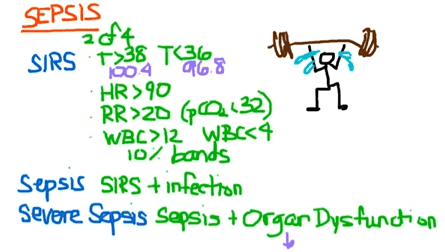
Patwari Academy video: Early goal directed therapy
Do you know the protocol for early goal directed therapy (EGDT)? It’s all about IV fluids. Get the scoop here in this 12 minute video. [+]

Director of Growth, Strategic Alliance Initiative, Center for Innovation and Digital [+]
Death and Simulation
Should the manikin ever die in a simulation scenario? Effective simulations require suspension of disbelief and willingness by learners to play along with the game created by the facilitators. Without this buy-in, learners could argue against discrepancies, simply on the basis that the scenario is not real. Learners give their trust that the educators will also play the same game, and that the rules will not change. [+]
Transient Synovitis vs Septic Arthritis of the Hip
Limping is a common reason for parents to bring their children to emergency departments. It is known that 77% of acute, atraumatic limp is dealt with in the ED, and 20% do not even complain of pain.1 Our job as physicians is to complete appropriate assessments to not miss any serious pathology. Specifically, differentiating between transient synovitis (TS) and septic arthritis (SA) of the hip can be difficult and frustrating for everyone. What is your approach? [+]

Trick of the Trade: Urine Collection in Neonates
The Case: A 8-day-old, uncircumcised male is brought to the ED with fever, irritability, and decreased urination. The Problem: Getting a clean catch urine in a timely, non-invasive manner The Solution? [+]
Director of Growth, Strategic Alliance [+]
Coping with Simulation Case Derailment
The simulation scenario starts and things are going well. The learners are on their game. Instability – recognized, managed. Initial orders – done. And then it all falls apart. We’ve all been there. [+]
Director of Growth, [+]
The SCRAP Rule: Indications for chest CT in blunt trauma
At my institution, trauma patients frequently receive the “Pan Scan,” to rule out acute injury. Recently, Payrastre et al published the SCRAP Rule article in CJEM 2012 1 looking to derive and internally validate a clinical decision rule that would identify blunt trauma patients at very low risk for major thoracic injury with 100% sensitivity, thereby eliminating need for a chest CT. Currently, the decision on whether to perform a chest CT is made mostly by clinical judgment. [+]
Trick of the Trade: Making the NG and NP procedures less painful
When doing nasogastric (NG) tubes and fiberoptic nasopharyngoscopy (NP) procedures, there many approaches in how patients can be locally anesthetized. Getting things pushed up your nose is so profoundly irritating that most patients only give you 1 or 2 changes to get it right. One option is to use nebulized lidocaine, although it takes a while to prepare and anecdotally tends to numb mainly the hypopharynx, placing the patient at risk for aspiration later on. Another option is to use viscous lidocaine to coat the NG or NP tubing, but this is fairly messy and only mildly helpful. Commercial intranasal [+]

Learning Information Management instead of Evidence Based Medicine?
Keeping up with the literature these days is quite a daunting task. Medical information has increased exponentially over the past few decades and continues to do so. We spend a great deal of time and energy memorizing information which soon may become obsolete (see excerpt from the book The Half-Life of Facts by Arbesman). Expecting physicians to keep a busy practice AND keep up with all the most current literature is impractical. By the time textbooks are published, the information is already a few years old and this puts us at risk of not practicing the most up to date [+]