



Article Review: Premature diagnostic closure
You are taking care of a patient, who frequently presents to the ED for polysubstance use. You are pretty sure his altered mental status is from polysubstance use again. He was found in his home next to drug paraphernalia. He intermittently becomes severely agitated, and so you give him sedatives. He has a low-grade fever, but you attribute that to his psychomotor agitation and likely stimulant use. Because he remains confused and lethargic after 8 hours, you admit him to an inpatient team to await further metabolism of his recreational drugs and your sedation medications. The next day, you learn [+]
Paucis Verbis card: Urine Toxicology Screen
In the Emergency Department, we often order urine toxicology screens for patients with altered mental status without an obvious cause. I find that patients are often rather forthcoming about their drug use, if they are alert enough to talk. In those cases, ordering a urine toxicology screen is unnecessary. When you do order a tox screen, however, how do you interpret the information? While the result is a binary answer (positive vs negative), there are some nuances to interpretation. For instance, how long does a patient with urine toxicology remain positive for the drugs? Are there any medications that can [+]

Trick of the Trade: A tongue blade is as mighty as an xray
Patients often present to the Emergency Department for mandibular blunt trauma. Usually these patients have soft tissue swelling at the point of impact. In mandibular body fractures, the fracture line often extends to the alevolar ridge. This may cause a gap between a pair of lower teeth. In patients with jaw pain, mild swelling, and normal dentition, is there a way to avoid imaging these patients to rule-out a mandible fracture? [+]
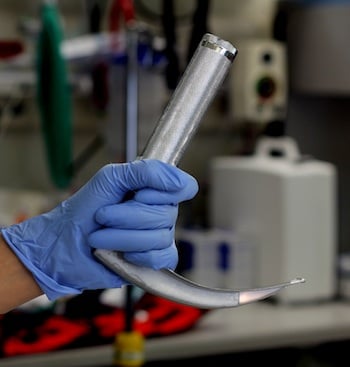
Paucis Verbis card: Rapid Sequence Intubation
The key to success in performing procedures is preparation. This is especially true for endotracheal intubations in the Emergency Department where things are chaotic. Strategic planning and anticipation of obstacles during rapid sequence intubation (RSI) are key principles to avoiding complications. PV Card: Rapid Sequence Intubation Go to ALiEM (PV) Cards for more resources.
How to teach procedures in the Emergency Department
As I was going through the free EM-RAP Educator’s Edition podcasts, somehow missed the March 2010 podcast on how to teach procedures in the Emergency Department. In the 36-minute podcast, Dr. Mak Moayedi (Univ of Maryland) discusses a framework to teaching procedures. Check it out. More specifically, Dr. Moayedi talks about how teaching procedures has moved beyond the antiquated “see one, do one, teach one” philosophy. Instead, we should follow principles based on accepted adult learning theories. [+]
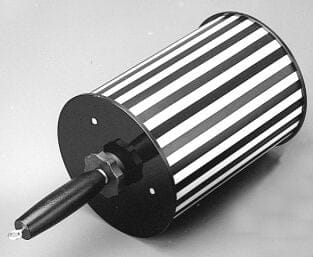
Trick of the Trade: OKN drum to test psychogenic coma
Occasionally, emergency physicians see patients who present because they are unresponsive despite normal vital signs and an otherwise normal exam. You detect no drugs or alcohol on board. You suspect a psychiatric or malingering etiology, but aren’t sure. They seem non-responsive to voice and minimally responsive to very painful stimuli. Is this a case of psychogenic coma or true coma (with bilateral hemispheric dysfunction)? What test can you do to reassure yourself that this may indeed be psychogenic coma? [+]
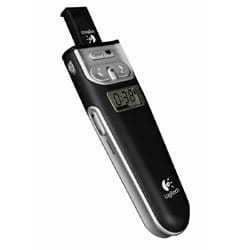
Essential tool for academicians: Cordless presenter
In academic medicine, you inevitably will need to give presentations. This may include giving lectures on clinical topics, summarizing your research findings, or presenting your meeting agenda. Usually these are displayed using a laptop and a LCD projector. Depending on the room, you may or may not be provided a cordless presenter. [+]

Article Review: What do EM learners want from teachers?
Evaluations of clinical faculty typically incorporate comments from rotating medical students and residents regarding their teaching ability. In the Emergency Department (ED), how do you balance your pressing clinical responsibilities with teaching? [+]

Director of Growth, Strategic [+]

Paucis Verbis card: Penetrating abdominal trauma
When I did my residency training in Emergency Medicine and in the first few years as an attending, we regularly performed diagnostic peritoneal lavages in patients with stab wounds injuries to the abdomen. Patients also routinely went to the operating room for exploration. Now with the evolution of CT imaging technology and more clinical studies, there is now a role for a less invasive management approach. These are the Eastern Association for the Surgery of Trauma (EAST) guidelines. PV Card: Penetrating Abdominal Trauma Adapted from [1] Go to ALiEM (PV) Cards for more resources. Reference Como JJ, Bokhari F, Chiu WC, [+]

Trick of the Trade: Blowing out the candle
How do you teach pediatric patients, especially toddlers, how to cooperate with your pulmonary exam? How do you get them to take adequately deep breaths in and out? [+]
Director of Growth, Strategic Alliance Initiative, Center for [+]