


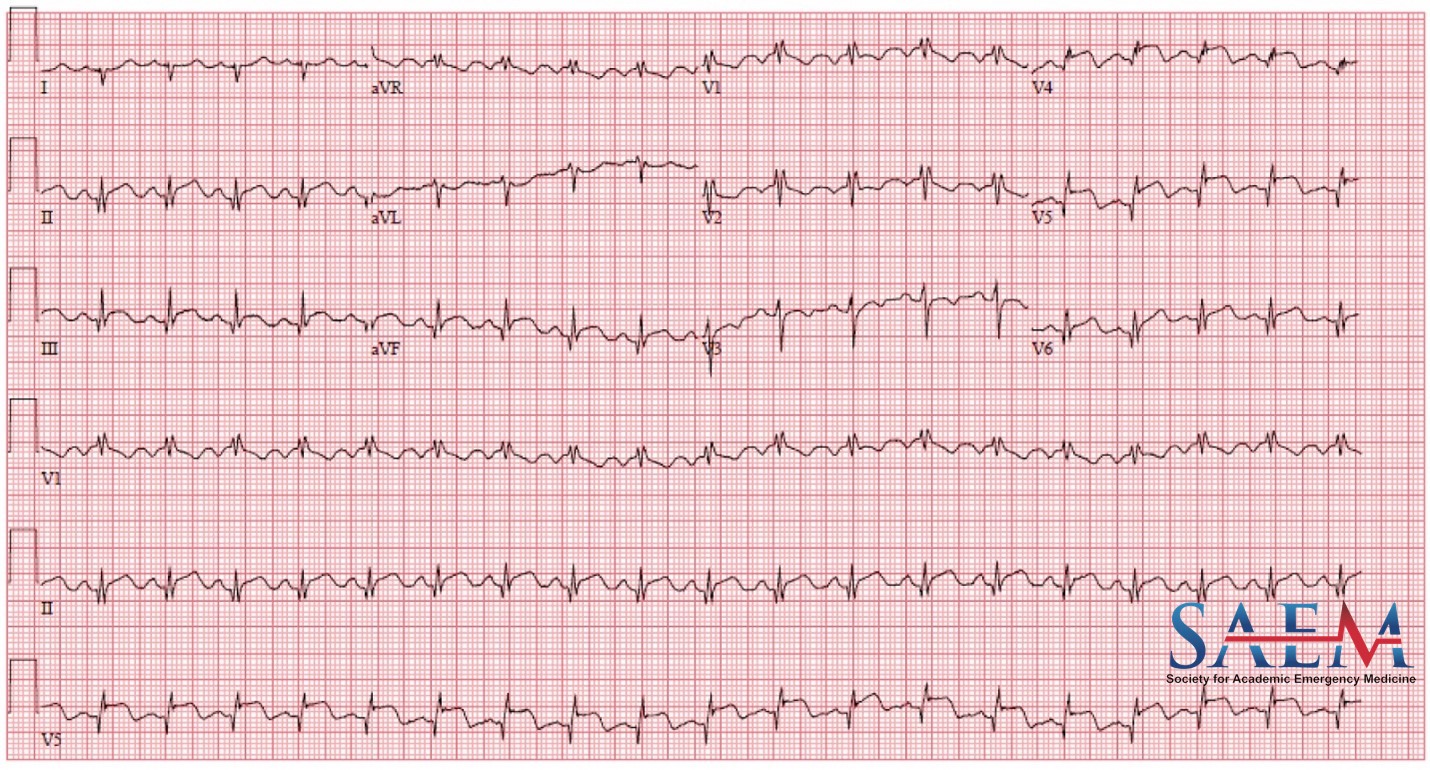
SAEM Clinical Image Series: A Young Woman with Chest Pain
A 35-year-old female with a history of intermittent palpitations who is three months post-partum presented to the emergency department (ED) with three days of sharp, substernal chest pain radiating down her left arm. She reportedly had a normal electrocardiogram (ECG) at an outside hospital on the first day of symptoms. The pain returned and was associated with one episode of vomiting the night prior to presenting to our ED. Initial ECG on arrival is shown. Vitals: Tachycardic; afebrile; normotensive; no tachypnea or hypoxemia on room air General: Mild distress, appears uncomfortable Cardiovascular: Tachycardic to 100s, regular [+]

Trick of Trade: Large-Bore Endotracheal Tube To Suction the Occluded Airway
The paramedics just arrived with a new patient to the resuscitation room. You find an altered patient actively vomiting bloody vomitus and food particles. You prepare for a difficult airway. You prepare 2 Yankauer suction catheters, but you are still worried that the food particles may clog up the catheters. Is there a better alternative? Background Up to 44% of emergent intubations are complicated by blood, vomit, or food particles in the airway. It has been shown that contaminated airways may lead to multiple intubation attempts and are associated with poor outcomes, such as peri-intubation cardiac arrest [1, 2]. The [+]

EM Match Advice: Where did all the jobs go, and did the applicants follow?
In this episode of EM Match Advice, our panel takes on the tough issues of 2021. Specifically we discuss the American College of Emergency Physicians (ACEP) Workforce Study [1] that projects fewer jobs for emergency physicians and the hot-off-the-press ERAS data showing a drop in the number of EM residency applicants, compared to 2 years ago. Did one cause the other? In this podcast, Dr. Mike Gisondi and Dr. Michelle Lin host an esteemed panel of 3 program directors, Dr. Cassandra Bradby (East Carolina University), Dr. Adam Kellogg (Baystate Health), and Dr. Craig Krausz (Saint Louis University). The Numbers The [+]

The 1440 Doctor: 3 Tips for Combating Distractions while Working From Home
We have all been there. You sit down to write your next masterpiece that you know any journal would be lucky to accept and “ding” your phone goes off. You check it, you type a few words on the google document, you hear some yelling in the other room (A kid? Your neighbor's kid?). You try to focus and tell yourself not to worry about it. You need to get this section of the paper written today. The doorbell rings, you hop up to see what it is. Amazon has arrived. Sound familiar? Our brains are hardwired for distraction. Back in [+]

Trick of the Trade: Persistent Paracentesis Leakage 2.0
You’re seeing a patient returning to the ED after a recent diagnostic paracentesis. The patient is complaining of persistent peritoneal fluid leakage. They’ve tried putting pressure with no success. You tried applying a medical adhesive glue and noticed it was unsuccessful, based on the patient’s gown continuing to get wet with ascites fluid. Now what? Trick of the Trade: Pressure Gauze and Transparent Film Dressing The medical adhesive glue trick was proposed in the Trick of the Trade 1.0 version by Dr. Borloz and Dr. Lin in November 2012. Materials Needed MaterialQuantityBenzoin tincture1Gauze 2" x 2"1-2Transparent Film Dressing (Tegaderm) [+]

SAEM Clinical Image Series: A Rapidly Spreading Rash
A 40-year-old male with a past medical history of HIV presented for evaluation of a non-pruritic rash. Six days ago, he suddenly felt a stinging sensation at the back of his head and neck similar to a bug bite. He then noticed bumps were starting to form and developed a shock-like pain in the area. Three days ago, the rash spread from the back of his head towards his chest. Yesterday, the rash spread further and now extends medially and upwards covering most of his left neck and ear. The pain continued to worsen, at which point the patient [+]

Simplified Dosing Scheme for DigiFab® in Acute Digoxin Poisoning
Background Treatment of digoxin toxicity can be quite complex and generally involves the use of digoxin immune Fab (DigiFab®) for symptomatic patients. The dosing of DigiFab can vary depending on the amount ingested, serum concentration, and/or suspected chronicity of toxicity. Alternatively, for an acute ingested of an unknown amount where the serum concentration is not available, it is recommended that 10 vials of DigiFab be administered empirically. This antidote is expensive (~$5,000 per vial) and not always readily available in every hospital. Given the complicated dosing and cost, alternative dosing strategies are being explored. Evidence Researchers from Australia first proposed [+]
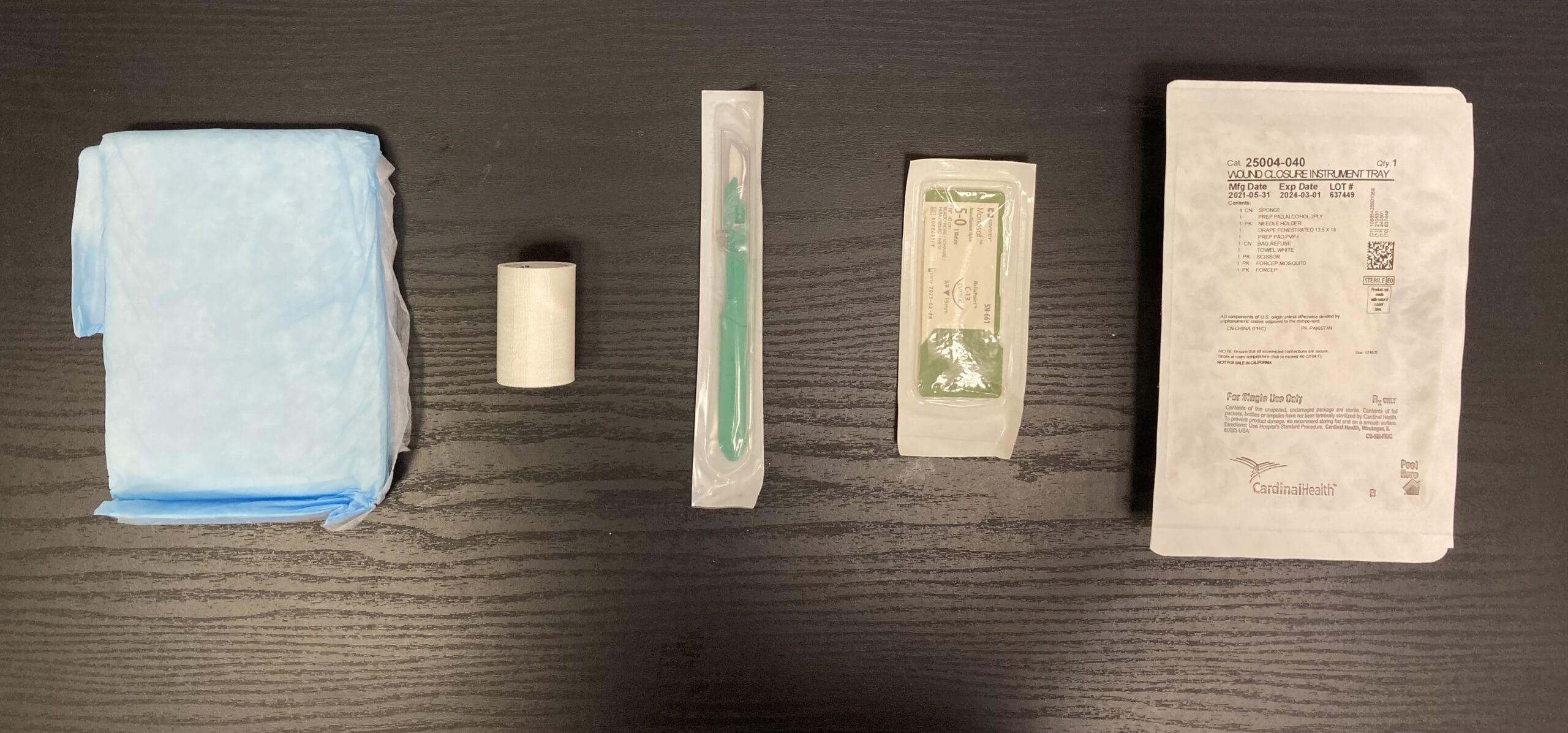
IDEA Series: DIY Suture Kit Station
In medical training there is a lack of simulation based activities including procedural labs. Suturing is a critical skill for trainees to master in the emergency department. However, supervised practice is needed prior to suturing a real patient for the first time. This innovation allows early trainees to master suturing while on shift, using easy to find materials, which increases procedural competency and confidence. This activity allows the teacher to assess and correct the trainees procedural skills prior to attempting to suture a real patient. Name of innovation This Do-It-Yourself Suture Kit Station incorporates easy to find materials available in [+]

20 Tips for Career Success and Longevity in Emergency Medicine
Photo by Snapwire on Pexels.com The practice of emergency medicine (EM) is consistently challenging. At any given moment during a shift, emergency physicians are responsible for making numerous decisions about multiple patients. Many of these decisions are time-sensitive, some a matter of life or death. Physical, intellectual, and spiritual fatigue can set in during or after a shift. Our consultants, clinic physicians, or hospital administrators rarely understand the roller coaster we ride. Out of necessity, those of us practicing EM look for ways to navigate the peaks and valleys that make up the natural rhythm of the emergency department. I was [+]
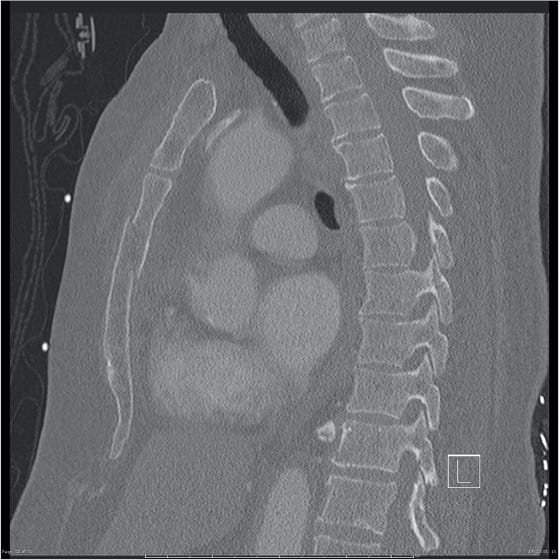
SplintER Series: Don’t Go Breaking My Heart
A 45-year-old man presents to the emergency department with chest pain after a high-speed motor vehicle accident where his sternum hit the steering wheel. You notice an area of ecchymosis noted over his sternum, so you decide to get a CT scan (Figure 1). Figure 1. Case courtesy of Dr Henry Knipe, Radiopaedia.org, rID: 26332 [+]
