



Dear emergency physicians: We see you
https://youtu.be/jtGM-BUp_no The COVID-19 pandemic has placed incredible stress and strain on the personal work lives of emergency physicians. We have endured these almost 2 years of misinformation, PPE shortages, fear, frustration, grief, and death. So much going on in the world politically and socioeconomically, we at ALiEM wanted to share a message that WE SEE YOU. We're with you, and we're in this together. Credits Thank you for the tireless work on this video by animator Spencer Evans, who is a soon-to-be-emergency physician attending medical school currently at the University of Colorado. Also thanks to the entire ALiEM team for [+]

SAEM Clinical Image Series: Snowball Effects
A 13-year-old boy presented to the emergency department with complaints of a right eye injury. Five hours prior to arrival, he was struck directly in the right eye with a snowball resulting in immediate eye pain, localized swelling, some flashes of light in his vision and blurry vision. Prior to arrival, the patient had been seen at an optometry center where puff pressures of his eyes were obtained and the right eye was noted to have an increased intraocular pressure (IOP) of 46 mmHg compared to a pressure of 13 mmHg on the left. He continued to endorse photophobia [+]
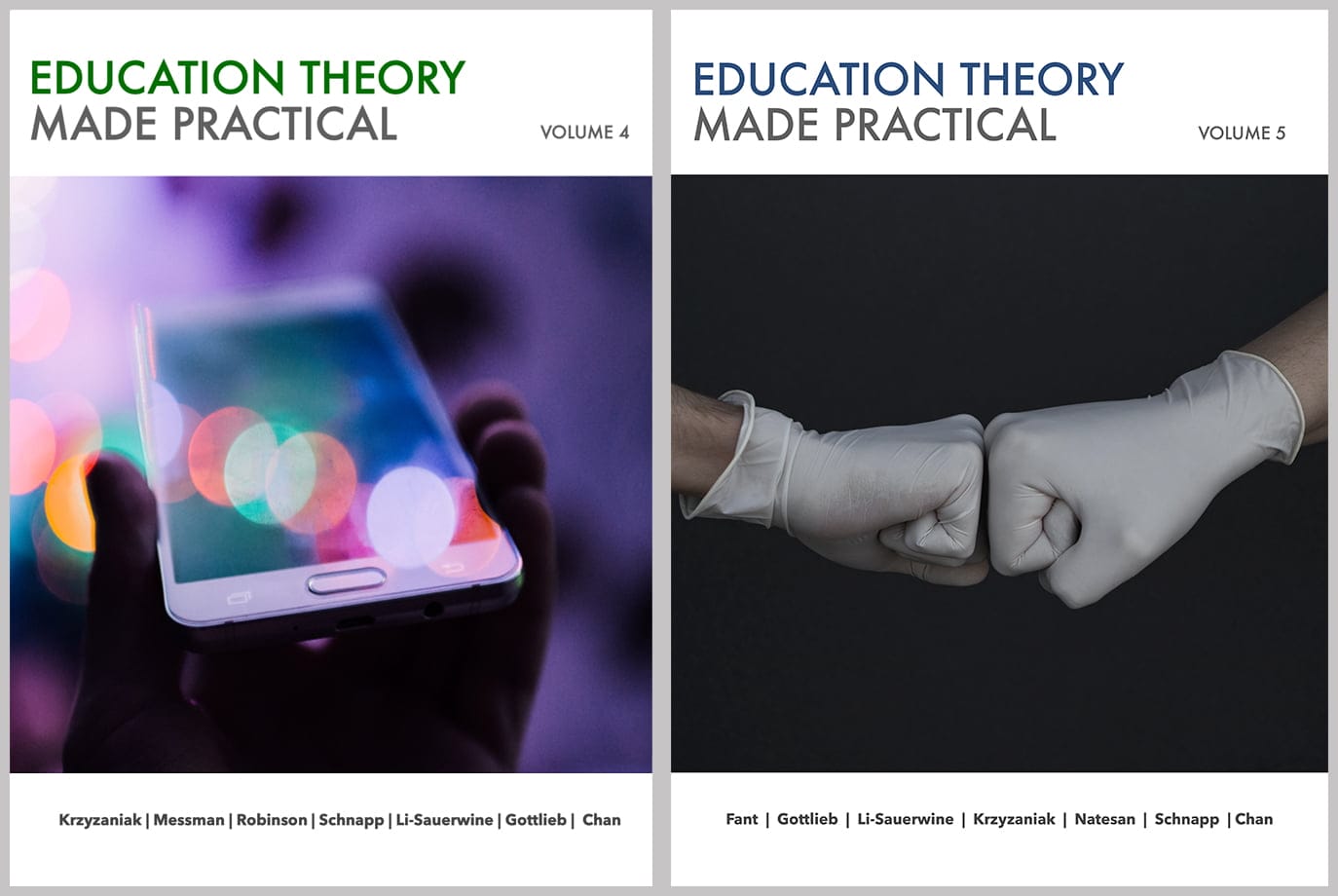
Education Theory Made Practical (Volumes 4 & 5): An ALiEM Faculty Incubator eBook Series
Back by popular demand and thanks to a generous grant from the Government of Ontario’s eCampus initiative, the ALiEM team is delighted to announce the publication of 2 new eBook publications: Volumes 4 and 5 of the Education Theory Made Practical eBook series [ALiEM Library]. Like all of the others that have come before, these books were a labor of love brought to you by the dedicated Faculty Incubator alumni. On behalf of all the editors of both editions, we are very proud of all our Faculty Incubator alumni who made this happen. Their amazing contributions have been compiled in [+]
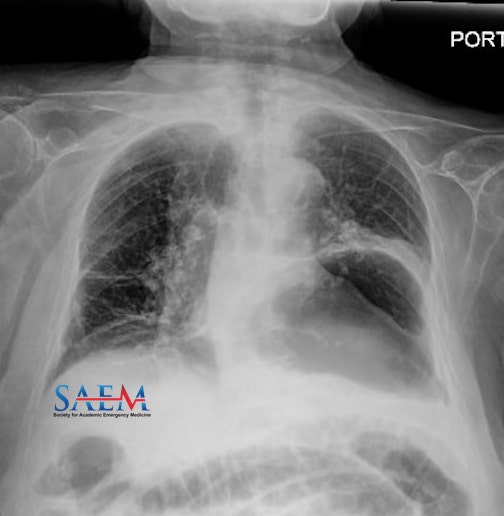
SAEM Clinical Image Series: An Uncommon Cause of Shortness of Breath
A 102-year-old female presents with intermittent epigastric abdominal pain for the last two days. Episodes have no relieving or exacerbating factors. The pain originates in the epigastrium and radiates diffusely to the abdomen and back, resolving on its own within minutes of onset. She has had one episode of nonbilious, non-bloody emesis. Her last bowel movement was two days prior and she hasn't been able to pass gas. The pain is associated with mild shortness of breath which has been progressively worsening since the onset of symptoms. Her family was concerned and called EMS because the shortness of breath [+]

ALiEM AIR Series | ACS 2022 Module
Welcome to the AIR ACS Module! After carefully reviewing all relevant posts from the top 50 sites of the Social Media Index, the ALiEM AIR Team is proud to present the highest quality online content related to ACS emergencies in the Emergency Department. 7 blog posts met our standard of online excellence and were curated and approved for residency training by the AIR Series Board. We identified 4 AIR and 3 Honorable Mentions. We recommend programs give 4 hours (about 30 minutes per article) of III credit for this module. AIR Stamp of Approval and Honorable Mentions In an effort to truly emphasize [+]
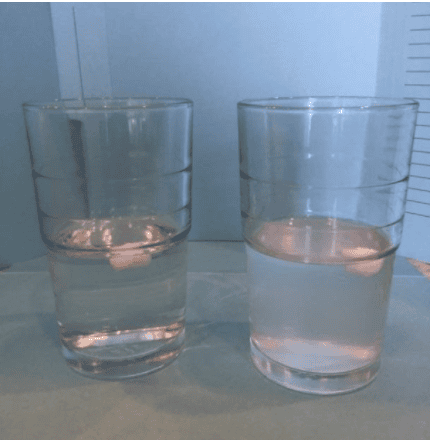
ACMT Toxicology Visual Pearl: Sink or Swim
What type of mothball floats in both water and saturated salt solution? Camphor Naphthalene Paradichlorobenzene Sodium Hypochlorite [+]

Elzada Sercus, MD
Carolinas Medical Center
Charlotte, NC
Latest posts by Elzada Sercus, MD (see all)

How I Work Smarter: Simiao Li-Sauerwine, MD
One word that best describes how you work? Efficiently! Current mobile device iPhone 12 Computer MacBook Air What is something you are working on now? I'm working on a research study examining the impact of EM faculty demographics on learner evaluations. How did you come up with this Idea/Project? I've always been interested in the impact of implicit bias on physician professional development and advancement. We use learner evaluations of attendings for promotion, for compensation, for recognition with departmental awards. So, I was interested to know how the demographics of a faculty member might impact a resident's expectations of [+]

EM Match Advice 36: It’s Time to Make Your Rank List
Now that interview season for residency match has concluded, our residency director panel tackles the hot topic of making your rank list, which includes "love letters" to programs and second look visits. In this podcast, Dr. Mike Gisondi and Dr. Michelle Lin host an esteemed panel of 3 program directors, Dr. Emily Fisher (University of Oklahoma), Dr. William Paolo (SUNY Upstate), and Dr. Michael Van Meter (University of Texas Health Science Center at Houston) to discuss these issues. Good luck to everyone in the match this year! EM Match Advice Podcast Read and Listen to the Other EM Match Advice [+]

Extracorporeal Treatment Options in Poisoned Patients
Background Caring for a patient that is critically-ill secondary to a toxic ingestion is complicated and, in severe cases, extracorporeal treatments (ECTRs) may be considered. The most commonly used ECTRs are intermittent hemodialysis (iHD) and continuous renal replacement therapy (CRRT), but ECTRs also include exchange transfusion, hemoperfusion, liver dialysis, and therapeutic plasma exchange. Finding and evaluating the supporting literature for these treatment modalities in a timely manner is not feasible in most situations. In order to assist in this effort, the EXtracorporeal Treatments In Poisoning (EXTRIP) workgroup has reviewed and provided free, evidence-based recommendations regarding the use of ECTRs for [+]
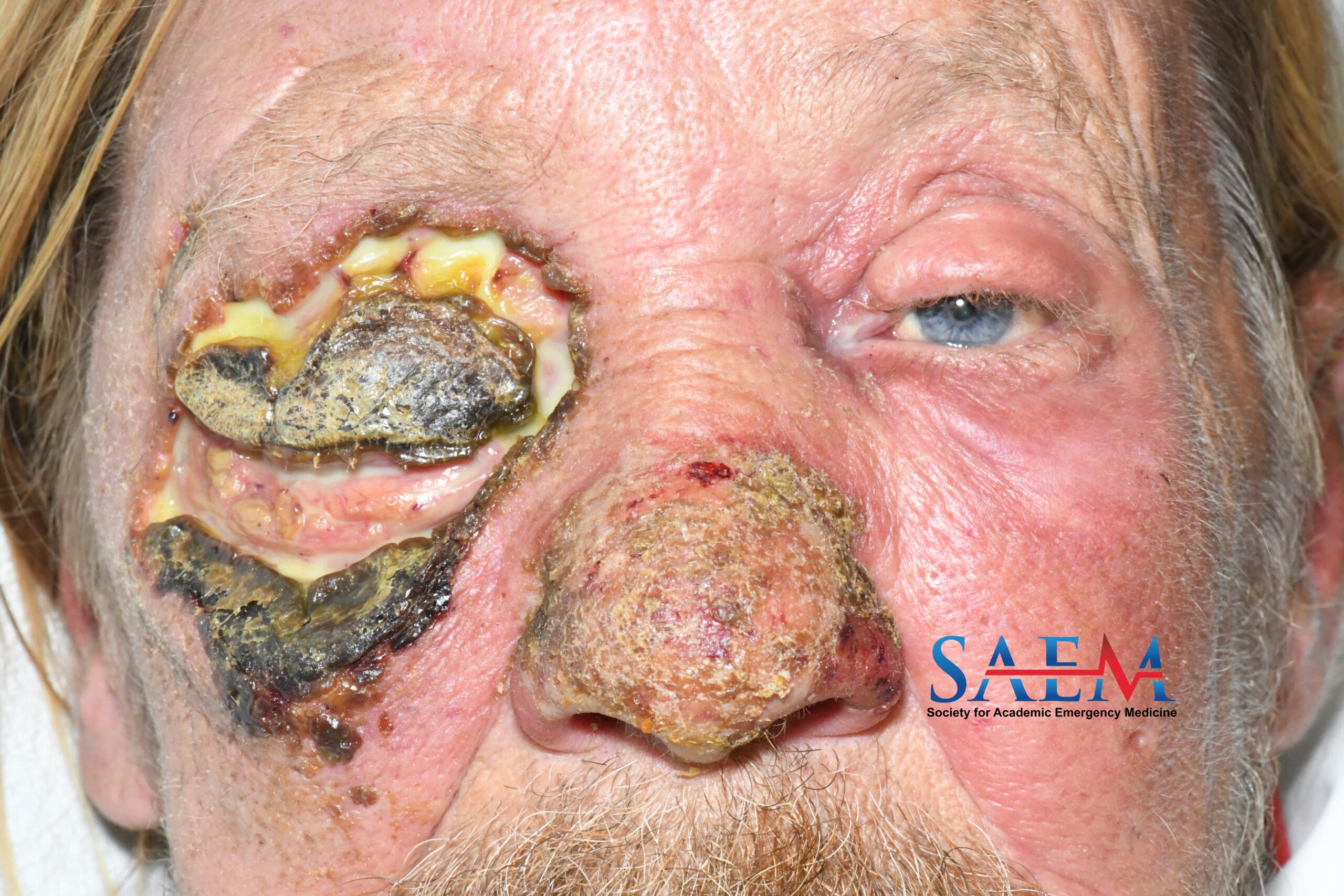
SAEM Clinical Image Series: Eye Pain
A 59-year-old gentleman experiencing homelessness with a history of hepatocellular carcinoma, hepatitis C, alcohol use disorder, and tobacco dependence presented to the emergency department (ED) with severe, worsening right eye pain, blurry vision, swelling, redness, and purulent discharge after scraping his upper face on concrete during a mechanical fall two weeks prior. Of note, his partner presented to the ED at the same time with a necrotic infection of the breast as well as multiple skin lesions reportedly due to insect bites. Vitals: T 102.4°F; HR 108; BP 121/94 Head: Lice nits visible in his hair [+]