



ALiEM AIR Series | Non-ACS Cardiology 2022 Module
Welcome to the AIR non-ACS cardiology Module! After carefully reviewing all relevant posts from the top 50 sites of the Social Media Index, the ALiEM AIR Team is proud to present the highest quality online content related to non-ACS cardiology emergencies in the Emergency Department. 12 blog posts met our standard of online excellence and were curated and approved for residency training by the AIR Series Board. We identified 5 AIR and 7 Honorable Mentions. We recommend programs give 6 hours (about 30 minutes per article) of III credit for this module. AIR Stamp of Approval and Honorable Mentions In an effort to [+]

ACMT Toxicology Visual Pearl: Pretty (and Deadly) in Purple
What is the correct antidote for a patient who is poisoned with the pictured substance? Digoxin Specific Fab Hydroxocobalamin/Sodium Thiosulfate Physostigmine Pyridoxine (photo used with permission courtesy of Maureen Dallhoff, MD) [+]

Charles Harris III, MD
Carolinas Medical Center
Charlotte, NC
Latest posts by Charles [+]
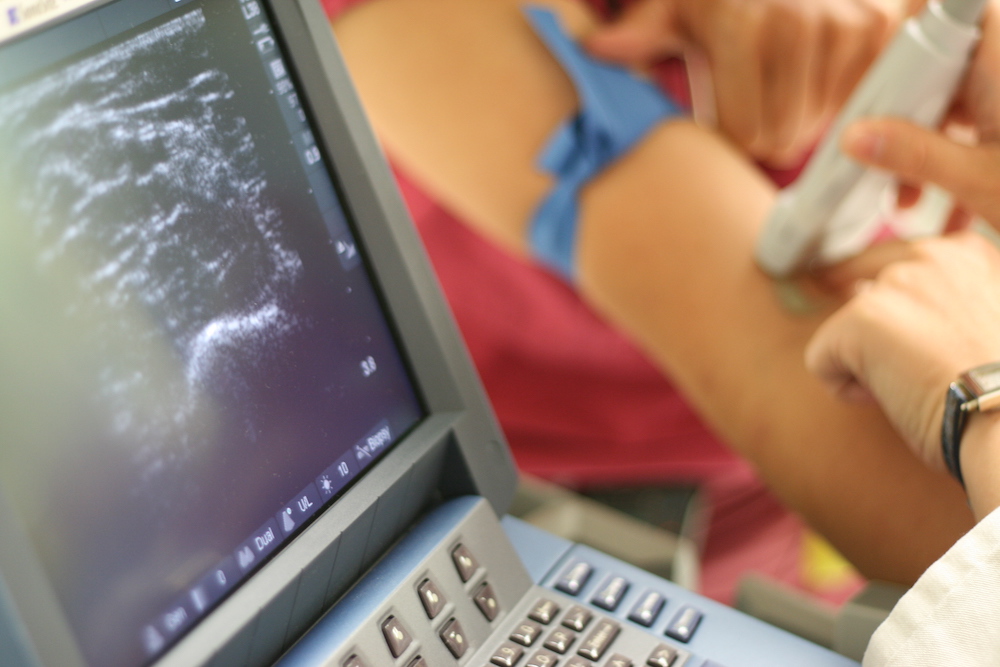
Trick of the Trade: Don’t fight the ultrasound cord for peripheral IV access
Ultrasound-guided IVs require hand-eye coordination and fine movements of probe in Goldilocks fashion. Apply too much pressure, and the vein in question is compressed. Slide a little to the right, and now it's out of the window. Something that practitioners don't think about is the tension from the cord. If left to its own devices, the cord will tug on the probe, making the probe harder to steer and handle, especially for those tiny veins. Trick of the Trade: Reduce cord tension Have the patient grasp the cord! This makes them an active participant. Usually, if they are awake and [+]

PEM POCUS Series: Pediatric Appendicitis
Read this tutorial on the use of point of care ultrasonography (POCUS) for pediatric appendicitis. Then test your skills on the ALiEMU course page to receive your PEM POCUS badge worth 2 hours of ALiEMU course credit. Take the ALiEMU PEM POCUS: Pediatric Appendicitis Quiz Module Goals Describe the indications for performing point-of-care ultrasound (POCUS) for appendicitis Describe the technique for performing POCUS for appendicitis Recognize anatomical landmarks for POCUS for appendicitis Interpret signs of appendicitis on POCUS List the limitations of POCUS for appendicitis Case Introduction: Child with thigh pain Mason is an 8-year-old [+]
SplintER Series: Point Tender
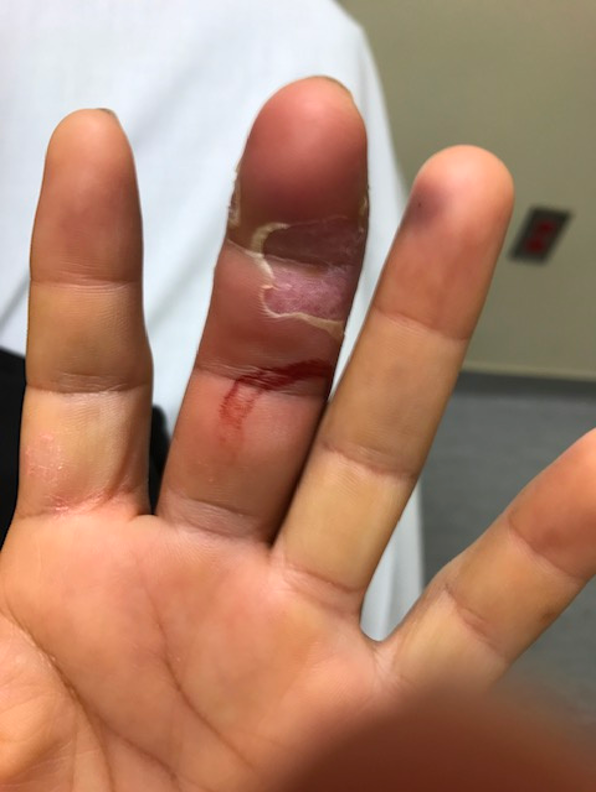
A 42-year-old female presents to the emergency department with complaints of worsening finger pain. She reports the pain started 2 days ago with redness at the tip of the finger. Over the past 24 hours, her redness has spread and the finger has become more painful. On arrival, she is afebrile and hemodynamically stable. She has the below exam findings with tenderness along the volar aspect of the finger and pain with passive extension (Figure 1). What is your suspected diagnosis? What is your initial workup? What is your management and disposition? [+]

EM Match Advice 37: EM Program Directors Reflect on the 2022 Match
In this 37th episode of EM Match Advice, we discuss the results of the 2021-22 EM Residency Match with lots of shocking numbers and surprises to review. The table above lists the trends and data since 2014, extracted from the National Resident Matching Program (NRMP) site [1]. Could this have been foreseen? What does this mean for the 2022-23 EM Match season? In this podcast, Dr. Mike Gisondi and Dr. Michelle Lin host the following esteemed panel of 3 program directors to review this juicy table and discuss the future: Dr. Abra Fant (Northwestern University) Dr. Sara Krzyzaniak (Stanford University) [+]

SplintER Series: Between a Rock and a Hard Place
A 17-year-old male basketball player presents with right lateral thigh pain for the past 3 weeks. He had a collision with another player 5 weeks ago that resulted in a bruise that has since resolved. He is mildly tender over the lateral mid-thigh in the soft tissues and has a decreased knee flexion. You obtain X-rays (Figure 1). What is your suspected diagnosis? What is your initial workup in the ED? What imaging confirms the diagnosis? What is your management and disposition? Figure 1: AP and lateral radiographs of the right femur [+]
ACMT Toxicology Visual Pearl | Substance-Induced Crystalluria: All That Glitters Is Not Gold
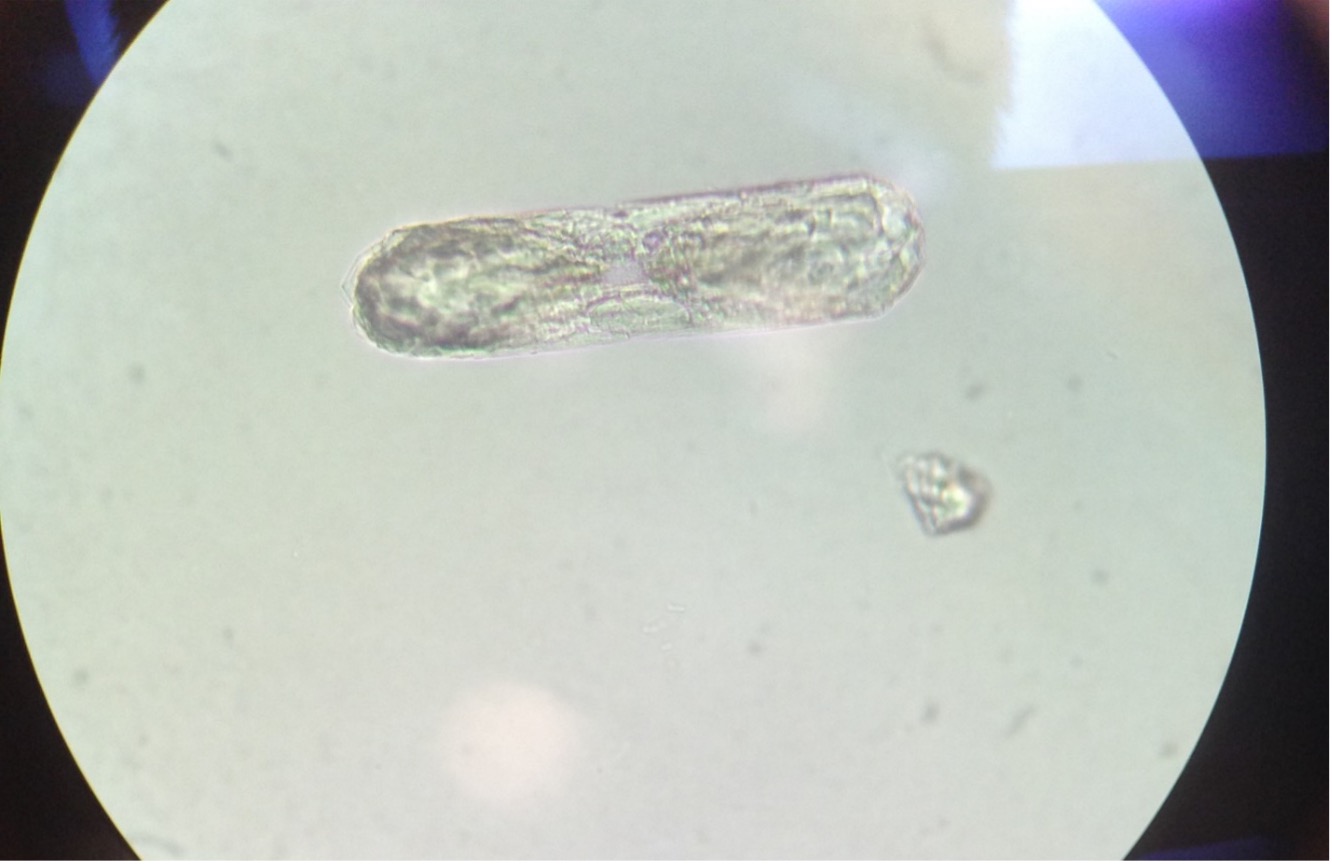
Which of the substances below causes crystalluria with hexagonal crystals that shimmer on macroscopic urine examination? Acyclovir Ethylene glycol Indinavir Primidone Sulfamethoxazole/trimethoprim [+]

Alex Ponce, PharmD
Indiana Poison Center
Latest posts by Alex Ponce, PharmD (see all)

Need your help: A master list of free EM and Critical Care blog and podcast sites
Calling all who read or listen to emergency medicine/critical care (EM/CC) blogs or podcasts. In 2014, we helped to publish the master inventory of free open-access medical education (FOAMed) resources spanning the period of 2002-2013 [1]. In that publication, we demonstrated an exponential rise of both blogs and podcasts with 141 blogs and 42 podcasts (total 183 sites). In 2019, the Life in the Fast Lane (LITFL) team identified 251 active sites. But where are we at now? Why create an EM/CC master list of sites? Most of the time, we encounter new resources by word-of-mouth or through Google search [+]
PEM POCUS Series: Confirmation of Endotracheal Tube Placement
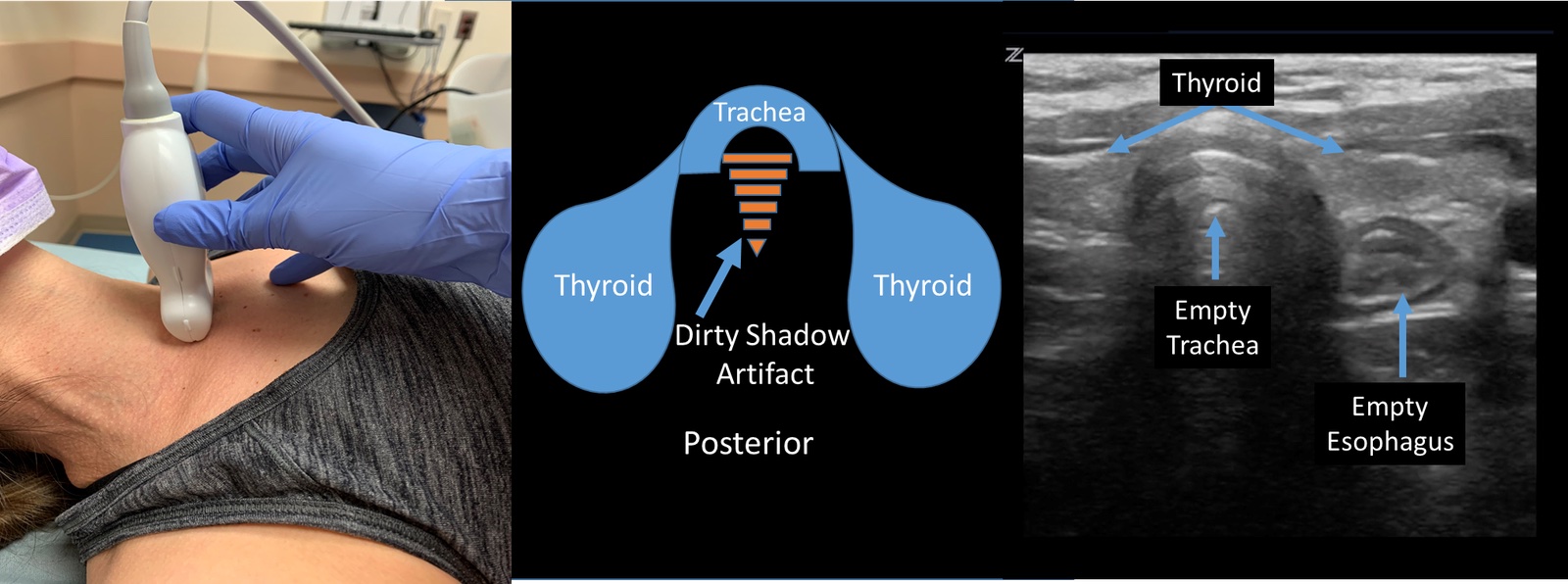
Read this tutorial on the use of point of care ultrasonography (POCUS) for confirmation of endotracheal tube (ETT) placement in pediatric patients. Then test your skills on the ALiEMU course page to receive your PEM POCUS badge worth 2 hours of ALiEMU course credit. Take the ALiEMU PEM POCUS: Pediatric ETT Confirmation Quiz Module Goals List indications for performing airway/lung POCUS to confirm ETT placement Describe the technique of performing airway and focused lung POCUS Distinguish between normal and abnormal airway and lung POCUS findings Distinguish between tracheal, endobronchial, and esophageal placement of ETT List [+]