


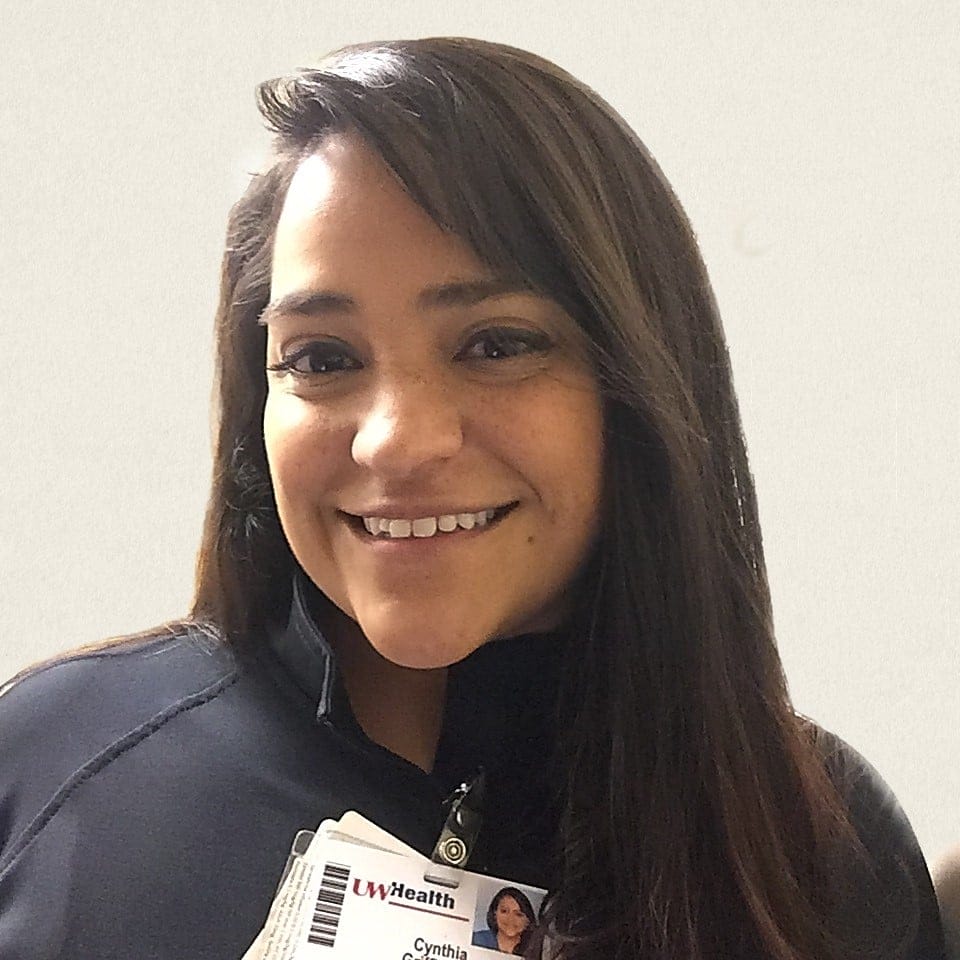
I am Dr. Cynthia Griffin, Flight Physician: How I Stay Healthy in EM
Dr. Cynthia Griffin is an emergency physician and flight physician from Madison, Wisconsin. Dr. Griffin believes that laughter is the best medicine. When she’s not conquering the ED or saving lives in the sky, she can be found spending time with her family and her adorable chocolate lab. Here’s how she stays healthy in EM! [+]
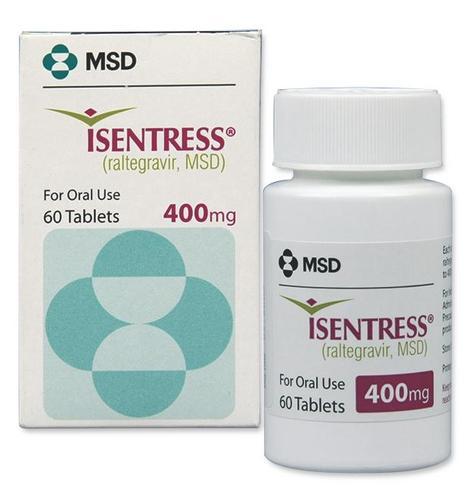
Replace dolutegravir (Tivicay) with raltegravir (Isentress) for post-exposure prophylaxis
Post-exposure prophylaxis (PEP) of patients who may have been exposed to HIV includes a combination HIV nucleoside analog reverse transcriptase inhibitor emtricitabine/tenofovir (Truvada) plus an integrase inhibitor. The CDC initially recommended the integrase inhibitor dolutegravir (Tivicay). However on May 18, 2018, the CDC placed an alert about the neural tube defect risk with dolutegravir.1 How does this change our ED practice? The evidence Based on an interim analysis in an ongoing safety of dolutegraivir, the U.S. Health and Human Services announced: The concern stems from a preliminary unscheduled analysis of an ongoing NIH-funded birth surveillance study in Botswana, which has reported [+]

From One Medical Student to Another: 5 Tips for Research Success
One of the most challenging aspects of medical school is the sheer volume of information that must be absorbed in a short period. This can pose a problem for those interested in developing research skills and pursuing an independent project. As colleagues, we know that our inherent curiosity is satisfied by discovering new information as much as it is by learning clinical content. We believe that it is important to showcase our hard work through a formal research project, but there are systematic barriers to finding a research mentor and team. Although there are many resources to guide you on [+]
ALiEMU AIR Peripheral Vascular Disease Module
Welcome to the Peripheral Vascular Disease (PVD) Module! After carefully reviewing all relevant posts from the top 50 sites of the Social Media Index, the ALiEM AIR Team is proud to present the highest quality online content related to PVD emergencies. 2 blog posts within the past 12 months (as of May 2018) met our standard of online excellence and were curated and approved for residency training by the AIR Series Board. We identified 0 AIR and 2 Honorable Mentions. We recommend programs give 1 hour (about 30 minutes per article) of III credit for this module. [+]
Approaching Wellness in the ED: A Conversation with Wellness Expert Dr. Shahina Braganza
The Wellness Think Tank created a podcast with wellness expert Dr. Shahina Braganza from the Gold Coast in Australia. Facilitated by Dr. Annahieta “AK” Kalantari and joined by EM residents Dr. Alecia Gende and Dr. Adrienne Taren, the conversation covers a broad range of topics including the concepts behind Emotional Contagion, Dr. Braganza’s published “oneED” program1, and the challenges of adopting wellness initiatives in the ED. We present the podcast and highlights below. [+]

MEdIC Series: The Case of the Medication Mishap – Expert Review and Curated Community Commentary
Our last case of season 5, The Case of the Medication Mishap, presented the scenario of a senior resident, Tim, who inadvertently administers an incorrect medication dose that leads to a serious adverse event. He then struggles with how to handle this situation as we often aren’t coached on the approach to physician errors and disclosing adverse events throughout our medical training. Physicians aren’t allowed to make mistakes, right? If you haven’t had a chance yet, we urge you to check out the case and share your thoughts on this important topic! The MEdIC team (Drs. Tamara McColl, Teresa Chan, Sarah Luckett-Gatopoulos, [+]
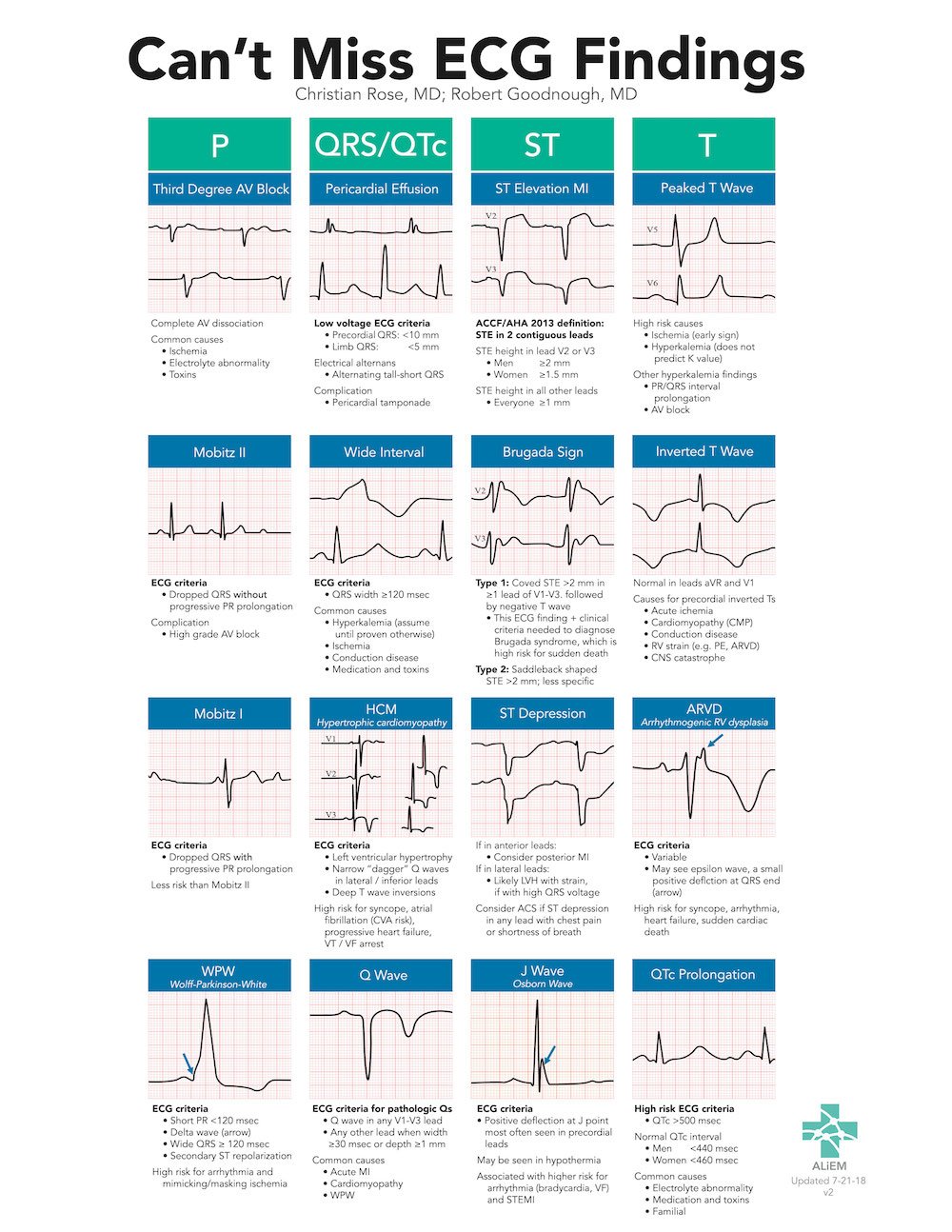
Can’t Miss ECG Findings for the Emergency Medicine Provider
Sudden cardiac death accounts for almost 400,000 deaths per year in the United States, and EM providers must be adept at discerning subtle, high-risk ECG findings. With the advent of triage ECG protocols, one of the most common interruptions in the ED is a request to “sign off” on an ECG. We present a reference of some of the most important high-risk ECG findings, intended to help ED providers systematically screen patients in triage and the waiting room. [+]
MEdIC Series: The Case of the Medication Mishap
Welcome to season 5, episode 9 of the ALiEM Medical Education in Cases (MEdIC) series! Our team (Drs. Tamara McColl, Teresa Chan, Eve Purdy, John Eicken, Sarah Luckett-Gatopoulos, Alkarim Velji, and Brent Thoma) is pleased to welcome you to our online community of practice where we discuss the practice of academic medicine! In our last case of the year, we present the scenario of a senior resident, Tim, who inadvertently administers an incorrect medication dose that leads to a serious adverse event. He then struggles with how to deal with this error as we often aren’t coached on situations like these throughout our training. Physicians aren’t allowed [+]

SplintER Series: Common ED Splint Techniques 104
The SplintER series is back with its fourth installment! In this series, we review splinting fundamentals, introduce advanced concepts, and highlight ways to implement these into your next shift. In this post, we summarize some of the most commonly deployed splints in the ED. Peer-reviewed by sports medicine experts (Dr. Kori Hudson and Dr. Anna Waterbrook), these injury-splint summary tables provide information on the origin, insertion, and positioning for each splint, along with the recommended number of layers of plaster. [+]

EM Fellowship Match Advice: Global Health Fellowship
EM Fellowship Match Advice is back to put the focus on Global Health Fellowships. A panel of 3 outstanding fellowship directors discuss the reasons why a resident may consider advanced training in this global health, future job opportunities, and the difference in approach between some of these programs. Hosted by Drs. Michael Gisondi and Michelle Lin, listen to the podcast to learn more about Global Health! Podcast Global Health Fellowship Program Director Panel Dr. Kristiana Kaufman (Wayne State University) Dr. Rebecca Walker (Stanford University) Dr. Hani Mowafi (Yale University) Listen to all the episodes of the EM Match Advice Series