PV Card: Intimate partner violence
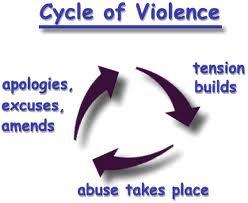
In the Emergency Department, we too often under-estimate our patients’ likelihood for intimate partner violence (IPV). Unfortunately, there is no perfect screening test to detect this. So one must maintain a high index of suspicion. Once you detect it, what questions should you ask to ensure her/his safety and how do you optimize the resources available to her/him?
Created by Trevor Wilson (UCSF medical student) and Dr. Beth Kaplan (UCSF/SFGH), the following PV pocket card reviews how to screen, document, intervene, and provide resources for the patient. Learn the “SAFE” questions.1,2
PV Card: Intimate Partner Violence
Go to ALiEM (PV) Cards for more resources.
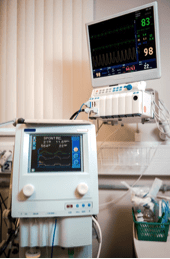 Airway management is one of the defining skills of an emergency physician, but our role in the care of intubated patients may continue long after endotracheal tube placement is confirmed. In mechanically ventilated patients, acute elevations in airways pressures can be triggered by both benign and life-threatening causes. When the ventilator alarms, do you know how to tell the difference? What is your approach in troubleshooting the potential problems?