


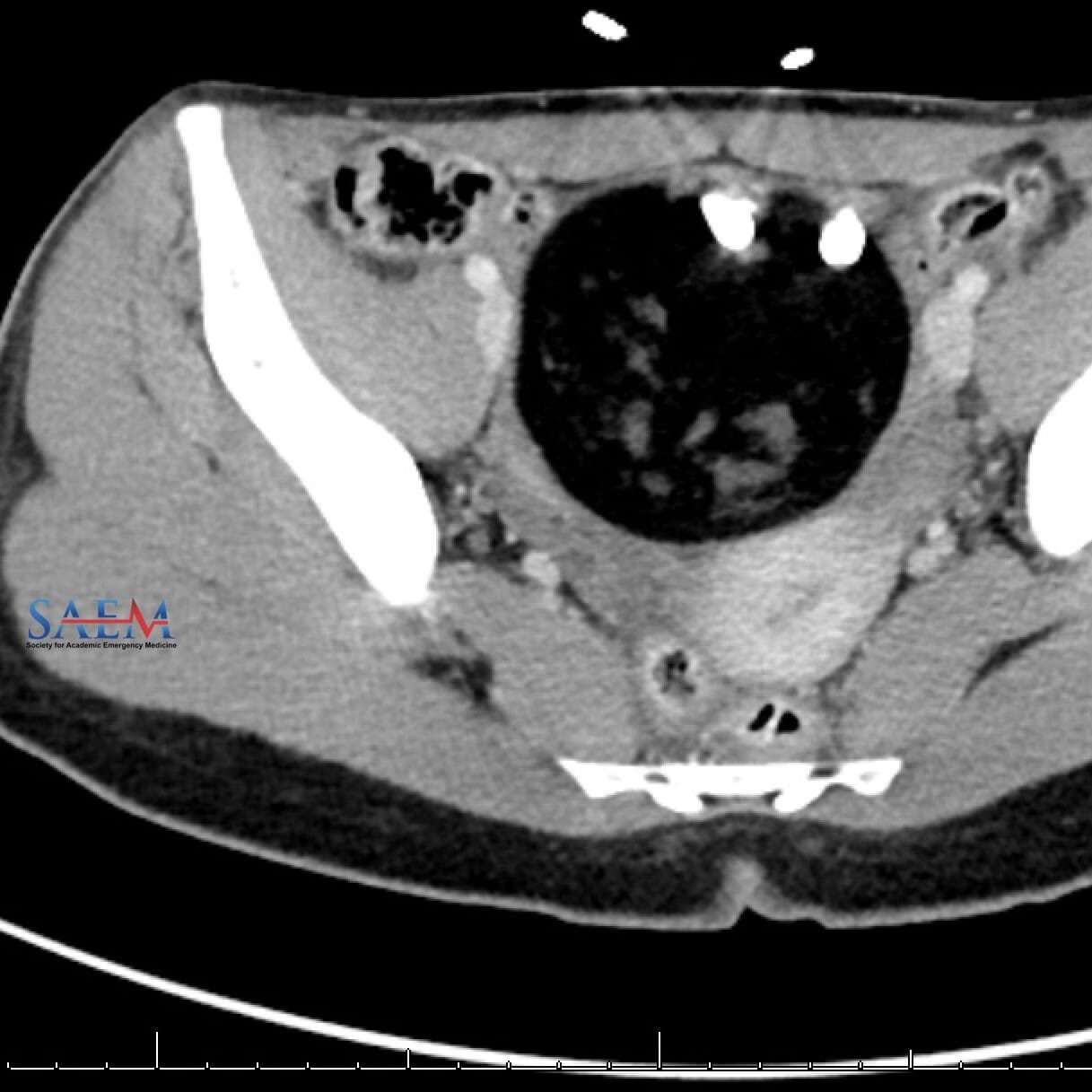
SAEM Clinical Images Series: A Curious Case of Abdominal Pain
The patient is a 22-year-old G0P0 female who presents to the Emergency Department with two days of left lower quadrant abdominal pain. The patient rates her pain as 10/10 in intensity, sharp in character, and states the pain radiates to her lower back. She notes similar intermittent pain over the past few months, but the pain became persistent over the past two days and has worsened. She also reports decreased appetite with nausea and vomiting. Her pain is exacerbated by movement. She began her menstrual period three [+]
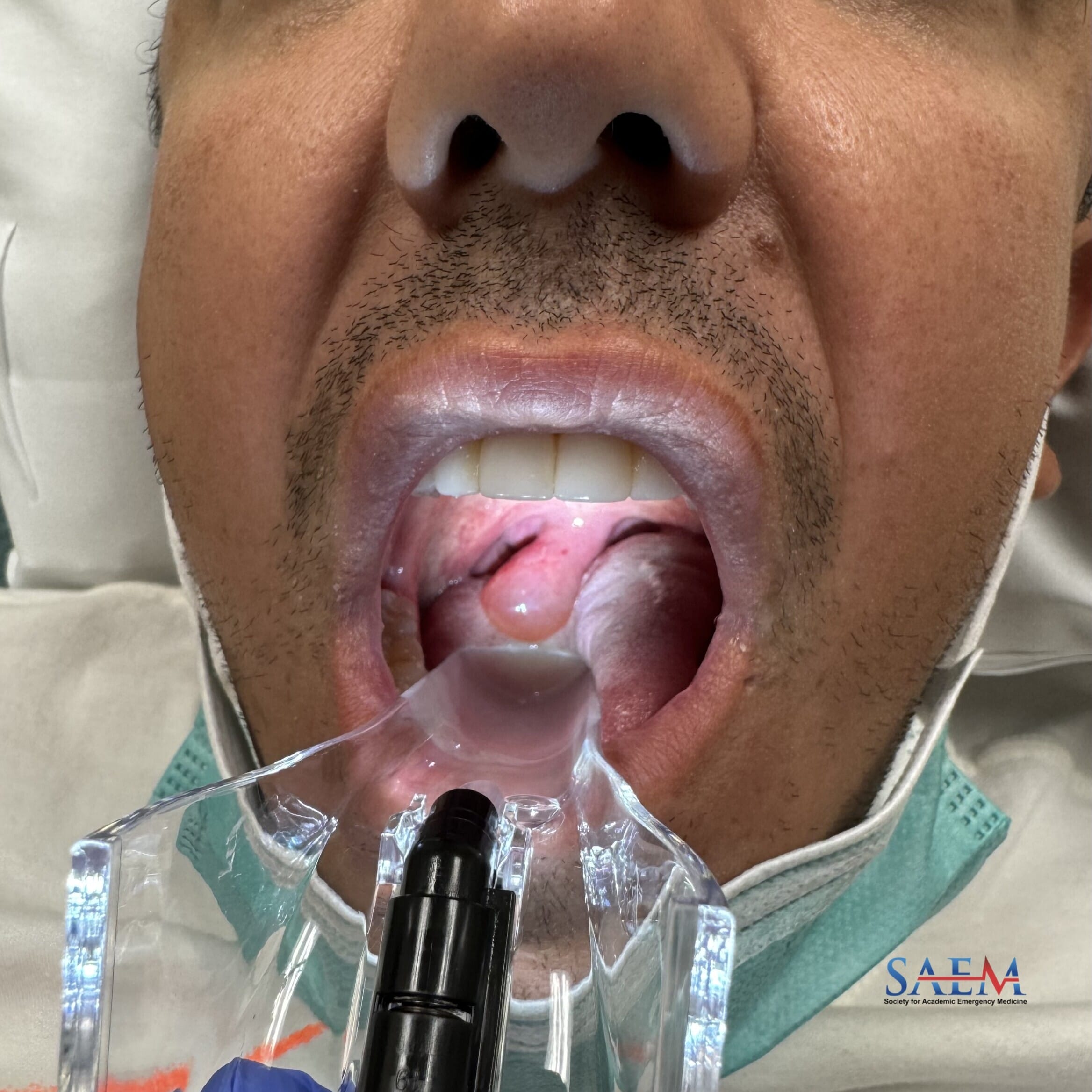
SAEM Clinical Images Series: Quirky Quincke’s
The patient is a 38-year-old male with no past medical history who presents to the Emergency Department with chief complaint of “swollen uvula” that started 4 hours ago. The patient reports that he woke up this morning with pain in his throat and associated shortness of breath secondary to swelling. States he looked in his mouth in the mirror and saw that his uvula was swollen, prompting his visit to the ED. He states that he took Benadryl and Tylenol at onset of symptoms with no relief. The patient denies fever, [+]

EM Match Advice 50: Making Your Rank List | Program Directors Share Their Best Advice
With interview season behind you, it's time for one of the most important decisions of your medical career: creating your rank list. In this episode of ALiEM Match Advice, host Dr. Sara Krzyzaniak (Stanford EM Program Director) sits down with Dr. Elaine Rabin (Mount Sinai Hospital, Elmhurst Program) and Dr. Miriam Kulkarni (St. John's Riverside Hospital) to discuss what really matters when ranking programs—and what doesn't. Key Dates to Remember February 2, 2026: Rank list entry opens on NRMP March 4, 2026: Rank list certification deadline (same for programs and applicants) March 16, 2026: Match status notification March 20, [+]

Education Theory Made Practical: All 8 Volumes Free
After eight years, 240 faculty members, and countless Slack conversations across time zones, the ALiEM Faculty Incubator has come to a close. And with it, we're celebrating the completion of something I'm incredibly proud to share: the Education Theory Made Practical book series—8 volumes, 77 educational theories and frameworks, now freely available to educators worldwide [download at ALiEM Library]. We became victims of our own success. The mentors and community members we nurtured? They're now department chairs, deans, and program directors. The people we brought into our sandbox are now making the big decisions and shaping the future of [+]
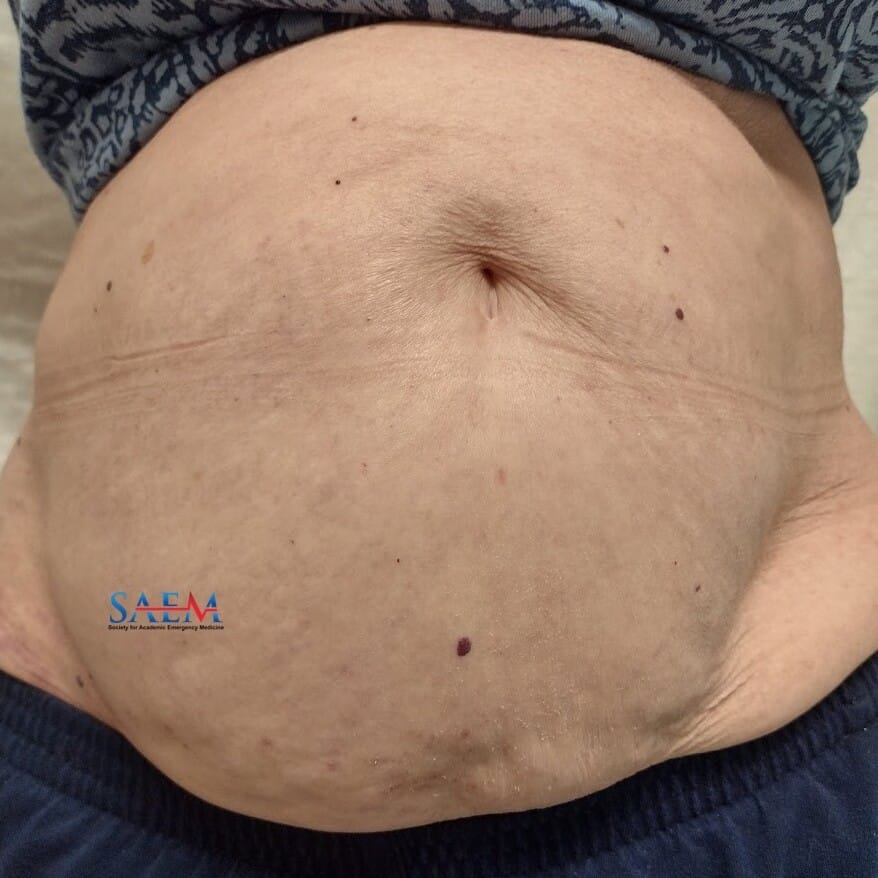
SAEM Clinical Images Series: Pain, Paralysis, and Rash
The patient is an 81-year-old female with a history of asthma and hypertension who presents to the Emergency Department with right-sided abdominal swelling for five days. Five days ago, the right side of her abdomen appeared to protrude more than the left. This protrusion then increased over the next 2-3 days. The patient was diagnosed with shingles to the right lower abdomen earlier that month, but her rash has now nearly resolved. She continues to have “electric” pain in the region of the prior shingles infection. She denies any fevers, abdominal [+]
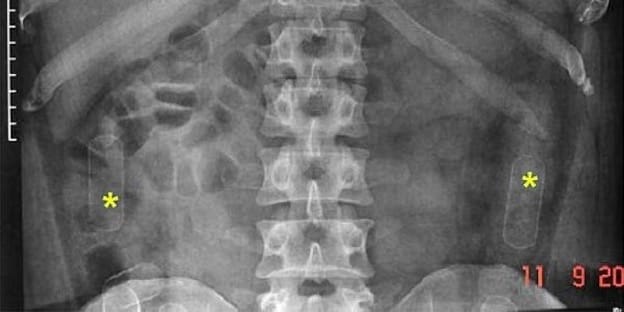
ACMT Toxicology Visual Pearl – Hidden Danger
This abdominal radiograph indicates what type of activity? Body packing Body pushing Body stuffing Parachuting [Image from Wikimedia Commons] [+]

Mary E. Heslin, MD
Atrium Health Carolinas Medical Center
Latest posts by Mary E. Heslin, MD (see all)
SAEM Clinical Images Series: A Pedunculated Bone to Pick
The patient is a 46-year-old male with a past medical history of chronic left knee pain, hypertension, and congestive heart failure who presents to the Emergency Department with worsening left knee pain. He had been walking more frequently of late to increase his exercise, but denies any falls or specific trauma. He noticed some swelling to the area over the past few days but there has been no redness, rash, or fever. He also denies calf pain, lower leg swelling, and shortness of breath. He [+]
SAEM Clinical Images Series: Wake-up Call
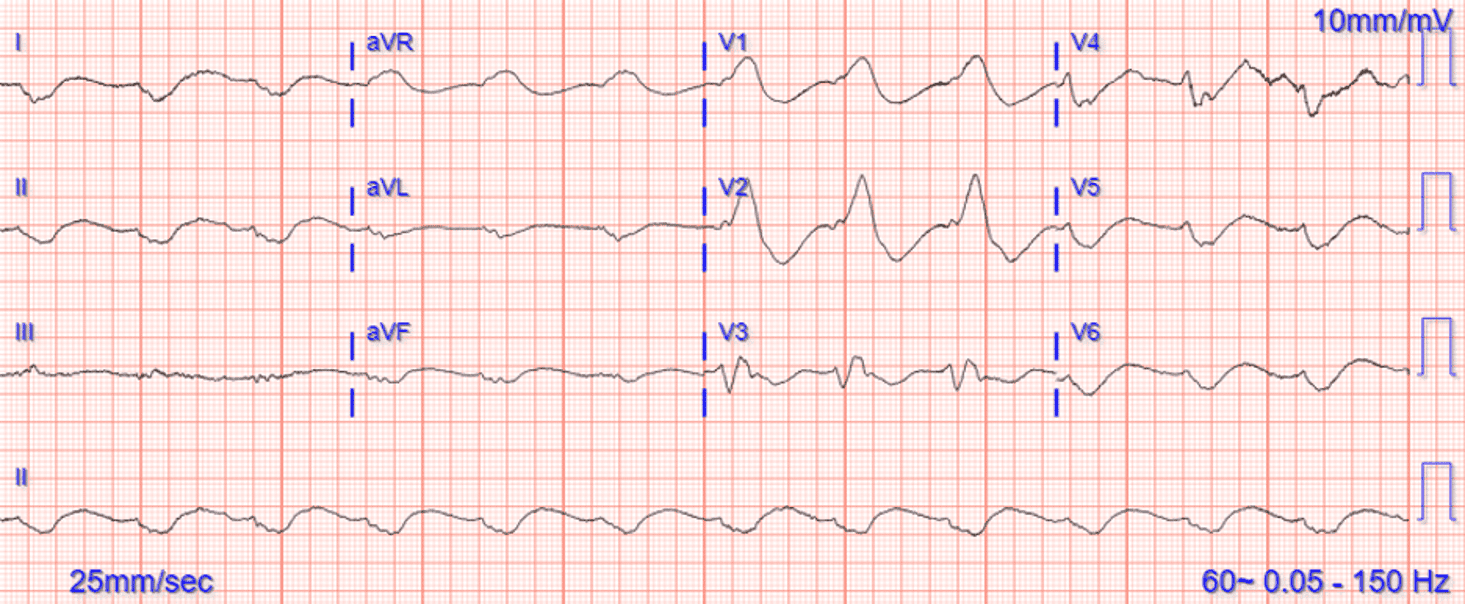
The patient is a 53-year-old anuric female with a history of kidney/liver transplant, ESRD on hemodialysis, diabetes mellitus, and atrial fibrillation with recent failed cardioversion who presents to the Emergency Department with one week of worsening generalized weakness. She reports dyspnea on exertion which improves with rest, generalized abdominal pain, and mild vomiting. Her medications include escitalopram 20 mg daily, flecainide 100 mg twice daily, magnesium oxide 400 mg daily, metoprolol 50 mg 3 times daily, pregabalin 50 mg daily, risperidone 0.5 mg twice daily, [+]
SAEM Clinical Images Series: Can I Snooze on This Bruise?
The patient is a 21-month-old male with no medical problems who is brought into the Emergency Department with concerns for bruising of the lower extremities and swelling of feet. His parents noticed the patient was walking differently 4 days ago and then noted bruising and edema of his feet bilaterally. They state there has been no known injury or trauma, and at least one of the parents has been with the child at all times. The bruising has spread and darkened to become widespread on both legs and today they noticed [+]
SAEM Clinical Images Series: An Expanding Painful Neck Mass
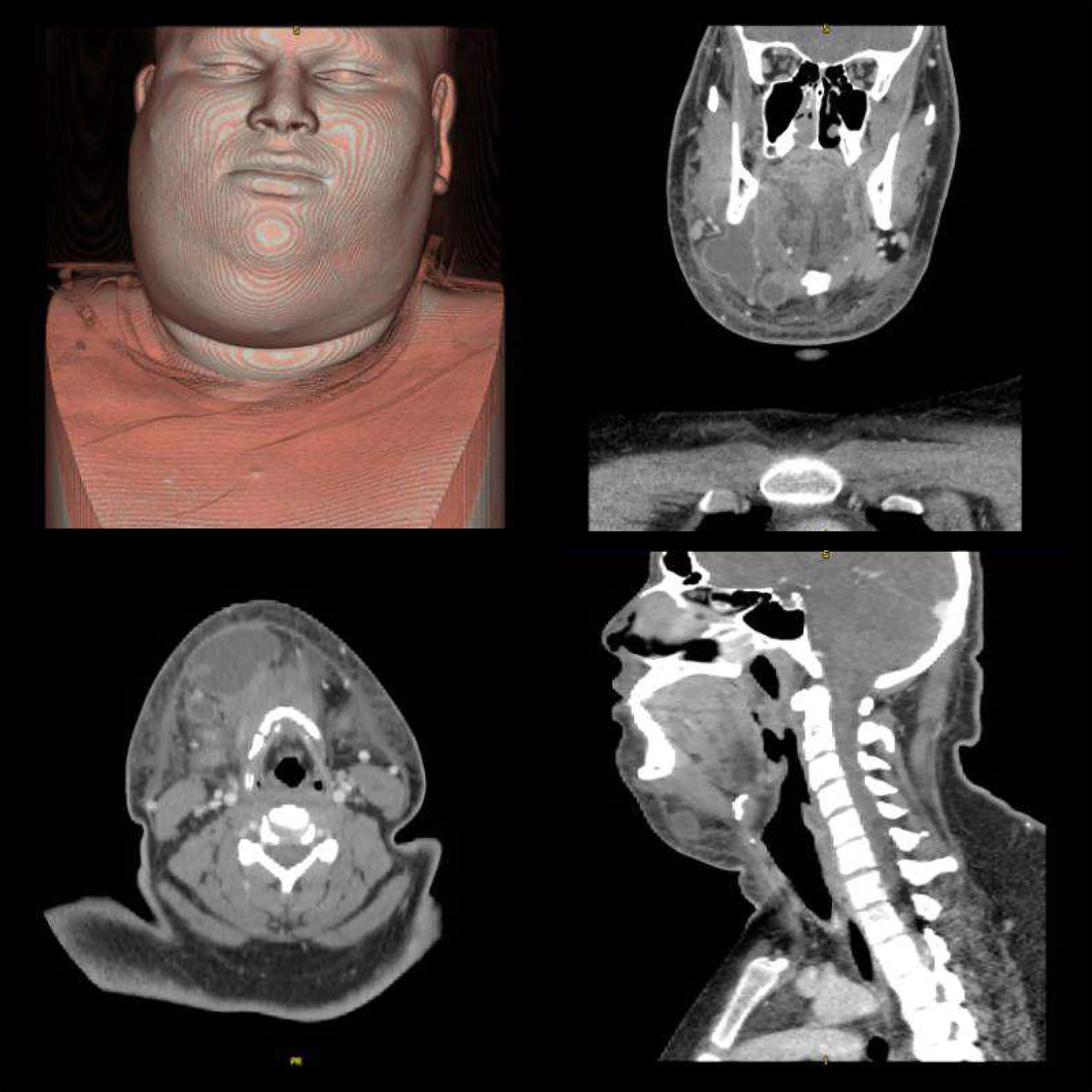
The patient is a 20-year-old male who presents to the Emergency Department complaining of painful and rapidly worsening swelling in the anterior neck over the last three days. The patient reports that he had a similar episode in the past for which he was prescribed antibiotics and underwent a needle aspiration procedure at the base of his mouth, which led to resolution of his symptoms. The patient reports subjective chills, change in voice, sore throat, and painful swallowing. He is able to tolerate oral secretions and denies difficulty [+]